The culinary landscape within the hospitality sector across the Asia-Pacific region is undergoing a profound transformation, driven by an escalating consumer demand for authentic local flavors, flexible dining formats, and enhanced operational efficiency. According to the newly released Future of Food 2027 report by Marriott International, hotel food and beverage offerings are adapting rapidly to meet the shifting preferences of modern travelers and local diners alike.
The comprehensive report is based on extensive input collected from Marriott properties across the Asia-Pacific region, excluding China, alongside in-depth conversations with resident chefs, mixologists, and prominent hospitality professionals. Among the most striking findings of the research is that an overwhelming 95 percent of surveyed properties identified a surging demand for local signature dishes as a primary, defining trend shaping their respective markets. This widespread prioritization marks a departure from traditional hotel dining models that historically relied on standardized, globally ubiquitous menus to cater to international visitors. Instead, properties are leaning heavily into regional identity, leveraging the culinary heritage of their immediate surroundings to create memorable, place-based dining experiences.
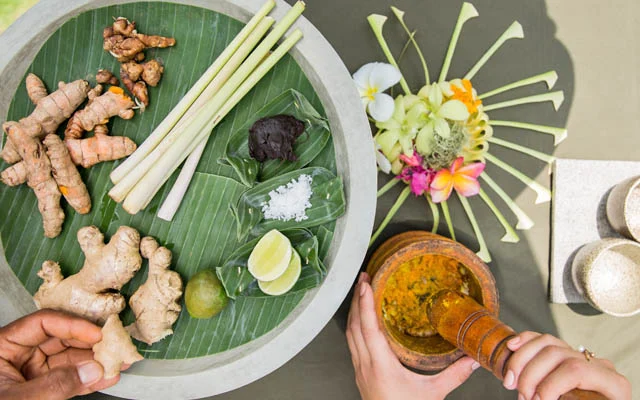
This strategic pivot toward hyper-localization extends far beyond the plate and deep into the supply chain. Four out of five surveyed properties confirmed that they have actively introduced new local ingredients over the past year. These regionally sourced components vary widely depending on the destination, ranging from specialty Kyoto vegetables in Japan and premium Kampot sea salt in Cambodia to a diverse array of indigenous spices and herbs sourced directly from communities across Southeast Asia. Furthermore, this localized ethos is not restricted to food menus alone. Nearly three-quarters of the properties reported utilizing local and indigenous ingredients with increasing frequency in their beverage programs as well, crafting signature cocktails and mocktails that tell a story of the destination through regional botanicals, fruits, and spirits.
Alongside the evolution of the menu, the physical spaces and formats in which food and beverage are consumed are also experiencing a major shift. Traditional, rigid dining structures are giving way to more relaxed, adaptable environments. Nearly half of the surveyed properties reported an increased consumer demand for casual settings, such as vibrant bars, relaxed hotel lounges, and open-air outdoor venues that encourage social interaction and unstructured dining. This trend is particularly pronounced in certain markets; for instance, in Vietnam, an impressive 71 percent of properties noted a measurable growth in bar and lounge dining, highlighting a regional appetite for more laid-back culinary encounters.
As guest expectations evolve, hotel operators are increasingly turning to advanced technology to support and streamline restaurant operations. Technology is now playing a critical role behind the scenes, assisting hospitality teams with everything from complex menu development and targeted marketing campaigns to optimizing staffing schedules and gathering granular guest insights. The adoption rate of these digital tools varies by location, but the integration is deepening across the board. Notably, all surveyed restaurants and bars in Thailand reported utilizing artificial intelligence in their daily operations, showcasing how technology is becoming an indispensable tool for managing the complexities of modern food and beverage establishments.
The structure of high-end dining is also contracting in response to the pace of contemporary life. Fine dining is becoming significantly shorter, moving away from leisurely, multi-hour marathons toward more streamlined, time-efficient experiences. According to the report, 58 percent of properties now report average fine dining experiences lasting between 1.5 and two hours. The trend is even more acute in urban centers like Singapore, where 85 percent of surveyed restaurants reported an average dining duration of just 1.5 hours. To accommodate this demand for brevity without sacrificing quality, restaurants are proactively responding by reducing the total number of courses in their tasting menus and introducing a wider selection of à la carte options, allowing guests to curate their own dining pacing.
Concurrently, shifting consumer health habits and an overarching wellness movement are exerting a powerful influence on menu design and beverage sales across the region. A remarkable 97 percent of surveyed Marriott properties now incorporate dishes associated with health, wellness, and longevity into their offerings, reflecting a permanent shift in how diners view nutrition while traveling or dining out. At the same time, changing drinking habits are reshaping bar and lounge revenues. Upward of 42 percent of restaurants and bars reported an increased volume of sales for non-alcoholic beverages, signaling that mindful drinking and sophisticated alcohol-free alternatives have firmly transitioned from a niche preference into a mainstream expectation.
Looking ahead, Marriott International is preparing to scale these initiatives further. The hospitality giant has announced plans to introduce its APEC Plant-Forward Program across the entire region in 2027, a move designed to institutionalize sustainability, health, and environmental consciousness within its culinary framework.
Industry professionals, researchers, and hospitality stakeholders seeking a deeper dive into the data, consumer shifts, and strategic forecasts highlighted by the hospitality leader can access the complete insights by downloading the full Future of Food 2027 report directly through Marriott’s official channels.