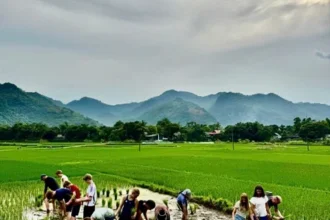
Việt Nam’s tourism sector continues to capture global and domestic attention, driven by a rich tapestry of destinations that span mist-shrouded northern peaks, lush central forests, and pristine southern coastlines. Recent travel highlights underscore the country’s remarkable geographical diversity, offering travelers everything from centuries-old indigenous settlements above the clouds to world-class island retreats and celebrated urban hospitality.

At the highest elevations of the northern mountains, heritage and natural beauty intertwine. Perched more than 2,000 meters above sea level on the slopes of the Nhìu Cô San mountain range, Chóẩn Thèn stands as a testament to centuries of resilient mountain life. This Hà Nhì ethnic minority village, boasting a history spanning over 300 years, has increasingly drawn adventurous travelers seeking authentic cultural encounters. Known for its breathtaking sea of clouds, sweeping terraced fields, and distinctive traditional earthen houses, Chóẩn Thèn offers a rare glimpse into a timeless way of life.

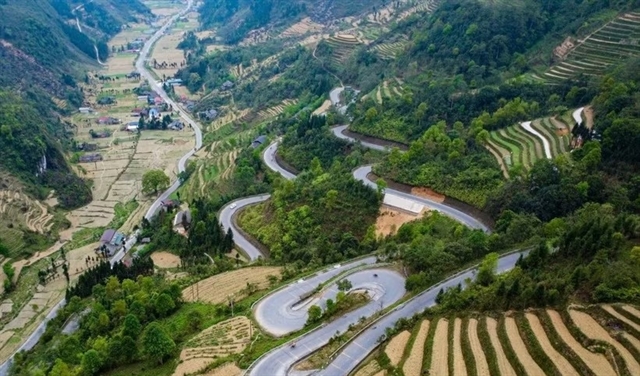
Further enriching the northern highlands, the historic "Happiness Road" continues to serve as a vital thread connecting remote communities while revealing the profound history and stunning topography of the region. Travelers journeying along this legendary route encounter shifting vistas, local stories, and an intimate look at everyday highland existence, proving that the drive itself is as much a destination as the endpoints it links.
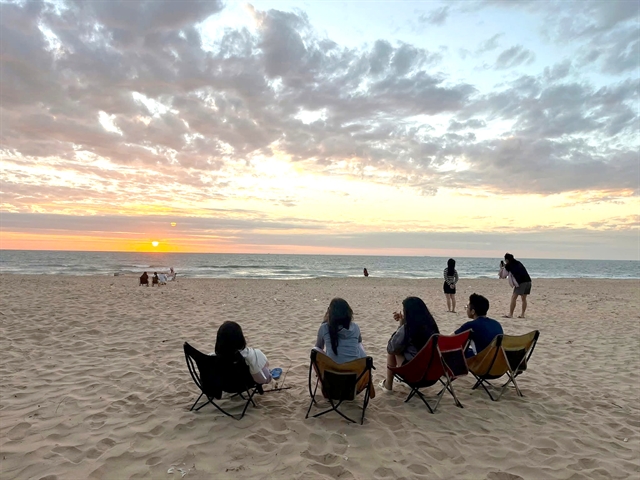
In Tuyên Quang Province, deep within the forested hills of Thượng Lâm Commune, nature enthusiasts find a hidden aquatic treasure at Khuổi Nhi Waterfall. Tucked away in a remote landscape, the waterfall can only be accessed by a scenic boat journey across the wide expanse of the Na Hang reservoir. This secluded aquatic sanctuary exemplifies the untouched ecological wonders scattered throughout Việt Nam’s interior highlands. Meanwhile, in the southern reaches of the country, the unique "Cloud Market" on the elevated terrain often referred to as the "Roof of the Mekong Delta" provides visitors with a cool climate year-round, dramatic natural scenery, and an authentic spiritual and eco-tourism experience that breaks the mold of traditional delta itineraries.
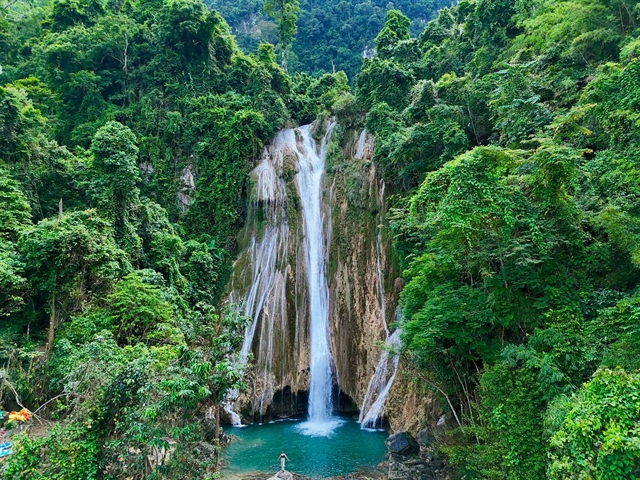
Along the coast, Việt Nam’s maritime destinations are gaining international acclaim. Phú Quốc has firmly cemented its status as a premier global getaway, ranking ninth in Expedia’s 2026 Island Hot List. This prestigious placement makes the southern Vietnamese island one of only two Southeast Asian destinations to break into the global top ten, validating its ongoing appeal for beachgoers and luxury travelers alike.

Complementing well-known island hotspots are emerging coastal destinations that offer quieter, more sustainable escapes. In Thanh Hóa Province, the coastal tourism corridor of Hải Tiến—spanning the communes of Hoằng Tiến and Hoằng Thanh—is charting a new path for regional growth. With its long coastline, intersecting rivers, and rich estuary ecosystem, the area is uniquely positioned to expand nature-based tourism that respects the local environment. Further south, Hồ Cỏç Beach near HCM City is rapidly emerging as one of southern Việt Nam’s most rewarding nature escapes. Characterized by untouched stretches of sand, an ancient coastal forest, and an abundance of fresh seafood, Hồ Cỏç provides a tranquil alternative for travelers looking to disconnect from urban life.

Beyond natural landscapes, Việt Nam’s urban centers continue to excel in hospitality and service. Capitalizing on its cultural charm, Hà Nội was recently named the world’s second-friendliest city for customer service by MoneySuperMarket. This distinction highlights the capital as the sole Southeast Asian destination to feature in the global top ten, reflecting the warm reception and attentive service that international visitors consistently encounter.
As the tourism landscape evolves through 2026, these diverse destinations—from the misty heights of Chóẩn Thèn and the forest-clad waters of Tuyên Quang to the celebrated shores of Phú Quốc and the welcoming streets of Hà Nội—demonstrate the breadth and depth of Việt Nam’s enduring appeal to travelers worldwide.