In a significant development for the region’s conservation and tourism sectors, Ninh Bình provincial authorities have officially recognized Xuân Thủy National Park as an authorized tourism site. This official designation is expected to introduce standardized visitor services, establishing a robust operational foundation for the sustainable development of ecotourism, immersive nature experiences, specialized birdwatching excursions, and structured environmental education programs.
The park’s ecological significance has long been celebrated on both national and international stages. In 1989, its intricate wetlands earned the historic distinction of becoming Việt Nam’s very first Ramsar site, a milestone that simultaneously marked the country as the 50th member of the Ramsar Convention on Wetlands of International Importance. Building upon this prestigious environmental legacy, the park was subsequently designated as an ASEAN Heritage Park. By 2004, it achieved further international acclaim when it was formally incorporated into the Red River Delta coastal biosphere reserve, a network recognized globally by UNESCO for its exceptional biodiversity and ecological value.
A Crucial Stopover for Migratory Birds
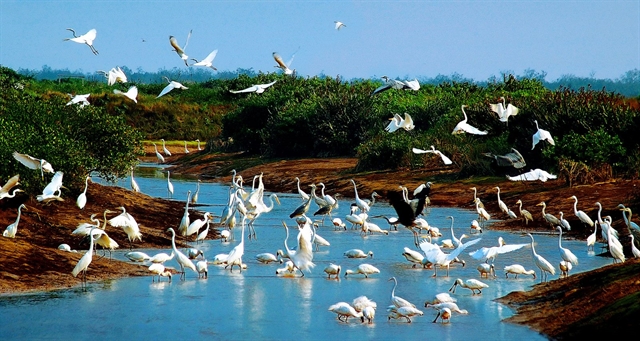
The diverse wetlands of Xuân Thủy comprise a complex mosaic of distinct habitats, ranging from mangrove-covered tidal flats and open mudflats to functional shrimp ponds, sandy stretches, estuarine waters, dynamic sandbanks, and winding tidal channels. This extraordinary variety of ecological niches provides a thriving foundation for a remarkably rich spectrum of plant and animal life. Scientific records indicate that the park is home to more than 200 species of higher plants, which include 14 major mangrove species that play a vital role in stabilizing the coastal shoreline.
Furthermore, the park’s waters and substrates support an abundance of aquatic life, documented through 112 species of phytoplankton, 110 species of zooplankton, 385 species of invertebrates, 155 distinct fish species, and an impressive 427 insect species. Yet, despite this extensive biodiversity, birds remain the park’s most distinctive and widely celebrated attraction, drawing wildlife enthusiasts, researchers, and casual visitors alike.
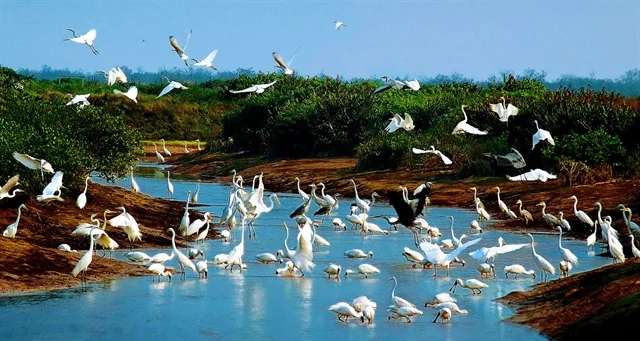
Comprehensive ornithological surveys have recorded 222 bird species belonging to 42 families and 12 orders within the park boundaries. Among these, a striking 166 are migratory species. Xuân Thủy functions as an indispensable stopover and critical wintering site for a vast array of waterbirds navigating the heavily traveled East Asian-Australasian Flyway.
The arrival of these migratory birds follows distinct seasonal patterns. While some avian populations travel southward from northern regions to escape the harsh winter cold, others journey northward during warmer months to breed or feed. The peak period for viewing this natural spectacle spans from October through April, during which time enormous numbers of birds congregate within the park, creating ideal conditions for visitors hoping to observe them in their natural habitat.
Throughout this peak season, the daily rhythms of the park are closely tied to the tides. Birds can be observed actively feeding on the exposed mudflats and in shallow waters during low tide, or resting securely among the dense mangrove canopy as the waters rise. This dynamic scene shifts continually with the movement of the tides and the shifting patterns of the massive flocks, offering visitors a constantly evolving perspective of the wetlands at different times of the day.
Among the many rare and vulnerable species that find sanctuary here, the black-faced spoonbill holds a place of particular prominence. Easily recognized by its distinctive, paddle-shaped bill, this iconic waterbird is the focus of intense conservation efforts at Xuân Thủy. Phan Văn Trường, an official from the park’s management board, noted that approximately 100 migratory bird species utilize the protected area as an essential stopover each year. Crucially, the park also provides a safe haven for a significant proportion of the entire global population of the black-faced spoonbill. Over the years, the distinct silhouette of this remarkable bird has become inextricably linked with the identity of Xuân Thủy National Park itself.
From Wetlands to Traditional Village Life
Beyond its ecological wonders, the park offers visitors an immersive journey into the heart of rural Vietnamese culture and daily village life. A traditional boat trip remains one of the most effective and popular ways to explore the expansive reserve. Gliding quietly along the tranquil waterways, travelers can observe the dense mangrove forests, expansive mudflats, and broad stretches of open water while actively searching for birds and other wildlife. For those seeking a different atmospheric experience, late-afternoon boat excursions offer a breathtaking view of the wetlands as the fading sunlight casts changing hues across the water and surrounding vegetation.
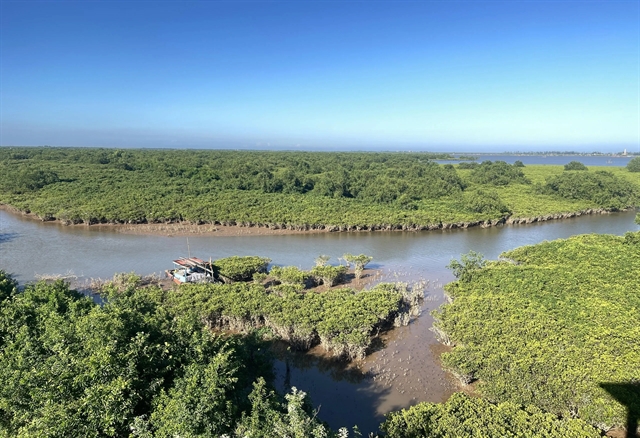
The management board and local operators also organize specialized field trips, guided birdwatching tours, and broader countryside excursions. For hands-on travelers, unique opportunities abound, such as participating in traditional clam-gathering on the mudflats alongside local residents, particularly in the areas surrounding the Ramsar zones.
For travelers who wish to deepen their connection with the natural environment, overnight camping is permitted within designated areas. However, these overnight stays require advance registration with the park’s management board, and visitors are generally required to arrange and bring their own camping equipment to ensure minimal impact on the delicate ecosystem.
The communities surrounding the national park offer an equally compelling cultural landscape. Over generations, local residents have established thriving villages on land reclaimed along the edges of the Red River Delta. Architectural and spiritual heritage is visible throughout these settlements, where traditional houses, historic pagodas, and rural Catholic churches stand as physical testaments to the region’s rich history and cultural diversity.
Local festivals provide yet another vibrant avenue for experiencing authentic community life. Depending on the timing of their visit, travelers may encounter traditional chèo singing—a classic form of Vietnamese theatrical performance—along with chầu văn ancient performance arts, lively lion dances, and spirited folk competitions such as traditional boat racing and local wrestling matches.
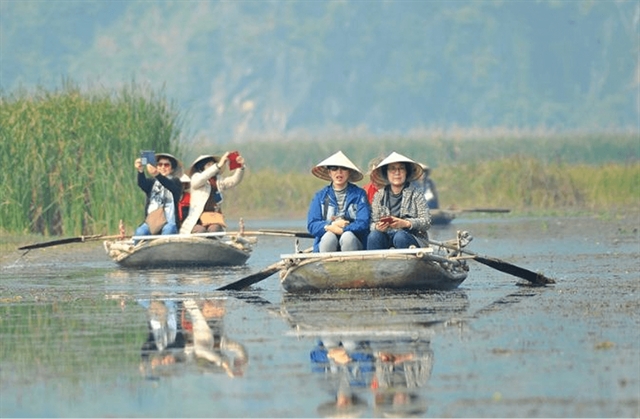
Culinary traditions also form an integral part of the visitor experience in the Red River Delta. Regional specialties heavily reflect the coastal geography of the area, featuring dishes such as refreshing jellyfish salad and flavorful Hoành Nha crab paste. Visitors frequently take home authentic local products, most notably traditional Sa Châu fish sauce, which is crafted using methods passed down through generations.
For travelers looking to venture beyond the more heavily touristed destinations of the Red River Delta, Xuân Thủy National Park presents a rare opportunity to witness a landscape where wild nature and human community remain harmoniously intertwined. The fertile wetlands continue to provide essential food and shelter for countless migratory birds, while the surrounding waterways and productive mudflats sustain the resilient communities that have lived alongside them for generations.