As contemporary hospitality interiors continue to explore new expressions of luxury, design manufacturers are increasingly looking at how texture, bespoke craftsmanship, and unexpected material details can introduce a greater sense of individuality to hotel bathroom spaces. In recent years, the overarching concept of quiet luxury has exerted a profound influence on hotel interior design across the globe. Characterized by muted color palettes, natural stone surfaces, subtle metallic finishes, and understated detailing, this philosophy has successfully birthed some of the most beautifully considered and harmonious hospitality environments in modern memory.
While this refined and restrained aesthetic undeniably retains its rightful place in contemporary design, industry observers note a growing, palpable appetite for greater individuality and distinctive character. From richly layered interior schemes to subtle, highly considered architectural details, today’s interior designers are actively exploring fresh ways to articulate a hotel’s unique personality. The ultimate goal is to craft memorable spaces that resonate deeply with guests long after they have checked out, transforming functional environments into experiential highlights of the stay.
Within this broader design movement, the hotel bathroom presents a particularly fascinating and fertile opportunity. Long gone are the days when the guest washroom was treated as a purely utilitarian afterthought. Instead, it has evolved into an intimate sanctuary where materials, specialized craftsmanship, and thoughtful spatial design can converge in unexpected, delightful ways. Among the wide array of materials available to modern specifiers, one of the most versatile and transformative mediums to work with is glass.
Looking Beyond the Obvious in Architectural Glass
Glass has long held a central position in contemporary bathroom design, serving as an indispensable tool for architects and interior specialists. For decades, the primary objective has been transparency and spatial liberation. Frameless enclosures, discreet fittings, and expansive, uninterrupted glass panels have helped create beautifully open, airy environments, allowing the surrounding architecture, high-end tiling, and natural stone materials to take center stage without visual obstruction.
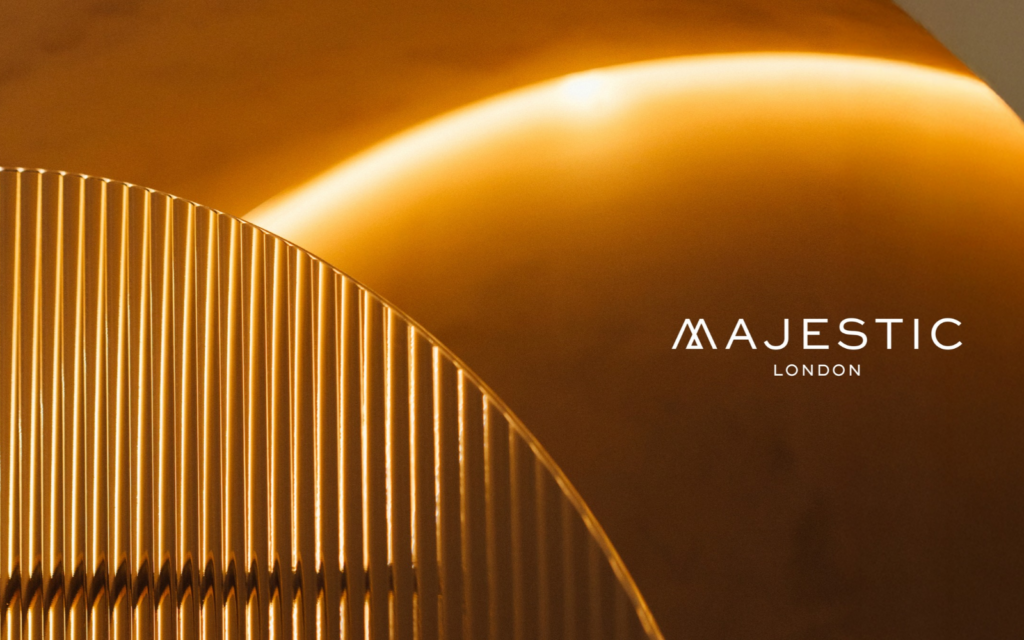
However, industry leaders emphasize that glass also offers enormous creative potential that extends far beyond mere transparency. At Majestic London, design teams have long been fascinated by the artistic and architectural heights that can be achieved when creative professionals are given the freedom to explore the material in unconventional and inventive ways. Rather than functioning simply as a barrier to contain water, glass can be manipulated, curved, treated, and etched to actively shape the mood and geometry of a room.
For instance, introducing a sweeping curve to a glass shower enclosure can instantly soften the hard lines and angles typical of a contemporary bathroom. Alternatively, a curved application can thoughtfully complement the ornate architectural details of a heritage property, or serve as a striking, distinctive focal feature within a larger, multi-room hospitality suite. Beyond aesthetic enhancement, curving and custom-shaping glass also provides brilliant creative solutions for more unusual or challenging architectural layouts, allowing the shower enclosure to integrate naturally and fluidly with the unique footprint of the space.
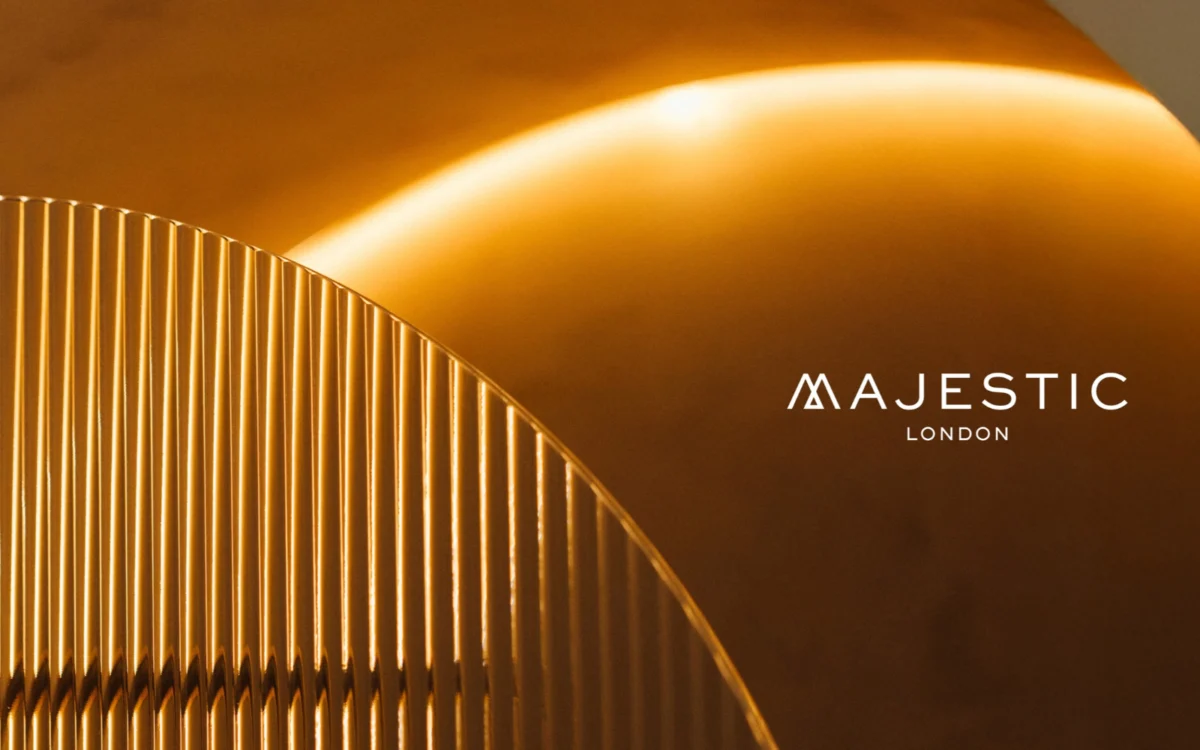
Furthermore, the realm of decorative glass opens up an entirely new world of design possibilities for luxury hospitality projects. Collections such as Majestic’s specialized Art Glass range empower designers to introduce tactile texture, intricate patterns, and subtle hues, effectively transforming what would otherwise be a purely functional surface into an integral, artistic component of the interior architecture. Carved glass treatments, for example, can establish a breathtaking artistic focal point, while specialized finishes—such as Grey, Carved, and Ice Art Glass—provide more restrained, nuanced ways to introduce architectural depth and unique character into a suite.
The Beauty of Subtle Details and Textural Minimalism
Even as expressive and dramatic design elements capture the imagination of the industry, an equally compelling conversation is simultaneously emerging around the concept of textural minimalism. This design philosophy posits that a space can feel exceptionally rich, tactile, and layered without needing to rely on loud colors, high-contrast schemes, or over-the-top dramatic statements. It is a nuanced approach that champions quiet sophistication through materiality, a topic that Sarah Roche, Specification Consultant at Majestic London, frequently explores in her ongoing dialogues with prominent architects and interior designers.

Reflecting on the collaborative nature of high-end specification, Roche observes that the most successful project outcomes invariably occur when the manufacturer or maker is brought into the conversation at an early stage. According to Roche, this early involvement is precisely when those critical, subtle, and high-impact design decisions are made. It is a perspective that underscores the vital importance of manufacturer-designer collaboration in achieving harmoniously resolved interiors that stand the test of time.
A prime illustration of this philosophy in practice is Majestic London’s Ceramic Digital Print in Linen finish. In spaces that are traditionally dominated by hard, cold, and heavy structural materials such as stone, concrete, and metal, the Linen finish introduces a soft, textile-inspired appearance. Rather than aggressively demanding attention or competing to become the primary focal point of the bathroom, this subtle digital print helps soften the overall design scheme. It successfully brings warmth, tactile depth, and quiet visual interest into the room, all while allowing the underlying architecture and prime materials to remain the undisputed hero of the space. It serves as a timely reminder that true individuality in luxury design does not always have to shout through a dramatic, show-stopping feature; often, it is the smallest, most thoughtful details that make the greatest difference to the guest experience.
Making Room for Personality in Hospitality Spaces
Naturally, interior design is not a one-size-fits-all discipline, and there remain many hospitality projects where designers intentionally choose a more expressive, bold approach to spatial storytelling. In a historic boutique hotel, for instance, a custom curved enclosure might be utilized to mirror and honor the sweeping architectural lines of a heritage building. In another context, decorative glass might be specified to introduce necessary privacy between partitioned zones while still permitting natural light to filter freely through the deep floor plan. Elsewhere, a carefully curated bronze hardware finish or a bespoke handle design might be selected to seamlessly echo a hotel’s wider branding and interior design language.
Through comprehensive offerings such as Majestic London’s bespoke design services, creative professionals are given the freedom to explore custom individual shapes, complex configurations, specialized glass treatments, and bespoke hardware detailing. This capability ensures that showering spaces can be tailored precisely to respond to the distinct character, structural limitations, and rigorous practical requirements of each individual hospitality project.

Yet, realizing these ambitious visions successfully requires careful planning from the outset. Industry experts note that the most successful results almost always begin with early, transparent dialogues between the creative design teams and the specialized manufacturers. Considering the specification and placement of the shower enclosure during the initial concept stage of a project—rather than treating it as a late-stage add-on towards the completion date—allows glass to become a fundamental part of the overall architectural thinking. Furthermore, early collaboration provides an essential opportunity to balance soaring creative ambition with the hard, practical realities demanded by the hospitality sector, including everyday durability, ease of maintenance, and long-term operational performance.
A Broader Expression of Luxury in Modern Hospitality
What remains particularly exciting about the ongoing evolution of hospitality interior design is that the current landscape is spacious enough to accommodate both profound restraint and bold expression. Depending on the narrative of the hotel and the specific vision of the designer, the ideal solution might be a nearly invisible, ultra-minimalist frameless enclosure that lets the surrounding environment breathe. On other occasions, a sculptural curve, a distinctive decorative glass finish, or the gentle, fabric-like texture of a linen print can add an entirely new dimension of depth and personality to the guest bathroom.
For specialized manufacturers like Majestic London, the core mission is centered on empowering designers with the creative freedom to explore these diverse possibilities, backed by the rigorous craftsmanship, technical expertise, and engineering knowledge required to bring complex ideas safely to life. After all, within the nuanced world of high-end hospitality design, the most memorable and successful decisions are frequently those that look beyond the obvious, proving that luxury is as much about the subtlety of the details as it is about the grandeur of the space.