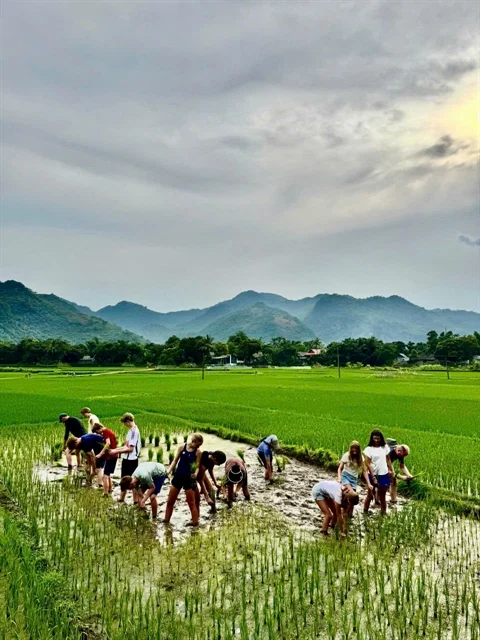
HÀ NỘI — Stepping away from the relentless rush of Vietnam’s capital, travelers seeking a deeper connection to the country’s indigenous roots are finding an immersive escape just 60 kilometers from the centre of Hà Nội. In Mường Cốc Village, nestled within Mỹ Đức Commune, visitors are ditching their traditional tourist roles to embrace the daily rhythms, agricultural labor, and centuries-old heritage of the Mường ethnic minority community.
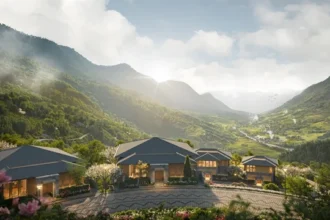
Rather than arriving simply to sightsee, travelers are participating in a unique cultural immersion program titled "Một Ngày Làm Người Mường" (A Day as a Mường Person), organized by Gió Núi Farmstay. The initiative is designed to offer a genuine window into a community renowned for preserving its traditional way of life, distinctive gong culture, and deep-seated indigenous knowledge, all within a landscape often celebrated as a "miniature Northwest" for its dramatic green valleys, rugged mountains, and tranquil villages.
The experience begins the moment visitors arrive at the farm after a brief, hour-long drive from downtown Hà Nội. Greeted warmly by the host and local neighbors, participants are immediately welcomed with cups of steaming herbal tea, poured from rustic bamboo tubes, accompanied by a selection of fresh local fruits. This initial gathering serves as an informal introduction, where guests learn about traditional tea-gathering ingredients and brewing techniques while gaining early insights into the language, daily routines, and historical depth of the Mường people—one of Việt Nam’s most enduring ethnic traditions.
Once settled, the hands-on journey splits depending on the agricultural season, plunging participants directly into the active life of a local farmer. On one recent morning, visitors divided into groups, with some heading toward the local fruit gardens to harvest fresh produce, while others made their way to the village lotus pond.
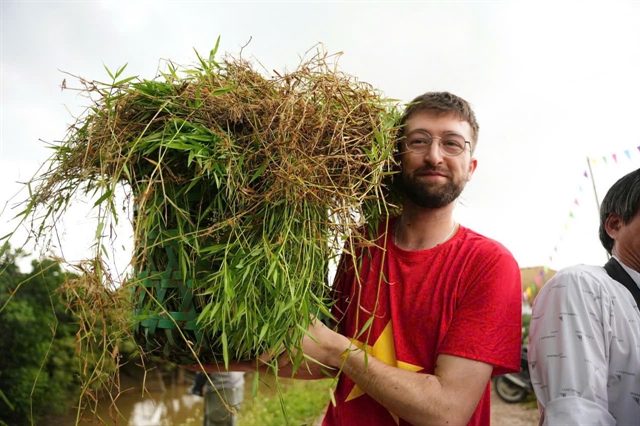
After receiving a brief orientation regarding their duties as temporary farmhands, visitors eagerly waded into the water. Despite getting thoroughly wet, participants embraced the task of cutting and harvesting fragrant lotus flowers. The harvested blooms were brought back to the farm headquarters, where visitors worked alongside local farmers to shell and dry lotus seeds, meticulously remove the bitter germs, and eventually prepare a traditional sweet lotus seed soup. Meanwhile, the gardening group returned laden with fresh fruit plucked straight from the surrounding orchards.
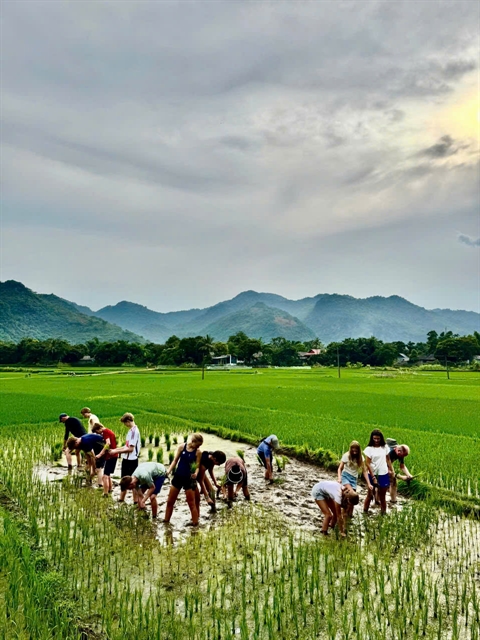
According to Lã Hải Yến, the owner of the farmstay, the agricultural activities change dynamically with the seasons. When the lotus season draws to a close, these amateur farmers transition directly to the fields, taking part in planting and harvesting staple food crops that sustain the local community throughout the year.
Following the morning’s agricultural labor, the immersive experience moves directly into traditional culinary arts. Under the patient guidance of an elderly female chef from the village, visitors are taught the intricacies of preparing authentic Mường dishes. Among the highlights is learning how to make pickled wild bamboo shoots with chili, a staple of the local diet. The instruction covers every stage of the process, from identifying and collecting the correct bamboo in the wild to selecting the right ingredients and achieving the precise sweet-and-sour balance of the brine so that visitors can replicate the dish for their families back home.
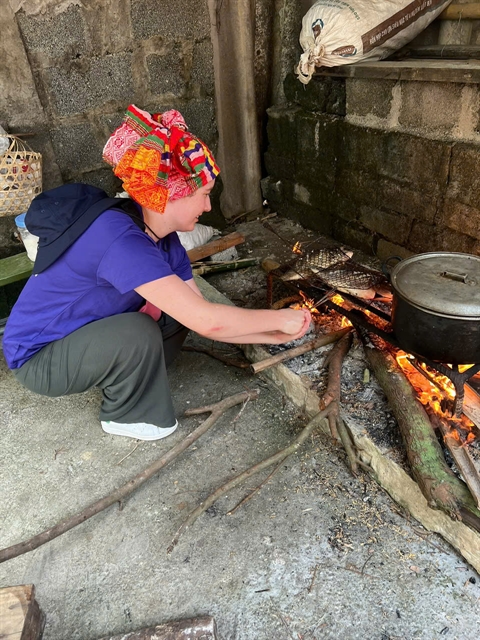
Participants also learn the traditional techniques of steaming black glutinous rice and cooking bamboo-tube rice, as well as the method of clamping fish or chicken securely between bamboo sticks for slow-grilling over hot coals until the meat becomes golden and crispy. Other visitors contribute to the communal meal by gathering clams and snails from nearby ponds, subsequently learning how to craft the signature dipping sauces that accompany local porridges. The culinary session rounds out with the preparation of Mường Cốc banana cakes, rustic treats prized for their natural sweetness and simple ingredients.
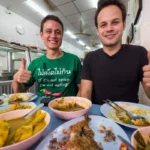
The fruits of this collective labor culminate in an extraordinary midday feast. Beyond the dishes prepared by the visitors themselves, the farmstay treats guests to a generous spread of local delicacies. This meal serves as much more than a simple lunch; it acts as an integral component of Mường culture itself, where every dish is crafted exclusively from regional produce, rooted in domestic culinary traditions, and accompanied by stories passed down orally through generations.
The afternoon itinerary shifts from food preparation to traditional wellness and community engagement. Following lunch, visitors return to the garden to identify, harvest, and process fresh medicinal herbs utilized in traditional Mường remedies. Under expert guidance, guests learn how to dry, prepare, and boil these botanicals to create traditional teas and therapeutic treatments. The herbal session concludes with a restorative foot soak, allowing participants to relax in wooden tubs filled with warm herbal waters positioned near the tranquil lotus pond, helping them regain their energy after a morning of physical labor.
As the afternoon progresses, the focus turns toward cultural exchange and artistic expression. Guests are invited to take part in an introductory Mường language session, picking up basic conversational phrases and traditional greetings. Participants are also given the opportunity to wear the traditional attire of the Mường people. For female guests, this includes donning intricately woven waistbands and distinctive short blouses, instantly transforming them into traditional Mường women.
The cultural exchange deepens with a traditional music performance hosted by local artisans living near the farm. Visitors are encouraged to move beyond passive observation by joining the performance directly, trying their hand at playing traditional gongs and dancing alongside the troupe. The musical celebration is accompanied by the sharing of rượu cần (gong-style jar wine), a powerful cultural symbol of local hospitality and community connection.
As evening approaches, a bonfire is lit, and the hosts serve an afternoon tea. This reflective moment allows guests to look back on their day of hard work, share stories, and cement fond memories of village life. Before departure, every guest receives a parting gift—the wild bamboo tube they crafted earlier in the day—leaving participants with warm hearts and lasting reminders of their time in the village.
While the day-long program offers a thorough introduction to the community’s way of life, farmstay owner Lã Hải Yến notes that visitors have only scratched the surface of what Mường Cốc has to offer. For returning travelers, future agendas will expand to include mountain trekking, cycling along nature-immersed routes, participating in local folk games, and witnessing sacred folk rituals performed during significant communal occasions, such as prayers for good health and new rice celebrations, offering yet another avenue to enrich their understanding of Việt Nam’s diverse cultural mosaic.