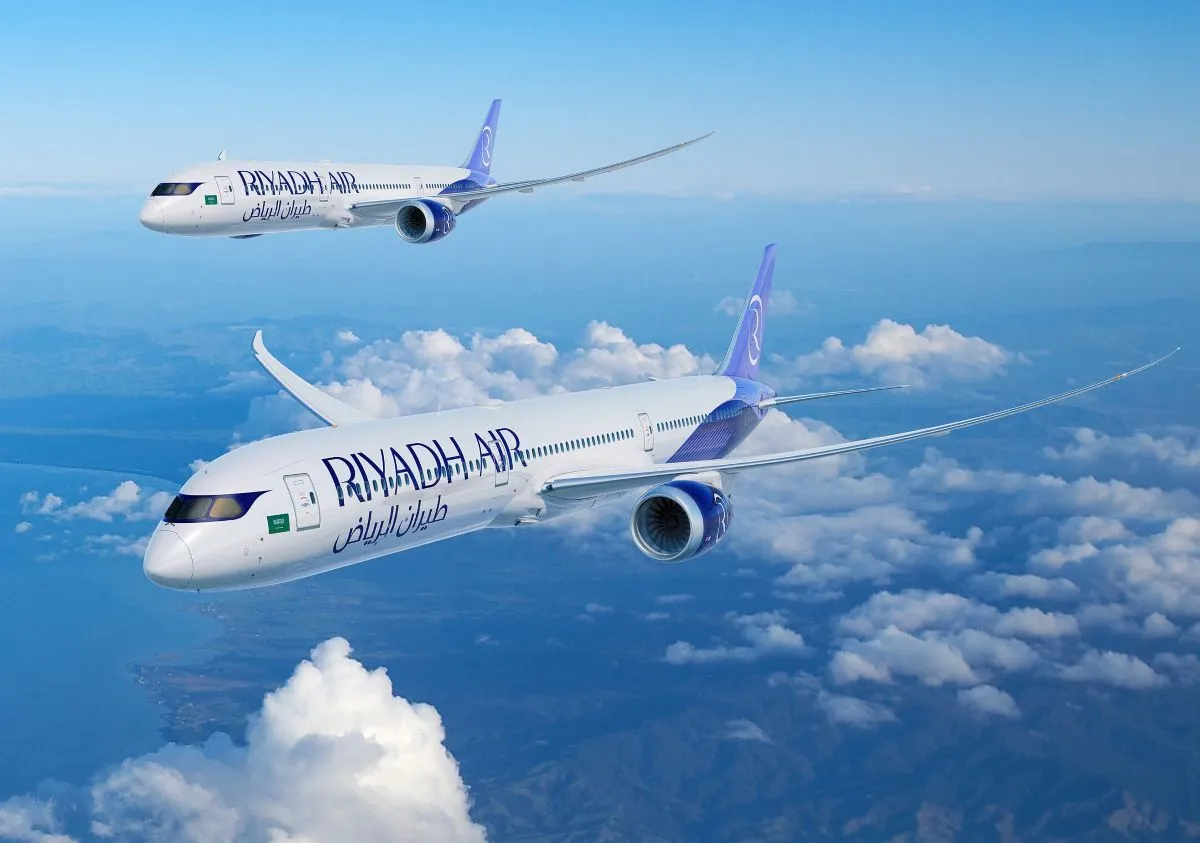
Saudi Arabia’s ambitious new flag carrier, Riyadh Air, has implemented a significant and logistically complex shift in its flight operations. In a move necessitated by the evolving security environment surrounding the Saudi capital, the airline has suspended direct flights to its primary hub at King Khalid International Airport (RUH) in Riyadh, opting instead to route its passenger services through Al Qassim Airport. This decision, which forces travelers to complete the final leg of their journey via a multi-hour bus transit, comes as a direct response to the persistent threat of aerial attacks on Riyadh by Yemen’s Iran-linked Houthi forces.
The carrier’s decision to reroute its network highlights the severe operational challenges facing the aviation sector in the region. As Riyadh Air works to establish itself as a global competitor, the current security climate has forced it to adopt a contingency plan that prioritizes the safety of its passengers and fleet over the convenience of a direct metropolitan arrival. For travelers flying with the airline, this means that their journey now concludes not at the gates of the capital’s central airport, but at a regional facility located over 400 kilometers away, followed by an arduous road trip.
The rerouting currently affects a major portion of the airline’s international and regional network. According to the latest schedule updates provided on the Riyadh Air website, flights connecting Riyadh to key destinations—including Cairo, Jeddah, Dhaka, London, Lahore, and Islamabad—are now being serviced through Al Qassim Airport. This facility, situated approximately 434 kilometers (270 miles) from the capital, serves as the temporary gateway for the airline’s operations. The logistical reality of this arrangement is stark: once passengers land in Al Qassim, they are required to board a complimentary coach service provided by the airline to complete the remaining 4.5-hour drive to the capital.
The drop-off and pick-up point for these passengers is the InterContinental Durrat Al Riyadh hotel, located on the outskirts of the capital. This makeshift terminal arrangement is an unprecedented measure for a carrier that was designed to be the centerpiece of Saudi Arabia’s aviation transformation under the Vision 2030 initiative. By moving its hub operations to Al Qassim, Riyadh Air is attempting to maintain its flight connectivity while minimizing the exposure of its aircraft and passengers to the risks associated with the ongoing regional conflict.
The persistent threat posed by the Houthi movement remains a central factor in this decision. For years, the Houthi forces in Yemen have utilized long-range drones and ballistic missiles to target strategic infrastructure within the Kingdom of Saudi Arabia. While Saudi air defense systems have demonstrated high interception rates, the unpredictability and frequency of these attempts have created an environment where civil aviation authorities must remain hyper-vigilant. The decision by Riyadh Air to bypass King Khalid International Airport is a reflection of the airline’s commitment to a risk-averse security strategy, ensuring that its operations remain insulated from the potential fallout of these hostilities.
This operational pivot has wide-reaching implications for the airline’s passenger experience. Riyadh Air, which has marketed itself as a high-end, modern airline, now faces the challenge of managing customer expectations amidst a significant decrease in travel comfort. The 4.5-hour bus transit, while provided at no additional cost to the passenger, adds a substantial time commitment to what are already long-haul or regional journeys. The airline has stated that this arrangement is strictly temporary, noting that it will remain in place "until Riyadh Air can fly out of King Khalid Airport" with the necessary level of security and operational stability.
The logistics of transporting hundreds of daily passengers by road from Al Qassim to Riyadh represent a massive undertaking. Coordinating bus transfers for international arrivals requires a high level of operational precision, particularly given the varying arrival times of flights from major hubs like London and Cairo. The airline has had to secure a fleet of coaches and manage a staff-intensive process to ensure that passengers are moved from the tarmac to the bus terminal and eventually to the InterContinental Durrat Al Riyadh hotel in a seamless fashion. This effort underlines the lengths to which the carrier is willing to go to avoid a total cessation of its flight services, recognizing that completely suspending operations would be far more damaging to its long-term brand equity than a temporary, albeit inconvenient, bus bridge.
The choice of Al Qassim as a secondary hub is logical from an infrastructure perspective, as the airport possesses the capacity to handle increased traffic and is connected to Riyadh via a well-maintained road network. However, the sheer distance between the two locations acts as a significant bottleneck. For business travelers, tourists, and residents, the extra 270 miles of road travel effectively tacks on a half-day of transit time to their itineraries, complicating connections and potentially driving some passengers toward competing airlines that may still be maintaining direct services to other airports or that are operating under different risk assessments.
Industry analysts have noted that this move by Riyadh Air underscores the unique geopolitical pressures that Saudi Arabian entities face. While the aviation industry is accustomed to dealing with weather-related diversions or temporary technical closures, a long-term diversion necessitated by military conflict is a rare and difficult scenario. The airline is currently navigating a period of intense growth and fleet expansion, and this detour serves as a stark reminder that even the most ambitious national projects are subject to the realities of regional security.
The Saudi government’s broader strategy for Riyadh Air is to transform the city into a global transit hub, rivaling the established giants of the Gulf such as Emirates and Qatar Airways. This long-term vision requires a high degree of confidence from international travelers and aviation partners. By taking the proactive step of diverting flights, Riyadh Air is signaling that it is not prepared to gamble with passenger safety, even if it means significantly complicating its logistical operations. The transparency regarding the current situation—communicated clearly through its official channels and website—is an effort to maintain trust with its passengers despite the inconvenience.
As the airline navigates this period, the focus remains on when, and under what conditions, a return to King Khalid International Airport will be possible. Any such transition will likely be guided by assessments from both Saudi security services and international aviation regulators. The decision-making process will involve careful monitoring of the Houthi activity and the overall effectiveness of defensive measures in the airspace surrounding the capital. Until then, the route between Al Qassim and the InterContinental Durrat Al Riyadh hotel will serve as the unexpected, yet vital, artery for the kingdom’s newest airline.
The resilience of the carrier in the face of these challenges is being closely watched by the aviation industry. Riyadh Air’s ability to manage this transition while maintaining its service standards will be a test of its operational maturity. For now, the airline continues to fly, albeit on a path that is markedly different from the one originally envisioned. Passengers booked on these routes are advised to prepare for the extended transit and to keep in close contact with the airline regarding any changes to their travel arrangements, as the situation remains dynamic and subject to updates based on the ongoing security requirements of the region.
As the industry looks ahead, the story of Riyadh Air’s temporary relocation serves as a reminder of the complex intersections between global commerce and regional politics. While the airline continues its efforts to grow and modernize, it is currently operating within a framework that requires agility and an unwavering commitment to safety. The passengers who board these flights to Al Qassim are participating in a logistical solution to a high-stakes security reality, one that defines the current operational chapter for the newest player in the Saudi aviation landscape.