The United States commercial aviation landscape today bears almost no resemblance to the industry that existed sixty years ago. Major legacy carriers such as American Airlines, Delta Air Lines, and United Airlines now dominate the skies, commanding massive domestic and intercontinental route networks built largely through decades of high-stakes consolidation. Over the years, numerous once-proud airlines have vanished due to deregulation, economic shifts, or poor strategic positioning. Among the most culturally significant and tragic liquidations in aviation history remains the collapse of Pan American World Airways, which officially ceased all flight operations in December 1991.
Pan Am was far more than just a commercial airline; it served as the definitive unofficial flag carrier of the United States, pioneering global air travel routes, introducing iconic aircraft like the Boeing 747, and defining the golden age of international aviation. Yet, despite its legendary status, shifting market forces and financial pressures ultimately left the pioneer behind.
Even though the original Pan Am has been dormant for decades, the allure of its iconic blue globe logo and storied brand name has proven remarkably resilient. Over the years, multiple attempts have been made to resurrect the moniker. A second iteration, often referred to as Pan Am II, briefly took to the skies in 1996 before merging with Carnival Airlines just two years later. Subsequent attempts followed: Pan Am III launched in 1998 only to fail by 2004, and a fourth incarnation operated modest services between 2010 and 2014 before meeting the same fate. Today, a fresh consortium of investors and aviation executives is betting that market conditions are right for a successful comeback, actively pursuing regulatory clearance from the Federal Aviation Administration (FAA) to launch a brand-new iteration of the storied carrier.

The New Pan Am Coming To The US
While previous attempts to revive the brand largely failed to capture the global scale of the original carrier, the newest effort stems from a strategic evolution that began with charter operations. In June 2025, the Pan Am name briefly returned to the spotlight for a series of exclusive, high-end charter flights designed to pay homage to the airline’s historic legacy. These journeys utilized all-business-class configurations aboard Boeing 757 aircraft—a specific type that the original Pan Am never actually operated—and catered to high-net-worth aviation enthusiasts seeking a nostalgic luxury travel experience.
During the execution of these commemorative tours, Avi8 Air Capital began collaborating closely with Pan American Global Holdings, the entity that owns the intellectual property rights to the Pan Am name. The collaboration was formed to evaluate the commercial feasibility of a full-scale operational revival. Following the development of a comprehensive business plan, the newly formed corporate entity initiated the formal process of seeking FAA certification in October 2025 to re-establish the airline as a certified commercial carrier.
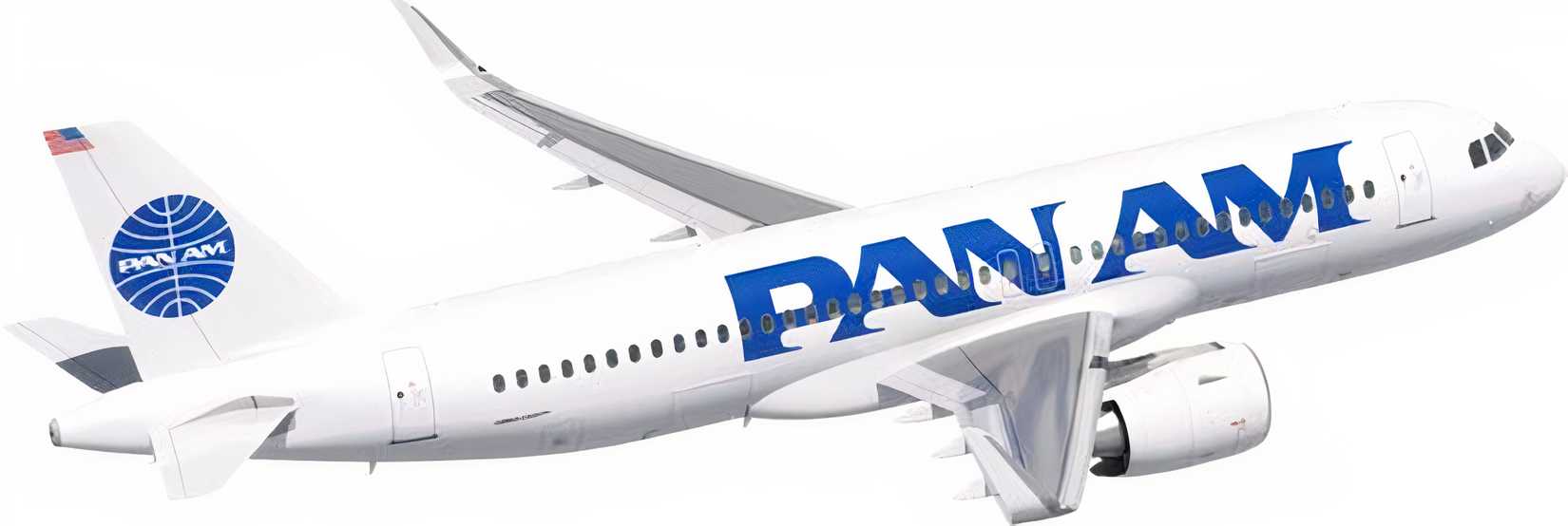
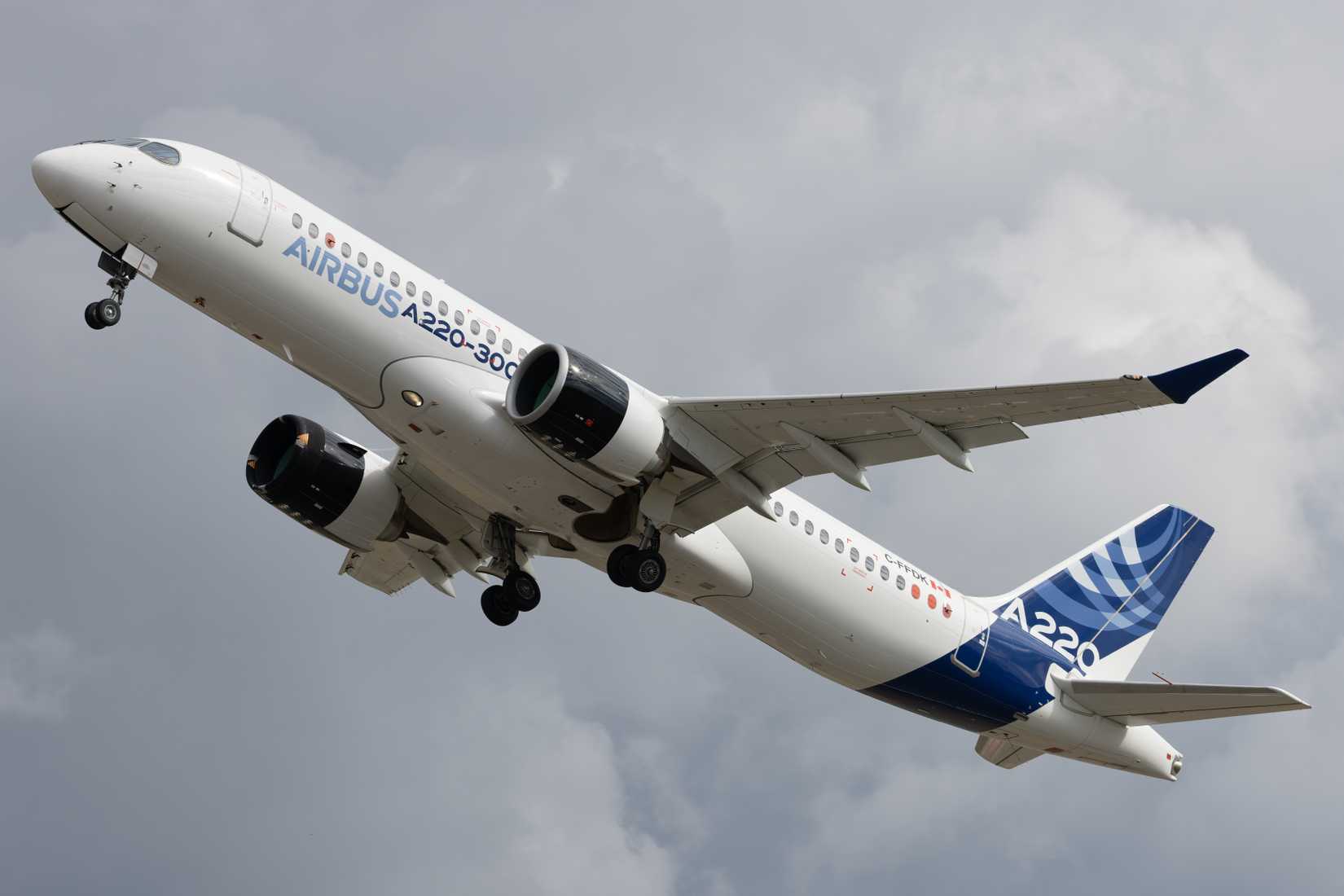
Leadership is pursuing Part 121 certification, which represents the Federal Aviation Administration’s most rigorous regulatory framework. This standard governs large-scale air carriers operating scheduled passenger services, heavy cargo operations, or complex commercial charter flights. Company leadership has confirmed that the newly certified airline will be headquartered in Miami, Florida. While initial fleet planning has evolved, executives have expressed a strong preference for modern Airbus aircraft, specifically targeting the Airbus A220 family or reliable, pre-owned Airbus A320-200 airframes to build out initial capacity.

CEO Ed Wegel noted in late 2025 that the company ultimately intends to incorporate the advanced Airbus A320neo into its operational fleet once ongoing global aerospace supply chain constraints and engine manufacturing challenges are fully resolved. To establish a robust operational foundation, the venture has already secured critical technological and logistical partnerships. These include an agreement with Amadeus to power its core IT infrastructure and distribution channels, a partnership with Avengers Flight Group for pilot and crew simulator training, and the adoption of Airbus’s advanced SkyWise Digital Suite to optimize maintenance and fleet management.
What Part 121 Certification Entails
Achieving Part 121 certification is a monumental undertaking for any startup carrier, requiring exhaustive regulatory scrutiny. Part 121 specifically governs scheduled and commercial transport operators utilizing large aircraft. However, holding a Part 121 certificate does not inherently restrict an airline to traditional scheduled ticket sales; the classification also applies to major specialized charter and ACMI operators such as Atlas Air, Omni Air International, and various modern charter platforms. Instead of focusing on a specific business model, the regulations center entirely on operational complexity, aircraft size, and the stringent oversight required by federal regulators to guarantee passenger safety.
Throughout the certification process, FAA inspectors closely examine every facet of a prospective airline’s operations. This includes reviewing exhaustive operational manuals, safety procedures, maintenance schedules, and organizational hierarchies. The regulatory body verifies that the airline’s chosen aircraft are equipped to meet all safety mandates and ensures that hiring protocols meet rigorous industry standards, guaranteeing that pilots and cabin crews receive approved, standardized training. Furthermore, the FAA conducts rigorous evaluations of route planning systems, flight dispatch protocols, and dangerous goods management procedures.
The review process involves an immense volume of documentation review alongside physical, on-site inspections of facilities and maintenance hangars. Eventually, applicant airlines must successfully execute proving runs—actual test flights monitored directly by FAA inspectors to demonstrate operational readiness under real-world conditions. Because this process can stretch across many months or even years, it represents a substantial financial burden for startup ventures that have not yet generated commercial revenue. For the new Pan Am, navigating this multi-stage regulatory marathon while managing overhead costs is one of the most critical hurdles on the path to commercial viability.
The Business Plan For Pan Am
Despite utilizing one of the most famous brand names in commercial aviation history, the strategic roadmap for the new Pan Am differs significantly from the sprawling global network of its predecessor. Rather than immediately launching into hyper-competitive domestic scheduled markets against entrenched legacy giants, the company’s initial focus is centered on high-end charter operations, particularly focusing on routes connecting North America with Latin America. Scheduled passenger services are slated to be introduced incrementally at a later stage once the airline establishes a stable operational footprint.
Company leadership has previously indicated that the airline plans to introduce a multi-class configuration even while utilizing single-aisle narrowbody aircraft. While exact cabin layouts remain subject to final confirmation, this approach will likely encompass standard economy seating, extra-legroom options, and a premium domestic-style first-class cabin to cater to growing demand for upscale travel.
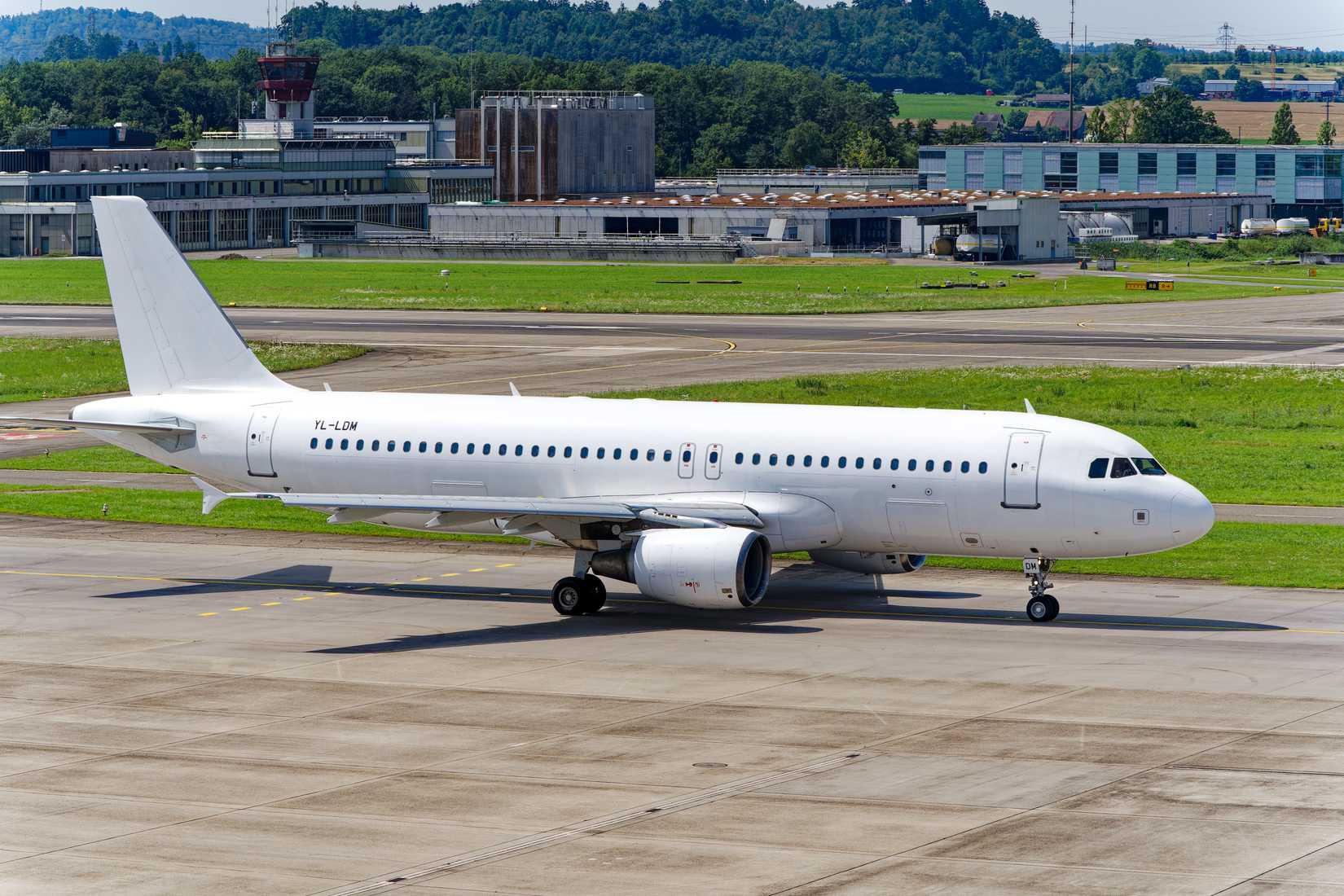
The exact composition of the future fleet remains fluid. While the Airbus A220-300 has consistently been cited as a front-runner due to its efficiency and passenger comfort, the ongoing global backlog for new aircraft deliveries has forced management to look at alternatives. Procuring pre-owned Airbus A320-200 aircraft has emerged as a practical secondary option to ensure the airline can secure flight equipment in a timely manner without being bottlenecked by manufacturing delays.
While regulatory approvals for its independent airline operations are pursued, the Pan Am brand continues to generate visibility and revenue through specialized luxury travel partnerships. The company is actively marketing an upcoming 19-day all-inclusive excursion across Africa scheduled for June 2027. Operating under the banner of nostalgic aviation tourism, these flights utilize a Boeing 757-200 outfitted exclusively with business-class seating. Because these specific tours are operated in partnership with Icelandair, they are able to run independently of the ongoing FAA certification timeline for the new corporate entity.
The Other Ventures Of The New Pan Am
The upcoming African expedition, titled "A Journey To Reimagine Africa," represents just one pillar of a broader corporate strategy that extends well beyond traditional commercial aviation. Recognizing the immense equity tied to the historic brand, leadership has established a dedicated lifestyle and luxury travel subbrand known as "Pan Am Journeys." Under this division, the company has opened bookings for specialized private jet tours, including a golf-themed excursion to Ireland slated for September 2027 using the same dedicated Boeing 757 aircraft.
In a move that mirrors the diverse business interests of the original corporate empire, the modern venture is also expanding into maritime and hospitality sectors. The company has partnered with Holland America Line to charter the cruise ship Zuiderdam for an exclusive Caribbean voyage departing in October 2027. This specialized cruise is designed to retrace historical routes originally pioneered by the iconic Pan Am flying boats of the early 20th century.
Simultaneously, the brand is expanding its physical presence on land through a licensing partnership with Hilton to develop the "Pan Am Hotel" located near the Citadel Outlets in the Los Angeles area. Slated to open in late 2026, the hotel’s interior design and overall aesthetic pay direct homage to the mid-century modern glamour of the airline’s mid-century heyday, incorporating vintage artwork, curated memorabilia, two on-site dining venues, and modern wellness facilities.
By diversifying into hospitality, luxury cruise charters, and private jet tours, the revitalized enterprise is building a multi-stream revenue model designed to insulate the business from traditional industry downturns. This multifaceted approach underscores a deliberate positioning as an upscale lifestyle brand rather than a conventional low-cost or ultra-low-cost commercial carrier. However, whether modern consumers will fully embrace a luxury brand relying heavily on historic nostalgia remains a central question as the venture works to establish its footing in a highly competitive market.
Why Travel With The New Pan Am
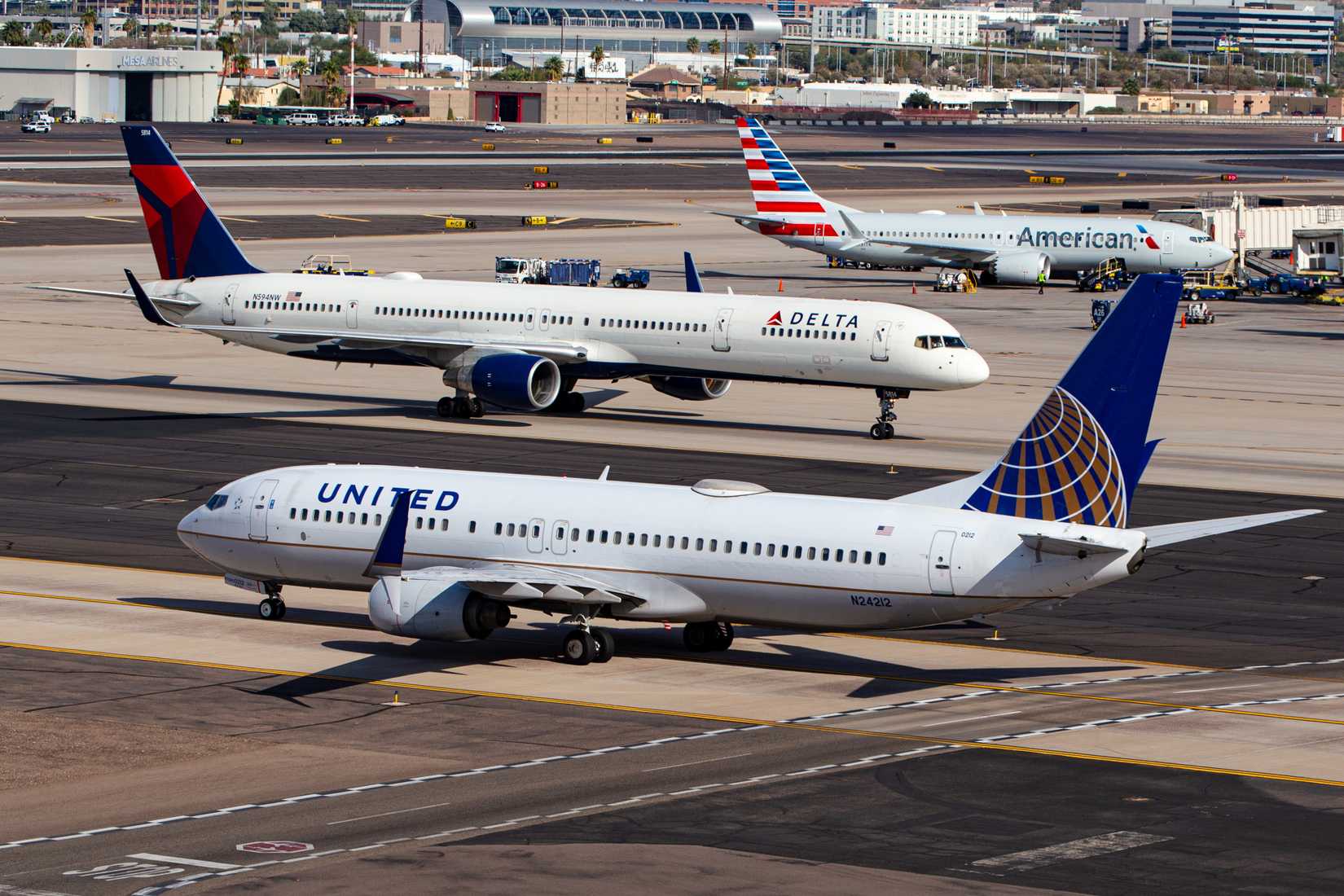
The broader commercial aviation market in the United States currently displays a powerful financial preference for premium travel products. Major legacy carriers, most notably Delta Air Lines and United Airlines, have capitalized aggressively on rising consumer demand for premium seating, enhanced airport lounges, and elevated onboard services. A significant driver behind the success of these major carriers, however, is their massive scale. Because Delta and United operate ubiquitous worldwide networks with dense, highly competitive flight schedules, they naturally capture business and leisure travelers who require seamless connectivity and robust frequent flyer programs.
The newly formed Pan Am enters this environment facing distinct structural disadvantages. The enterprise currently lacks an established frequent flyer program, airline alliance partnerships, co-branded credit cards, corporate travel contracts, and an established operational network. While the Pan Am name retains immense sentimental value among older generations and dedicated aviation enthusiasts, modern premium travelers booking high-end cabins typically prioritize schedule reliability, network depth, and loyalty point utility over historical nostalgia.
Because the airline’s initial operations will focus primarily on charter services—with scheduled routes expected only at a later, unconfirmed date—its immediate market presence will remain small and highly specialized. Given the financial strength and market dominance of existing US megacarriers, industry analysts note that maintaining a focused niche within luxury charters and experiential travel may prove to be a more sustainable financial strategy than attempting to directly challenge established network airlines on trunk routes. Finding and retaining a dedicated customer base within this specialized segment will ultimately determine whether this latest attempt to resurrect aviation’s most famous name can endure for the long term.