Looking for advice on your Southeast Asia packing list? You’ve come to the right place.
If you’re heading off on your first backpacking adventure to Southeast Asia, it can be daunting thinking about what you might need to take. But fear not—travel experts have compiled the ultimate packing list to help you prepare for the journey ahead. With over a decade of combined travel experience within the community, seasoned explorers know a thing or two about what you will genuinely need to pack, and what you should definitely leave behind. Consultations with wider backpacking communities have further refined these insights to bring together the best possible advice for novices and veterans alike. So, before you start frantically throwing items into your luggage, a comprehensive evaluation of what is truly required can save you both physical strain and financial regret.

Packing for Southeast Asia: Top Tips
If there is one piece of advice that unites seasoned travelers when it comes to packing for Southeast Asia, it is this: less is more. Honestly, you will never regret traveling light, especially in this vibrant part of the world. Experienced globetrotters frequently encounter travelers who set off on their grand adventures with overloaded bags, only to experience immediate regret upon arriving at their very first destination. While there is an undeniable sense of freedom that comes with backpacking through foreign lands, that liberty can rapidly diminish if you are struggling under the physical weight of an oversized pack.
To lighten the load effectively, travelers are advised to bring fewer clothes than they initially think they might need. A classic travel adage suggests laying out all your clothes and all your money before a trip, then taking half the clothes and twice the money. While doubling your budget may not always be feasible, halving your wardrobe certainly is. Because most of Southeast Asia enjoys a warm, tropical climate, you will primarily require lightweight clothing—a major advantage for packing efficiency. Furthermore, laundry services can be accessed cheaply and easily across the entire region, meaning there is realistically no need to bring more than a week’s worth of clothing at most.
Another common pitfall is overpacking toiletries. Travelers do not need to bring months’ worth of shampoo, shower gel, or moisturizer from home. These everyday items can be easily purchased in local shops, convenience stores, and supermarkets located in virtually any town or city across Southeast Asia. Major international brands, including Pantene, Dove, and Nivea, are widely available. Packing industrial-sized toiletries only wastes precious space and adds unnecessary weight to your bag.
Instead of single-use items, focus on packing multi-use products that maximize your available space. As a general rule of thumb, most supplies you might need on the road are readily available and frequently cheaper locally. However, there remain a few specialized items that are difficult to source of adequate quality within the region, which experts strongly advise bringing from home.

Backpacks and the Dual Bag Method
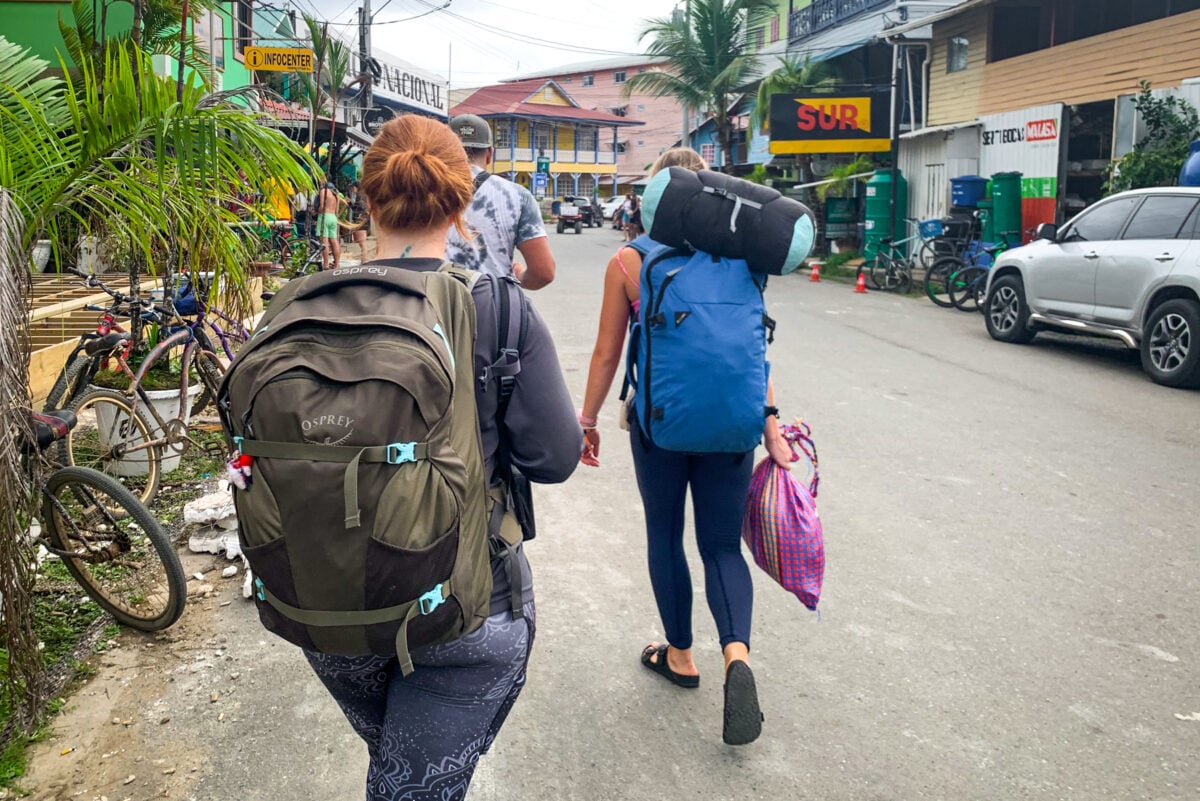
When embarking on a backpacking trip, the foundational piece of equipment is, naturally, a backpack, although some travelers still prefer traditional suitcases. Based on years of collective experience, the optimal setup involves traveling with two distinct bags: a medium or large backpack to hold the bulk of your luggage, and a small daypack to secure your valuables. Your larger bag can be checked in on flights and stored safely in the luggage hold on buses or trains, while your small daypack remains with you at all times.
Carrying this dual setup efficiently is an art form. The easiest method is to wear your small day bag on your front—often referred to as a frontpack. By putting your day bag on your front first and then slipping your large backpack onto your back second, the shoulder straps of your heavy pack sit directly on top of your day bag straps. This locks the front bag securely in place, preventing it from slipping off your shoulders while keeping your hands completely free. For many travelers, discovering this configuration after months of struggling is a transformative moment.
Clothing and Footwear Considerations
When selecting clothing for a Southeast Asia itinerary, the focus should be on lightweight fabrics that resist creasing. Travelers are strongly advised against bringing their favorite garments, as the combination of tropical sunscreen, constant repacking, and vigorous local laundry services will quickly degrade delicate or sentimental items. Partying and socializing in Southeast Asia are exceptionally casual affairs, meaning elaborate going-out outfits are entirely unnecessary. A simple casual dress for women, along with shorts and t-shirts for men, will comfortably suffice for nightlife, with flip-flops serving as the standard footwear.
When it comes to shoes, the optimal number to take backpacking is strictly limited to three pairs: comfortable walking shoes for excursions and trekking, casual everyday shoes or sneakers, and a trusty pair of flip-flops or sandals. If you can manage with even fewer pairs, the benefit is entirely yours. Many travelers swear by specialized travel sandals that bridge the gap between casual daily wear and comfortable long-distance walking capability.

Health, Medical, and Toiletries
While travel experts offer extensive advice, they emphasize that they are not medical professionals, and travelers should always consult a healthcare provider before departure to ensure they receive appropriate, up-to-date vaccinations and medical guidance. For those aiming to travel extremely light, the health and medical category offers prime opportunities to shed weight, as basic pharmaceutical supplies are readily accessible in regional convenience stores like 7-11.
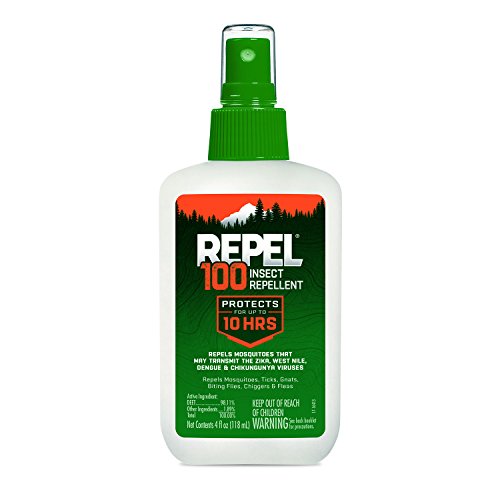
Nevertheless, certain essential medical items should be procured at home before leaving. High-concentration insect repellent, specific prescription medications, personal first-aid supplies, and specialized items that may be harder to find or of lower quality locally should be packed in advance. For female travelers, compact and sustainable options like menstrual cups are frequently recommended for their space-saving and eco-friendly qualities. When it comes to general toiletries, a quick-drying mesh toiletry bag is ideal for keeping products organized and ventilated in humid climates.
Technology and Practical Utilities
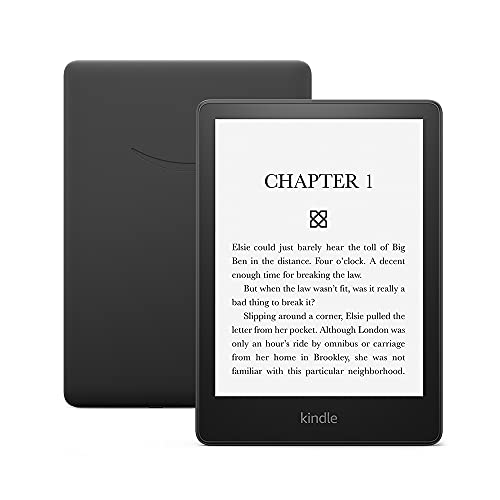
The era of navigating foreign cities solely with paper maps and dog-eared guidebooks has largely passed. Technology now plays an integral role in the modern travel experience. Essential tech items generally include a smartphone, a durable power bank to keep devices charged during long transit journeys, a universal travel adapter, and noise-canceling headphones. E-readers, such as a Kindle, are also favored by avid readers looking to save space and weight compared to physical books.
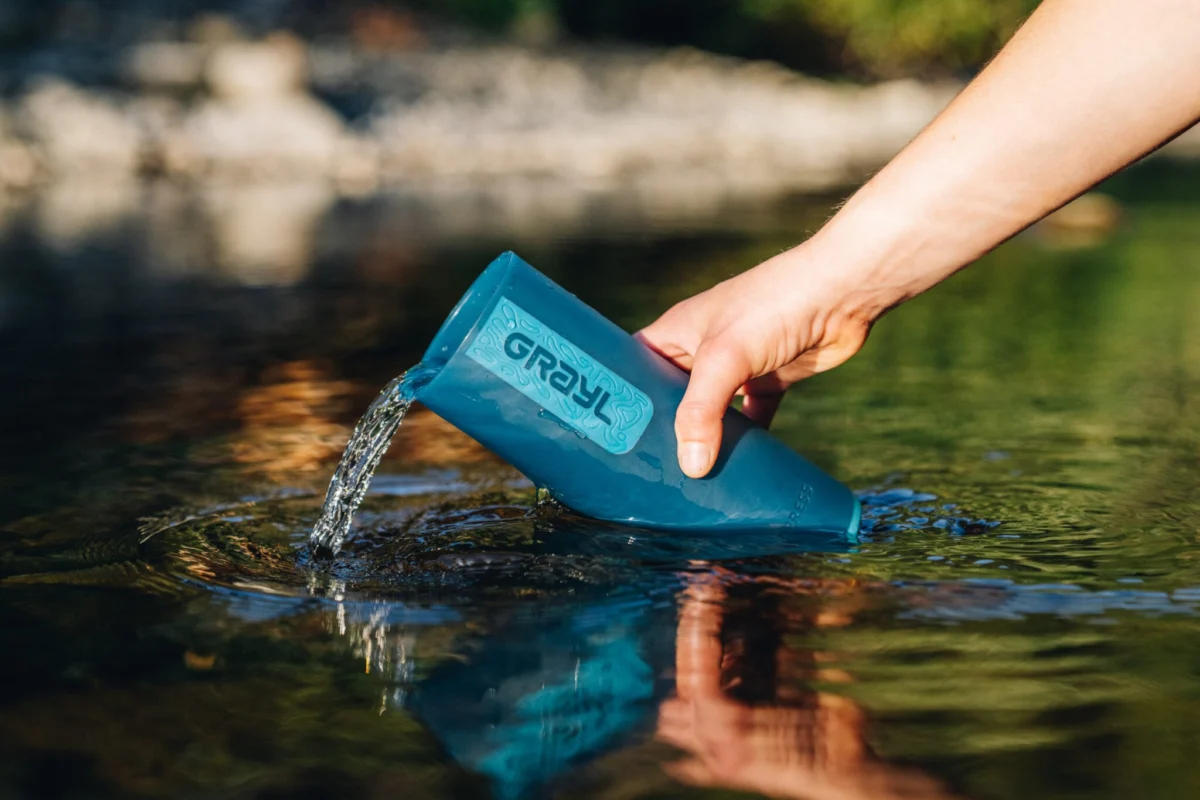
Beyond electronics, several practical items can significantly enhance comfort on the road. A lightweight microfiber towel that dries rapidly is an indispensable asset for hostel living and beach visits. Experienced writers and contributors note that items like a robust water purifier—such as a Grayl press—alongside a reliable power bank and a clean sleeping bag liner, form the holy trinity of items that make travelers feel prepared for any situation.

Creature Comforts and Paperwork
While minimalist packing is encouraged, certain creature comforts can make long-term travel much more enjoyable if you are willing to dedicate the pack space. Physical travel journals, customized comfort items, and lightweight entertainment gear often make the cut for seasoned backpackers navigating unfamiliar streets.
Above all, travel essentials and paperwork must never be overlooked. Passports, valid visas, travel insurance documentation, vaccination records, and digital backup copies of all critical documents remain non-negotiable requirements for any international journey. As travelers prepare to set off on their Southeast Asia adventures, ensuring these foundational elements are secure guarantees peace of mind from the moment departure day arrives.