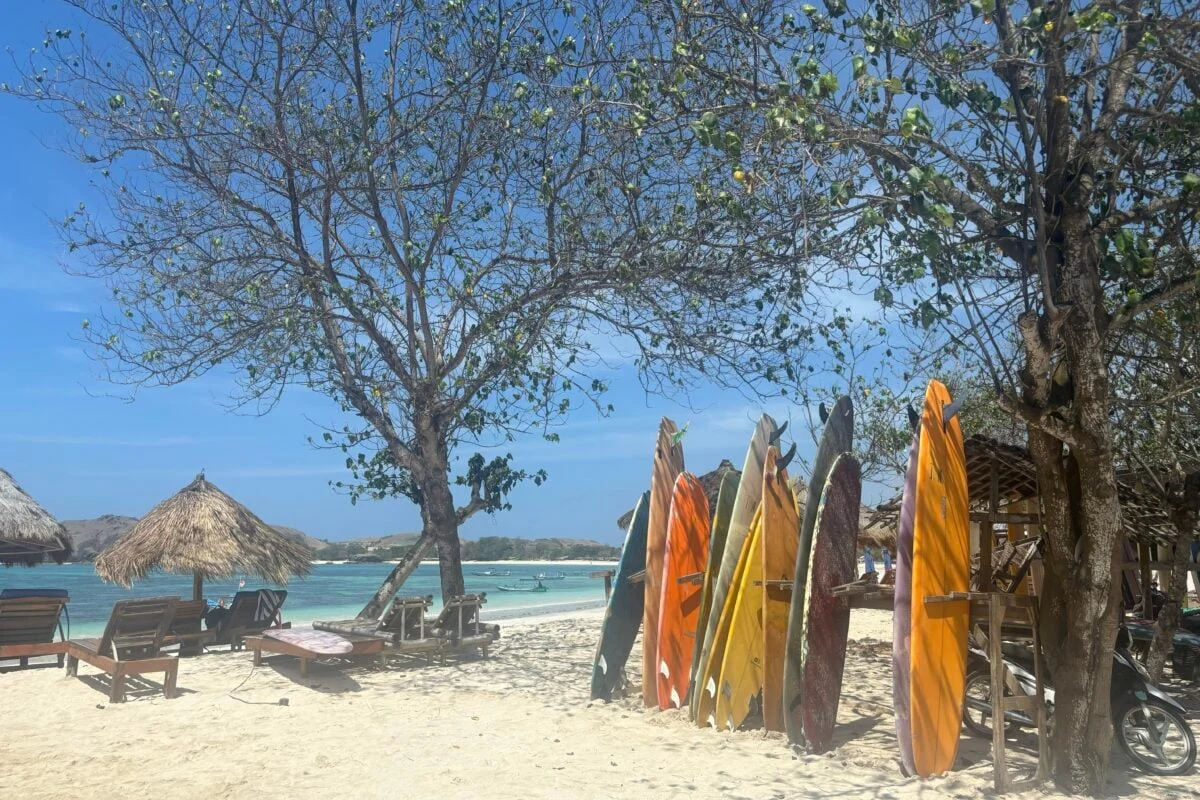
While Bali has long held the crown as Indonesia’s most famous surf destination, travelers crossing the water to Lombok are discovering a quieter, rapidly emerging alternative. Quietly building a reputation as the beginner surf mecca of Southeast Asia, Lombok offers consistent waves, mellow reef breaks, and an expanding network of all-inclusive surf camps that make it one of the best places in the region for would-be surfers to catch their first wave.
Beyond the gentle rollers suited for novices, the island boasts plenty of terrain for intermediate and advanced surfers, with breaks catering to all skill levels. Coupled with a welcoming local surf culture and dramatic coastal scenery, Lombok is drawing a growing number of visitors seeking an authentic wave-riding experience away from the heavy congestion found in other parts of the archipelago.
Understanding the Seasonal Swells
Surfing in Lombok is possible year-round, making it a flexible destination for travelers planning an extended trip through Indonesia. However, weather patterns dictate the ideal locations depending on a surfer’s experience level. The dry season, which runs from May through September, is generally considered the best time for beginners. During these months, swells are reliable, winds are favorable, and ocean conditions remain clean across many of the island’s most popular bays.

For seasoned surfers, waves break reliably throughout both the dry season and the wet season, which spans from October to March, ensuring a constant supply of swell regardless of when travelers arrive. A significant advantage of visiting during the wet season is the noticeable drop in crowds. As Lombok’s surf breaks experience increasing popularity, the quieter months offer experienced surfers a chance to tackle waves with fewer people in the water.
The island’s topography plays a major role in its appeal to learners. The combination of consistent swell and beginner-friendly spots creates an ideal training ground. The local reef breaks are characterized as mellow and forgiving, yet they maintain enough power to help surfers quickly develop fundamental skills. This natural advantage, combined with a proliferation of affordable surf camps and a supportive local community, explains why Lombok has transformed into one of the top learn-to-surf destinations in Southeast Asia.
Jessie Innis, a contributor to South East Asia Backpacker, noted that the island’s surf surpassed her initial expectations. Coming from the Australian coastline, where quality waves are abundant but beginner-friendly spots can be difficult to find, she described Lombok as a dream for novices. On small swells, she observed, the waves are manageable and feature natural channels that allow surfers to paddle safely back to the line-up, providing a far less demanding experience than the powerful, heavy beach breaks found in other regions.

Exploring Lombok’s Diverse Surf Breaks
The island’s southern coastline is dotted with a wide variety of surf spots, each offering distinct conditions for different experience levels.
Selong Belanak features a sweeping crescent bay that serves as an ideal location for absolute first-timers. Unlike the majority of Lombok’s breaks, which form over coral reefs, Selong Belanak is a soft beach break. Its gentle, forgiving waves provide a safe environment for learners to catch their very first rides, and the spot performs best during the dry season.
Gerupuk Bay, situated about 15 minutes east of the main surf hub of Kuta, hosts several distinct waves. The bay has become heavily populated by local surf schools. While this concentration of learners can occasionally frustrate experienced surfers seeking open waves, it fosters a welcoming atmosphere for beginners. Surfers operating at a similar level can share progress, celebrate small milestones like executing a bottom turn, and build camaraderie in the water.

Tanjung Aan offers a picturesque sandy bay paired with an offshore reef break that favors longboarders. The long, mellow waves allow learners and intermediates to build confidence on larger boards. However, the spot’s popularity with commercial surf camps means the lineup can frequently become crowded. The area is also undergoing significant commercial transformation, with portions of the bay being developed into luxury resort zones, raising questions among regular visitors about the future of the local natural landscape and surf culture.
Ekas, located further east along the southern coast, provides options for multiple skill levels through distinct sections known as Ekas Inside for beginners and Ekas Outside for intermediates, making it a popular destination for day trips originating from Kuta.
Seger Reef stands out as one of the most accessible breaks close to Kuta and enjoys strong support from local surfers. It accommodates various skill levels, offering a faster right-hand break geared toward experienced surfers alongside a left-hander suitable for beginners and intermediates. Because Seger is renowned for its vibrant sunsets, many surfers time their sessions to conclude at dusk.

Mawi requires a 45-minute scenic scooter ride west of Kuta along a rocky dirt track that is recommended only for confident drivers. The break is best suited for intermediate to advanced surfers, delivering left and right waves that can form hollow barrels under proper conditions.
Are Guling, located a 20-minute drive from Kuta, challenges experienced surfers with fast rides and potential barrels during large swells. The spot demands caution due to strong local currents and rip tides.
Desert Point, situated on the far western tip of the island, represents the pinnacle of difficulty in Lombok. Reserved strictly for expert surfers, it is famous for producing exceptionally long and fast barrels, making it the most formidable and demanding wave on the island.

The Rise of Surf Camps and Independent Travel
Surfers visiting Lombok face a choice between organizing their own independent itinerary or booking an all-inclusive surf camp package. Confident surfers often prefer to secure their own accommodation in Kuta or Gerupuk, rent a board independently, and paddle out on their own schedule.
For beginners, however, surf camps offer a comprehensive alternative that handles logistics, including lodging, meals, board rentals, transportation to the breaks, and equipment maintenance. Many camps incorporate complementary activities such as yoga classes, theoretical surf instruction, and massage services. These environments also encourage social connection among travelers progressing through similar stages of their surfing development.
Camps are not exclusively tailored for novices; many operations provide specialized surf guiding packages designed to help intermediate and advanced surfers refine their techniques. Travelers who prefer to arrange their own accommodation but still desire professional instruction can utilize non-residential surf schools, which offer group or private lessons on a flexible basis.

As the island’s surf tourism expands, prospective visitors face a widening array of choices when selecting a camp, requiring them to weigh factors such as coaching ratios, accommodation standards, and proximity to the breaks.
Navigating Logistics and Safety in the Water
Reaching specific breaks often requires maritime transport. In Gerupuk, surfers must take small boats to access the outer waves. While surf camps coordinate these transfers, independent travelers can charter local boats for modest hourly rates, often sharing costs among peers to reduce expenses. Similar boat arrangements are common at Tanjung Aan, though returning to shore via a paddle is feasible for those with sufficient stamina.
Managing the physical crowds remains a key challenge for visitors. At popular spots like Gerupuk Inside, dozens of surfers may crowd the lineup during small swells, creating chaotic and potentially hazardous conditions when inexperienced learners are pushed into waves without strict adherence to surf etiquette. To mitigate this, well-managed camps stagger their schedules, while independent surfers often target midday lulls when commercial operators are inactive.

To avoid high airline baggage fees and potential transit damage to fragile equipment, most visitors choose to rent surfboards directly from local shops in Kuta and Gerupuk or rely on the gear provided by their surf camps. Essential packing items typically include reef-safe sunscreen, rash guards, surf hats, and personal first-aid supplies to treat minor coral cuts. Local photographers frequently document sessions from boats and drones, offering travelers the option to purchase footage of their rides at the end of the day.
While Lombok’s waves are widely celebrated for their accessibility, ocean safety remains paramount. Navigating reef breaks requires awareness of shallow coral formations, strong currents, and local water rules. Maintaining situational awareness and respecting established etiquette ensures that the island’s burgeoning surf scene remains sustainable and enjoyable for all participants.