Food has long served as a fundamental pillar of daily life—not merely as essential fuel for survival, but as a powerful catalyst for positive change within communities. Whether consumers choose to go meatless or source ingredients directly from local family farmers, everyday culinary decisions can actively support vital social causes and help shape a more equitable world. When individuals transition from everyday consumers to international travelers, this responsibility to eat ethically does not disappear upon arrival in a new country. Fortunately, travelers stepping into Cambodia find themselves with an array of opportunities to make a tangible, positive difference in local neighborhoods simply by deciding where to sit down for a meal.

From the bustling streets of Phnom Penh and the cultural hub of Siem Reap to the riverside tranquility of Kampot and the historic charm of Battambang, Cambodia hosts a thriving ecosystem of social enterprise dining establishments. These venues offer far more than exceptional cuisine; they provide structured avenues for travelers to support impactful humanitarian missions spanning the entire country. Experimenting with local street foods or discovering an unassuming family-run eatery can certainly provide a valuable cultural experience while supporting local family-owned businesses. However, mission-driven social enterprises take community investment a step further by directly tackling systemic challenges such as poverty, human trafficking, disability inclusion, and post-conflict recovery.
In the heart of Cambodia’s capital, Connecting Hands Training Cafe operates as a vital sanctuary and training facility for women seeking to escape the human trafficking industry. By providing comprehensive employment, medical care, safe accommodation, and personalized practical support, the organization delivers the holistic foundation necessary for survivors to successfully rebuild their lives. The quaint café setting offers a welcoming environment for visitors seeking a reprieve during a busy day of exploring Phnom Penh. Featuring a thoughtful blend of Khmer and Western dishes, the menu includes all-day breakfast options such as muesli, poached eggs, muffins, and specialty coffee. Because all operating profits are directly reinvested into the welfare of the women they serve, patrons can take comfort in knowing their patronage directly empowers individuals escaping abuse and exploitation.

Further south in Kampot, the Epic Arts Cafe functions as an integral component of Epic Arts, a registered charity operating in both the United Kingdom and Cambodia that champions inclusive opportunities for individuals with disabilities. The organization derives its name from pioneering arts programs designed to encourage participants to explore, celebrate, and advocate for the beauty of diversity through creative expression. Beyond the arts, the charity manages vital educational initiatives that facilitate school access for children while providing meaningful employment and capacity development for adults within the cafe. Showcasing an inclusive workplace model, Epic Arts Cafe serves a delectable menu featuring Cambodian, Western, and Middle Eastern selections. From toasties and traditional amok to nourishing couscous, the establishment caters extensively to vegetarian and vegan diners alike. Visitors can also explore an upstairs gift shop featuring unique art created by local students and community artists, providing an additional revenue stream for the organization.
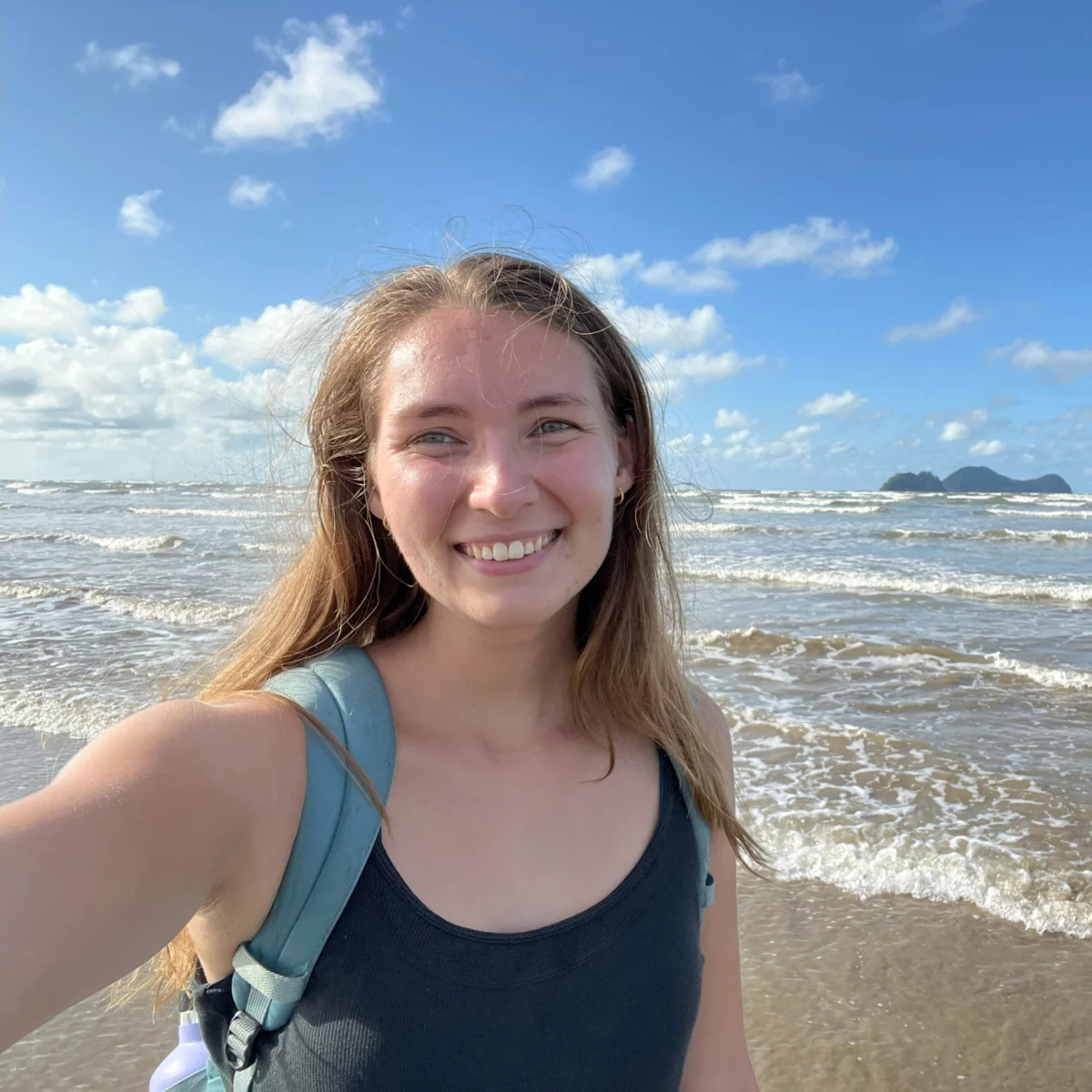
Reflecting on her experience, South East Asia Backpacker contributor Bethany Hansel noted her excitement upon discovering the venue. She shared that she was tempted to sample the entire menu and acquire items from the gift shop, while deeply admiring the organization’s mission to support an often-overlooked community in Cambodia. She even recounted meeting one of her best friends through fellow diners at the cafe.

Moving north to Siem Reap, Footprints Cafe offers a cozy book café and coworking space nestled within the peaceful Wat Bo neighborhood. Conceived as an ethical business model designed to help tourists generate a sustainable, positive impact on local communities, the café fosters a supportive work environment centered on long-term career training and professional skills development. Recognized as a leader in sustainable business practices throughout Siem Reap, the establishment exclusively utilizes ethically and locally sourced products. Furthermore, 100 percent of the net profits generated by Footprints are returned directly to the local community in the form of educational and entrepreneurial grants, overseen by a fair local committee. The menu features a robust selection of comfort foods, ranging from pancakes and nourishing curries to burgers, accommodating both plant-based diets and meat lovers. Hansel described the venue as her preferred local spot for dining, working, and relaxing, praising the friendly staff, exceptional food, and warm atmosphere.
In Phnom Penh, Friends the Restaurant operates under the umbrella of Friends-International, one of the earliest Cambodian-founded, youth-led non-governmental organizations dedicated to assisting street children. Established in 1994, the organization has evolved into a respected entity focusing primarily on child protection and ensuring that marginalized youth grow up safely within healthy environments. Vocational training remains a cornerstone of their approach, offering at-risk youth practical skills and stable employment opportunities to support themselves and their families. Students receive comprehensive support including free meals, clothing, medical care, and safe housing to eliminate common socioeconomic barriers. The restaurant serves a diverse selection of Asian dishes, from Thai chicken curry to the national staple, fish amok, alongside vegetarian specialties like fried oyster mushrooms and green mushroom curry, as well as seafood selections. Additionally, the venue operates alongside an entire hub of youth-run enterprises, allowing visitors to patronize an adjacent beauty salon, nail bar, or gift shop with the assurance that all proceeds support local youth.

In Siem Reap, Haven provides an intimate, tropical dining environment illuminated by warm fairy lights and accompanied by the ambient sounds of the evening. The establishment focuses on job training and professional development for vulnerable young adults transitioning out of shelters and impoverished regions, equipping them with essential life skills for personal and professional growth. Haven’s menu highlights Khmer classics such as curry, lok lak, and amok, alongside comforting Western pasta and burger dishes. While open throughout the day, evening visits offer a uniquely atmospheric experience.
Operating in Battambang since 2014, Jaan Bai functions as the social enterprise division of the Cambodian Children’s Trust, an organization dedicated to dismantling the root causes of poverty through locally owned public systems of social support. The trust’s comprehensive Village Hive model addresses poverty alleviation by strengthening public health and education systems, providing financial literacy and vocational training, and maintaining crisis services such as counseling and disaster relief. This framework has subsequently served as a national reference for social protection policies in Cambodia. Jaan Bai provides stable employment for local youth while prioritizing organic, seasonal, and locally sourced ingredients. Embracing traditional shared dining customs, the restaurant invites patrons to sample multiple dishes, including wholesome bao buns, chicken satay, and regional curries. The name Jaan Bai translates directly to "rice bowl" in the Khmer language.

Rounding out the regional initiatives, Sister Srey Cafe in Siem Reap began as a social enterprise founded by two Australian sisters and has since transitioned into an entirely Khmer-owned establishment. Recognizing that many local students struggle to balance education with familial financial responsibilities, the café employs scholars while providing flexible work schedules, comprehensive job training, English language education, and personal development opportunities. Crucially, all profits generated by Sister Srey are funneled directly into supporting APOPO, an international non-governmental organization dedicated to clearing landmines throughout Cambodia. Serving a diverse menu of burgers, fresh salads, rich desserts, and vibrant stir-fries alongside artisanal coffee, the venue has established itself as an iconic brunch destination and a recognized blueprint for ethical and sustainable business practices within the region.