For food enthusiasts tracking global culinary traditions, few dishes capture the vibrant essence of Southeast Asian street food quite like Thailand’s iconic mango sticky rice. Known locally as khao neow mamuang, this beloved dessert pairs warm, glossy grains of glutinous sweet rice infused with rich coconut cream alongside slices of perfectly ripe yellow mango. As seasonal mango harvests sweep across Thailand, filling markets from Chiang Mai to Bangkok with the sweet aroma of tropical fruit, this culinary staple emerges as a symbol of comfort, tradition, and culinary artistry.
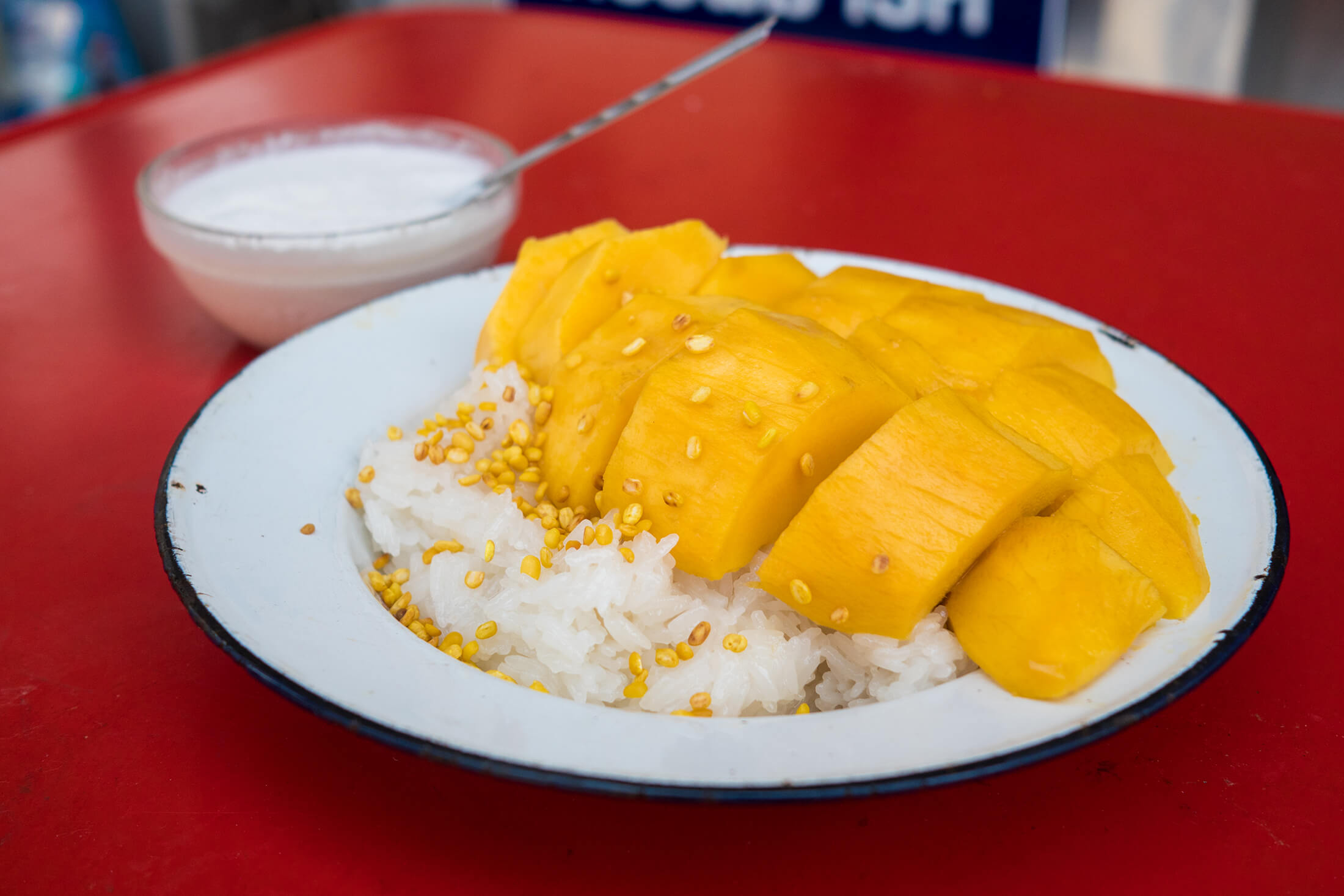
While travelers often experience this delicacy at bustling roadside stalls and vibrant night markets, recreating the authentic street food style at home is entirely achievable with the right ingredients and technique. Understanding the cultural significance and meticulous preparation behind the dish reveals why it remains one of Thailand’s most enduring and celebrated culinary exports.

What is Thai Mango Sticky Rice?
In the Thai language, khao neow translates to glutinous or sticky rice, while mamuang refers to the mango. Within the landscape of Thai cooking, sticky rice serves as the foundational staple starch of northern and northeastern cuisine, known as Isaan, while also playing a starring role in an array of traditional desserts.

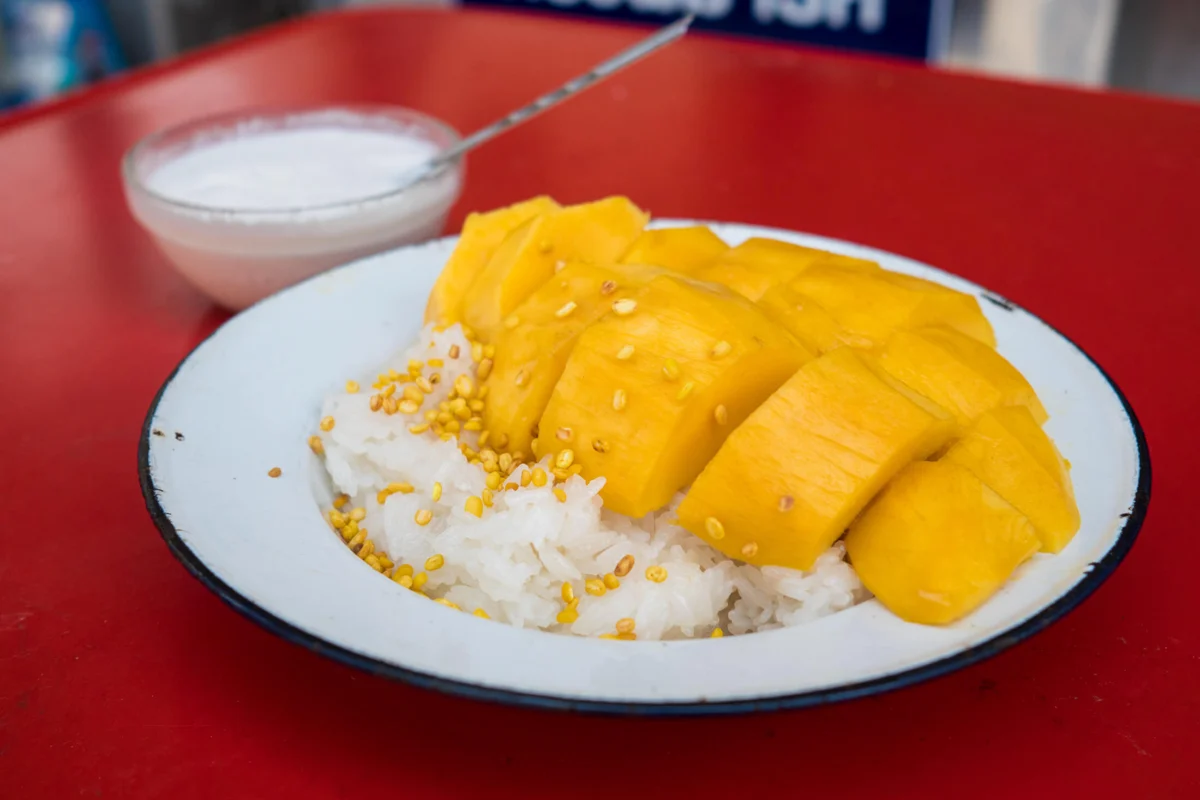
The traditional preparation involves steaming the sticky rice before folding it into a warm mixture of thick coconut cream and sugar. This is then paired with impeccably ripe, sweet yellow mangoes. To finish the dish, vendors typically drizzle an extra layer of salted coconut cream over the top and garnish the presentation with a scattering of crispy yellow mung beans, adding a subtle crunch that balances the rich, velvety textures below.

Achieving an authentic result relies heavily on sourcing high-quality ingredients, specifically premium coconut cream and exceptionally juicy, sweet mangoes that boast a smooth, silky texture rather than a fibrous one.

The Essential Components of Sticky Rice
Thai sticky rice sweetened with sugar and coconut cream forms the essential base for numerous regional desserts, but it is indispensable for a successful mango sticky rice dish. When shopping, home cooks should seek out authentic Thai sticky rice, glutinous rice, or Thai sweet rice at an Asian supermarket. This variety differs significantly from standard jasmine rice and is distinct from Chinese sweet rice varieties.

Preparing the rice requires careful attention to detail, beginning with an intensive rinsing process designed to strip away the outer starches from each individual grain. Culinary tradition dictates washing the rice multiple times—often around six rinses—while gently rubbing the grains together to release excess starch. Following this wash, the rice must soak in water for approximately six hours. This extended soaking period is a crucial preparatory step that demands foresight before beginning the recipe.

Once rinsed until the water runs completely clear rather than milky, and after absorbing moisture for six hours, the rice is drained and transferred to a steamer. While various steaming methods can yield acceptable results, traditional Thai and Laotian methods utilize a specialized bamboo basket steamer suspended over a pot of boiling water, cooking the grains through steam circulation for about fifteen minutes.

Crafting the Rich Coconut Infusion
While the rice steams, the preparation shifts to the coconut cream and sugar mixture. Authentic recipes call exclusively for rich coconut cream, known in Thai as hua kati. This ultra-thick, buttery component contains a higher fat content than standard coconut milk, providing the dessert with its signature luxurious mouthfeel.

In a medium-sized saucepan, the coconut cream is gently heated while stirring continuously in a single, consistent circular direction to prevent the delicate cream from curdling. Sugar and a measured pinch of salt are incorporated immediately, stirring continuously over heat until the sugar dissolves completely and the mixture reaches a gentle boil, at which point the heat is turned off.

The steaming hot sticky rice is then transferred into a heatproof mixing bowl, and the warm coconut cream mixture is incorporated gradually, spoon by spoon. This deliberate, incremental addition ensures the rice absorbs the liquid evenly, resulting in a glossy, pudding-like consistency where individual grains glisten with healthy coconut fats without turning mushy.

A proper tasting should reveal a balance of rich sweetness tempered by a subtle hint of salt that enhances the overall flavor profile. Because exposure to air can quickly dry out the surface, the prepared rice is typically covered with plastic wrap or kept sealed if not consumed immediately. Traditional preparation methods in Thailand avoid refrigeration, as cold temperatures degrade the delicate texture and flavor of the rice, making it best enjoyed within hours of preparation.

Traditional Toppings and the Selection of Mangoes
Common accompaniments in Thailand include an extra portion of salted coconut cream and toasted yellow mung beans, known as yellow mung dal. The remaining coconut cream is gently heated with a pinch of salt until warm, while the mung beans are dry-fried in a skillet over low heat until they turn slightly golden and develop a satisfying crispness.

The mango itself remains the defining element of the dish. Ripe, non-stringy varieties with a silky texture are vital. In Thailand, the preferred choice is frequently the mamuang nam dokmai, poetically translated as the "flower water mango." Vendors handling these prized fruits take exceptional care to preserve their pristine appearance, peeling the skin in long strips from the stem toward the tapered end before slicing generous steaks of fruit away from the central seed. These are then portioned into neat, bite-sized slices designed to sit harmoniously beside the warm coconut rice.

As mango season peaks across Thailand, street food vendors continue a daily ritual of assembling these plates for locals and visitors alike. By respecting the traditional techniques of thorough washing, patient soaking, and careful ingredient selection, home cooks anywhere in the world can successfully capture the authentic taste and spirit of Bangkok’s celebrated culinary heritage.