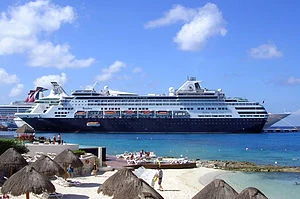
A comprehensive new study examining the holiday preferences of young Britons has revealed a notable increase in the popularity of cruise vacations among young adult travelers. Traditionally associated with older demographics and multi-generational family getaways, the cruise sector is successfully capturing the attention of a much younger demographic, challenging long-standing stereotypes about who cruises are actually for.
The research was recently carried out and released by online travel specialist bonvoyage.co.uk. To gather insights into modern travel trends, the website polled a total of 1,647 UK adults aged between 18 and 30 regarding their holiday choices and experiences over recent years. The findings offer a fascinating glimpse into how the perception of cruising is shifting among the younger generation, highlighting a distinct move away from more conventional holiday formats.
Of the young adults questioned during the survey, 17% stated that they had been on a cruise holiday within the past five years. When researchers delved deeper into the travel dynamics of these respondents, they discovered varied patterns regarding who young people prefer to travel with when taking to the seas. The vast majority, 61%, went on the cruise with their parents and other family members, pointing to the enduring appeal of multi-generational family vacations where different age groups can travel together comfortably. Meanwhile, 22% of respondents chose to cruise with a partner, and 11% embarked on their voyages as part of a group of friends, demonstrating that cruises are increasingly viewed as a viable social option for peer groups. Furthermore, 5% of those surveyed stated that they went on the cruise alone, incorporating the voyage as part of a solo traveling gap year or as part of a work experience venture.
The enthusiasm for the cruise experience did not wane once the travelers returned to dry land. When asked whether they would consider going on a cruise holiday again in the future, an overwhelming 88% of the young respondents said that they would. Demonstrating an active commitment rather than mere hypothetical interest, 9% of those surveyed stated that they had already begun the booking and planning process for their next cruise adventure.
To understand what is driving this sustained loyalty and enthusiasm, the study asked participants to choose the main reasons why booking another cruise holiday appeals to them. The top answers provide clear insight into the priorities of modern young travelers.
Topping the list, cited by 62% of respondents, was the variety of activities offered on board modern cruise ships. Today’s vessels are packed with entertainment options, ranging from state-of-the-art sports facilities and water parks to live theatrical performances, workshops, and nightlife venues, ensuring that travelers have constant access to engagement without ever feeling confined.
Coming in a close second, selected by 54% of participants, were the money-saving aspects of an all-inclusive cruise. By bundling accommodation, food, drink, and entertainment into a single upfront price, cruises offer young adults a predictable and manageable way to budget their holiday spending. This financial clarity is particularly attractive to young adults who may be navigating the early stages of their careers and managing tighter disposable incomes.
The third most popular reason, chosen by 44% of respondents, was that it is significantly less stressful to organize and book excursions through a cruise line than it is to independently plan travel logistics, transport, and sightseeing tours while visiting foreign countries. This seamless convenience allows travelers to maximize their leisure time and minimize the organizational headaches typically associated with complex multi-destination travel.
Ranking fourth, cited by 37% of those surveyed, was the unique opportunity to visit multiple destinations in a single holiday. Instead of being tied to one hotel resort or city for the duration of a trip, cruisers can unpack once and wake up in a different port, country, or even continent, making it an efficient way to see the world.
Finally, 23% of participants stated that cruises are simply more appealing than alternative holiday options, indicating a broader cultural shift in how young people view leisure travel compared to the traditional offerings of past decades.
Supporting these survey findings, bonvoyage.co.uk also reported an impressive 38% increase in the actual number of 18-to-30-year-olds booking cruises through their platform over the past year. This concrete surge in bookings confirms that the growing interest reported by survey respondents is translating directly into commercial growth within the travel industry.
Steph Curtin, Cruise Development Manager at bonvoyage.co.uk, offered professional commentary regarding the findings of the study, shedding light on the broader industry shifts driving these numbers.
“I cannot say that I am at all surprised that the popularity of cruises seems to be rising among the 18-30s, who are clearly bored with the traditional types of beach holidays that seem to be associated with their age groups,” Curtin commented. She emphasized that the value proposition of modern cruising is difficult to ignore, noting that for the exact same price as a standard two-week self-catering beach holiday, a traveler can secure a comprehensive, high-quality all-inclusive cruise experience that covers far more ground and offers greater convenience.
Addressing the persistence of outdated perceptions, Curtin continued by noting that while stereotypes persist, the industry itself has evolved rapidly to meet changing demands. “There may be some sort of stereotype that cruises are only for middle-aged and elderly holidaymakers, but cruise companies are continually introducing new activities and forms of entertainment on board. There are also more excursions targeted at younger people being offered to customers on board many ships.”
Adding further industry context to the financial appeal highlighted by the survey, Cruise Market Watch noted that the economic advantages of cruising are likely to become even more pronounced in the near future. Industry analysts expect the financial attractiveness of all-inclusive packages to grow steadily, particularly as the relative costs of traditional air travel and land-based hotel accommodations have increased over recent years compared to the stable pricing structures often found within the cruise sector. As cruise lines continue to adapt their offerings to court younger travelers, the demographic landscape of cruise passengers is poised to undergo a permanent transformation.