When it comes to planning the ultimate tropical getaway, timing is everything, and a newly released data-driven analysis shows that travelers looking to set sail for the Caribbean and the Bahamas can secure substantial savings simply by understanding the industry’s pricing patterns. According to comprehensive pricing data compiled from dozens of major cruise lines, booking well in advance remains the single most effective strategy for travelers hoping to maximize their vacation budgets without compromising on the quality of their voyage.
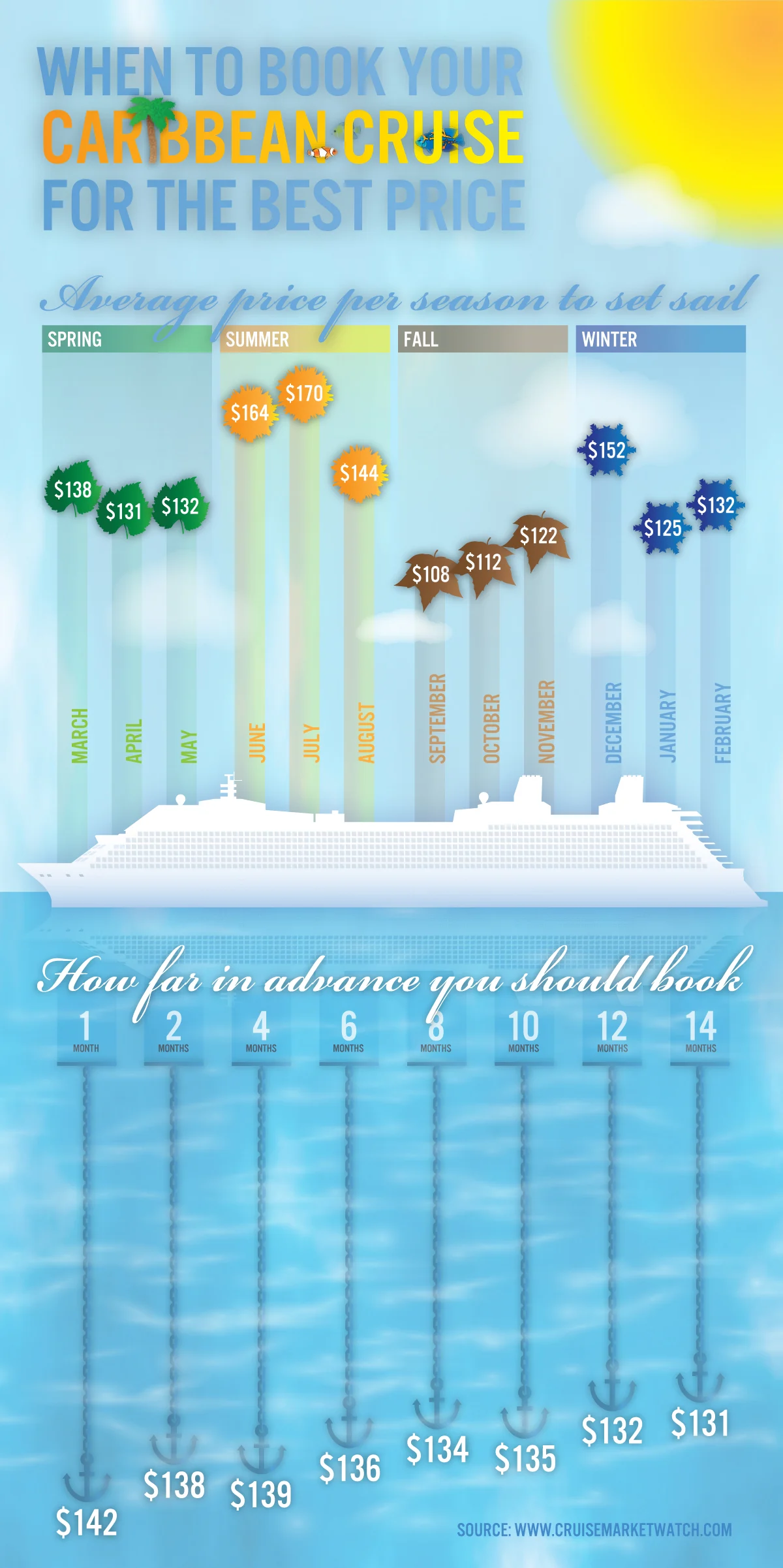
The insights are drawn from an extensive examination of actual pricing metrics across 26 distinct cruise lines and 144 individual cruise ships. Encompassing more than 7,500 sailings across the Caribbean and the Bahamas over a multi-year observation period from September 1, 2010, to November 30, 2013, the findings offer a definitive framework for prospective passengers. By analyzing total weighted average prices calculated on a per-person, per-day basis across all cabin categories, industry researchers have been able to construct a clear picture of how market demand dictates cruise pricing over time.
For travelers, this research serves as an essential foundation for the early stages of vacation planning. Before diving into the finer details of an itinerary—such as narrowing down specific island destinations, determining the ideal duration of the trip, selecting a preferred cabin type, or evaluating different ship segments—understanding the broader seasonal and temporal trends can lead to dramatic cost reductions. The underlying takeaway from the data is straightforward: a modest amount of advance planning can translate into significant daily savings for every passenger on board.
Interestingly, the economic behavior of Caribbean cruise pricing stands in sharp contrast to other popular regions, most notably Europe. Travelers who have previously monitored market trends for European voyages might be accustomed to last-minute price drops or fluctuating fares that reward spontaneous decision-making. However, the Caribbean market operates under a entirely different set of economic rules.
According to the analysis, Caribbean cruises consistently become more expensive with each passing month as the scheduled departure date draws closer. This upward trajectory means that prospective cruisers face virtually no financial penalty or risk of missing out on distressed inventory by booking far ahead of time. In fact, the data demonstrates that waiting to reserve a cabin typically results in paying a premium, reinforcing the traditional wisdom that early planners reap the greatest rewards in the Caribbean cruise sector.
This distinct pricing structure provides a reliable roadmap for consumers who prefer to organize their vacations months, or even years, in advance. Because prices scale upward steadily as capacity fills and departure dates approach, securing a reservation early allows travelers to lock in rates at their lowest possible thresholds. This early commitment not only protects passengers from inflationary price jumps as the ship approaches maximum capacity, but it also opens up a wider selection of preferred staterooms, dining times, and onboard amenities that might otherwise be unavailable by the time late planners decide to make a move.
The breadth of the underlying data ensures that these observations reflect true market-wide tendencies rather than isolated promotional anomalies. By synthesizing thousands of distinct sailings from a diverse cross-section of the cruise industry, the research accounts for the variables that typically complicate vacation budgeting. Whether a traveler is considering a short weekend getaway to the Bahamas or an extended voyage through the Southern and Eastern Caribbean, the fundamental rule regarding booking windows remains consistent.
Ultimately, the release of these pricing insights underscores the shifting dynamics of modern travel planning. As consumers navigate an increasingly complex marketplace filled with varying fare structures, promotional discounts, and fluctuating demand, access to empirical pricing data provides a valuable tool for financial prudence. By recognizing that Caribbean itineraries reward early commitment rather than last-minute hesitation, travelers can approach the planning process with greater confidence, ensuring they secure the best possible value for their investment in a well-earned vacation at sea.