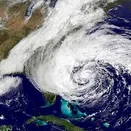
As Hurricane Sandy makes its historic and destructive approach toward the United States Eastern Seaboard, the maritime and cruise tourism industries are facing unprecedented disruptions. Major cruise lines operating out of key ports ranging from Massachusetts down to Virginia are scrambling to manage schedule changes, passenger safety protocols, and port closures. With millions of residents in the path of the massive storm, cruise operators have had to make difficult decisions regarding scheduled departures, passenger embarkation, and vessel positioning to keep travelers and crew out of harm’s way.
Cruise Market Watch has compiled a comprehensive overview of the scheduled sailings directly impacted by the severe weather system. The data highlights a staggering number of travelers whose vacation plans have been disrupted by the severe meteorological event unfolding across the Northeast and Mid-Atlantic regions. Ports from Boston to Norfolk are experiencing logistical gridlock as terminal operations stall, maritime traffic is restricted, and airlines cancel flights, leaving many passengers stranded or unable to reach their departure points.
Port-by-Port Breakdown of Affected Sailings and Passenger Impacts
The disruption spans several major departure hubs, beginning in the north with Boston, Massachusetts. At the Port of Boston, the Royal Caribbean vessel Jewel of the Seas was scheduled for a departure on October 28, 2012. This single sailing alone accounts for 2,234 passengers whose travel itineraries were thrown into uncertainty as the storm gathered strength in the Atlantic Ocean, threatening coastal New England with heavy winds and storm surges.
Moving down the coast to New York City, one of the busiest and most heavily populated maritime hubs in the United States, multiple major cruise liners face severe operational hurdles. The Caribbean Princess, operated by Princess Cruises, was scheduled to depart on October 31, 2012, carrying 3,301 passengers. Meanwhile, Carnival Cruise Line’s Carnival Miracle was slated for an October 29 departure with 2,251 passengers onboard. Luxury cruising has also been affected, with the Crystal Symphony scheduled to depart from New York on October 31 with 1,018 passengers.
Norwegian Cruise Line is similarly impacted in the New York market. The Norwegian Gem was scheduled to depart on October 29 with 2,529 passengers, while its sister ship, the Norwegian Jewel, had a scheduled departure on October 28 carrying 2,544 passengers. Adding to the heavy volume in New York, the iconic transatlantic liner Queen Mary 2, operated by Cunard Line, was scheduled for a major departure on October 28, accounting for a substantial 5,554 passengers. New York City port facilities have faced intense scrutiny as local authorities prepare for catastrophic flooding and wind damage across the metropolitan area.
Further south in New Jersey, the Port of Bayonne is experiencing immediate disruptions. Royal Caribbean’s massive Explorer of the Seas was scheduled for a departure on October 28, affecting 3,301 passengers. Bayonne, situated directly across the harbor from New York City, is bracing for severe coastal flooding, making cruise terminal operations nearly impossible as local infrastructure shuts down ahead of the storm’s landfall.
In Maryland, the Port of Baltimore is halting operations for its primary scheduled service. Carnival Cruise Line’s Carnival Pride was scheduled to depart on October 28, carrying 2,251 passengers. Baltimore port authorities and cruise terminal management are coordinating closely with local emergency services to manage the vessel’s schedule and ensure that embarking passengers are properly notified of delays or itinerary modifications.
Rounding out the Mid-Atlantic region, the Port of Norfolk in Virginia is also seeing disruptions. Carnival Cruise Line’s Carnival Glory was scheduled to depart on October 28, carrying 3,152 passengers. While Virginia is positioned further south from the core projected landfall zone of Hurricane Sandy, the expansive wind field and rough seas generated by the massive storm system have necessitated extreme caution among maritime operators in the Hampton Roads area.
Aggregate Passenger Impact and Industry Response
The sheer scale of the disruption is reflected in the cumulative passenger numbers compiled for these specific departure dates. On October 28, 2012, a total of 19,038 passengers were scheduled to set sail across the various affected ports, representing the largest single-day concentration of disrupted travelers during this crisis. As the storm advanced into October 29, an additional 4,781 passengers faced delayed or disrupted departures. Looking ahead to October 31, another 4,318 passengers are confronting altered cruise schedules. In total, tens of thousands of vacationers are directly impacted by Hurricane Sandy’s unprecedented reach.
Cruise lines are working around the clock to communicate updates to affected travelers, offering options that include future cruise credits, full refunds, or rescheduled itineraries once ports are deemed safe to reopen by the United States Coast Guard and local port authorities. Marine operations teams are continuously monitoring the track and intensity of Hurricane Sandy, prioritizing the safety of passengers and crew above all else as the historic storm bears down on the American coastline.