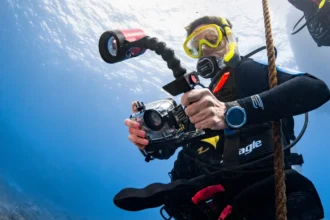
Despite the pervasive nature of the human footprint, which often leads to the assumption that we have charted every corner of our planet, the reality of biological exploration remains a work in progress. A staggering majority of deep-sea habitats remain largely untouched by human intervention, and scientists estimate that as many as two million marine species are still waiting to be discovered and cataloged. This serves as a humbling reminder that we have only managed to identify and describe a small fraction of the life that exists within our oceans.
The era of discovering large, charismatic megafauna—such as new species of whales or dolphins—has largely drawn to a close. Modern marine biology now operates on a different scale, focusing on a vast, hidden "micro-universe." Contemporary discoveries are frequently comprised of tiny, elusive organisms, such as micro-crustaceans, small mollusks, and marine worms measuring only a few millimeters in length. According to data from the Ocean Census, this work is far more productive than one might expect, with researchers describing as many as 1,121 new marine species in a single year.

The Science of Naming New Species
When a discovery is made, researchers must adhere to the rigorous, long-standing rules of binomial nomenclature. This system of taxonomy ensures that every organism is assigned a two-part scientific name: a capitalized, italicized genus name, followed by a lower-case, italicized species name. This standard has been in place for centuries, providing a universal language for biologists. For instance, humans are classified as Homo sapiens, bottlenose dolphins as Tursiops truncatus, and green sea turtles as Chelonia mydas.
While the individual who discovers a species holds the privilege of proposing its name, the scientific community maintains strict etiquette. It is considered poor form for a researcher to name a discovery after themselves. Instead, scientists typically opt for names rooted in Latin or Greek that highlight the organism’s unique physical characteristics. A classic example is the longspine snipefish, known scientifically as Macroramphosus scolopax. The name is derived from the Greek words makros (long), rhamphos (beak or snout), and skolopax (woodcock), creating a name that effectively describes the fish’s distinct, elongated features.
Occasionally, however, researchers depart from physical descriptions to pay tribute to influential figures. By naming new species after famous musicians, actors, or public figures who have shaped global culture, scientists are able to turn the traditionally dry field of taxonomy into a more engaging narrative. These honorary names serve as a bridge between the scientific world and the public, immortalizing legacies in the most unexpected of places.
Charles Darwin and Ogcocephalus darwini
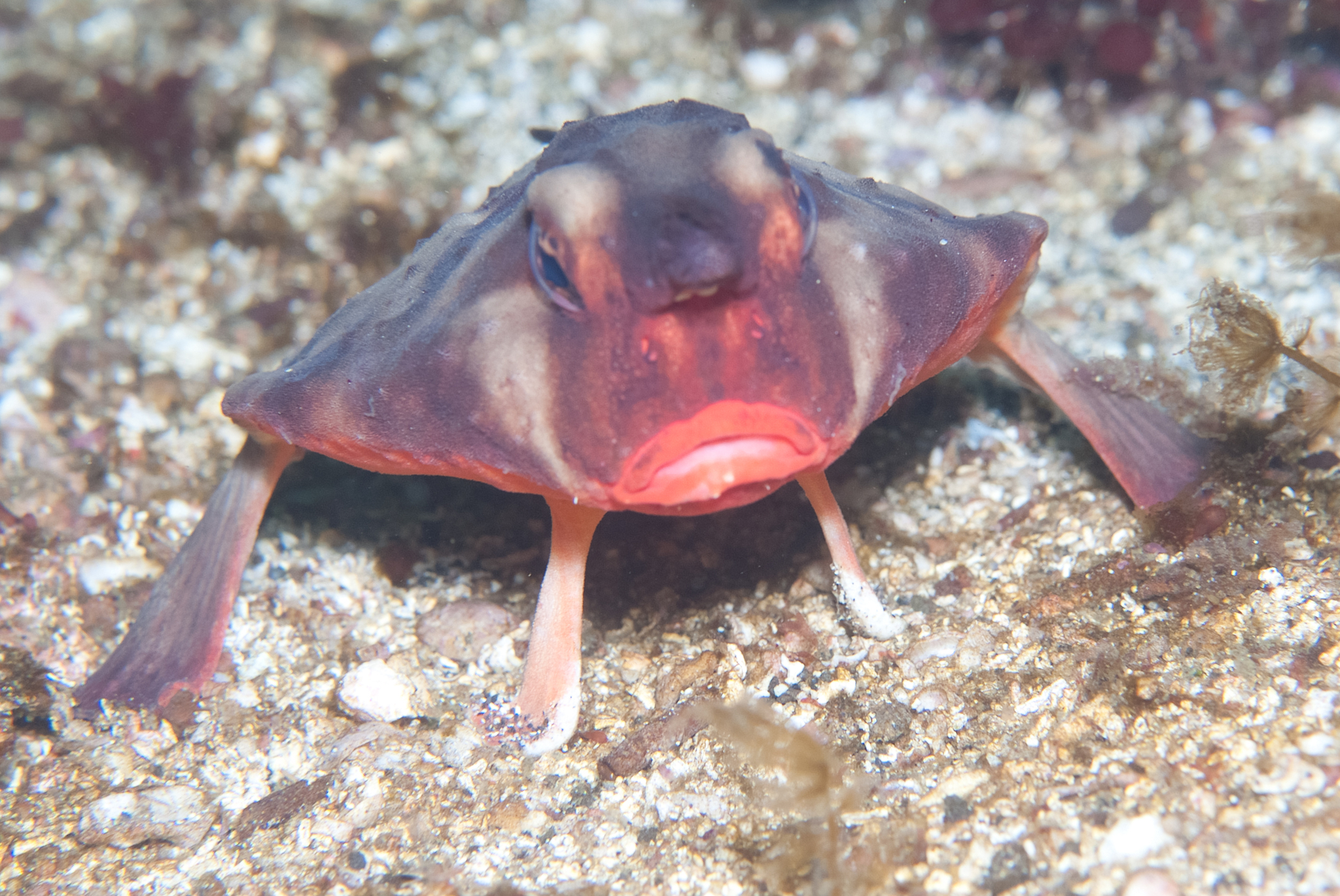
Among the most celebrated tributes in marine biology is Ogcocephalus darwini, a bottom-dwelling fish easily recognized by its striking bright red lips and an unusual, walking-like gait. Native to the sandy slopes of the Galápagos Islands, this species is named after Charles Darwin, the pioneering naturalist whose work on evolutionary theory fundamentally altered our understanding of biology. By bestowing his name upon such a distinct and quirky creature, the scientific community continues to acknowledge the profound impact of Darwin’s legacy on our understanding of life on Earth.
“Vozinha” Josimar José Évora Dias and Aldisa vozinhai
The practice of naming species extends to modern sporting heroes as well. Aldisa vozinhai is a recently discovered sea slug, a diminutive creature measuring only four millimeters in length. Its name is a direct homage to the Cape Verdean goalkeeper Josimar José Évora Dias, commonly known as “Vozinha.” Following his standout performances in the 2026 World Cup—specifically his heroic saves that surprised the football world during a match against Spain—Spanish marine biologist Professor Jesús Ortea chose to honor the athlete by naming the sea slug in his recognition.
Bob Marley and Gnathia marleyi
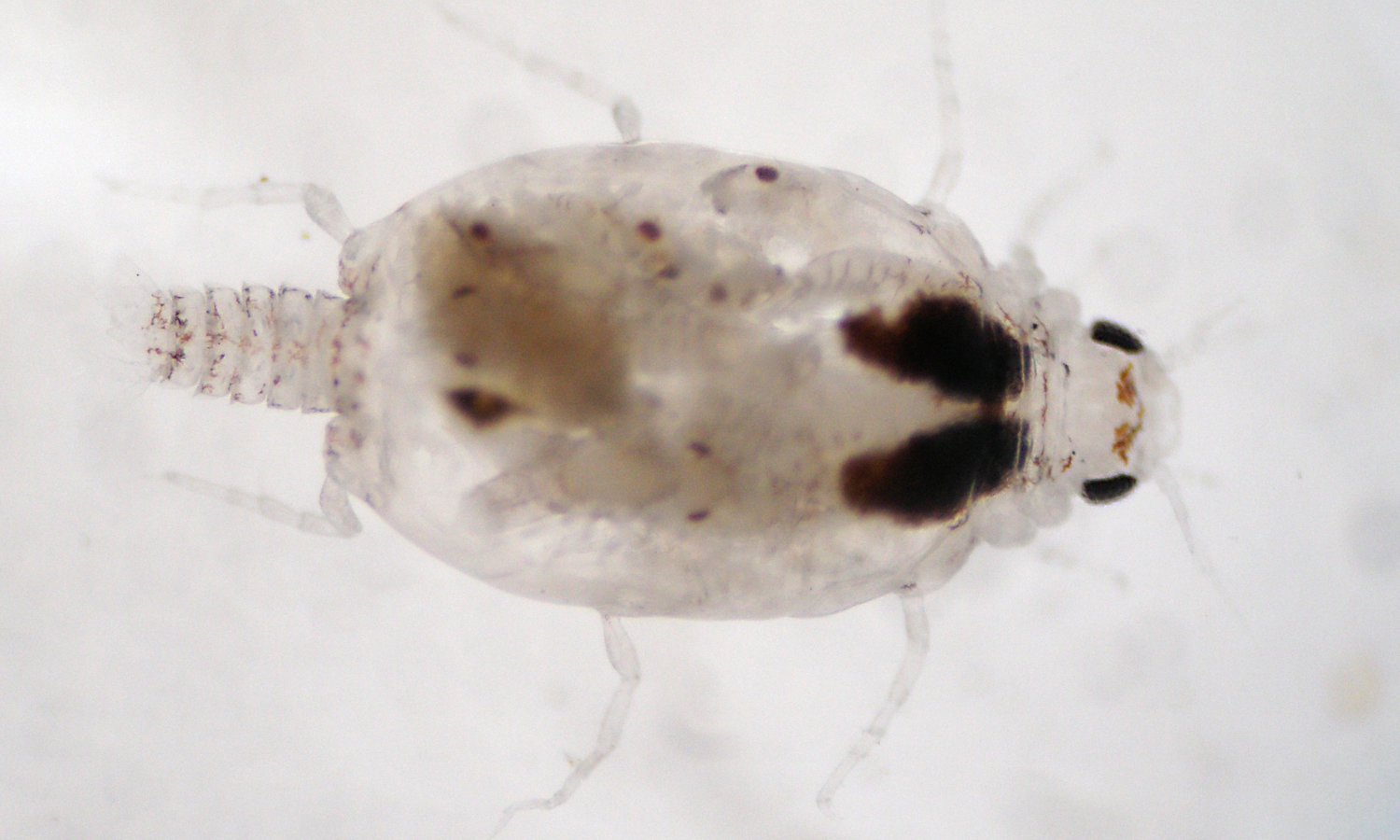
The musical world has also left its mark on the ocean floor. Gnathia marleyi is a small, blood-sucking marine parasite frequently found in the Caribbean. While the term "parasite" might not sound like a fitting tribute, the name was chosen by Professor Paul Sikkel, who discovered the species and held a deep admiration for the reggae legend. Beyond his appreciation for the artist’s music, Sikkel noted that the creature was "uniquely Caribbean," making the name a culturally relevant choice for a parasite often removed from reef fish by cleaner fish at local stations.
Michael Jackson and Mesoparapylocheles michaeljacksoni
The pop icon Michael Jackson was also immortalized in the fossil record. Mesoparapylocheles michaeljacksoni is an extinct hermit crab discovered within the fossilized shells of ancient marine snails in Spain. The paleontologists involved in the discovery explained that they listened to Jackson’s music throughout the duration of their excavation. Furthermore, they noted that the crab’s distinct claw asymmetry reminded them of the singer’s iconic stage presence and signature dance moves, prompting them to name the ancient find in his honor.
Leonardo DiCaprio and Thor dicaprio
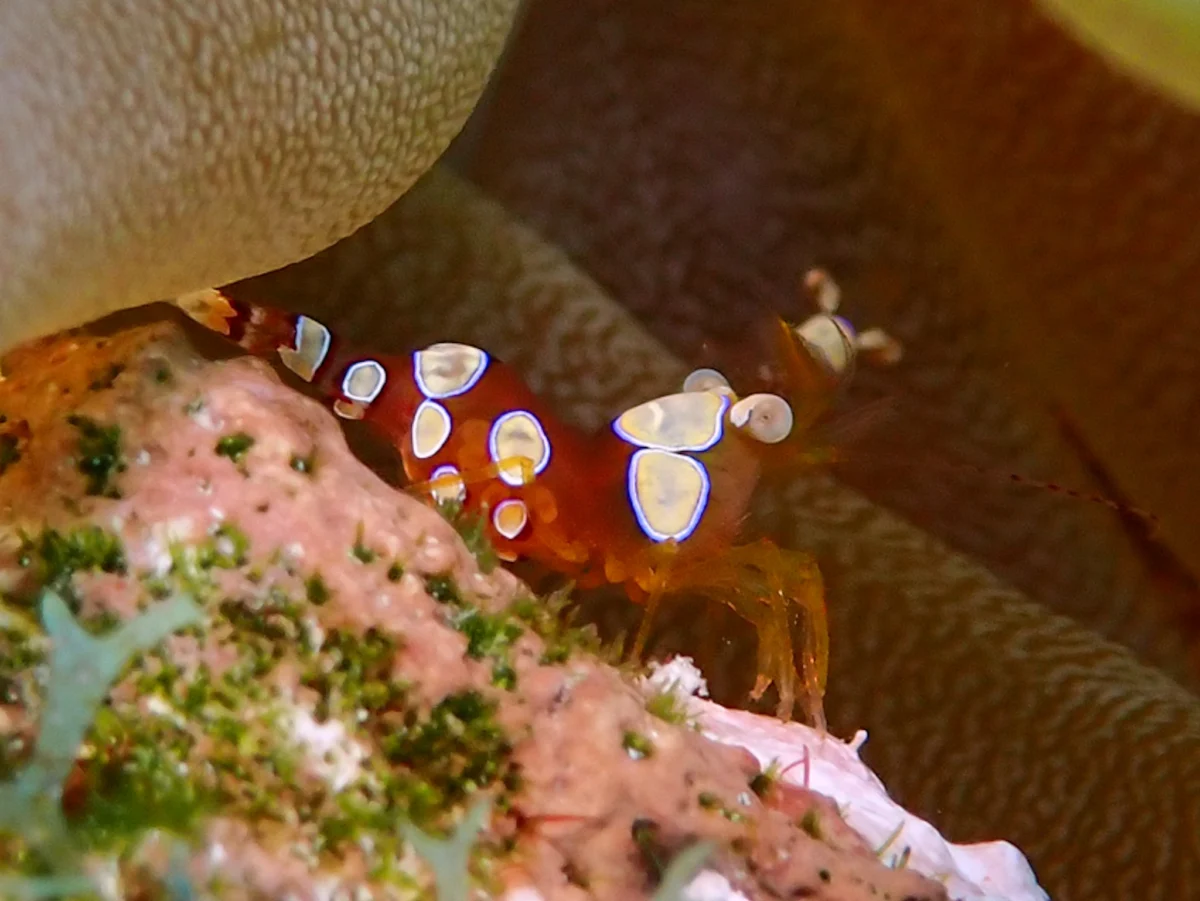
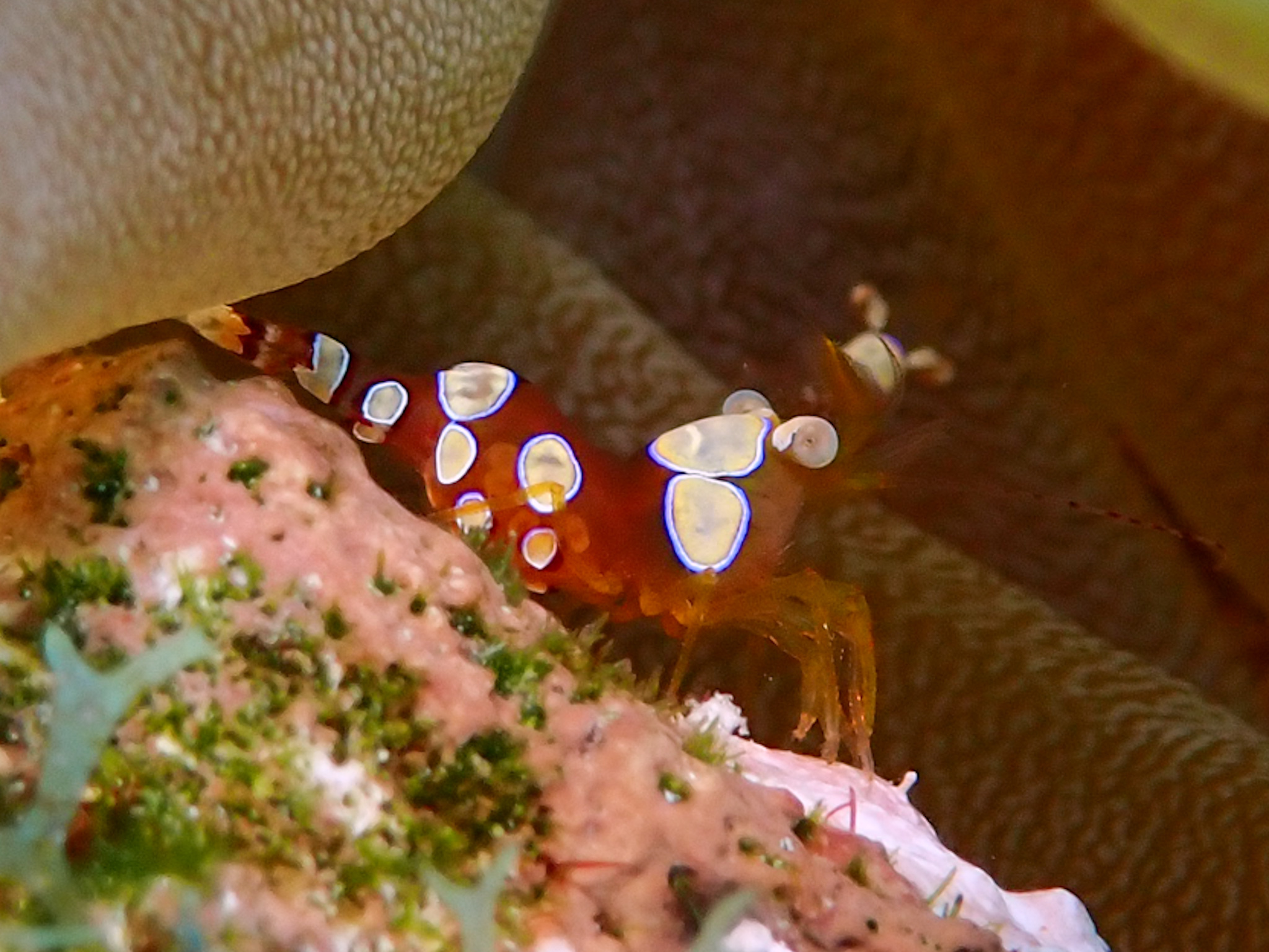
The intersection of environmental advocacy and taxonomy is perhaps best exemplified by Thor dicaprio, a small, symbiotic shrimp found in the shallow tropical waters of the western Atlantic. This crustacean, which dwells among sea anemones and corals, was named after actor and dedicated environmentalist Leonardo DiCaprio. Researchers chose the name to honor DiCaprio’s longstanding commitment to biodiversity conservation and his efforts to bring global attention to the urgent threat of climate change, effectively using the species name as a tool to highlight the importance of habitat preservation.

Sir Elton John and Leucothoe eltoni
The flair of British music legend Sir Elton John is reflected in Leucothoe eltoni, an amphipod crustacean native to the coral reefs of Indonesia and the Philippines. The species, which resides within the body cavities of sea squirts and sponges for protection, was named by a marine biologist who listened to John’s catalog throughout his career. The decision was solidified by the crustacean’s enlarged, distinct appendage, which the scientist felt bore a striking resemblance to the oversized, flamboyant footwear famously worn by the performer during his stage shows.
Pink Floyd and Synalpheus pinkfloydi
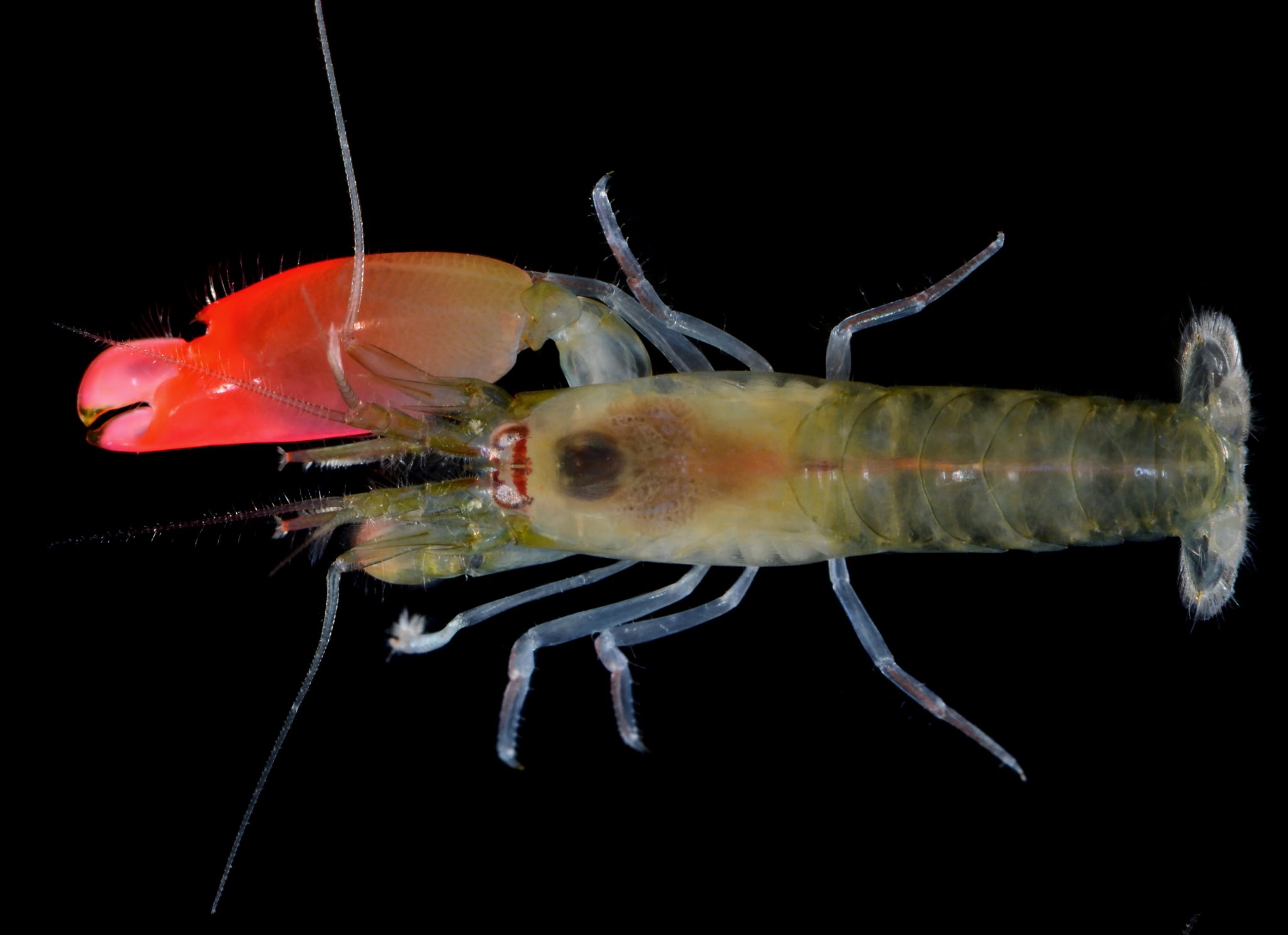
The legendary rock band Pink Floyd received a fittingly loud tribute with Synalpheus pinkfloydi. This snapping shrimp, found on the reefs of the eastern Pacific, possesses a bright pink-red claw that it snaps with such force that it creates a sound louder than a rock concert. The researchers who discovered the species were long-time fans of the band, and they found the name to be the only appropriate choice for a creature that literally brings the noise. Interestingly, the visual appearance of the shrimp has also been compared to the iconic prism-based imagery found on the cover of the band’s seminal album, The Dark Side of the Moon.
Nelson Mandela and Mandelia mirocornata
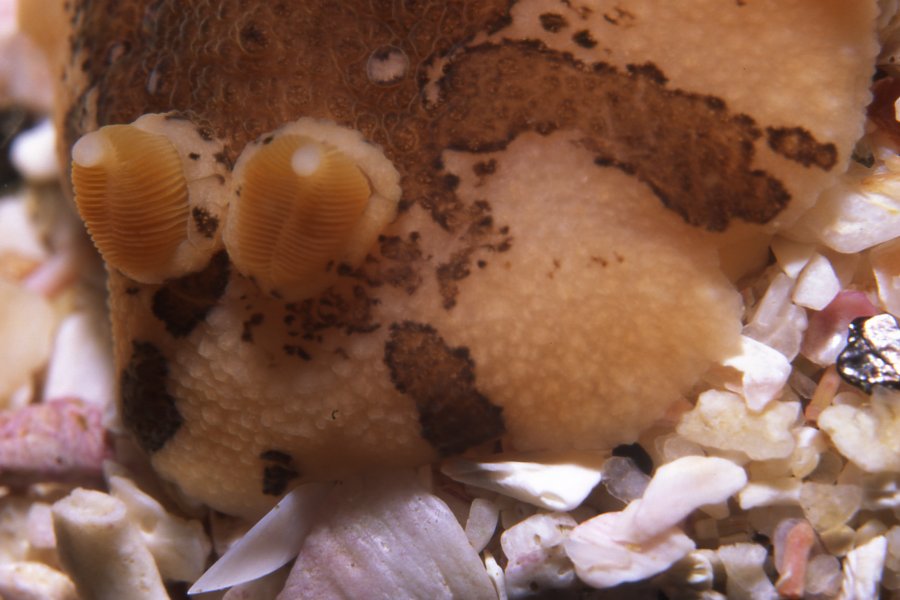
In a gesture of profound respect, the genus Mandelia was created for the sea slug Mandelia mirocornata, found along the rocky shores of South Africa. The name honors the late Nelson Mandela, recognizing his historic leadership, his tireless pursuit of justice and equality, and his deep, symbolic connection to his home country. By creating an entirely new genus to carry his name, the scientific community ensured that the legacy of the South African leader would be permanently linked to the biodiversity of the region he loved.
Dr. Jane Goodall and Gibberula goodallae
Finally, the scientific community paid tribute to the pioneering primatologist Dr. Jane Goodall by naming the microscopic sea snail Gibberula goodallae in her honor. Found in the substrate off the coast of Guadeloupe, this tiny gastropod serves as a reminder of the vastness of the natural world that Goodall has dedicated her life to protecting. Her revolutionary field research on chimpanzees changed the global perspective on animal intelligence and remains a cornerstone of modern conservation, making her a fitting namesake for a species discovered in the wild.
While these tiny, often obscure organisms may not be the primary focus for the average diver or casual observer, the stories behind their names provide a fascinating window into how scientists interact with the world around them. Each discovery is a reminder of the immense, unexplored biodiversity that remains, and a testament to the scientists who work to catalog the natural world—often finding time to pay homage to the cultural figures who have inspired them along the way.