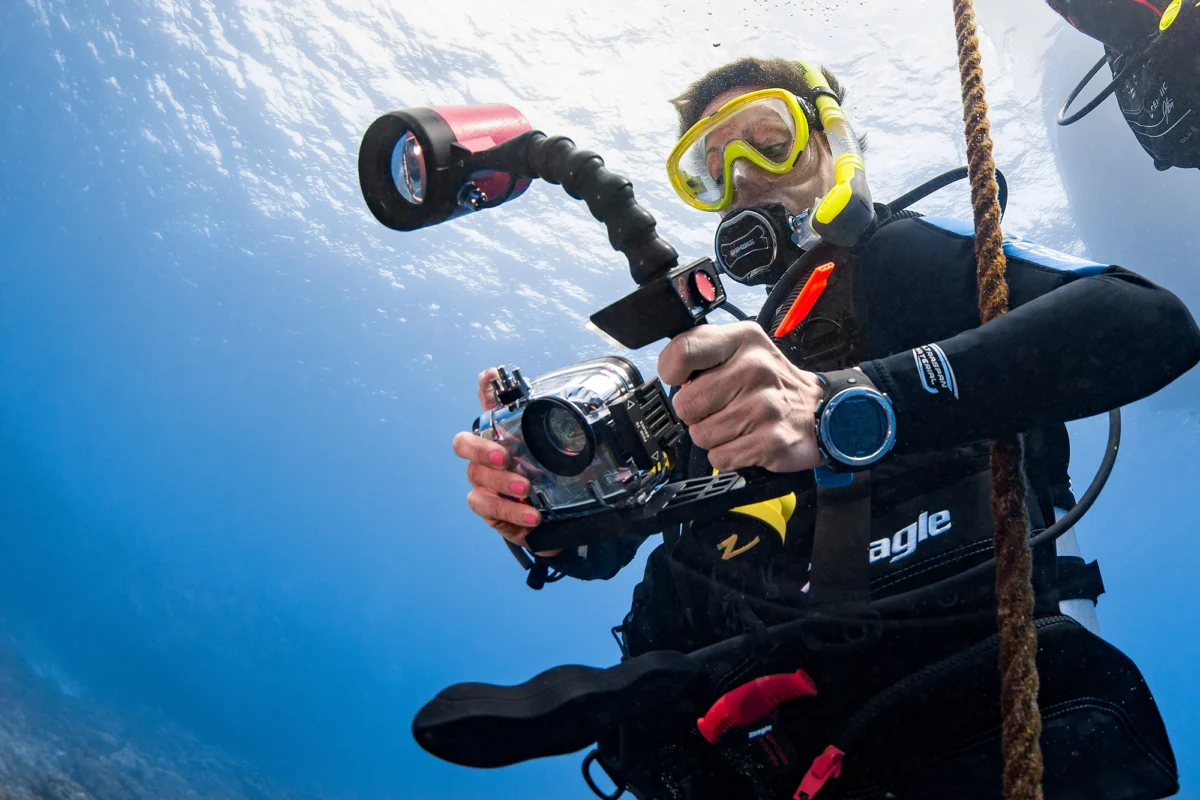
The early 2000s represented a golden age for digital photography, a period defined by the rapid ascent of the point-and-shoot camera. For millions of consumers, these devices offered a transformative blend of digital convenience and compact portability, effectively democratizing the ability to capture high-quality memories. By 2010, the global appetite for these machines was insatiable, with more than 100 million compact cameras sold annually. Within this thriving ecosystem, the scuba diving community emerged as one of the most enthusiastic demographics. Divers were captivated by the ability to bring sophisticated, user-friendly imaging systems into the underwater realm, a feat made possible by a robust industry of specialized housing manufacturers including Ikelite, Aquatica, Seacam, Light & Motion, and Sea & Sea. This synergy between hardware and adventure became so influential that it cemented the PADI Digital Underwater Photographer course as a cornerstone of the diving curriculum, placing the compact digital camera at the heart of the modern underwater experience.
However, the technological landscape shifted abruptly in 2007 with the introduction of the iPhone. Initially, the established camera industry viewed the smartphone with skepticism, if not outright dismissal. At the time, the photographic output of early mobile devices was markedly inferior to that of dedicated compact cameras, and previous attempts to integrate cameras into cellular phones had largely failed to impact the market. Because the industry failed to recognize the inherent power of a device that combined high-speed connectivity with a constant presence, they were caught off guard when, within three years, the smartphone camera began to rival traditional compacts in quality. As Android devices entered the fray and smartphone imaging technology accelerated, the consumer market underwent a seismic shift. By 2020, sales of compact cameras had plummeted to a mere 5% of their 2010 peak, leading many industry analysts to forecast the imminent extinction of the standalone compact camera.
The Predictions Were Wrong
While it is undeniable that the smartphone decimated the low-end compact camera market, the narrative that these devices were effectively "killed" by mobile technology has proven to be a premature obituary. By 2012, industry analysts began to observe a fundamental pivot within the photography sector. Recognizing that they could no longer compete on volume or convenience against the ubiquity of the smartphone, camera manufacturers redirected their resources toward high-end DSLRs and advanced mirrorless systems designed for serious enthusiasts and professionals.
This evolution did not leave the casual or recreational photographer behind. Instead, housing manufacturers followed the market’s lead, providing support for casual divers by introducing specialized underwater housings for smartphones, ensuring that the casual "snap-shooter" could continue to document their experiences. Yet, a more subtle trend has emerged in recent years: a resurgence of the dedicated compact camera. For those who desire a more intentional photographic experience than what a smartphone can offer—but who do not wish to invest in the cumbersome, complex, and expensive world of interchangeable lens systems—the modern compact camera has become an attractive middle ground. While total unit sales remain far below the peaks of the early 2000s, this new generation of compacts is carving out a sustainable, premium niche, in some cases even outpacing the sales of traditional entry-level DSLRs.
The compact cameras of today, however, bear little resemblance to their predecessors. While low-end models still exist, the most successful current offerings are high-performance tools, with some professional-grade compacts retailing for thousands of dollars, though the "sweet spot" for most enthusiasts remains in the $500 to $1,500 range. Manufacturers have successfully leveraged the massive research and development investments made in professional mirrorless systems to miniaturize advanced technology. Consequently, these new compacts address the primary limitations of smartphone photography, specifically by utilizing significantly larger image sensors that provide vastly superior resolution, low-light performance, and dynamic range. Furthermore, they offer genuine optical zoom capabilities and high-quality glass lenses, features that remain physically difficult for the slim profile of a smartphone to replicate.
Beyond the technical specifications, there is a psychological shift driving the return to the compact camera: the desire for an intentional, distraction-free shooting experience. In an era of constant digital saturation, where phones are used for emails, text messages, and social media, the dedicated camera offers a return to the act of photography itself. It provides a tactile, focused engagement with the environment that is often lost when one is tethered to a communication device. As many industry observers have noted, the smartphone did not destroy the standalone camera; rather, it forced the industry to evolve, ultimately making the surviving compact cameras stronger, more specialized, and more capable than ever before.
For Divers
The survival and technological maturation of high-end compact cameras have significant implications for the global community of divers, particularly those who identify as Ocean Torchbearers. For these individuals, the ability to document the underwater environment with high-quality imagery is essential for conservation, education, and personal discovery. While smartphone housings remain a viable and popular entry point, the modern high-end compact camera offers a distinct advantage for those looking to advance their craft without the steep learning curve and logistical burden of full-scale DSLR or mirrorless rigs.
The utility of these cameras is particularly evident in citizen science initiatives. Whether a diver is documenting marine species for the Global Shark & Ray Census, identifying and cataloging litter during a PADI AWARE Dive Against Debris survey, or capturing the biodiversity of a local reef during a community event, the superior image quality provided by a dedicated sensor and lens can be the difference between a blurry, unidentifiable image and a high-resolution, data-rich photograph that can genuinely contribute to scientific research.
For those interested in upgrading their underwater imaging capabilities, the current market offers a wealth of options, though success requires careful planning. It is critical for prospective photographers to choose their camera and housing as a unified system, as compatibility is not universal. Furthermore, the foundational skills required to excel in underwater photography—such as understanding lighting, buoyancy control, and subject composition—are best cultivated through professional instruction. The PADI Digital Underwater Photographer course remains the standard for divers seeking to transition from casual snapshots to meaningful documentation. By engaging with local PADI Dive Centers and Resorts, divers can receive expert guidance on selecting equipment that matches their specific needs and goals, whether that be documenting a local PADI AWARE project or capturing the grandeur of a remote reef.
Ultimately, the comeback of the compact camera is a testament to the enduring human desire to capture the beauty of the natural world with clarity and precision. As imaging technology continues to advance, the gap between the professional studio and the recreational diver continues to narrow, providing every diver with the tools necessary to tell the story of our oceans. Through the combination of intentional photography and a commitment to conservation, divers are not just observing the underwater world; they are playing a vital role in its protection. As we move forward, the lens remains one of the most powerful instruments for advocacy, and the modern compact camera is ensuring that this instrument remains accessible to all who wish to seek adventure and save the ocean.