Japan has firmly established itself as an essential stop on the global backpacker circuit, with Tokyo sitting at the vibrant heart of the experience. A sprawling metropolis defined by glowing neon lights, tranquil ancient temples, and an internationally renowned culinary scene, the Japanese capital offers something for every type of traveler. With strategic planning and valuable insider knowledge, visitors can navigate Tokyo’s world-class highlights and hidden neighborhoods without straining their finances.
A carefully curated one-week itinerary through Tokyo exposes travelers to the city’s most dynamic districts, iconic landmarks, and immersive cultural experiences. From the pulse-pounding energy of Shibuya Crossing to affordable traditional bathhouses and unforgettable retail adventures, this comprehensive travel blueprint outlines how to maximize a week-long stay in one of the world’s most exciting cities.
Day 1: Shibuya and Harajuku – Trendy Streets and Rooftop Views
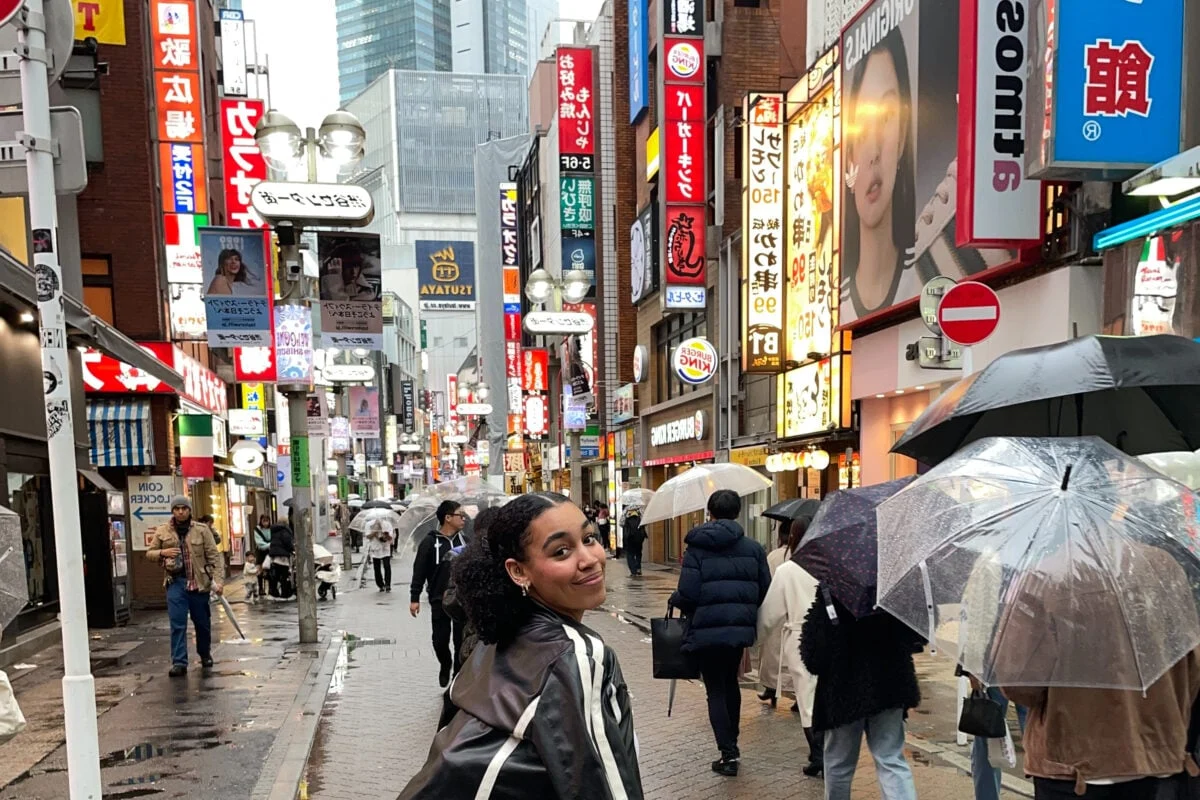
The journey begins in Shibuya, one of Tokyo’s most energetic and globally recognized commercial districts. The world-famous Shibuya Crossing stands as an essential, completely free attraction that encapsulates the sheer dynamism of the capital. Standing at the perimeter of one of the busiest pedestrian intersections on the planet delivers an unmatched sensory experience. Travelers seeking an elevated vantage point can purchase an affordable snack or coffee at the second-floor Starbucks inside Shibuya Tsutaya or utilize the Shibuya Mark City walkway, both of which offer fantastic panoramic views of the crossing at minimal cost.

Following the spectacle of the intersection, visitors can explore the surrounding commercial landscape, beginning with the Magnet 109 shopping complex. This multi-level hub houses trendy retail spaces, dedicated One Piece and Hello Kitty merchandise stores, and lively cafes. Nearby, Shibuya Parco offers a diverse mix of restaurants, hobby shops, and clothing boutiques. Gaming and anime enthusiasts can explore Nintendo Tokyo and the official Pokémon Center, while culture seekers can appreciate the creative energy housed within the building’s art galleries and event spaces.
A short walk from Shibuya leads to Harajuku, a neighborhood internationally renowned for its bold fashion subcultures and youthful spirit. Walking down Takeshita Dori reveals an eclectic mix of independent boutiques, vibrant dessert stands, and colorful storefronts. Even without making a purchase, window shopping along this bustling corridor serves as a major highlight of the district.
For lunch, travelers can experience a staple of Japanese daily life by visiting a local convenience store, known locally as a konbini, such as Lawson or 7-Eleven. These establishments offer an impressive array of high-quality, budget-friendly meal options, including onigiri, bento boxes, and fresh sandwiches, typically costing less than ten USD. Afterward, a short trip to nearby Yoyogi Park offers a tranquil escape, where visitors can stroll beneath flowering cherry blossoms and enjoy a peaceful moment of nature amidst the urban landscape. The evening can conclude at a local izakaya, a traditional Japanese pub offering reasonably priced set menus designed to showcase a variety of authentic dishes in a casual atmosphere.

Day 2: Shinjuku – Skyscrapers, Authentic Eats, and Nightlife
The second day centers on Shinjuku, a bustling ward anchored by one of the world’s busiest railway stations and characterized by a vast labyrinth of retail, dining, and nightlife options. The morning offers a peaceful contrast at Meiji Jingu, a revered Shinto shrine nestled within a dense forested sanctuary that provides an immediate respite from the surrounding urban rush. Following this cultural excursion, visitors can head to the observation deck of the Tokyo Metropolitan Government Building. Admission to the deck is entirely free and grants sweeping views of the sprawling city skyline, with clear days occasionally revealing the distant silhouette of Mount Fuji.
When mealtime arrives, travelers can explore Omoide Yokocho, a narrow historic alleyway packed with compact eateries serving traditional grilled skewers and other local delicacies. The atmosphere here remains intensely authentic, lively, and gentle on the wallet. To experience Tokyo’s legendary nocturnal culture, the evening can wrap up in Golden Gai, a dense cluster of diminutive alleyways housing hundreds of character-filled micro-bars. While beverage prices can vary, the unique historic atmosphere and the opportunity to converse with local residents and fellow travelers make the district a compelling destination.
Day 3: Asakusa and Sensoji Temple – Tradition and Street Food Galore
Day three shifts the focus toward Tokyo’s historic downtown in Asakusa, home to the city’s oldest and most significant Buddhist temple, Sensoji. Entry to the sacred grounds is free, allowing visitors to explore the sprawling complex, featuring a striking red pagoda that contrasts sharply with the surrounding modern architecture. Directly adjacent to the temple lies Nakamise Street, a historic approach lined with generations-old family shops and street food stalls offering traditional snacks and handcrafted souvenirs.

Culinary exploration in the area includes standout treats such as the sweet potato crème brûlée at Imo Pippi, a rich and inventive dessert that has become a favorite recommendation among visitors. The surrounding streets invite hours of aimless wandering, allowing travelers to discover unique mementos and regional snacks. For a substantial meal, Asakusa offers numerous traditional restaurants specializing in tempura and ramen. Set meals featuring crisp tempura, steamed rice, and miso soup provide excellent value, while establishments like the famed Ichiran ramen chain deliver a globally celebrated dining experience for noodle enthusiasts.
Day 4: Akihabara and Don Quijote – Electric Town and Budget Shopping
For technology enthusiasts, gamers, and fans of anime, Akihabara represents an essential destination. The district is defined by towering multi-story electronics department stores, including Yodobashi Camera and Bic Camera, alongside specialized retail hubs like Animate and Mandarake. Exploring the vibrant streets and browsing the endless shelves of video games, manga, and electronics offers a uniquely immersive cultural experience, even for those traveling without shopping agendas.
For affordable retail therapy, the ubiquitous discount chain Don Quijote serves as a comprehensive one-stop shop. These multi-level stores stock everything from snacks and cosmetics to novelty souvenirs and practical travel essentials. Nearby, popular one-hundred-yen shops such as Daiso and Seria provide additional avenues for acquiring inexpensive souvenirs and everyday items. The neighborhood also features numerous casual eateries serving accessible Japanese staples like curry, ramen, and tonkatsu, ensuring that dining remains affordable throughout the day.

Day 5: Tsukiji Market and TeamLab – Fresh Flavours and Immersive Art
The fifth day begins early at the Tsukiji Outer Market, a bustling hub where visitors can sample an array of fresh seafood, sushi, and street food at reasonable prices. The market offers an energetic environment to try grilled seafood skewers, sweet rolled omelets, and various traditional snacks, alongside kitchenware and specialized food souvenirs. The sensory experience of the sizzling grills and local delicacies makes Tsukiji a vital stop for culinary tourists operating on a budget.
Later, travelers can transition from culinary arts to digital innovation at TeamLab Planets, a groundbreaking digital art museum featuring immersive light installations and interactive, nature-themed environments. While the attraction requires an admission fee of approximately 3,600 Japanese yen, visitors consistently find the cost justified by the opportunity to walk through avant-garde spaces that dissolve the boundaries between art, technology, and the natural world. Standout installations include the Infinite Crystal Universe and the Floating Flower Garden. Alternatively, TeamLab Borderless in Azabudai Hills offers a distinct yet equally mesmerizing collection of permanent installations, allowing travelers to select the experience that best aligns with their personal itinerary.
Day 6: Public Sento Experience and Neighbourhood Wandering
To engage directly with traditional Japanese bathing culture without the higher costs associated with resort-style hot springs, travelers can visit a public sento, or traditional neighborhood bathhouse. Unlike commercial onsens, sentos offer an affordable, locally authentic environment for relaxation and hygiene, typically costing 1,000 Japanese yen or less. Facilities generally feature hot immersion baths, saunas, and occasionally outdoor soaking areas. Notable examples in Tokyo include Sakaeyu Sentō in Taito City and Kohmeisen in Meguro, though numerous other neighborhood bathhouses operate across the capital. Travelers should note that tattoo policies vary among individual bathhouses, making it advisable to verify tattoo-friendly establishments in advance.

The remainder of the day can be dedicated to exploring neighborhoods previously missed or slated for rediscovery. Whether browsing independent cafes and vintage clothing boutiques in Shimokitazawa or exploring the cluster of museums in Ueno Park, Tokyo consistently offers fresh avenues for urban exploration.
Day 7: Last Shopping Day and Food Crawl
The final day of the itinerary provides an opportunity to revisit favorite districts or investigate new commercial hubs such as Ginza or Roppongi, alongside comprehensive food crawls through local markets and neighborhood eateries. For travelers departing via Narita Airport, proximity to Naritasan Shinshoji Temple or AEON Mall Narita allows for convenient last-minute sightseeing and shopping. Conversely, those flying out of Haneda Airport can enjoy waterfront views and specialized retail complexes like Tokyo Pop Town located in Terminal 3. Both major aviation hubs remain efficiently connected to central Tokyo through reliable and affordable rail and bus networks.
Tokyo continues to prove itself as a remarkably accessible destination for independent and budget-conscious travelers. By leveraging efficient public transportation systems, utilizing affordable dining options ranging from convenience stores to neighborhood markets, and balancing iconic sights with free cultural landmarks, exploring the Japanese capital remains an achievable and unforgettable endeavor.