MGM Resorts International has officially brought an end to its exploratory merger discussions with IAC Inc., the holding company led by media mogul Barry Diller. The move, confirmed through a regulatory filing on Wednesday, marks a significant turning point in the relationship between the hospitality giant and its largest individual shareholder. Rather than proceeding with a transformative consolidation of the two entities, the companies have opted to solidify their long-term governance alignment through a revised voting agreement, effectively signaling that MGM will continue to operate as an independent entity focused on its core gaming and digital expansion strategies.
The decision to terminate merger talks follows a period of speculation regarding the potential integration of IAC’s digital prowess—which includes a vast portfolio of media and marketplace brands—with the sprawling physical and digital footprint of MGM Resorts. By opting to amend their existing governance pact rather than pursuing a merger, both parties appear to be prioritizing stability and board consensus over the complexities and potential regulatory hurdles associated with such a large-scale corporate combination.
Under the terms of the newly disclosed agreement, IAC and its chairman, Barry Diller, have committed to voting their substantial stake in MGM Resorts in alignment with the recommendations of the MGM board of directors. This development is a critical stabilization measure for MGM, as it ensures that the company’s largest shareholder remains tethered to the strategic vision set forth by the current leadership team, led by CEO Bill Hornbuckle.
A Relationship Rooted in Digital Ambition
The connection between MGM Resorts and Barry Diller’s IAC has long been viewed by analysts as one of the most intriguing alliances in the gaming and entertainment sectors. IAC first took a significant stake in MGM in 2020, at a time when the casino operator was struggling with the severe economic fallout of the global pandemic. At the time, Diller and his team recognized an undervalued asset with a powerful brand and a burgeoning opportunity in the digital sports betting space.
For IAC, the investment was a bet on the convergence of traditional physical hospitality and the high-growth potential of online gambling, exemplified by the BetMGM platform. Throughout the following years, the relationship evolved from a passive investment into a more active, albeit complex, partnership. Diller’s influence grew, and his seat at the table provided MGM with a unique perspective on digital transformation and consumer-facing technology.
However, the prospect of a full-scale merger—a move that would have brought MGM under the IAC corporate umbrella or created a new, integrated entity—presented significant strategic challenges. MGM Resorts operates in a highly regulated environment, subject to stringent oversight by gaming commissions across multiple jurisdictions. A merger would have required complex regulatory approvals and could have potentially diluted the focus of MGM’s management team, who have been laser-focused on recovering from pandemic-era losses and capitalizing on the post-pandemic travel surge.
The Strategic Shift Toward Governance
The decision to abandon merger talks in favor of a revised voting pact suggests that both parties reached a mutual understanding that the potential risks of a full integration outweighed the benefits. By formalizing a voting agreement that aligns IAC’s influence with the board’s agenda, MGM has effectively neutralized the uncertainty that typically accompanies high-level merger discussions.
In the world of corporate governance, voting agreements of this nature are often used to ensure shareholder unity. For a company like MGM, which must navigate the volatile waters of the hospitality and gaming industries, having the backing of its largest shareholder is a source of immense strength. It allows the leadership team to pursue long-term capital allocation strategies—such as stock buybacks, debt reduction, and investments in new resort projects—without the distraction of potential activist interventions or conflicting agendas.
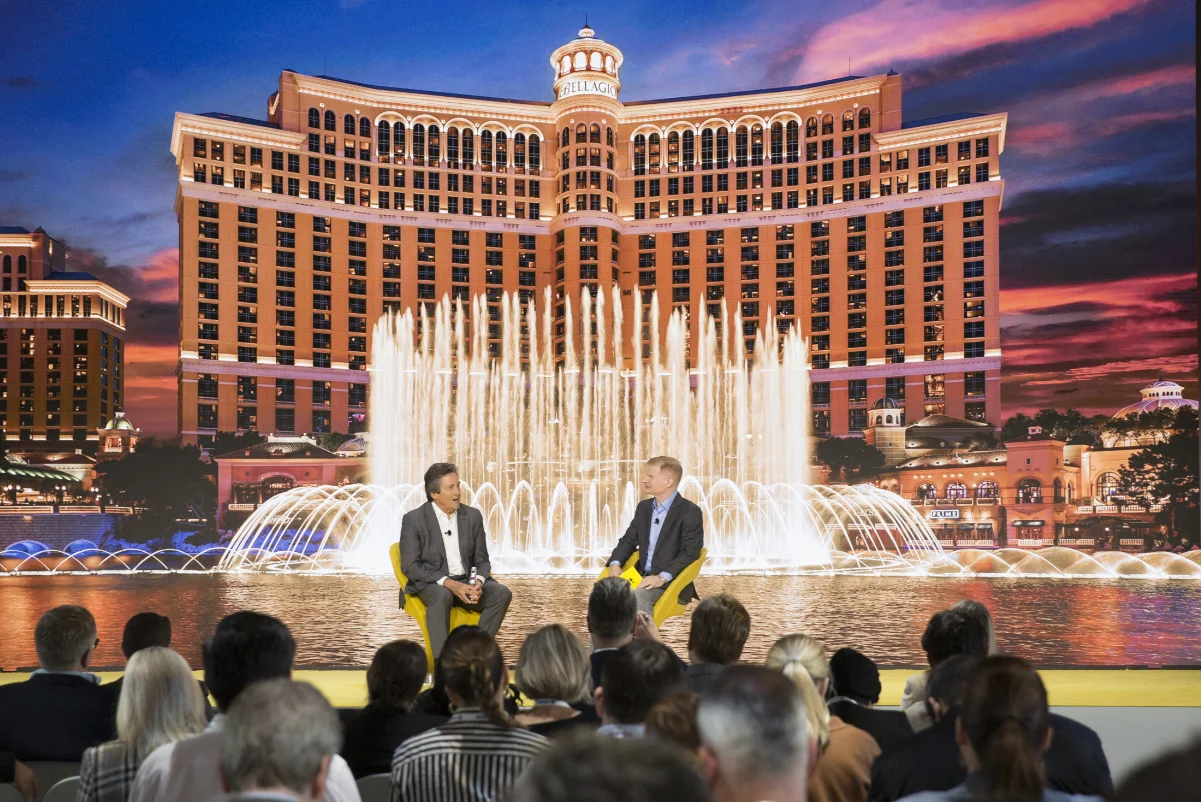
The filing confirms that IAC and its leadership will act in concert with the MGM board, a move that provides investors with a clear signal regarding the company’s direction. For Bill Hornbuckle, who has been steering the company through a period of modernization and expansion, this clarity is invaluable. Hornbuckle, who recently spoke at the Skift Global Forum in New York, has consistently emphasized the importance of balancing the company’s traditional casino operations with its digital growth and the broader evolution of the travel sector.
Implications for the Future of MGM Resorts
With the merger speculation officially off the table, the market can now refocus on the fundamental performance of MGM Resorts. The company has made significant strides in recent years, particularly in its effort to become a premier destination for international travelers and domestic leisure seekers alike. The digital success of BetMGM continues to be a central pillar of the company’s value proposition, demonstrating that the initial thesis behind IAC’s investment—that there was significant value to be unlocked at the intersection of gaming and digital technology—was largely correct.
The termination of merger talks also removes a layer of complexity for institutional investors who may have been wary of the structural changes a merger would have entailed. With the path ahead now clearly defined as a continuation of MGM’s independent strategy, shareholders are likely to interpret this as a commitment to the status quo, which has generally been viewed favorably by the market given the company’s recent financial performance.
Moreover, the agreement reinforces the importance of the relationship between MGM and IAC. Even without a merger, IAC remains a critical player in MGM’s ecosystem. The commitment to vote in alignment with the board suggests that while the two companies will not merge, they will continue to cooperate in ways that leverage their respective strengths. This is likely to include continued collaboration on digital initiatives, brand positioning, and the ongoing integration of technology into the guest experience at MGM properties.
Navigating the Current Economic Landscape
The decision to stick with the current structure comes at a time of broader consolidation and uncertainty in the travel and hospitality sectors. Companies are constantly weighing the benefits of scaling up through M&A against the risks of overextension. By choosing to forego a merger, MGM is opting for a path of disciplined growth.
Hornbuckle’s leadership has been defined by a pragmatic approach to the challenges of the modern travel industry. Whether it is managing the complexities of labor relations, investing in high-end resort renovations, or navigating the regulatory landscape of online betting, the strategy has consistently been one of controlled, deliberate progress. The resolution of the talks with IAC is consistent with this philosophy. It removes an unnecessary source of volatility and allows the company to focus on its primary mission: delivering world-class entertainment and hospitality experiences while maximizing value for all shareholders.
The broader implications of this announcement extend to the gaming industry as a whole. As traditional casinos compete for market share against digital platforms and international destinations, the question of ownership and corporate structure remains a central theme. MGM’s ability to navigate its relationship with a powerful shareholder like IAC while maintaining its strategic independence serves as a case study in effective corporate management.
Ultimately, the ending of these talks is not a retreat, but a consolidation of position. By securing the voting alignment of IAC, MGM Resorts has fortified its governance structure, ensuring that the board has the mandate it needs to lead the company through the next phase of its evolution. As the industry looks ahead, the stability provided by this agreement will likely be viewed as a foundational element in MGM’s continued ability to innovate and compete in an increasingly crowded global market. For now, the focus shifts back to the resort floor, the digital platform, and the ongoing execution of the strategy that has brought MGM to its current position of strength.