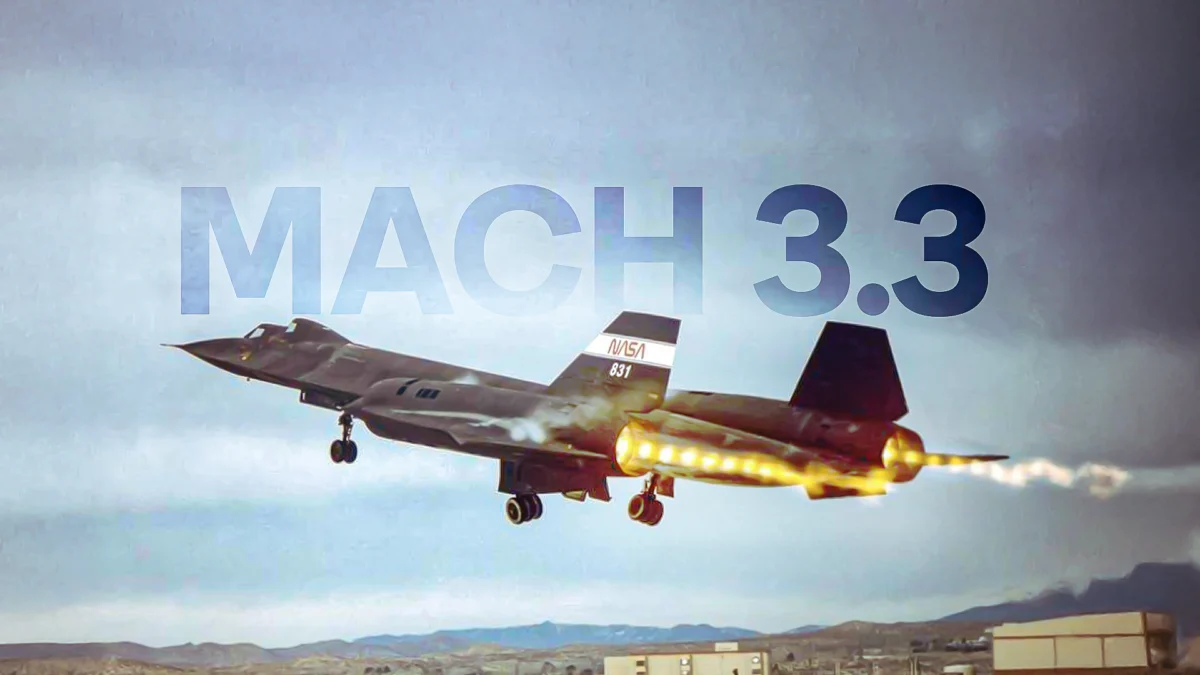
According to Ed Yeilding, one of the SR-71’s distinguished record-setting pilots, the legendary Blackbird was fundamentally built to operate within a specific envelope and was never designed to comfortably or routinely exceed Mach 3.3. Its strict operational boundaries reflected far more than just the raw capabilities of its massive, powerful engines; complex engineering constraints, massive fuel consumption rates, and demanding mission requirements all heavily influenced how the Mach 3 spy plane was flown in operational environments. Yet, the aircraft’s ultimate strategic value extended far beyond its jaw-dropping speed records, providing the United States with indispensable, high-resolution intelligence on Soviet military posture and activities throughout decades of intense Cold War competition.
The Iconic And Awe-Inspiring SR-71 Blackbird And Why It Was Built
The SR-71 was purpose-built from the ground up to operate at immense altitudes and unprecedented speeds. This extreme requirement was driven directly by rapid, significant advances in Soviet radar capabilities and surface-to-air missile, or SAM, technology. The urgency of this technological race was dramatically demonstrated within just five years of the Lockheed Martin U-2 reconnaissance plane entering operational service in 1956.

The primary and most dangerous threat to the vulnerable U-2 was the Soviet SA-2 surface-to-air missile. Propelled by a powerful liquid-fuel rocket, the SA-2 was launched from a reusable ground-based launcher capable of accommodating six missiles and rotating a full 360 degrees to track targets. The missile possessed a formidable operational ceiling of approximately 60,000 feet, a maximum speed reaching Mach 3.5, and a lethal 288-pound blast-fragmentation warhead. This weapon system was specifically engineered by Soviet defense planners to destroy high-flying reconnaissance aircraft and comprehensively deny access to Soviet airspace, protecting the USSR and its allies from airborne surveillance and potential attacks.
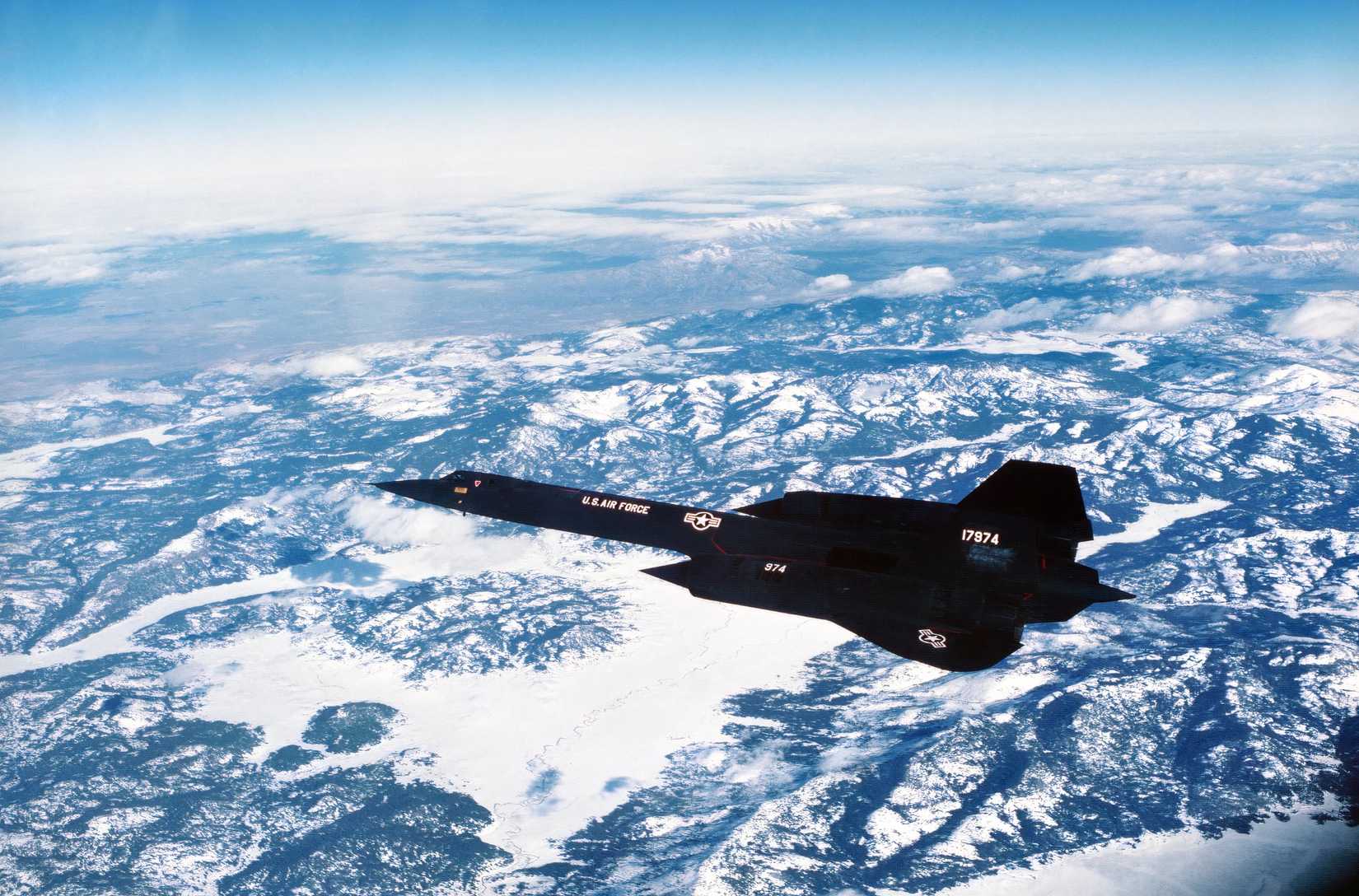
According to documentation from NASA, the secretive Blackbird design program originated in complete secrecy during the late 1950s under the legendary Lockheed Skunk Works division. The SR-71 completed its highly anticipated maiden flight on December 22, 1964, with Lockheed Skunk Works Chief Test Pilot Robert J. “Bob” Gilliland at the controls. The aircraft officially entered operational service in 1966 with the 4200th Strategic Reconnaissance Wing, which was later designated as the 9th Strategic Reconnaissance Wing, stationed at Beale Air Force Base in California. Once airborne and clear of friendly airspace, the SR-71 generally operated at staggering altitudes ranging between 80,000 and 85,000 feet.
At such immense vertical heights, approximately 95 percent of the Earth’s atmosphere remained entirely below the aircraft’s fuselage. From this stratospheric vantage point, its advanced optical cameras could survey an astonishing 100,000 square miles of the Earth’s surface per hour, allowing the Blackbird to capture incredibly detailed imagery across vast geographic territories. This capability enabled the aircraft to discreetly gather sensitive, high-priority intelligence on America’s Cold War adversaries. The intelligence gathered helped defense agencies and national leaders track shifts in the deployment of large, forward-positioned military units that posed an immediate threat, closely monitor large-scale Warsaw Pact military exercises, and observe the rapid construction of new military infrastructure, including strategic ballistic missile silos and heavily defended air base installations.

The Power Behind The Blackbird
To keep the aircraft and its two-man crew firmly out of the reach of hostile interceptor jets and the dreaded surface-to-air missile batteries, the SR-71 was equipped with two massive and exceptionally powerful engines. The Blackbird was propelled by a pair of Pratt & Whitney J58 turbojet engines, each capable of producing an incredible 32,500 pounds of thrust with the afterburners engaged. Furthermore, the SR-71 possessed the unique ability to sustain supersonic cruise at Mach 3 continuously for more than one hour during transit and reconnaissance runs.
Once the aircraft accelerated to high cruising speeds, the engine’s sophisticated inlet system and adjustable centerbody spike played a critical, ingenious role in generating additional thrust. The aerodynamic design successfully redirected much of the high-energy incoming airflow around the inner turbojet core and directly toward the afterburner and ejector nozzle, allowing the propulsion system to function efficiently in a manner very similar to a ramjet. To withstand the extreme frictional heat generated while operating at such hypersonic velocities and stratospheric altitudes, the SR-71 airframe was constructed almost entirely of specialized titanium and other exotic metal alloys. Skin temperatures on the aircraft routinely reached up to 600 degrees Fahrenheit during flight.
Operating at such immense speeds allowed the Blackbird to consistently evade not only hostile interceptor aircraft intent on shooting it down, but also enemy surface-to-air missiles. According to historical data from the Smithsonian Institution, SR-71 flight crews were fired upon by hostile missile batteries more than 4,000 times throughout its operational career, resulting in zero successful hits—a testament to the aircraft’s breathtaking speed, altitude, and meticulous aerospace engineering. However, while not a single Blackbird came close to being destroyed in combat, its ability to effortlessly outrun every air defense weapon system designed to turn lesser aircraft into debris came at the cost of staggering fuel consumption. During a standard 90-minute operational mission, the SR-71 would consume approximately 12,000 gallons of specialized, high-flashpoint JP-7 fuel.
The SR-71 Was Not Designed To Exceed Extremely High Mach
Former SR-71 pilot Ed Yeilding offered crucial technical insight into the Blackbird’s true speed limitations following his historic, record-setting coast-to-coast flight on March 6, 1990. Flying alongside reconnaissance systems officer Joseph “J.T.” Vida, Yeilding helped establish multiple transcontinental speed records during the aircraft’s final operational flight before it was formally retired and delivered to the Smithsonian Institution. Although the Blackbird was widely celebrated for routinely operating above Mach 3, Yeilding explained that the official aircraft flight manual did not display an operating speed limit beyond Mach 3.3.
"Our flight manual had no mention of speed above Mach 3.3," Yeilding recalled, highlighting a crucial distinction when evaluating sensationalized claims regarding the SR-71’s ultimate speed capabilities and the strict operational limits within which its pilots were expected to fly. Yeilding also addressed persistent rumors and reports suggesting that the SR-71 could regularly reach Mach 3.4 or higher, including unverified claims that its absolute structural limit was Mach 3.55. While expressing deep professional respect for late pilot David Peters and acknowledging that he had no doubt Peters may have touched Mach 3.4 or higher in an area of extreme atmospheric cold, Yeilding noted he had never encountered the Mach 3.55 figure. He consulted with fellow veteran SR-71 pilot and test pilot school graduate BC Thomas, who similarly confirmed he was unaware of the aircraft ever reaching such high speeds in a controlled manner.
Before embarking on their final Smithsonian delivery flight, Yeilding contacted Lockheed’s elite Skunk Works engineers directly to determine whether the Blackbird could safely exceed Mach 3.3. According to his account, a specialized engineering team led by Von Wright traveled from Burbank to meet with the flight crew. Their response was unequivocal: the Blackbird was simply not designed to go faster than Mach 3.3 and had never been flight-tested above that specific threshold by the manufacturer. The engineers explicitly warned that an unstart event within the engine inlets at speeds exceeding Mach 3.3 could render the SR-71 violently uncontrollable, potentially causing the aircraft to pitch up rapidly and structurally break apart in mid-air.
Furthermore, the engineering team revealed that no reliable fuel-flow data existed for flight operations above Mach 3.2, providing another critical safety reason why pilots could not safely assume the aircraft could sustain higher speeds simply because it possessed the raw momentum to reach them. Yeilding ultimately concluded that fuel economy at Mach 3.3 and slightly higher altitudes was roughly comparable to operating at Mach 3.2 at the optimum altitude for the aircraft’s gross weight, clearly separating exaggerated folklore from documented engineering reality.
The High-Flying Spy That Routinely Looked Down On The Soviets
Given the SR-71’s incredible speed, state-of-the-art photographic capabilities, and proven ability to evade hostile interceptors and surface-to-air missiles, what did a typical operational reconnaissance mission actually entail? Throughout the Cold War, American military planners and national policymakers required a steady, uninterrupted stream of actionable intelligence regarding Soviet military activities across Eastern Europe and the wider world. Among the numerous classified operations established to gather this intelligence were the strategic missions known as "Giant Reach." These global operations involved diverse intelligence-gathering platforms, with every individual deployment meticulously scheduled and overseen by the National Reconnaissance Office.
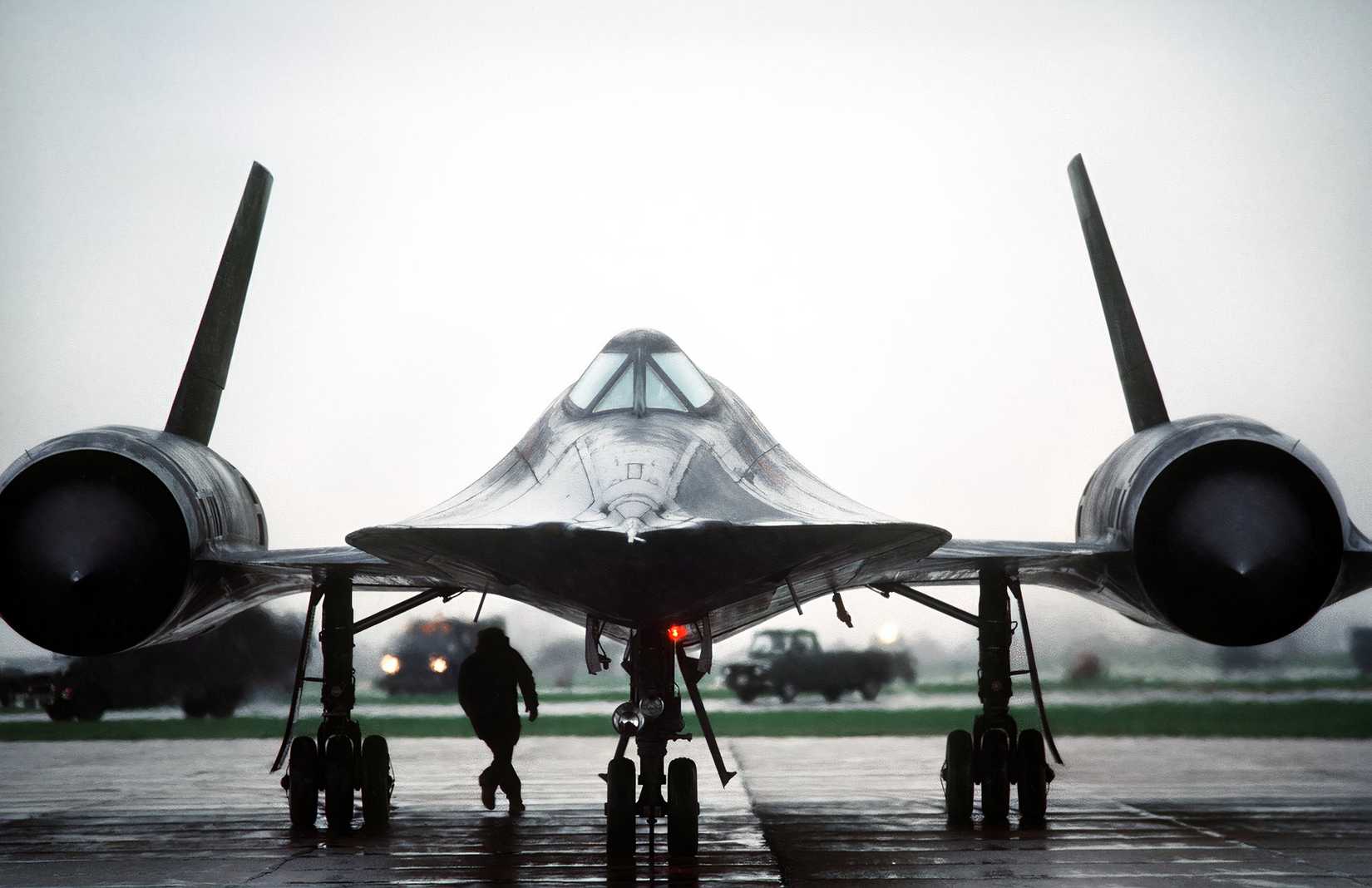
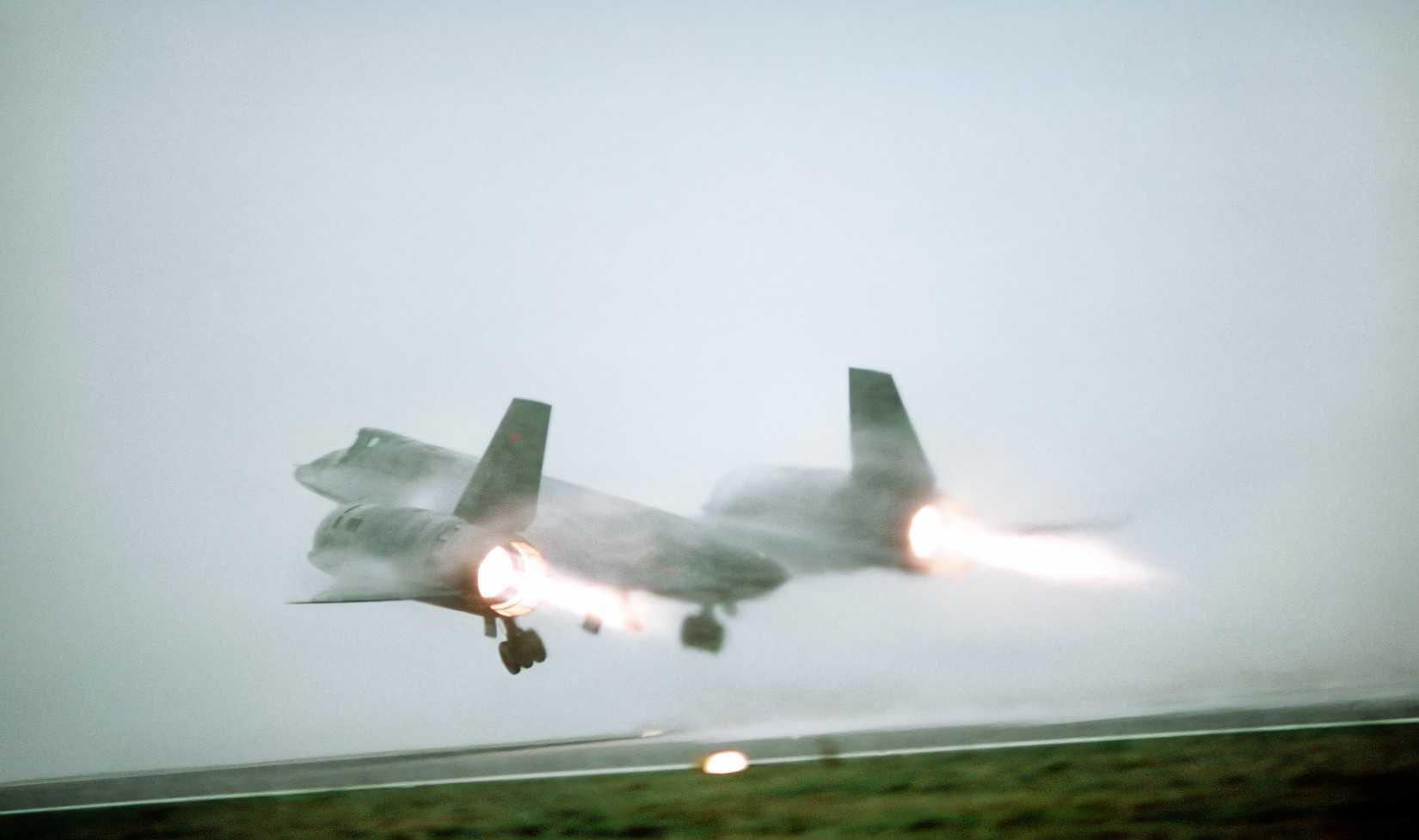
While a small detachment of SR-71s was permanently stationed at Kadena Air Base in Japan to monitor Pacific and Asian theaters, no permanent equivalent deployment existed in Europe. Instead, strategic planners with the Strategic Air Command, acting under the direct authority of the Joint Chiefs of Staff, periodically dispatched a single Blackbird to RAF Mildenhall in the United Kingdom for temporary deployments lasting roughly three weeks, typically occurring two to three times per year. Historical records show that an SR-71 deployed to Mildenhall twice in 1978 and three times in both 1979 and 1980 to conduct crucial supersonic electronic intelligence and imagery-collection flights.
During six out of eight Giant Reach deployments conducted over a compressed 36-month window, the SR-71 and other national reconnaissance assets closely monitored large-scale Soviet and Warsaw Pact spring and autumn ground force troop rotations. The deployment executed in December 1980 carried exceptional urgency and significance, as Western intelligence agencies harbored deep fears that Warsaw Pact forces might launch a sudden invasion of Poland to crush the independent Solidarity trade union movement and forcibly prop up the embattled communist government.
These massive troop rotations occurred twice annually, systematically transporting fresh Soviet conscripts from the USSR’s three western military districts directly into East Germany, Czechoslovakia, Poland, and Hungary. Academic studies published by institutions such as the University of Richmond estimated that each individual rotation involved approximately 125,000 troops—representing roughly 25 percent of the total 600,000 Soviet personnel stationed across Eastern Europe and eclipsing the size of major NATO reinforcement exercises. Because each rotation lasted roughly a month, intelligence analysts relied heavily on high-altitude surveillance to determine whether Soviet units were massing near potential staging areas, looking specifically for unusual logistical preparations such as accelerated ammunition stockpiling, fuel cache deployment, and the forward relocation of tactical command elements.
The SR-71 Blackbird’s Legacy Extended Beyond Speed Records
The Lockheed SR-71 Blackbird remains one of the most extraordinary achievements in aviation history, seamlessly combining immense speed, stratospheric altitude, and sophisticated reconnaissance technology to monitor America’s Cold War adversaries. Its unmatched ability to consistently outrun hostile missile systems while capturing invaluable strategic intelligence cemented its status as a vital national asset.
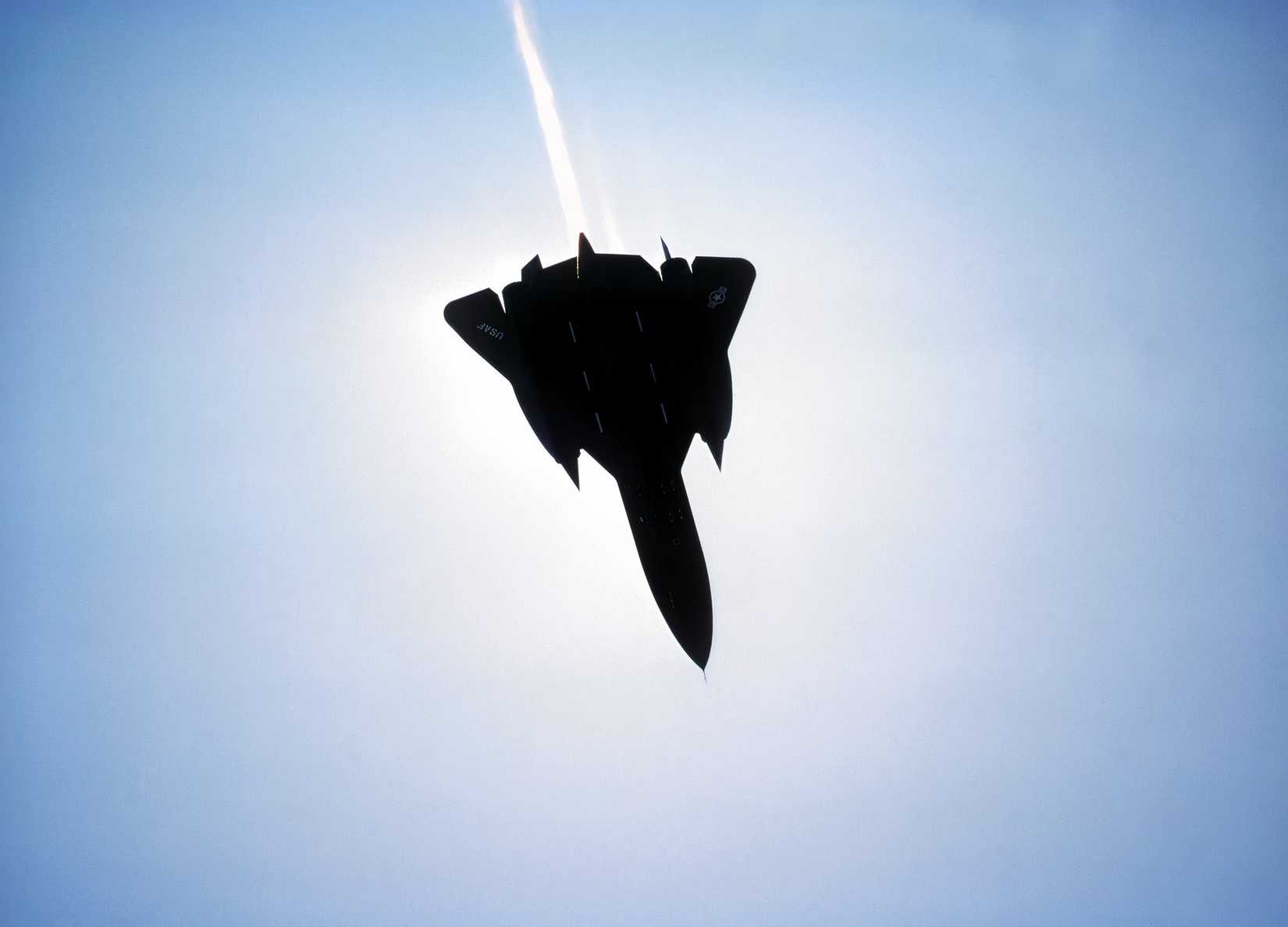
Yet, as firsthand accounts from veteran pilots and aerospace engineers clearly demonstrate, the Blackbird’s legendary performance was strictly governed by hard engineering boundaries, extreme fuel realities, and unforgiving operational limits. The true legacy of the aircraft extends far beyond the impressive speed and altitude records it set, standing instead as a monumental testament to the ingenuity, precision, and technical mastery required to patrol the skies above the world’s most heavily defended airspace.