As global aviation transitioned to its winter schedules based on IATA slot seasons, carriers worldwide launched hundreds of new and returning routes. Among the most notable developments is Lufthansa’s reintroduction of service from Frankfurt to Kuala Lumpur after a decade-long absence, signaling an aggressive push into long-haul growth by the German flag carrier.
Demonstrating further momentum, the traditionally conservative Star Alliance member has announced major additions to its intercontinental network, including new nonstop services to Columbus and Phoenix. These announcements closely follow the airline’s confirmation that it will reinstate operations to Tokyo Narita and Nagoya. However, as the mainline carrier pivots its focus toward these new ventures and secondary markets, it will hand over operations on its Frankfurt and Munich routes to Seattle to its leisure subsidiary, Discover Airlines.
Lufthansa From Frankfurt To Columbus
In a landmark development for midwestern aviation, Lufthansa announced that it will launch scheduled passenger service from Frankfurt Airport (FRA) to John Glenn Columbus International Airport (CMH). This new route marks a historic milestone for the Ohio airport, as it represents the facility’s very first long-haul scheduled passenger service. Consequently, it will also serve as the airport’s sole widebody operation.
With Cincinnati’s main airport situated across the state border in Kentucky, the addition of Columbus means the Buckeye State now boasts two airports with long-haul international connectivity, joining Cleveland and its existing Aer Lingus service to Dublin.

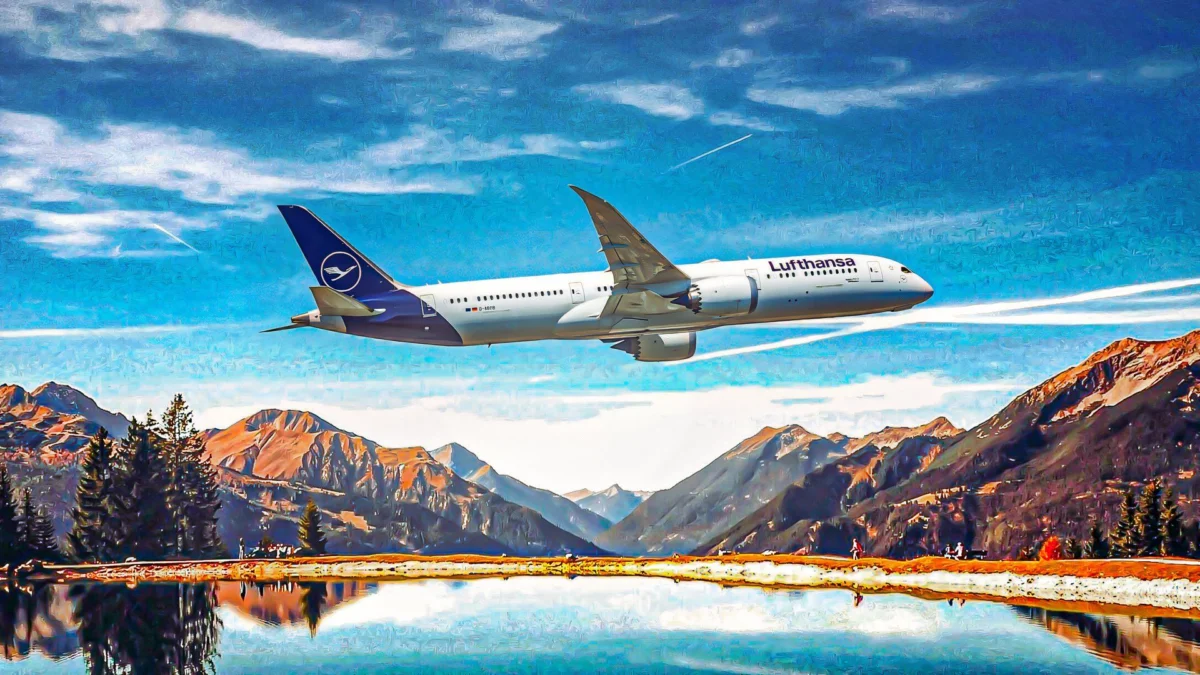
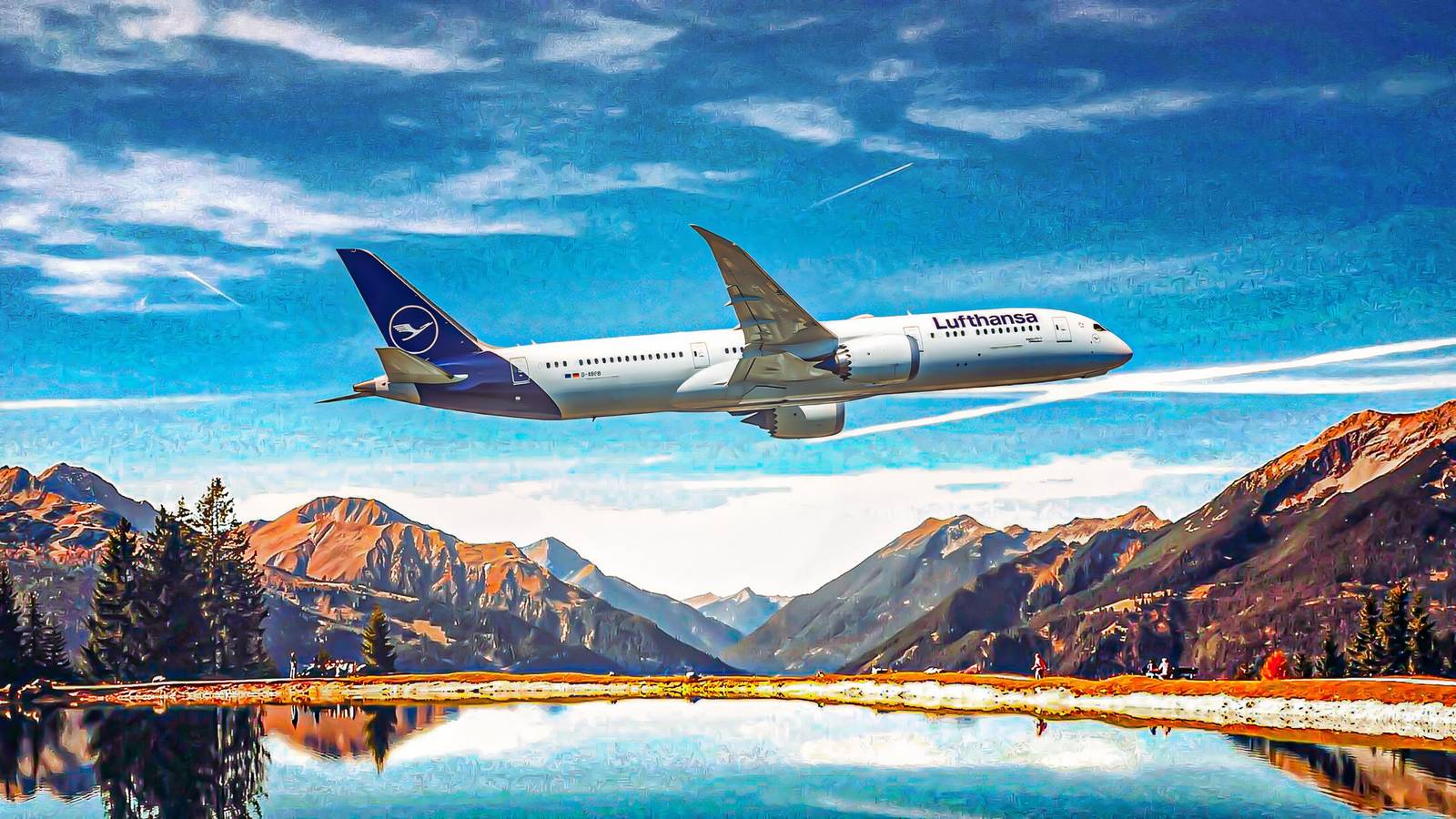
Beginning May 5, 2027, Lufthansa will operate flights to Ohio three times weekly using its modern, Allegris-equipped Boeing 787-9 aircraft, configured with 287 seats. Financial backing played a crucial role in securing the service. Incentives and risk-sharing arrangements, such as revenue guarantees, remain common tools for securing new airline routes, though carriers occasionally reevaluate markets when such support concludes. Lufthansa is set to receive approximately $47 million in local incentives, a substantial factor in making the Frankfurt-Columbus link economically viable.
The route is underpinned by existing regional demand. In the 12 months leading up to August 2026, booking data indicates that an average of 930 round-trip passengers traveled daily between Columbus and destinations across Europe, the Middle East, Africa, and South Asia. Crucially, two-thirds of this traffic originated from just 30 core cities. Lufthansa intends to capture this pool of travelers while offering seamless one-stop connections to numerous smaller global markets for the first time. The top ten demand markets from Columbus included London, Rome, Paris, Nairobi, Dublin, Amsterdam, Barcelona, Athens, Lisbon, and Venice.

Then There Is Munich To Phoenix
Expanding its footprint in the American Southwest, Lufthansa will inaugurate flights from Munich Airport (MUC) to Phoenix Sky Harbor International Airport (PHX) on August 3, 2027. Launching the service during the peak summer season means operating amid extreme local temperatures. The scheduled departure time from Arizona is set for 5:50 PM, during the height of the late-afternoon heat. Despite the challenging meteorological conditions, the airline confirmed that operating the route with the 293-seat Airbus A350-900 will not trigger any payload restrictions.
Covering a distance of 5,060 nautical miles each way, the Munich-Phoenix connection will become Lufthansa’s third-longest Airbus A350-900 route from Munich to the United States, trailing only San Francisco and San Diego. When viewed across the entire industry, it will rank as the seventh-longest A350-900 operation connecting Europe and the United States.

The arrival of Lufthansa in Phoenix in 2027 establishes the first-ever direct service between Munich and the state of Arizona. While Germany has enjoyed intermittent direct air links to Phoenix over the years, Cirium Diio data highlights that such flights were last operated in 2024 by leisure carrier Condor from Frankfurt. Lufthansa previously operated the Frankfurt-Phoenix route between 2001 and 2004, while the now-defunct LTU maintained flights from Düsseldorf Airport between 1996 and 1998.
For a long period between 2005 and 2017, British Airways stood as the sole European carrier serving Phoenix. Lufthansa’s upcoming launch means three European airlines will maintain a presence at the airport, joining British Airways and Air France, the latter of which commenced its own Phoenix operations in 2024. Additionally, American Airlines continues to serve London Heathrow from its former US Airways hub.

Lufthansa To Nagoya & Tokyo Narita
In Asia, the Star Alliance carrier is addressing capacity constraints at primary hubs by returning to Tokyo Narita Airport (NRT). Effective March 28, 2027, Lufthansa will reintroduce daily flights from Frankfurt to Narita using its Boeing 787-9 aircraft, marking the first time the airline has deployed a twin-engine Boeing jet to Japan.
Narita previously hosted Lufthansa passenger flights until 2017, when the carrier consolidated its Tokyo operations entirely at Tokyo Haneda Airport (HND). However, severe slot limitations at Haneda have made increasing flight frequencies increasingly difficult, prompting the airline to revive its historical link to Narita to accommodate rising passenger demand.

Complementing the Narita service, Lufthansa will also resume operations to Nagoya on March 29, 2027. The airline will operate three weekly flights from Frankfurt to Chubu Centrair International Airport using the Boeing 787-9. Lufthansa last served Nagoya in 2020, when international schedules were severely disrupted by the onset of the COVID-19 pandemic. Historically, the carrier relied exclusively on Airbus A340-300 and A340-600 aircraft for the Nagoya route. With this reintroduction, Lufthansa will become one of only two European carriers operating at the airport, alongside Finnair.