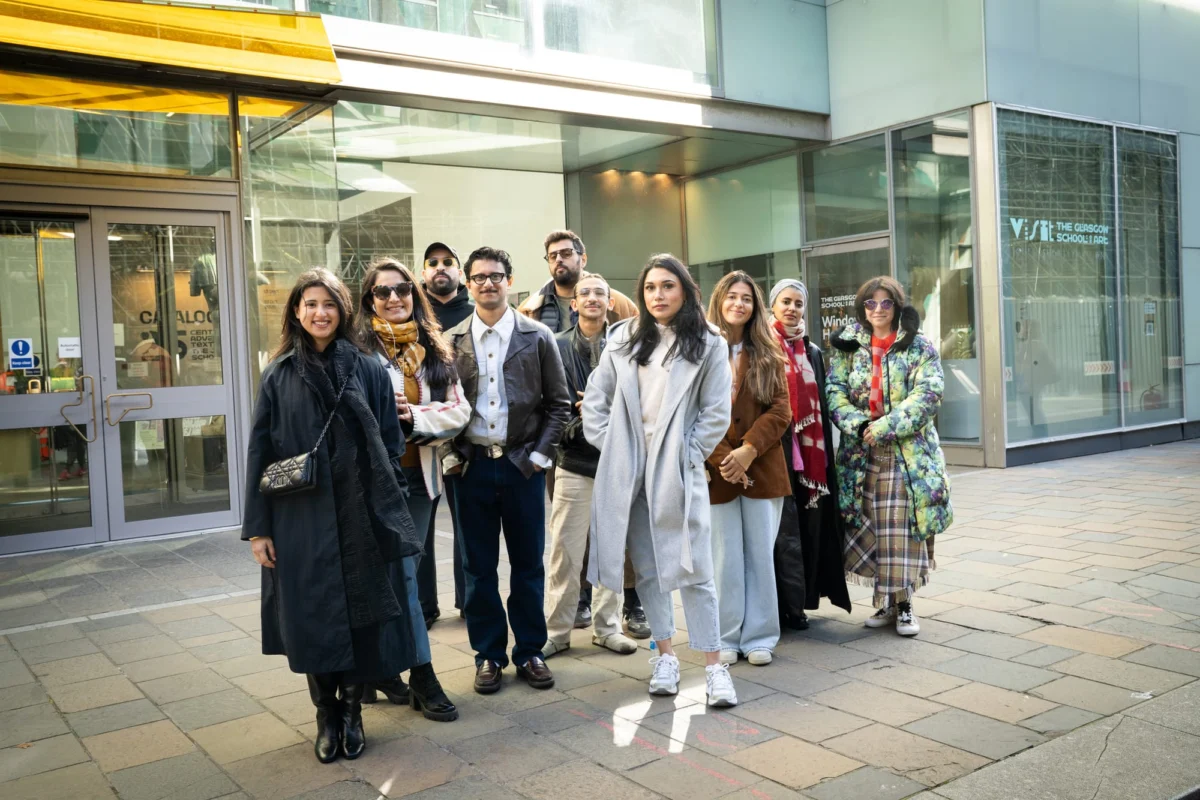
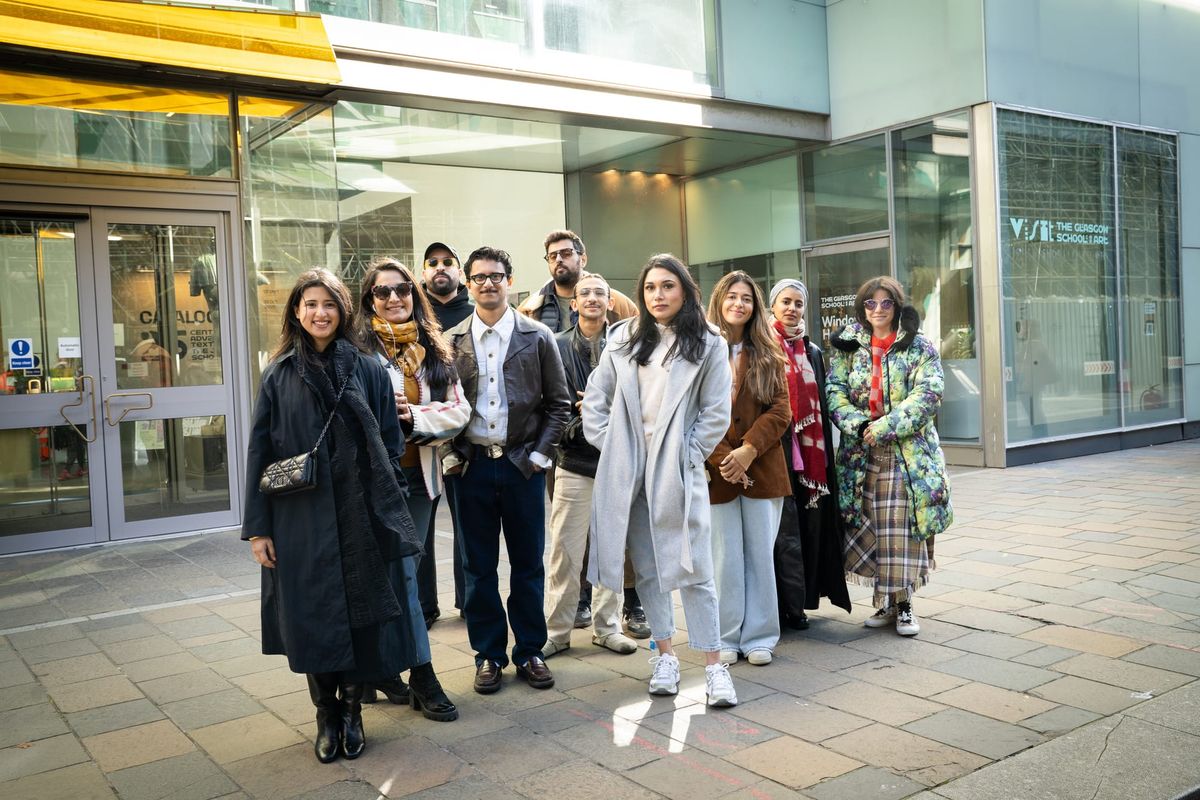
In September 2025, Saudi Arabia’s Visual Arts Commission sent a distinguished delegation of artists, curators, and cultural practitioners to Scotland as part of Art Bridges, an international professional development program designed to connect Saudi creatives with global peers. Over the course of an intensive six-day itinerary across Glasgow, Dundee, Edinburgh, the Isle of Bute, the Rosneath Peninsula, and surrounding areas, the delegation visited 11 cultural institutions and participated in three major sector meetings.
The immersive journey provided deep insights into Scotland’s vibrant contemporary art ecosystem. Through institutional tours, roundtables, and one-on-one dialogues with Scottish arts leaders, the delegates engaged in comprehensive reflections on community engagement, institutional collaboration, sustainable funding models, and the evolving civic role of visual arts.
The exchange was built on a foundation of mutual curiosity. While the Saudi delegates sought to understand how Scottish institutions navigate audience accessibility and operational frameworks, their Scottish hosts expressed an eager interest in the rapid, dynamic growth of Saudi Arabia’s contemporary cultural sector.
Three members of the delegation—Danya Faisal, Bayan Ashour, and Afia Bin Taleb—recently reflected on their experiences abroad and the transformative possibilities the exchange opened for Saudi Arabia’s expanding visual arts landscape.
DANYA FAISAL
Danya Faisal is the community relations coordinator at Hayy Jameel in Jeddah, where she oversees community outreach programs, manages communication platforms, and fosters collaborative partnerships.
Reflecting on her time in Scotland, Faisal pointed to a pivotal conversation with Leonie Bell, director of V&A Dundee, which fundamentally transformed her perspective on museums as civic spaces.
"A conversation with Leonie Bell… about museums as spaces for public dialogue rather than simply venues for exhibiting collections stands out for me," Faisal noted. She was particularly struck by how deeply community engagement was embedded within the institution’s curatorial process, citing the exhibition Thread Memory: Embroidery from Palestine as a powerful example of collaborative curation centering community voices and preserving cultural heritage.
Throughout the program, Faisal observed numerous similarities between the contemporary art communities in Saudi Arabia and Scotland, despite differences in institutional history and scale. Artists in both regions are actively grappling with themes of identity, heritage, and social change. However, she noted that Scottish arts institutions appeared especially integrated with their local neighborhoods through accessible public programming.
This observation prompted her to reconsider how Saudi cultural spaces might evolve. Rather than simply importing external institutional models, Faisal believes Saudi Arabia is forging its own path, combining local values with collaborative and experimental practices. Discussions with leadership teams at venues like Cove Park and the Talbot Rice Gallery further reinforced her interest in expanding artist residency opportunities and fostering longer-term collaborative ecosystems rather than short-term exchanges.
BAYAN ASHOUR
Bayan Ashour is the visitor experience manager at Hayy Jameel in Jeddah, focusing on audience engagement and ensuring that contemporary art spaces remain welcoming and accessible to diverse communities.
For Ashour, encounters at Glasgow’s Tramway and Trongate 103 acted as profound catalysts for rethinking the civic potential of creative institutions. Witnessing these spaces operate as vital community hubs mirrored her ambitions for Hayy Jameel.
"I realized that a visitor’s journey should transcend the formal, pristine gallery into an immersion within a vibrant creative ecosystem," Ashour explained. "This experience crystallized my objective: to move beyond the logistics of audience management toward the cultivation of a warm, inclusive environment where practitioners from all disciplines feel empowered to gather, discourse, and co-create."
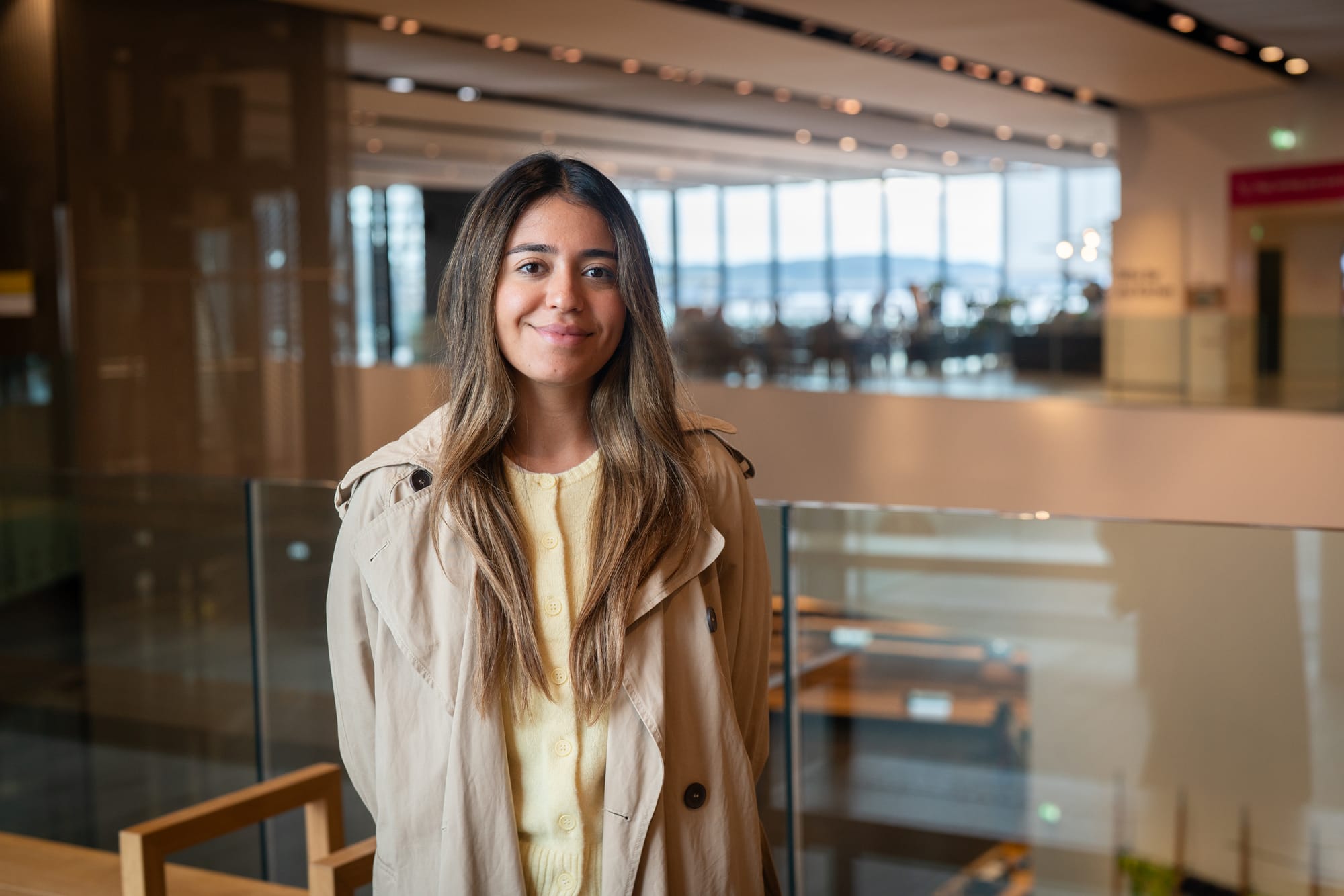
Observing how Scottish museums function as public squares—where casual connection is valued as deeply as the art itself—directly influenced Ashour’s approach to visitor experience upon returning to Jeddah. This insight led to the creation of Hayy Jameel’s new "From Another Angle" tour format, which replaces traditional lectures with open dialogues that invite visitors to actively question and connect with contemporary art.
By combining welcoming architectural strategies with interactive touchpoints, Ashour aims to dismantle the intimidation often associated with contemporary art, transforming Hayy Jameel into a lively, everyday hub for community and culture.
AFIA BIN TALEB
Afia Bin Taleb is a Jeddah-based independent cultural advisor and former director of ATHR Gallery, specializing in institutional strategy, programming, and partnerships.
Bin Taleb emphasized the value of the roundtable discussions held at the end of each city visit, which brought together cultural practitioners, institutional leaders, and decision-makers from both nations. She was struck by how closely the operational challenges faced by Scottish institutions mirrored those encountered in Saudi Arabia.
The transparency and mutual support demonstrated by organizations such as Dundee Contemporary Arts and Edinburgh Sculpture Workshop—which maintain collaborative agreements allowing artists to share production facilities—left a lasting impression.
"The experience reinforced my belief that the arts sector thrives when institutions and practitioners view themselves as part of a broader ecosystem rather than as individual entities," Bin Taleb said.
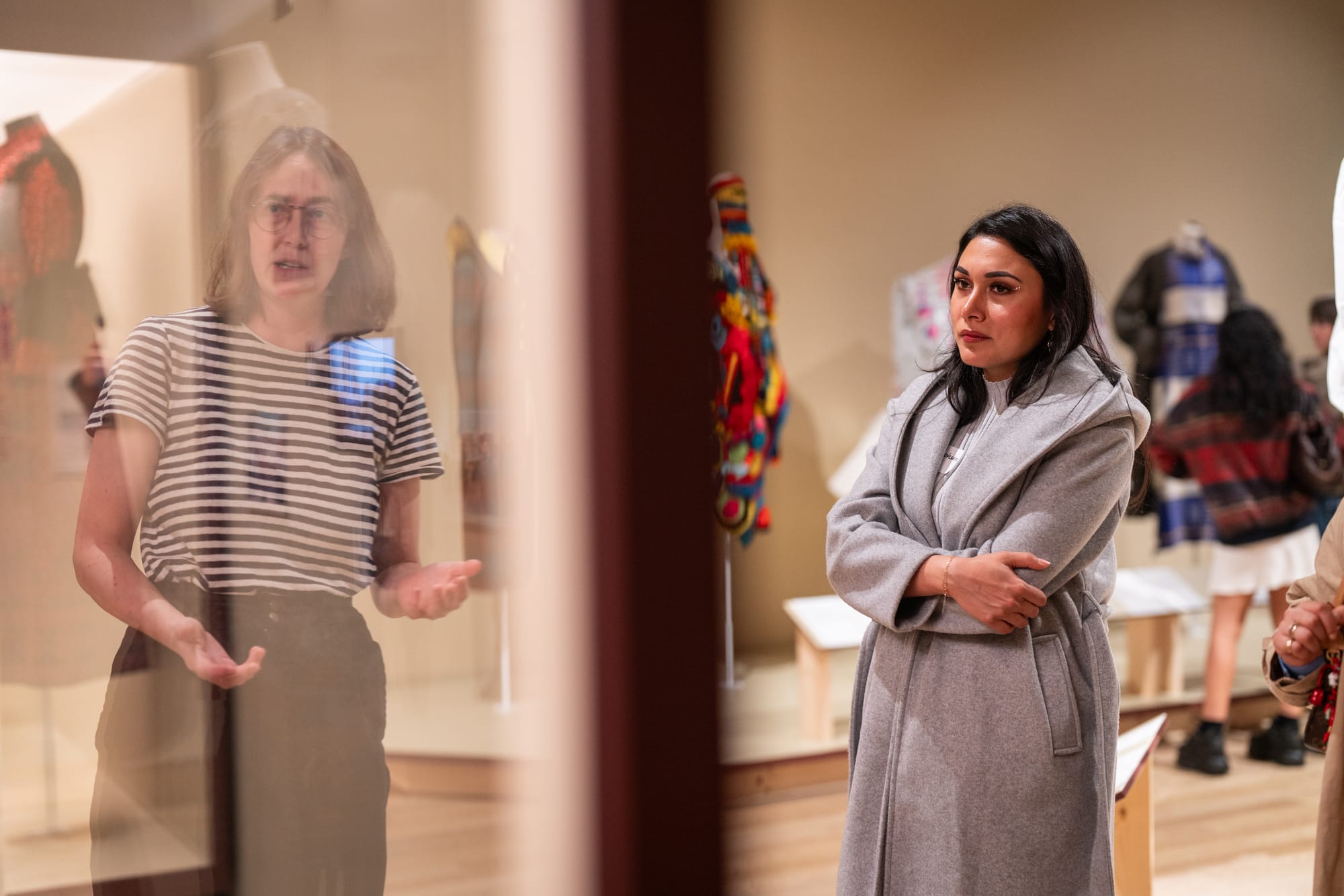
Meeting with prominent Scottish cultural leaders, including Emma Nicolson of Creative Scotland, Beth Bate of Dundee Contemporary Arts, Lucy Byatt of Hospitalfield, and Tessa Giblin of Talbot Rice Gallery, revealed a strong, reciprocal desire for knowledge exchange. While the Saudi delegates studied Scottish approaches to governance and leadership, their hosts expressed deep curiosity regarding the transformation of Saudi Arabia’s visual arts landscape.
Furthermore, Bin Taleb highlighted the critical takeaway regarding financial sustainability. The institutions visited in Scotland relied not only on public funding but also on robust support systems involving patrons, individual donors, and community philanthropy. As Saudi Arabia’s visual arts sector continues to mature, Bin Taleb sees a tremendous opportunity to cultivate a similar culture of individual giving and shared ownership to ensure long-term resilience.
Ultimately, the Art Bridges program succeeded in building a resilient foundation of trust, openness, and cross-cultural dialogue. As participants return to Saudi Arabia, the connections forged in Scotland are expected to blossom into long-term institutional partnerships, joint programming, and sustained collaborative initiatives, marking a significant milestone in the Kingdom’s cultural development.
This article is part of a special series exploring Art Bridges, the Visual Arts Commission’s international exchange program connecting Saudi and Saudi-based artists and cultural practitioners with peers in Scotland, South Korea, Japan, and Spain.