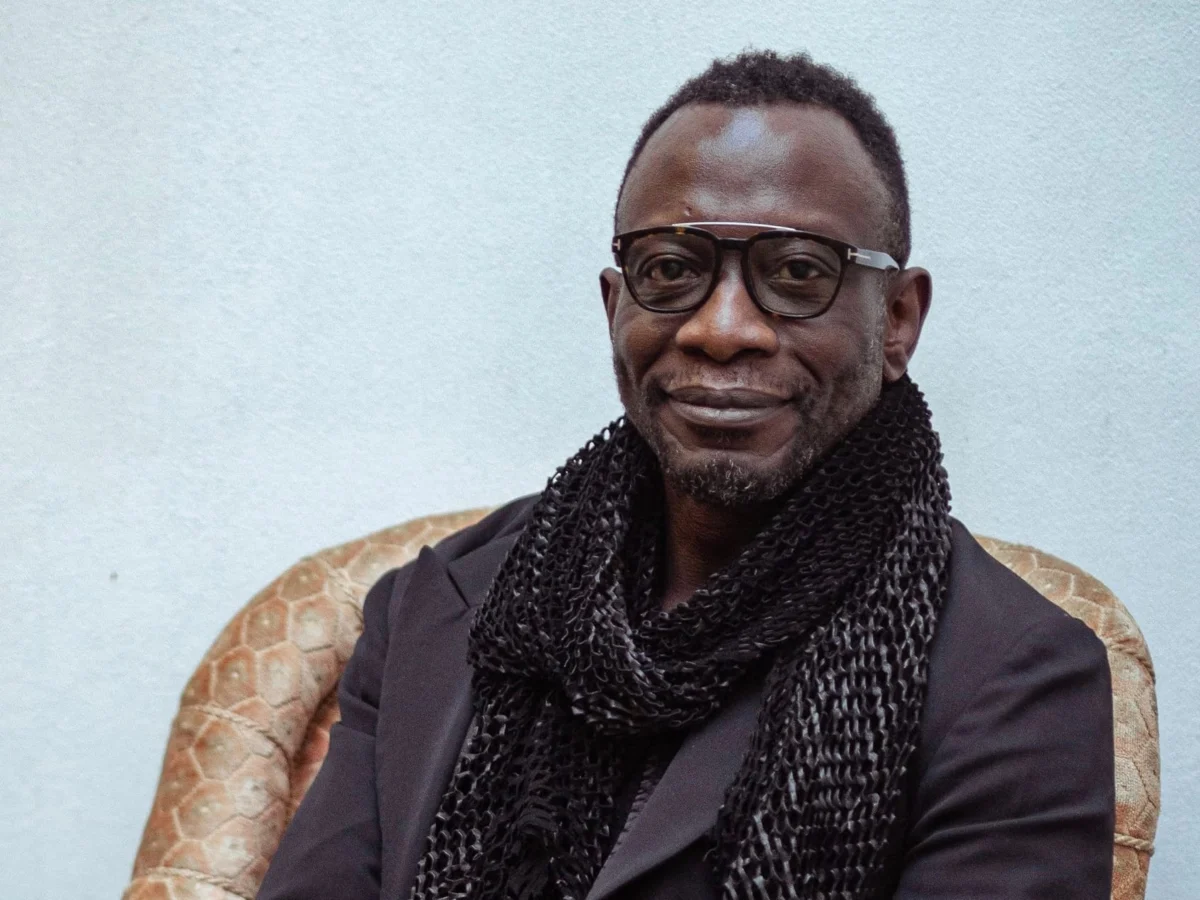
Qatar Museums has officially announced the appointment of renowned Nigerian curator Azu Nwagbogu as the artistic director for the upcoming fourth edition of the Tasweer Photography Biennial. Set to open in Doha in April 2027, the biennial stands as a premier regional and international platform for lens-based artists. Nwagbogu’s appointment marks a significant milestone for the event, bringing nearly two decades of visionary curatorial leadership and international acclaim to Qatar’s burgeoning contemporary art landscape.
Nwagbogu is widely recognized across the global arts community for his pioneering work in championing African and diasporic photography, challenging traditional Eurocentric art narratives, and fostering critical discourse around decolonial identity. As the founder and director of the nonprofit African Artists’ Foundation (AAF) in Lagos, he has spent years building institutional frameworks to support local talent. In 2010, he established the LagosPhoto Festival, which made history as Nigeria’s very first international arts festival dedicated entirely to photography. Under his guidance, the festival has grown into a vital meeting point for photographers, curators, and intellectuals from across the globe, sparking vital conversations about visual culture on the African continent and beyond.
His expansive career also includes a pivotal tenure at the Zeitz Museum of Contemporary Art Africa (Zeitz MOCAA) in Cape Town. Nwagbogu joined the institution in 2017 as curator at large of photography before stepping up to serve as its interim director and chief curator from 2018 to 2019. During his time at Zeitz MOCAA, he helped shape the museum’s strategic vision, cementing its status as a premier destination for contemporary African art. In addition to his leadership roles in Lagos and Cape Town, Nwagbogu has curated, overseen, and contributed to major international projects across a diverse array of global institutions, ranging from the Centre for Fine Arts in Brussels and the prestigious Rencontres d’Arles photography festival in France to the Savannah Centre for Contemporary Art in Tamale, Ghana.
Most recently, Nwagbogu demonstrated his curatorial prowess on the world stage by leading Benin’s inaugural national pavilion at the 60th Venice Biennale in 2024. The critically acclaimed pavilion featured four visionary artists whose works examined complex themes surrounding spirituality, Pan-Africanism, and ecological fragility. His contributions to the field have earned him widespread industry recognition, including the Royal Photographic Society’s prestigious 2021 Curator of the Year Award. Furthermore, he was honored as a 2026 Art Basel Medalist in the Curator category, further solidifying his reputation as one of the most influential curatorial voices working today.
In an official press release addressing his latest appointment, Nwagbogu expressed profound gratitude and enthusiasm for the role, reflecting on the evolving nature of visual media in the modern age. "Images have always shaped our perception of the world; what is new is the speed and scale of their circulation, and the new ways they ask us to look, remember, and interpret," Nwagbogu noted. He added that the biennial serves a crucial function in the contemporary cultural ecosystem, stating, "Tasweer creates an important space to engage and host that changing visual language with ethical and intellectual courage."
Launched by Qatar Museums in 2021 under the visionary auspices of QM chairperson Sheikha Al Mayassa bint Hamad bin Khalifa Al Thani, the Tasweer Photography Biennial was established to nurture, celebrate, and support emerging and established lens-based practitioners hailing from West Asia and beyond. Over the years, the biennial has evolved into a cornerstone of Qatar’s cultural strategy, fostering creative exchange and providing a robust platform for diverse photographic practices.
The upcoming 2027 edition carries additional significance as it marks the first time the biennial will be presented under the umbrella of Qatar Museums’ forthcoming Art Mill Museum, signaling an exciting new chapter for the institution as it integrates photography deeply into its broader modern and contemporary art programming.