For most people, the quest to protect the marine environment begins at the water’s edge. We look at the horizon, consider the health of our reefs, and focus our cleanup efforts on the sand and the shallows. However, for PADI AmbassaDiver™ and PADI Instructor Yumi Shirai, the fight for the ocean’s survival begins far away from the coastline, high up in the rugged terrain of the mountains.
As the founder and representative director of MORE Planning, a nonprofit organization headquartered on Japan’s picturesque Izu Peninsula, Shirai has spearheaded an environmental movement built on a fundamental, albeit often overlooked, truth: mountains, rivers, oceans, and human communities are inextricably linked. In her view, a piece of plastic or a discarded object left in a remote forest today is not merely forest litter; it is future marine debris, waiting for the inevitable pull of gravity and the flow of water to carry it into the sea.
In recognition of her extraordinary leadership and her commitment to the PADI Pillars of Change—specifically Ocean Conservation, Dive Industry Sustainability, and People & Humanity—Shirai has been named a recipient of the prestigious PADI Ocean Torchbearer Award. This honor highlights those who go beyond the call of duty to protect the underwater world, and in Shirai’s case, it serves as a testament to her holistic approach to conservation.
A Guest in an Alien World
Shirai’s journey into the heart of environmentalism began not in a boardroom, but in the blue waters off the coast of Sydney, Australia, where she first discovered the transformative power of scuba diving as a high school student. Like many who first descend beneath the waves, she was immediately struck by the sheer beauty and complexity of the marine ecosystem. Yet, as her experience grew, so did a profound philosophical shift in how she viewed humanity’s relationship with the sea.
“I first discovered diving as a high school student in Sydney, Australia,” Shirai recalls. “Like many people, I was amazed by the beauty of the underwater world and its incredible marine life. But what stayed with me most was the realization that the ocean is not a place where humans are naturally meant to live. Through scuba diving, we are given the rare privilege of visiting another world. That realization changed my perspective. Ever since then, I have considered myself not a resident of the ocean, but a guest.”
This concept of being a "guest" is the bedrock of her advocacy. When one visits a friend’s home, there is a natural social contract: you do not damage their property, you do not leave your trash behind, and you do not take what does not belong to you. Shirai argues that this same basic standard of etiquette and respect must be extended to the ocean. For her, conservation is not an extracurricular activity or a burden; it is a simple, necessary expression of gratitude toward an ecosystem that permits us to explore its depths.
The Connectivity of Nature: Why MORE Matters
This philosophy of respect evolved into the creation of MORE Planning. The acronym itself is a roadmap for her vision, representing the four pillars of the natural world: Mountain, Ocean, River, and Earth. The impetus for creating such an organization came from the jarring, physical evidence of human impact that Shirai encountered during her own dives.
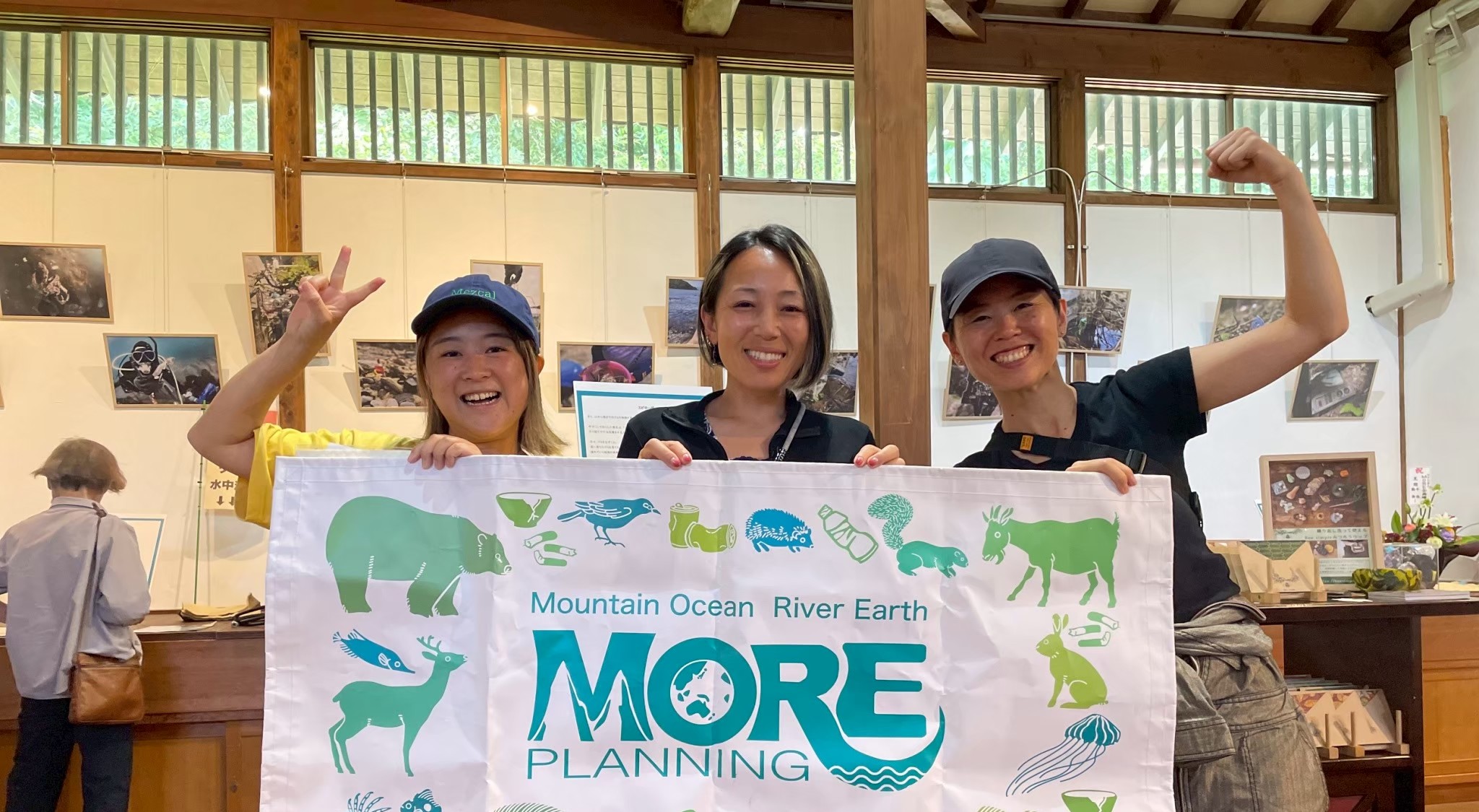
“The inspiration came from seeing firsthand how closely these environments are connected through waste,” she explains. “One experience that left a lasting impression on me was finding tools once used for wasabi farming lying on the seafloor. They had originated high in the mountains before traveling downstream through rivers and eventually reaching the ocean.”
This realization was a turning point. It highlighted that nature does not observe the administrative or geographical boundaries that humans often impose. Water is a continuous conveyor belt, and pollution in the highlands is, by extension, pollution in the coral reefs. Through her organization’s cleanup efforts, Shirai and her volunteers have recovered a staggering array of items that have no business being in the water—bicycles, desktop computers, rice cookers, and even abandoned motor vehicles.
Many observers mistakenly believe that marine debris is purely a coastal issue, originating from beachgoers or tourism. However, the reality is that much of the waste that chokes our oceans begins its journey far inland. Rain and river systems act as a transit network for this debris. By naming her organization MORE, Shirai emphasizes that if we truly want to save the ocean, we must expand our focus to the rivers and mountains that feed it. Ignoring the inland source is, in her view, merely treating the symptoms rather than curing the disease.
The Unique Responsibility of the Diver
As a PADI Instructor, Shirai often finds herself in conversation with the diving community about the unique role they play in this ecosystem. She firmly believes that divers occupy a privileged position as the witnesses of the underwater world.
“I want to share and work with divers on what only divers can do and what we must do because we are divers,” she says. Because divers can observe environments that remain hidden from the general public, they have an obligation to be storytellers. They see the vibrant, living reefs, but they also see the fishing gear, the plastic waste, and the slow degradation of habitats. To remain silent about these findings is, to Shirai, a dereliction of duty.
However, she is quick to clarify that this does not mean every diver must become a professional waste-removal specialist. The core requirement for any diver is to exist within the environment without causing harm. It is about fostering a culture of stewardship where the default mode of operation is respect.
Practical Training for Real-World Change
To bridge the gap between good intentions and effective action, Shirai launched MORE SCHOOL. She recognized that removing debris from the ocean is a task that requires more than just passion; it requires specialized training, safety protocols, and a deep understanding of the environment.
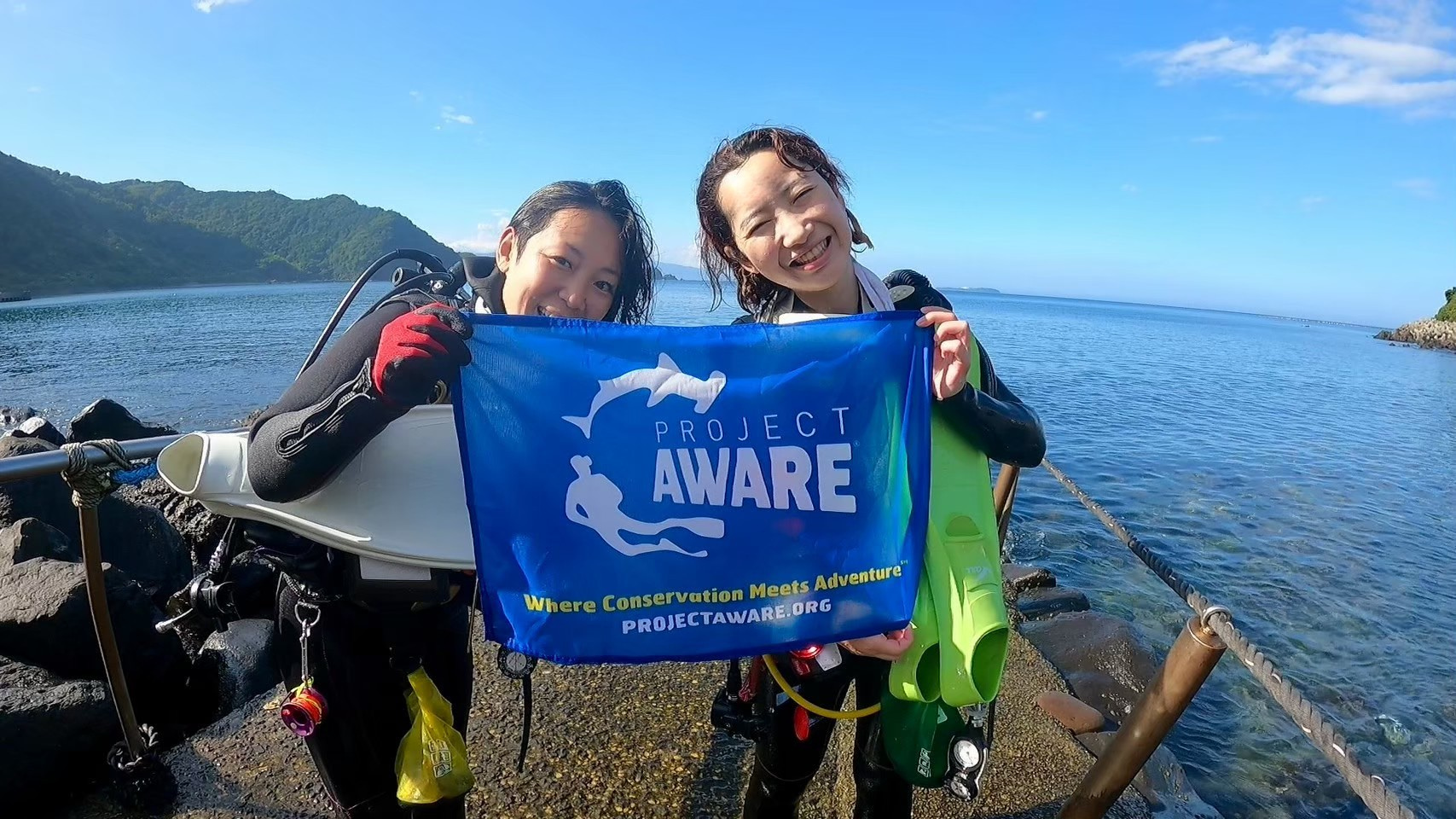
“MORE SCHOOL was inspired by something very encouraging: I began seeing more and more divers who genuinely wanted to help address marine debris and environmental issues,” she notes. “Removing underwater debris requires more than good intentions. It requires knowledge, proper training and a strong commitment to safety. No piece of trash is worth risking your own safety or your buddy’s.”
By teaching environmental awareness alongside technical diving skills, MORE SCHOOL provides a professional pathway for those who want their passion for the ocean to translate into tangible, positive change. This initiative is not just about cleaning up the past; it is about building a future where the next generation of divers is equipped to protect the habitats they explore.
A Legacy of Stewardship
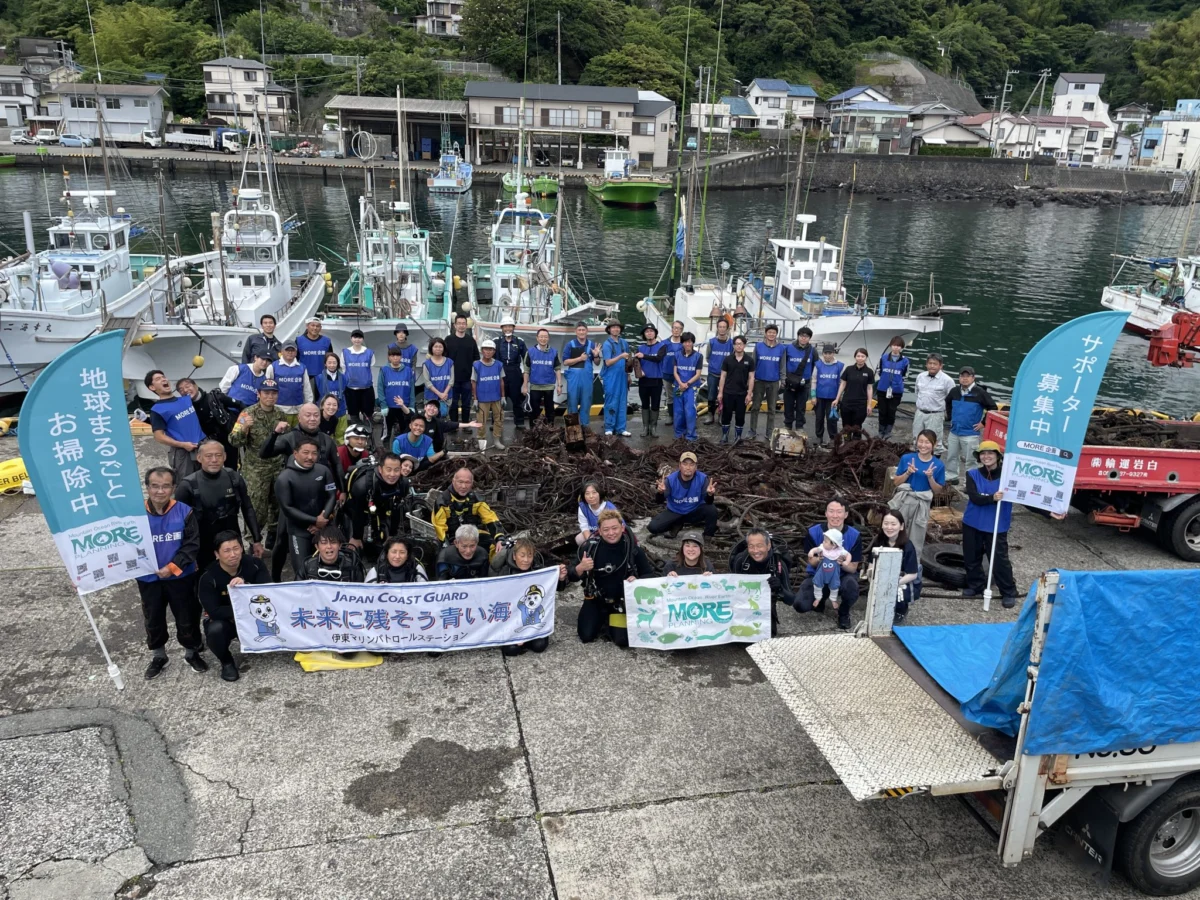
When asked about the most rewarding moments of her career, Shirai points to the launch of the Izu Peninsula Marine Debris Cleanup Project in 2024. The project has seen incredible growth, mobilizing over 500 volunteers to clean 13 different ports and marinas. The sheer volume of debris removed—often several tons per event—is impressive, but for Shirai, the true measure of success is the attitude of those involved.
She describes watching volunteers spend long, grueling hours in the mud and water, wrestling with heavy, foul-smelling debris, only to emerge at the end of the day with smiles and a renewed commitment to return. This, to her, is the most hopeful sign of all. It proves that when people are connected to a cause, they are willing to put in the hard work necessary to see it through.
Looking toward the next decade, Shirai’s vision is ambitious. She aims to expand the Izu Peninsula model to other regions of Japan, ensuring that every port and marina has a system for ongoing maintenance and cleanup. Yet, she remains grounded in the reality that cleaning is only half the battle. Lasting success, she maintains, is found in education and the fostering of a culture where people feel a personal, emotional connection to the places they inhabit.
“People protect places they feel connected to,” she says. “Divers are uniquely positioned to create that connection by sharing what they see underwater and inviting others to become part of the solution.”
By reminding the world that we are merely guests, and by demonstrating that the health of the ocean is tied to the health of our mountains and rivers, Yumi Shirai is successfully shifting the conservation narrative. Through her work with MORE Planning, she has proven that the path to a cleaner, more sustainable ocean begins with a broader perspective—and a commitment to protecting the environment in every form it takes, from the peaks of the mountains to the depths of the sea.