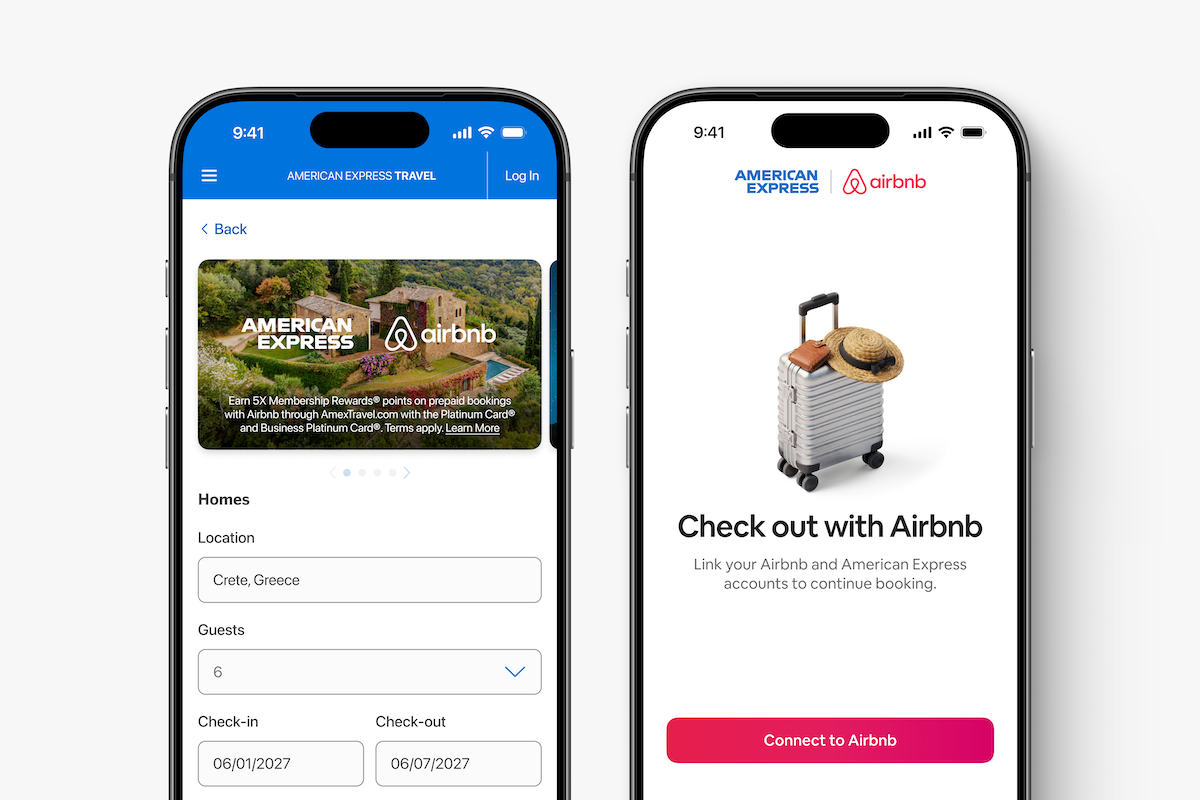
In a significant shift for the digital travel landscape, American Express has officially bridged the gap between traditional travel booking and the short-term rental market. As of Thursday, Airbnb has been named the exclusive vacation rental partner for Amex Travel, a move that fundamentally changes how the financial giant’s cardholders interact with the platform. By integrating more than 1 million Airbnb listings into a dedicated "Homes" tab on AmexTravel.com and within the American Express Travel mobile app, the company is signaling a major expansion of its lifestyle services, effectively allowing its premium customer base to book residential-style stays alongside traditional flight and hotel reservations.
This partnership is a notable milestone for both brands. For American Express, the integration addresses a long-standing demand from cardholders who have increasingly gravitated toward the flexibility and local experience offered by vacation rentals. For Airbnb, the deal offers unprecedented exposure to a high-spending demographic that historically relies on Amex Travel for their luxury and business travel arrangements. The collaboration serves as a bridge between two titans of the industry, creating a centralized ecosystem where users can leverage their loyalty points and card benefits across a more diverse range of lodging options.
The arrival of Airbnb on the Amex Travel portal, however, arrives against a complex backdrop of existing industry alliances. American Express maintains a long-standing and critical business-to-business relationship with Expedia, which has served as a primary engine for the Amex Travel infrastructure for years. Since 2015, when Expedia acquired Travelocity, the relationship has deepened, with Expedia providing the essential technology stack, flight inventory, and hotel supply that powers the Amex booking experience. This B2B arm of Expedia is a powerhouse in the industry, supplying backend travel services to various card issuers, airlines, and independent travel agencies, with a particular focus on facilitating loyalty program redemptions.
The dual existence of Expedia and Airbnb within the Amex Travel ecosystem raises questions about how these competing services will coexist. On the surface, the two providers appear to occupy different segments of the travel market: Expedia handles the structured, traditional side of travel—flights, global hotel chains, and car rentals—while Airbnb provides the decentralized, residential experience that has disrupted the hospitality sector over the last decade. Yet, as the lines between "travel" and "lodging" continue to blur, the integration of both into a single platform suggests that American Express is moving toward a more holistic, curated travel marketplace.
Despite the speculation regarding competitive friction, American Express has been quick to emphasize that the new partnership with Airbnb does not signal a retreat from its foundational relationship with Expedia. An American Express spokesperson clarified the strategic intent behind the move, stating, "There’s no change to our existing business with Expedia." The statement further highlighted that the Airbnb partnership is specifically calibrated to address a gap in their current portfolio, noting, "The Airbnb partnership is focused on expanding our short-term rental offering and giving cardholders more choice."
This clarification is essential for understanding the broader strategy at play. American Express is not replacing one provider with another; rather, it is diversifying its supply chain to ensure that its travel portal remains the "first-stop" for its cardholders. By bringing Airbnb into the fold, Amex is effectively catering to a changing consumer profile. Many affluent travelers, particularly those who travel for extended periods or prefer the amenities of a private home, have previously had to step outside the Amex ecosystem to book their stays. By bringing those bookings in-house, Amex ensures it captures the transaction data, maintains the customer relationship, and keeps the user within its digital environment for the duration of the trip planning process.
For Expedia, the continued reliance on its B2B services by American Express remains a validation of its technology and scale. Expedia’s B2B division has become one of its most profitable and stable revenue streams, shielding the company from the volatility of direct-to-consumer booking fluctuations. By acting as the "plumbing" for major brands, Expedia has cemented its position as an indispensable player in the travel value chain. Even as Amex invites direct competitors like Airbnb into its marketplace, the core infrastructure that facilitates the booking, payment, and ticketing for flights and hotels remains firmly under the purview of the Expedia-Amex partnership.
The integration process itself is designed to be seamless. Users of the Amex Travel portal will see the new "Homes" tab as an intuitive addition to the existing search interface. The listings will be curated to align with the standards expected by American Express cardholders, ensuring that the integration maintains the brand’s reputation for quality and security. This is not merely a redirect to Airbnb’s own website; it is an integrated experience that allows for a cohesive booking flow within the Amex environment. This level of integration is likely to boost conversion rates, as cardholders can utilize their membership perks, such as point redemptions or travel credits, in a way that feels native to their American Express account.
Industry analysts observe that this move is indicative of a broader trend in the travel sector: the move toward "super-apps" or comprehensive travel platforms. Consumers are increasingly wary of managing multiple logins, fragmented loyalty programs, and scattered booking confirmations. By aggregating inventory from both traditional aggregators like Expedia and specialized platforms like Airbnb, American Express is positioning itself as a one-stop-shop that can handle any travel requirement, whether it is a business trip to a hotel in London or a family vacation at a villa in Tuscany.
The timing of this rollout is also significant. With the travel industry having fully rebounded from the disruptions of the early 2020s, travelers are showing a renewed appetite for varied experiences. The "work from anywhere" culture has made long-term rentals and residential stays a permanent fixture of the travel landscape rather than a temporary trend. By formally incorporating Airbnb, American Express is acknowledging that the "home away from home" is now a standard, rather than an alternative, component of modern travel.
The success of this partnership will likely be measured not just in transaction volume, but in the retention and satisfaction of Amex’s premium cardholders. If the integration of Airbnb listings proves successful, it could set a precedent for other luxury travel providers to follow suit, potentially leading to more specialized partnerships that prioritize curated inventory over generic search results.
As the industry observes how this collaboration unfolds, the focus remains on the balance between innovation and legacy. American Express is successfully navigating this by diversifying its partners while protecting its core infrastructure. For the consumer, the outcome is straightforward: a more comprehensive booking platform that leverages the best of both worlds. The travel portal, once defined by the standard airline and hotel inventory provided by giants like Expedia, is now evolving into a more flexible, lifestyle-oriented service that mirrors the changing habits of the modern traveler.
While the inclusion of Airbnb is a major development, the underlying strength of the American Express Travel ecosystem remains its ability to integrate these diverse services into a unified, reliable user experience. As the company continues to refine its offerings, the "Homes" tab is likely to become as integral to the platform as the flight search tool, marking a new chapter in how one of the world’s largest financial institutions facilitates the movement of its customers across the globe. The partnership underscores a reality where the digital and physical worlds of travel are increasingly intertwined, and where the platforms that provide the most choice, without compromising on reliability, will likely win the loyalty of the modern, sophisticated traveler.