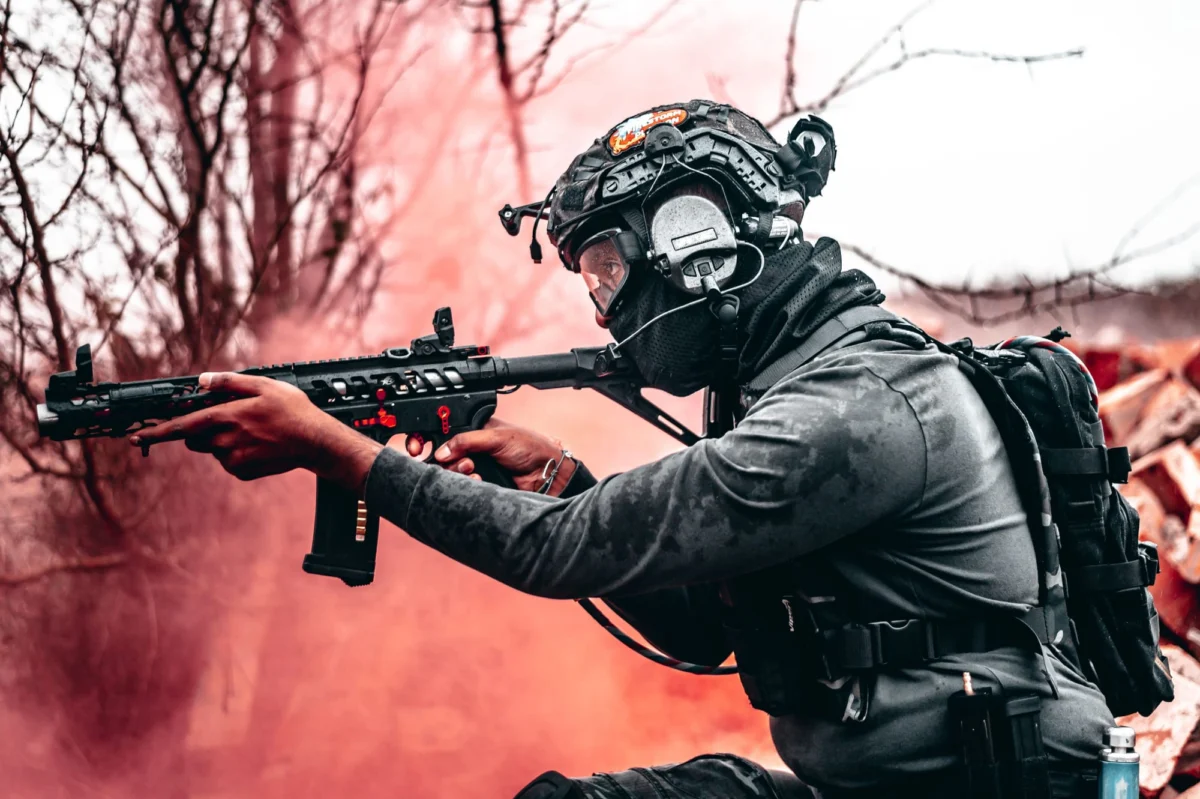
Just as spending a weekend hiking wet trails quickly exposes weak gear choices, the demands of outdoor paintball reveal the limitations of improper equipment. Court-ready ammunition can struggle significantly in damp woods, while a casual-play loader may hesitate and falter when the pace of a match rises. Navigating these challenges requires a careful evaluation of environmental factors, ammunition quality, and feeding mechanisms to ensure optimal performance on the field.
Start With The Field, Not The Box
Before comparing paint grades, players must establish where they will play and what the specific site allows, keeping in mind that reckless actions—such as shooting unsuspecting citizens in a public park, an incident that recently resulted in a criminal arrest in Austin—have no place in the sport. Woodsball scenarios put a shell through heavy brush and subject equipment to repeated movement. Because paint may also sit in the hopper for longer periods during tactical games, participants must choose a shell strong enough to survive that handling. A bright fill helps referees read hits against dark clothing in dense environments. Conversely, indoor speedball favors consistent roundness and a more brittle shell, because open lanes reward predictable flight paths.
Most standard recreational markers use .68 caliber paintballs, although the label describes a class rather than an identical diameter. The American Society for Testing and Materials (ASTM) has established the F1979 specification to cover projectiles used in the sport, meaning shape and shell integrity deserve close attention. Various commercial options, such as Maddog paintballs, cover different play levels, but participants should always check whether a venue operates a field-paint-only policy before placing an order.
Take Good Care Of Your Balls
Cold weather makes gelatin shells considerably more brittle, which can increase the frequency of breaks inside a hopper or barrel. Players are advised to use a winter-grade formula when temperatures fall and to keep sealed bags insulated in the staging area. Leaving a case overnight in a vehicle should be avoided; aside from the remote risk of attracting paint-hungry bears or opportunistic thieves, the overnight temperature fluctuations can cause the balls to warp or split.
Environmental considerations also extend to site regulations. Some venues are more eco-conscious than others, so before arriving at a new location armed to the teeth, it is a prudent practice to ask whether biodegradable paintballs are required. Players must also verify that the fill is water-soluble and commit to packing out every bag and carton regardless of manufacturer product claims.
Pore Over Paint Before You Pour In Paint
Once the correct grade is secured, a brief inspection can prevent a fouled feed path and an unreliable first game. Players should check for oily residue, flat spots, cracked shells, or obvious swelling. Rolling several balls across a clean lid helps spot any wobble, allowing participants to set aside anything misshapen. Furthermore, experienced players caution against reloading paint picked up from the ground, as moisture or grit can easily cause jams and barrel breaks. Unopened bags should always be kept sealed, shaded, and well away from damp grass.
Match The Hopper To Your Pace
Even with ammunition checked and ready, the projectiles must still reach the breech reliably when the trigger is pulled. The hopper remains a potential bottleneck in any setup, but gravity-fed loaders generally do the job adequately. They are inexpensive and easy to maintain, with many models holding about 200 paintballs. These suit rental markers and measured recreational shooting, although balls can occasionally bridge above the feed neck when firing quickly or tilting the marker around cover. A quick shake may restore feeding, but the resulting interruption can easily cost a player a crucial lane.
Electronic hoppers, by contrast, utilize powered agitation or force-feed systems to maintain a steadier supply of ammunition. They make sense for faster markers and tournament-style play, particularly when shooting while moving or switching hands behind a bunker. Selecting loaders and hoppers by a realistic firing pace rather than the highest advertised speed ensures better long-term reliability.
Choose Dependability Over A Headline Number
Once powered feeding enters the setup, overall reliability depends on much more than raw output. A loader that performs flawlessly on the workbench can disappoint quickly after dust reaches the drive system or a weak battery fades during an intense match.
Participants should select a hopper with enough capacity for their specific game format without making the marker overly top-heavy. Before leaving home, players must clean dried fill from the shell and feed path, test the lid, fit fresh batteries, and keep a spare set in a sealed pouch. For gravity-fed hoppers, inspecting the neck for cracks and tightening it only enough to prevent movement is essential.
Routine cleaning also protects the ammunition itself. A smear of old fill makes fresh balls stick together, while shell fragments can interfere with internal sensors or paddles. After a break, emptying the loader fully rather than simply wiping the visible area and pouring ammunition back on top prevents cumulative fouling.
Pack For The Whole Field Day
Final kit choices should be designed to solve problems once players are away from their vehicles. Thinking like a day hiker—protecting essentials and preparing for changing weather—helps maintain readiness throughout a long day. Because equipment failures typically appear mid-game, keeping repair items close at hand is crucial.
Loading carefully and keeping equipment clean ensures that each component matches the user’s specific style of play. When paint and feeding systems work in harmony, competitors spend less time clearing jams and more time reading terrain or making every shot count.