Electric vehicles offer a fresh way to experience Iceland’s remote landscapes, but driving them outside urban areas presents unique challenges. Longer distances, unpredictable weather, and sparse services can reshape how you plan and travel. Careful route selection and preparation are essential when using an electric vehicle on the island’s most scenic roads.
Driving electric vehicles in Iceland’s wild terrain feels different from typical road trips elsewhere. This remote region is known for changing weather, vast distances, and stretches where services may be limited. Adventure travelers are drawn to the potential for low-impact travel, seeking both sustainability and freedom. In addition to learning about how to rent a car in Iceland, it is important to consider the practicalities unique to traveling with an electric vehicle across these landscapes.
The allure of traversing Iceland’s dramatic topography without burning fossil fuels has captured the imagination of environmentally conscious travelers from around the globe. The nation’s ambitious push toward renewable energy makes the transition to electric mobility a natural fit for visitors looking to minimize their carbon footprint while taking in glaciers, volcanic fields, and black sand beaches. Yet, the physical realities of the island demand a level of logistical foresight that goes far beyond conventional tourism. When modern battery technology meets ancient, untamed geography, drivers must adapt to a completely different set of driving dynamics and environmental variables.
Navigating long stretches and variable conditions
Distance between gas stations and shops can be considerable on many scenic routes. On some stretches, you may drive for hours before seeing a village or a place to refuel or recharge. Electric vehicles introduce another element, as public charging points are often less dense than in more populated regions.
Narrow roads with little to no shoulder are common, and strong winds or sudden rain can make driving feel more exposed. Weather in these areas can change quickly, with fog or sleet developing within minutes. These conditions emphasize the importance of vigilance, flexibility, and up-to-date information as you travel.
The sheer scale of Iceland’s countryside means that urban comforts disappear quickly once travelers venture past the capital region or the main ring road. As drivers navigate remote fjords and highland approaches, the infrastructure thins out correspondingly. While traditional internal combustion vehicles can rely on a dense network of fuel stations spaced at relatively short intervals, the electric vehicle charging grid—though rapidly expanding—still features notable gaps in truly isolated sectors. This makes every percentage point of battery capacity a critical metric for travelers to monitor.
Compounding these distance challenges are Iceland’s notoriously volatile meteorological patterns. A journey that begins under clear blue skies can transition into fierce gales, heavy downpours, or blinding snow within a single hour. Narrow, unpaved roads lacking guardrails or wide shoulders require absolute concentration, and when adverse weather restricts visibility, the physiological and psychological strain on the driver increases. In an electric vehicle, managing cabin heating, defrosters, and windshield wipers also draws energy from the primary battery, linking weather survival directly to vehicle range management.
Considering range and route planning factors
Cold air, headwinds, and hilly terrain can affect electric vehicles differently than gas cars. You may notice the range indicator fluctuates as you gain or lose elevation. Carrying camping gear, food, or bicycles on the roof can also lower efficiency and reduce your expected travel distance.
On routes with gravel stretches, higher rolling resistance can further impact real-world range. Charging infrastructure is expanding, but it is sensible to build a buffer into your plan, accounting for detours or unexpected closures. Many travelers note that slow driving and conservative schedules can help maximize both efficiency and safety.
The physics of driving an electric vehicle in a sub-arctic environment introduce several variables that do not apply in milder climates. Low ambient temperatures significantly reduce the chemical efficiency of lithium-ion batteries, meaning drivers often experience a noticeable drop in driving range even before accounting for topography. Furthermore, Iceland’s mountainous terrain forces vehicles to consume substantial energy climbing steep inclines, while regenerative braking on descents only partially recovers that expended power.
External modifications and cargo also play an outsized role in energy consumption. The aerodynamic drag caused by roof boxes, camping equipment, or bicycles creates resistance that forces the electric motor to work harder, draining the battery much faster than it would during standard highway commuting. Similarly, driving on loose gravel roads—a staple of Icelandic secondary routes—increases rolling resistance. The friction between tires and unpaved surfaces demands continuous energy output, catching many first-time electric vehicle renters off guard when their dashboard range drops quicker than anticipated. To counter these factors, successful travelers learn to adopt a measured driving pace, avoiding rapid acceleration and factoring generous time buffers into their daily itineraries.
Charging habits and environmental responsibility
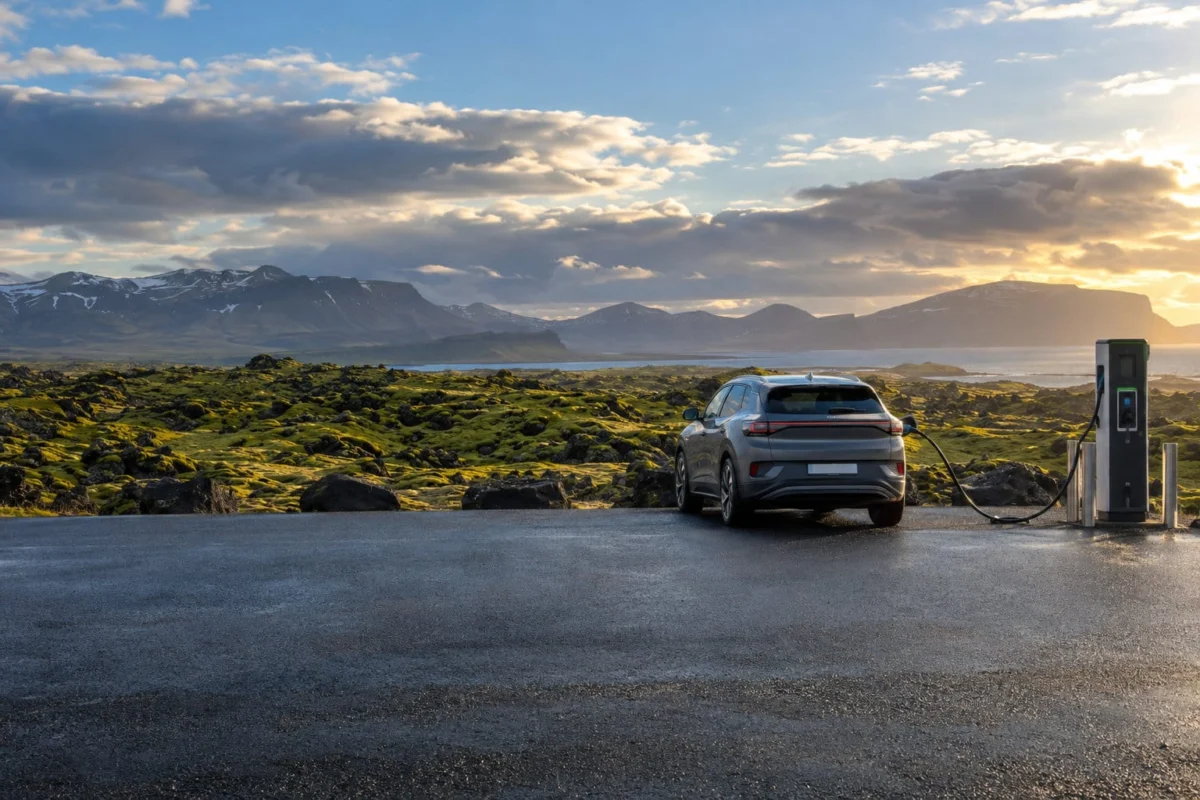
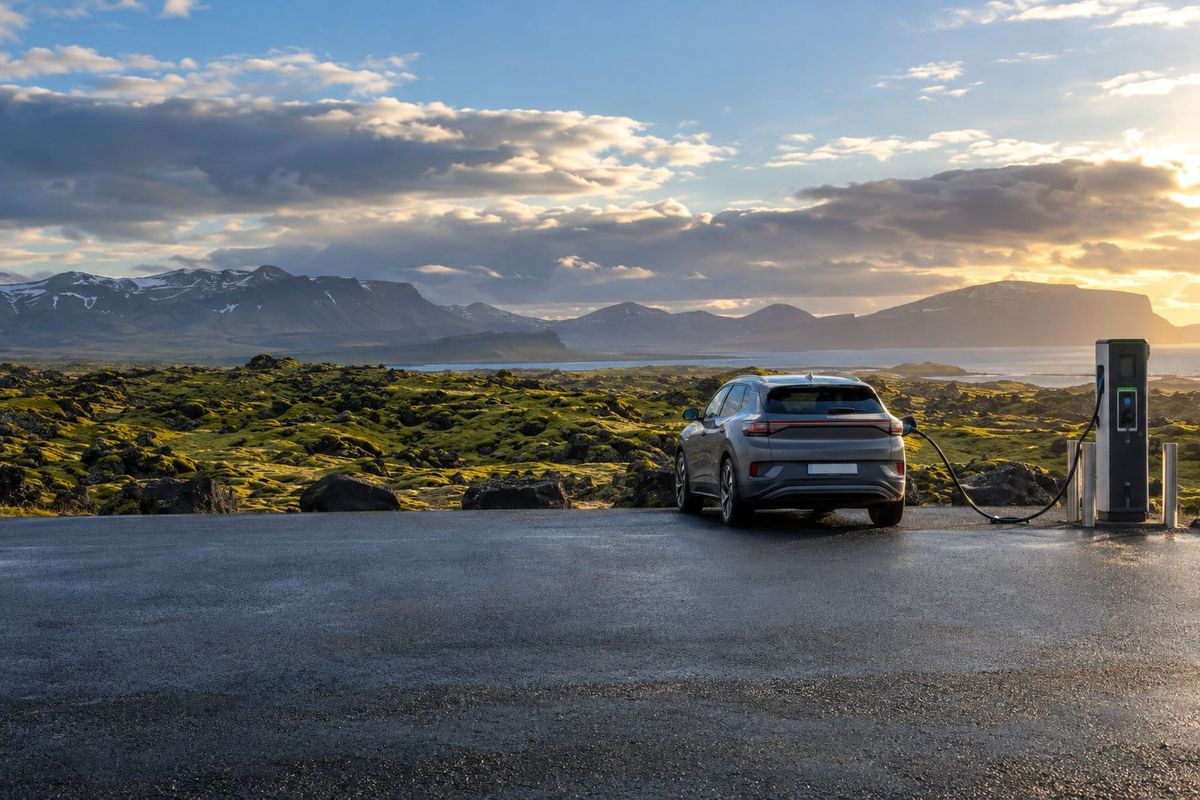
Most travelers encounter various charger types, including fast-charging units and regular AC outlets. It helps to check each station’s compatibility and typical wait times, as busy periods can mean multiple vehicles waiting to charge. What charging cables come standard can influence your experience, so clarify equipment details in advance.
Responsible road use involves more than emissions reduction. Legal roads must be respected to avoid damaging fragile areas, and you should pack out all waste with you. Careful planning and thoughtful travel habits help protect the environment and preserve Iceland’s remote beauty for future visitors.
Managing power replenishment requires a shift in routine compared to traditional refueling. Rather than stopping for a quick five-minute fill-up, electric vehicle drivers must integrate charging stops into their meal breaks, sightseeing walks, or overnight stays. Familiarizing oneself with the operational specifics of different regional networks—ranging from high-output direct current fast chargers to standard alternating current destination units—prevents frustrating delays on the road. Understanding which charging cables are provided with the rental vehicle ensures that drivers are never left stranded at a station incompatible with their hardware.
Beyond technical readiness, driving sustainably in Iceland extends to the very terrain the vehicles are designed to explore. The country’s delicate moss-covered lava fields and tundra ecosystems are exceptionally sensitive to human disturbance. Leaving established roadways is strictly illegal and causes severe, long-term scarring to the landscape that can take decades to heal. Combined with the fundamental ethos of packing out all personal waste, mindful route planning and respectful driving habits ensure that the push toward zero-emission transportation harmonizes with the broader imperative of preserving Iceland’s raw, untamed wilderness for the generations that follow.