By William E. Simpson II, Naturalist, Author, and Conservationist
In today’s fast-paced, modern world, the demands of contemporary society leave little room for daily reflection on where human civilization truly originated. Amid bustling urban centers, digital connectivity, and the relentless hum of industry, it is hardly a stretch to suggest that modern mankind has grown profoundly apart from its fundamental roots in nature. For countless individuals across the globe, this increasing disassociation from the natural world has resulted in a gradual erosion of our collective understanding of the delicate ecosystems that sustain us.
As modern consumerism places ever-increasing demands on the Earth’s remaining natural resources, the gap between humanity and the wild continues to widen. Fortunately, there are many wonderful and dedicated efforts seeking to bridge this growing abyss of understanding. Modern media, including high-definition television broadcasts and sweeping cinematic movie documentaries, frequently attempts to bring the majesty of the wilderness directly into living rooms around the world. These educational initiatives play a vital role in raising awareness about environmental issues and the beauty of untouched landscapes.
However, as valuable and well-produced as these educational media efforts undoubtedly are, they can never truly serve as a complete substitute for authentic ecotourism programs. True ecotourism uniquely provides actual, physical immersion into nature, allowing participants to experience the untamed wonders of the natural world firsthand.
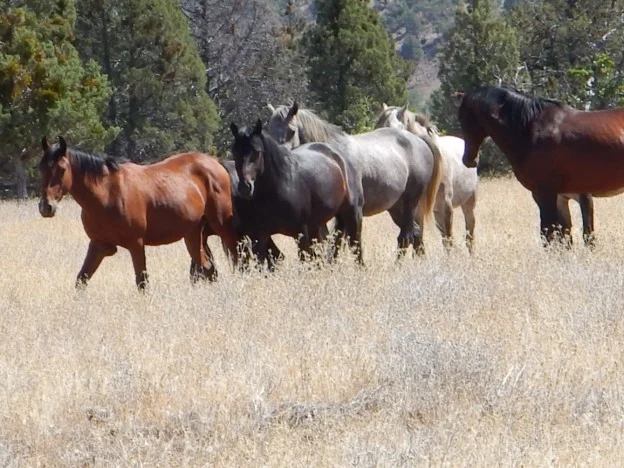
There is simply no substitute for stepping away from the concrete and experiencing the environment with all five senses. The distinct, crisp smell of a towering pine forest after a light rain, the echoing calls and high-altitude dialogue of eagles circling gracefully overhead, the striking sight of a majestic wild stallion standing vigilant guard over his family band, and the soothing, constant sound of a babbling crystal mountain stream rushing over ancient rocks are experiences that profoundly inform our human senses in a way screens never can.
Ecotourism offers an essential and powerful tool that benefits both mankind and nature alike. For humanity, these programs provide an opportunity for deep immersion into the natural world in a manner that is both deeply enjoyable and remarkably effective. Ecotourism allows for a thoughtful, educational communion with nature that delivers numerous levels of personal fulfillment. Alongside this enrichment comes an invaluable education that fosters a far greater, more respectful understanding of the natural environment. Ultimately, this enhanced understanding naturally cultivates a deeper sense of compassion and inspires better, more responsible stewardship of our remaining natural wonders.
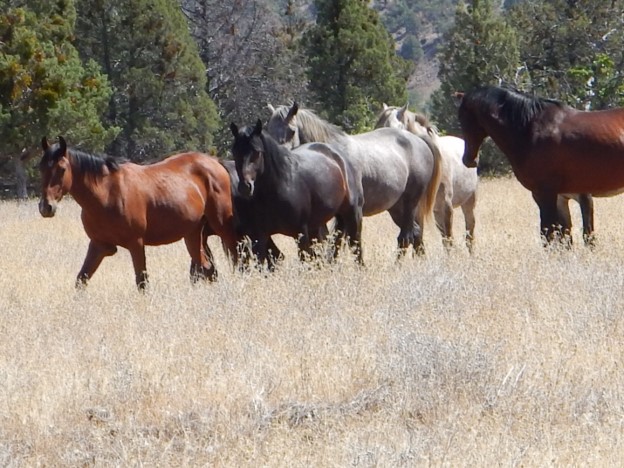
One prime example of implementing intelligent, forward-thinking natural resource management—while simultaneously creating robust opportunities for sustainable ecotourism—involves the careful rewilding of native species of American wild horses. Bringing these iconic animals back into select, appropriate wilderness areas where such rewilding is both ecologically and economically sensible represents a multifaceted solution to modern conservation challenges.
Local economies stand to benefit significantly from such initiatives. As highlighted in regional reports, such as a recent study detailing how Moffat County’s economy has been visibly boosted by the presence of wild horses, wildlife-focused tourism can breathe new life into rural communities. Data and surveys from these areas demonstrate that travelers are deeply drawn to landscapes where they can witness iconic American wildlife roaming free in their natural habitats.
The commercial film industry is already intimately familiar with the profound fascination that tens of millions of people worldwide maintain for horses, including wild and free-roaming horses. This widespread public captivation is exceptionally well evidenced by the numerous and highly successful feature-length Hollywood movies and critically acclaimed documentaries that have historically focused on equines. People across diverse cultures and generations are naturally drawn to the spirit, strength, and striking beauty of the horse.
At the same time, public land management agencies face significant logistical and financial hurdles. The appropriate rewilding of America’s wild horses from public lands and holding facilities—particularly from regions where they currently find themselves in chronic conflict with commercial livestock production enterprises—could yield staggering financial savings. Industry analysts and conservation advocates note that such a strategic shift could save the Bureau of Land Management nearly $100 million annually in taxpayer-funded holding costs, while simultaneously generating vibrant local and regional ecotourism opportunities that support rural economies.
As an added, critically important environmental benefit, properly managed and rewilded horses can play a proactive role in wildfire mitigation. Free-roaming equines naturally graze on native grasses and brush, effectively serving as living tools for wildfire fuels reduction. In ecologically sensitive wilderness and range areas that are currently at grave risk due to the growing threat of catastrophic wildfires, this natural grazing pressure can help reduce fuel loads and protect both wildlife habitats and nearby human communities.
Ecotourism remains, without a shadow of a doubt, a vital pathway toward achieving a better, more respectful understanding of nature and wildlife. By fostering direct connections between the public and our remaining natural resources, society can advance toward more effective and sustainable conservation practices for generations to come.