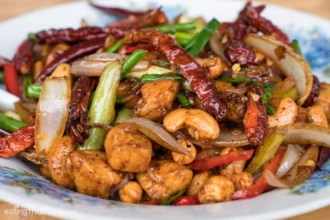
When exploring the vast and complex landscape of Southeast Asian cuisine, few elements are as fundamental to authentic flavor as coconut milk. While modern convenience has made canned and boxed alternatives ubiquitous on grocery store shelves worldwide, culinary purists and home cooks alike are increasingly discovering that mastering the art of making fresh, hand-squeezed coconut milk remains the definitive key to elevating traditional Thai dishes.
For those dedicated to achieving the true depth of flavor characteristic of authentic Thai cooking, turning away from processed alternatives and returning to the traditional method of extracting fresh milk from mature coconuts is a transformative experience. Preparing homemade coconut milk ensures that whether a recipe calls for rich coconut cream or lighter milk, the resulting dishes possess an unmatched richness and aromatic complexity that packaged goods simply cannot replicate.
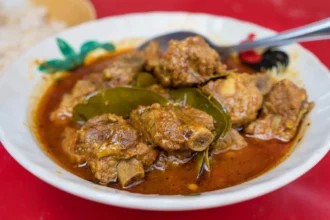
While commercial options—such as boxed varieties often favored by busy cooks—provide undeniable convenience when time is limited, culinary experts maintain that nothing compares to the quality achieved through the manual extraction process. The difference in taste is not merely incremental; dishes prepared with freshly pressed coconut milk emerge with a multi-layered flavor profile that fundamentally changes how the meal is experienced, particularly in classic preparations like Thai green curry, where coconut milk serves as an essential foundational pillar rather than a mere background ingredient.
Understanding the Distinction: Coconut Cream vs. Coconut Milk
Before embarking on the preparation process, understanding the structural difference between coconut cream and coconut milk is essential for achieving culinary success. While both derive from the same core ingredient, they serve distinct purposes in the kitchen and are harvested at different stages of the extraction process.

Coconut cream represents the initial extraction—often referred to as the first press—of a mature coconut’s meat. This product is exceptionally rich, thick, and velvety, containing a higher concentration of natural oils and solids. Coconut milk, by contrast, is typically derived from a subsequent press of the same grated meat, or through a combination of the initial cream blended with additional water to create a lighter consistency. Traditional Thai recipes frequently require these two components to be kept separate during the cooking process, allowing the chef to control precisely when the rich cream breaks down and releases its aromatic oils, versus when the lighter milk is introduced to build the body of a curry or soup.
Sourcing and Preparing Mature Coconuts
Achieving authentic results begins long before the kitchen counter; it starts with selecting the correct produce. Crucially, making traditional coconut milk requires mature coconuts featuring thick, dense white meat and a hard brown exterior shell, rather than the young green coconuts harvested primarily for their refreshing drinking water. These mature specimens provide the dense, oily flesh necessary to build genuine depth of flavor. In many Western markets across the United States and Europe, mature coconuts can regularly be found in Asian specialty grocers as well as select Latin American supermarkets.

Handling these mature specimens requires specific techniques, beginning with the initial de-husking process. Coconuts are typically encased in tough, fibrous brown hairs that must be removed prior to opening the shell. Using the sharp edge of a strong knife, cooks employ a controlled chopping motion rather than a sawing action to clear away the fibrous exterior, taking care to avoid letting the blade glance off the hard surface at an unsafe angle. Clearing these hairs thoroughly prevents unwanted debris from falling into the final extraction.
Once the exterior is cleared, cracking open the shell requires precision and practice. Rather than relying on a blunt instrument like a hammer or striking the coconut haphazardly against a hard surface—methods that tend to shatter the shell unevenly and complicate the subsequent meat extraction—experienced practitioners utilize the heavy, flat backside of a strong Chinese cleaver. By striking the coconut horizontally along its equator with short, controlled, and rapid blows while rotating the fruit, a clean fracture line develops all the way around until the shell separates into two neat halves.

Although the cavity inside the coconut typically contains pressurized liquid that may spray slightly upon breaking the seal, this water is not required for the traditional milk-making process, though it remains entirely safe to consume separately. The focus rests entirely upon the thick, white meat lining the interior walls of the shell.
The Extraction Process: From Meat to Milk
With the coconut cleanly divided into halves, the meat must be harvested efficiently without compromising its quality. Traditional methods in Thailand frequently employ specialized seating tools colloquially known as "rabbit scrapers," named for the posture assumed by the operator, which allows for safe and controlled shredding of the meat directly from the protective half-shell. Hand-held scrapers also provide an effective alternative.

The technique requires a steady, rhythmic approach, using the hard shell as a protective barrier for the hands while gently sliding the scraping tool across the white flesh. The goal is to produce light, airy, and bright white flakes of coconut meat that pile into a mound, taking care not to dig too deeply into the hard shell, which would introduce unwanted brown flakes into the mixture. A single medium-sized mature coconut generally yields approximately three hundred grams of these delicate shavings. Alternative preparation methods, such as utilizing a kitchen knife to chop the meat or attempting to process it directly in a blender, are generally discouraged; knives are exceptionally time-consuming and hazardous for this specific task, while standard blenders fail to produce proper coconut cream without extensive straining to remove lingering fibrous material.
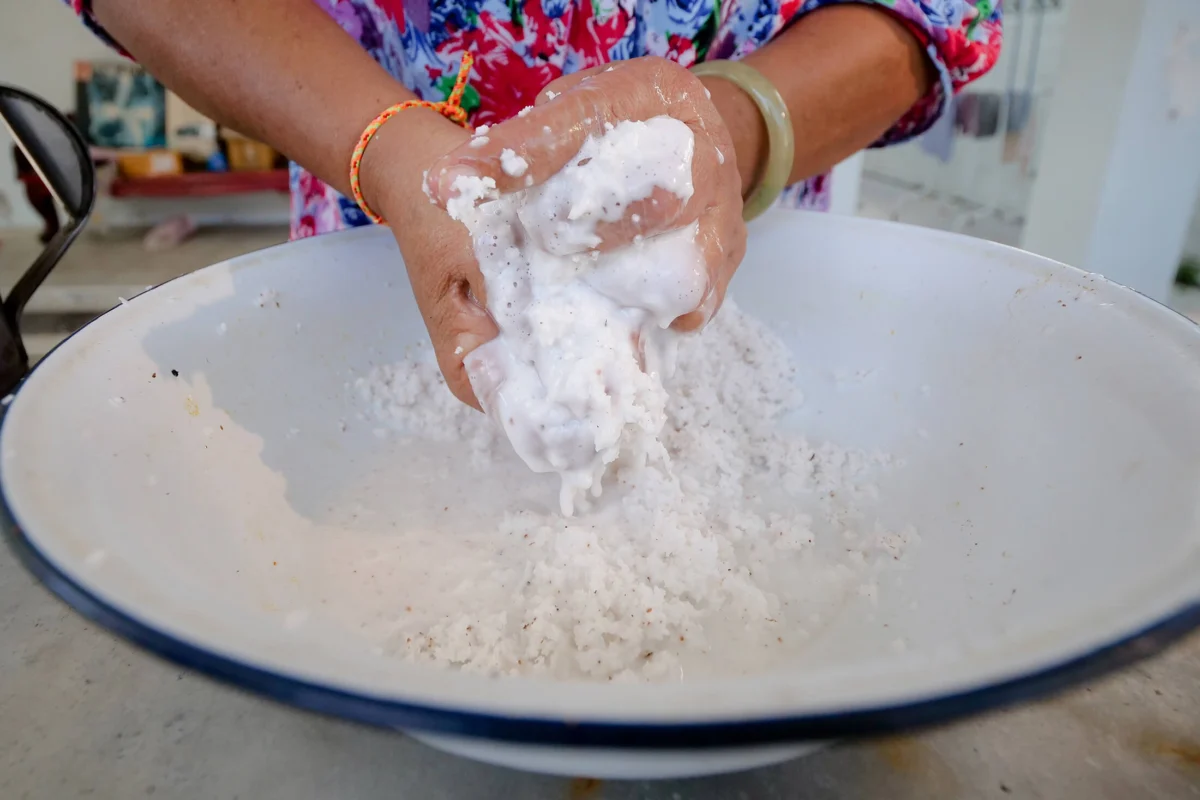
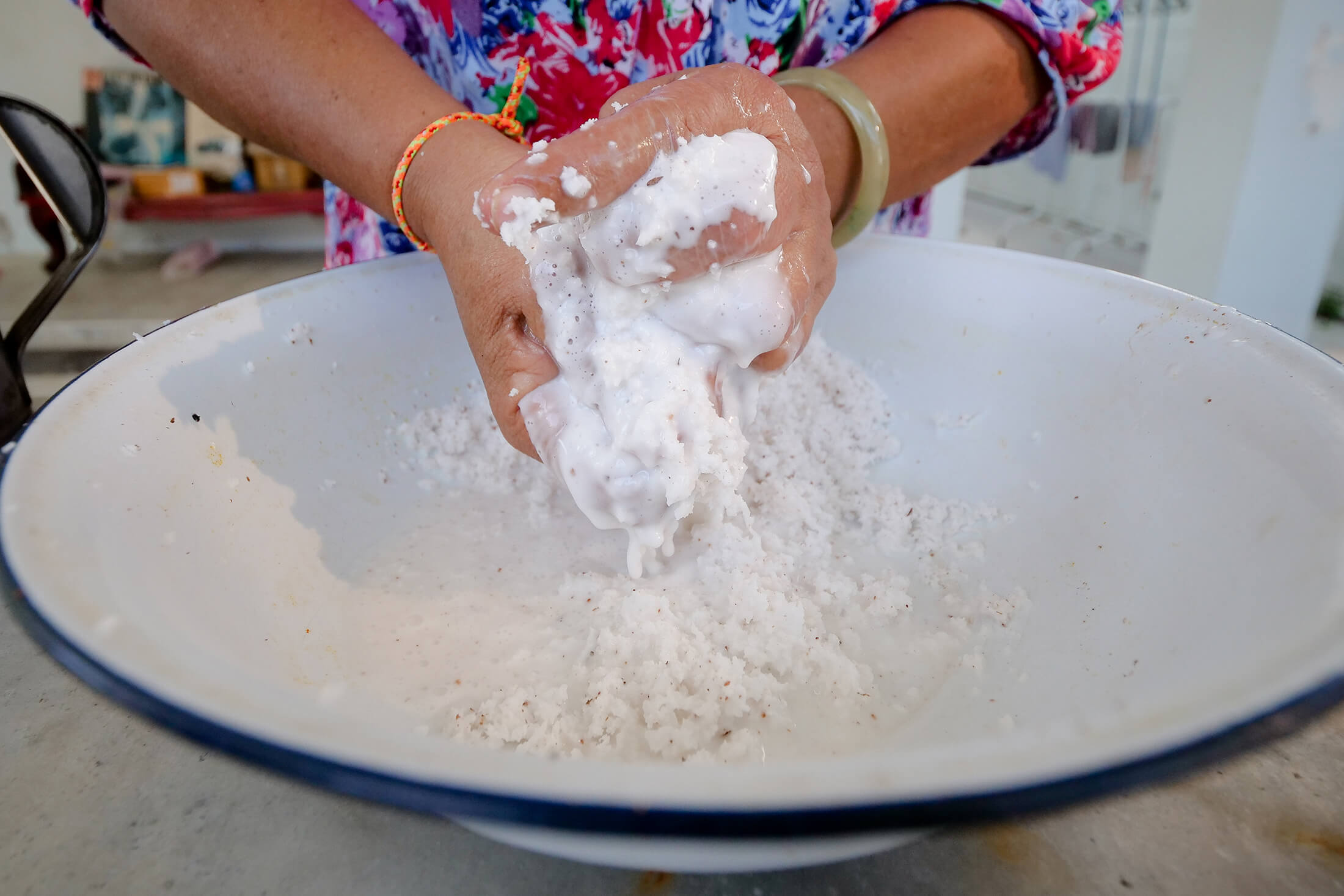
Once the shavings are harvested and transferred to a large mixing bowl, the transformation into cream and milk begins in earnest. Pouring a measured amount of room-temperature water over the coconut flakes, the cook thoroughly massages and kneads the mixture by hand. This mechanical action encourages the natural fats and solids within the mature coconut meat to emulsify with the water.

The resulting opaque, white liquid collected at the bottom of the bowl is the coveted coconut cream. Passing this mixture through a fine screen or cloth strainer into a secondary container separates the rich, velvety cream from the remaining damp fibers, leaving behind a thick product ready for culinary use.
To produce the secondary component—coconut milk—the process is repeated using the same strained coconut shreds. Adding a fresh portion of room-temperature water to the remaining pulp and repeating the manual massage and kneading process extracts the remaining soluble elements. Straining this second wash yields the lighter coconut milk.

Through this traditional method, a single mature coconut provides a combined total of roughly five hundred to six hundred milliliters of freshly squeezed coconut cream and milk. While keeping them separate remains the standard practice for many intricate Thai preparations to ensure precise control over texture and flavor development during cooking, they can also be combined depending on the specific requirements of the dish.
Ultimately, while the convenience of shelf-stable packaging ensures that canned and boxed alternatives will always have a place in modern kitchens, the deliberate effort required to crack, scrape, and press mature coconuts rewards the cook with an authentic taste of traditional Thai culinary heritage. For those willing to invest the time, the practice remains the definitive standard for achieving genuine flavor in Southeast Asian cuisine.