The hospitality landscape in the United Arab Emirates is currently undergoing a strategic recalibration as hotel operators navigate the lingering economic tremors of regional geopolitical instability. Specifically, the shadow cast by the U.S.-Iran conflict has created a complex environment for international tourism, forcing industry leaders to reassess their reliance on traditional long-haul travel corridors. As airfares remain elevated due to volatile jet fuel costs and complex flight paths, major hotel brands are increasingly looking toward the high-growth, short-haul markets of India, China, and Russia to sustain occupancy levels and drive revenue growth.
This shift in strategy represents a pragmatic response to the realities of the post-pandemic recovery era, which has been further complicated by shifting global geopolitical tensions. For years, the UAE—and Dubai in particular—served as a premier global hub, seamlessly connecting the Americas, Europe, and Australia to the rest of the world. However, the current economic climate has placed a premium on accessibility and affordability. With long-haul travel becoming prohibitively expensive for a significant segment of the middle-class tourist demographic, the focus has narrowed to regions within a five- to six-hour flight radius.
Saurabh Tiwari, Vice President for the Middle East, Maldives, and Sri Lanka at the Indian Hotels Company Limited (IHCL), which manages the prestigious Taj brand, articulated the necessity of this strategic pivot. "We’re targeting short-haul markets like India, China, and Russia, that are a five- to six-hour flight away," Tiwari explained. "Since jet fuel prices are more expensive than before, it is hard to expect people to come from long-haul markets like the Americas or Australia. Attracting visitors from long-haul markets is going to be wishful thinking."
This perspective highlights a fundamental change in the economics of international travel. When aviation fuel prices fluctuate, the impact is disproportionately felt on ultra-long-haul routes. Airlines, forced to pass these costs onto consumers, have inadvertently created a barrier that favors regional tourism. For the UAE’s luxury and mid-market hotel sectors, this means that the "bread and butter" of their occupancy rates must now come from markets where the travel threshold—both in terms of time and expenditure—is significantly lower.
India, in particular, has emerged as a cornerstone of this new strategy. According to Tiwari, India has been IHCL’s most reliable source market throughout the recent period of regional volatility. The strength of this relationship is built on a foundation of geographical proximity, strong cultural and economic ties, and a growing middle class that views the UAE as an aspirational yet attainable destination. Compared to the logistical hurdles and high ticket prices associated with flying from the United States or the far reaches of the Southern Hemisphere, the Indian market offers a consistent flow of visitors whose travel decisions are less sensitive to the specific geopolitical jitters that might otherwise deter a traveler from New York or Sydney.
The reliance on these specific markets is not merely a defensive measure; it is a recognition of the shifting demographics of global travel. China, having reopened its borders after a prolonged period of isolation, represents a massive, latent demand for outbound travel. Similarly, the Russian market has continued to show resilience in its interest in the UAE, despite broader global economic sanctions and the complexities of international travel. By concentrating marketing efforts and operational focus on these regions, UAE hoteliers are attempting to build a buffer against the unpredictability of Western travel demand.
Beyond the logistical convenience of shorter flights, there is also the matter of price sensitivity. The original luxury-heavy model of the UAE tourism sector is being augmented by a push for broader affordability. As the market matures, there is an increasing recognition that to fill the sheer volume of new hotel rooms coming online across the UAE, operators must appeal to a wider array of price points.
This is where the recent trends in room pricing become critical. As competition among hotel operators intensifies, some are finding that lower nightly rates are acting as a powerful incentive for travelers who might have previously viewed the UAE as a "once-in-a-lifetime" luxury destination. By recalibrating room rates to be more competitive, the UAE is effectively opening its doors to a broader demographic of travelers from these short-haul markets. This strategy serves a dual purpose: it mitigates the impact of the cooling demand from the Americas and Europe, while simultaneously ensuring that the massive infrastructure investment in the UAE’s hotel sector continues to generate returns.
The ripple effects of the U.S.-Iran conflict have served as a catalyst for this change, but the shift is likely to be permanent. The hospitality industry in the Middle East has historically been reactive to global events, but the current pivot suggests a more proactive approach to risk management. By diversifying their source markets and focusing on regions that provide high-volume, consistent demand, operators like IHCL are building a more robust model that can withstand localized geopolitical tensions.
Furthermore, the focus on India, China, and Russia aligns with broader national economic development goals in the UAE. The government has long promoted the UAE as a global tourism hub, but the recent focus on short-haul markets reflects an understanding that regional stability and economic integration are the true drivers of sustainable tourism growth. As these travelers arrive in greater numbers, they not only support the hotel industry but also bolster the retail, dining, and entertainment sectors, which have become integral components of the UAE’s "experience economy."
However, the transition is not without its challenges. The hospitality industry must now work harder to tailor its offerings to these specific markets. Whether it is adapting culinary menus to cater to different cultural preferences, ensuring language accessibility, or providing services that resonate with these specific visitor profiles, the industry is undergoing a period of rapid evolution. The competition for these travelers is also increasing; other regional destinations are similarly vying for the attention of the growing Indian and Chinese middle classes.
As the industry moves forward, the success of the UAE’s tourism sector will depend on how effectively it can balance its long-standing reputation for ultra-luxury with this new, volume-driven strategy. The reliance on short-haul markets provides a vital safety net, but it also requires a sustained commitment to quality and service that has become the hallmark of the UAE brand. For now, the strategy appears to be paying dividends, with hoteliers reporting that the influx of travelers from these key corridors is providing the necessary support to navigate a difficult global economic landscape.
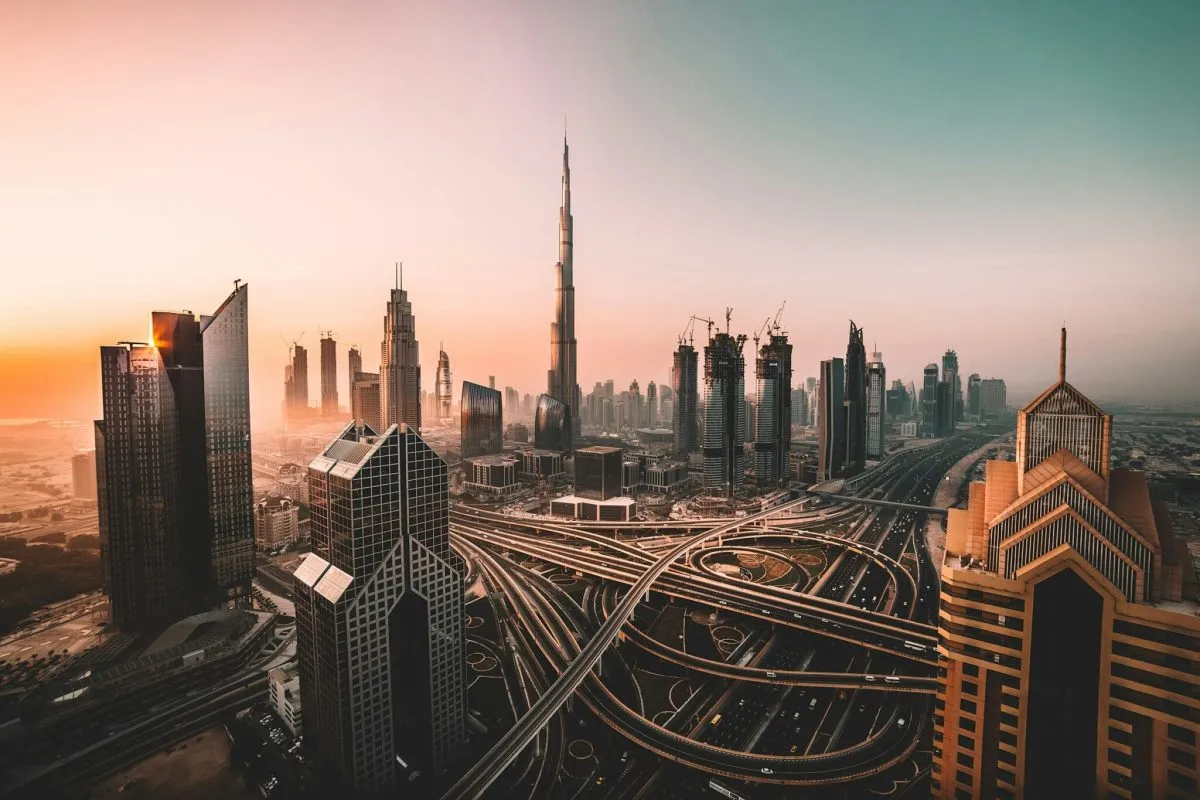
While the dream of attracting vast numbers of long-haul tourists remains a long-term goal, the current reality dictates a focus on what is achievable and sustainable. The UAE’s ability to pivot, adapt, and refine its target markets in the face of uncertainty remains a testament to the resilience of its hospitality sector. By embracing these regional neighbors, the UAE is not just recovering from a period of disruption; it is laying the groundwork for a more diversified and durable tourism future, ensuring that the Dubai skyline remains a vibrant destination for the next generation of international travelers.