Bangkok-based health insurance provider Luma has officially entered the competitive travel insurance market, bringing its extensive background in expatriate healthcare across Southeast Asia to short-term travelers. Known historically for offering comprehensive medical coverage for expats living in Thailand and neighboring countries, the company is now applying its regional expertise to a new line of travel insurance products designed to offer high-value medical protection at affordable, flat-rate pricing.
The newly introduced travel insurance portfolio mirrors Luma’s corporate focus on delivering robust medical benefits without the prohibitive pricing models typically encountered by older travelers. While the company initially built its reputation on long-term expat health plans, this strategic expansion targets vacationers, business travelers, students, and frequent regional flyers embarking on journeys lasting under six months.
Who the Coverage Is Designed For
Luma Travel Insurance is tailored primarily for individuals planning short-term international trips. This encompasses standard vacations, corporate assignments, short academic programs, and recurring travel throughout designated coverage zones.
A defining characteristic of the new insurance line is its pricing structure, which is entirely independent of the traveler’s age. This approach provides a distinct advantage for older expatriates and retirees, as insurance premiums traditionally scale dramatically as policyholders age. Under Luma’s model, a traveler in their seventies pays the same base rate as a traveler in their twenties, addressing a notable gap in the traditional travel insurance market.
However, industry analysts note that the product is strictly intended for short-term mobility. Individuals planning permanent relocations or long-term residency abroad are advised to secure comprehensive international health insurance policies rather than relying on short-term travel coverage, a distinction Luma also accommodates through its existing product offerings.
Plan Tiers and Core Benefits
Luma offers four distinct plan tiers to accommodate varying travel needs and budgets: the Essential, Explorer, Adventurer, and Pioneer plans. Pricing scales according to the selected tier, starting at approximately US$68 for the basic Essential plan, moving to US$97 for the Explorer tier, US$147 for the Adventurer option, and reaching US$260 for the top-tier Pioneer policy.
Even the entry-level Essential plan provides substantial medical safeguards, featuring up to US$200,000 in medical treatment coverage. This baseline protection includes emergency hospitalization, outpatient care, and related medical services. Higher-tier plans incorporate broader travel-related inconveniences, such as compensation for lost baggage and flight delays.
Despite the strong medical limits, policyholders must navigate specific operational caps. The basic plans enforce a daily limit of US$261 for hospital room and board. While this threshold generally suffices for standard private healthcare facilities across Southeast Asia, it may fall short of covering expenses at ultra-premium medical centers such as Bumrungrad International Hospital or Bangkok Hospital. Furthermore, because the product functions strictly as travel insurance rather than comprehensive health coverage, it explicitly excludes long-term management of pre-existing and chronic medical conditions, such as cancer.
Geographic Coverage Zones
The geographical scope of Luma’s travel insurance is divided into specific regional zones. Zone 1 focuses on core Southeast Asian nations, including Thailand, Laos, Cambodia, and Vietnam. Zone 2 extends coverage to wider Asian destinations such as Japan, South Korea, and Taiwan. In response to shifting travel demands, Luma has also expanded route availability to include select international corridors, such as Europe to accommodate Schengen visa requirements.

During the application process, customers select their specific destination countries, and the company’s platform automatically assigns the appropriate coverage zone. Luma continues to evaluate opportunities to broaden its global footprint to encompass additional international regions.
Sports and Evacuation Provisions
When evaluating adventure activities and sports, the policy maintains standard exclusions for high-risk pursuits such as scuba diving and Muay Thai training. However, recreational skiing is covered provided it remains on designated, official tracks. Travelers planning specialized athletic activities are encouraged to review policy wordings closely or consult support representatives directly.
In contrast, provisions for emergency medical evacuation and repatriation are notably comprehensive. Both services are covered in full across the policy tiers, offering critical security for travelers venturing into remote regions where local medical facilities may be inadequate for severe emergencies.
Claim Procedures and Regional Support
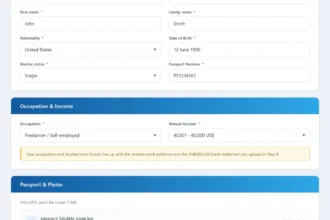
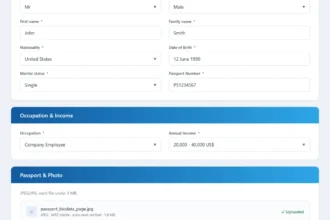
The claims process requires policyholders to submit an online form accompanied by mandatory supporting documentation, including a passport copy, an official medical certificate, and itemized hospital receipts. For claims exceeding US$500, Luma may request physical copies sent to its regional offices in Asia. Processing times generally average five business days upon receipt of complete documentation.
Feedback from expatriate communities regarding the claims experience is varied. While many policyholders report prompt settlements and professional service from local staff, others note that response times can occasionally lag behind larger international competitors. To mitigate potential disputes, Luma recommends that policyholders contact their support team prior to seeking hospital treatment, enabling staff to direct patients to approved facilities and streamline billing procedures. Direct billing arrangements are generally reserved for major claims exceeding US$1,000 under specific circumstances.
Luma’s primary operational strength lies in its deep familiarity with Southeast Asian healthcare infrastructure. Through established local support networks in countries like Thailand, Cambodia, Vietnam, Laos, and Myanmar, the provider assists policyholders in navigating unfamiliar medical systems—a capability highlighted by past major claims, including a notable bacterial lung infection case in Indonesia that totaled over US$25,000.
Comparative Market Position
When measured against other regional and international providers, Luma holds a competitive position primarily due to its flat-rate pricing model. While alternatives like SafetyWing, Genki Traveler, ACS, and World Nomads offer varying blends of worldwide coverage, higher medical limits, or comprehensive sports packages, Luma remains one of the most cost-effective options for standard medical protection within Asia for travelers of advanced age.
As the company establishes its footprint in the travel sector, industry observers emphasize the importance for consumers of reviewing specific policy exclusions, verifying destination zones, and securing coverage prior to departure to ensure full validity of their insurance protection.