Arrival in the High Alps
Truth be told, the initial prospect of the journey brought a familiar wave of hesitation. Traveling alone to another country can feel quietly intimidating, especially for someone who admits to having the worst sense of direction. The anxious inner monologue is a common companion for solo travelers: Will there be a language barrier? Will it be easy to get around? Is it safe for a woman on her own? Without a smartphone map, a simple choice of direction can easily turn into a wrong turn. Yet, as many seasoned travelers discover, getting lost is sometimes the only way to find exactly where you need to be.
The destination was the Mountain Yoga Festival in St. Anton am Arlberg, Austria. Having experienced a handful of traditional wellness retreats in the past, a festival format was entirely new territory. While retreats typically feature small groups bound to a shared, rigid schedule, a festival offers a vastly more expansive landscape. Even with a couple of hundred participants, the gathering retains an intimate feel. The wellness programming is wide-ranging and simultaneous, establishing an open-flow format that gives attendees the space to explore independently and follow what personally calls to them.
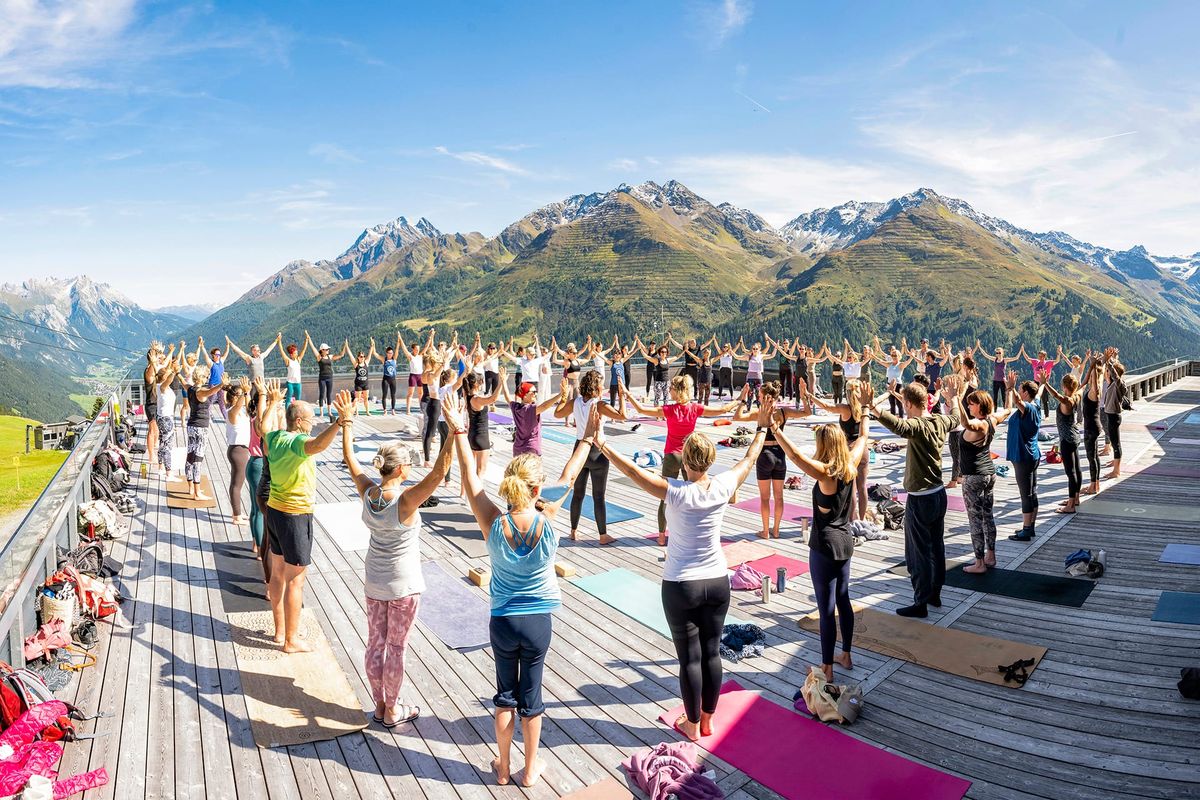
That fluid, open-hearted intention was built into the festival from its inception. Developed with the support of the St. Anton Am Arlberg Tourist Board, the organizers aimed to showcase the region’s majestic alpine landscape through high-quality yoga and wellness programming. Rather than creating a massive commercial gathering, they envisioned an intimate, retreat-like international event. The inaugural festival launched in September 2016, successfully blending yoga practice with outdoor wellness immersions, panoramic mountain hikes, and shared community experiences. What began as a modest local initiative has since evolved into a living, breathing international family of seekers from around the world.
The path to the Alps began through a friend who hosts the travel podcast Travel With Meaning. Having attended the festival previously, he and his wife were eager to return, and the invitation was extended. They began their journey on an Austrian river cruise before heading to Vienna, where the group would catch a train together to St. Anton. Because the journey spanned across the Atlantic, the itinerary started a few days earlier in Düsseldorf, Germany, offering a chance to visit close friends and goddaughter Gene after years apart. That German leg included a memorable visit to a coed, clothing-free spa, known locally as Textilfrei—a true immersion into local culture.
Leaving Germany to head toward Austria alone felt like a steeper hurdle. Having never visited Austria before and knowing no one in the country, the underlying anxiety was rooted entirely in the unknown. Yet, once arrival and settlement take place, travel has a reliable way of letting things fall into place.
Before rendezvousing with friends in Vienna, a few days were spent staying at The Leo Grand, a hotel in the heart of the action. Located steps from St. Stephen’s Cathedral in Stephansplatz, the central square is surrounded by historic streets, shops, and restaurants. Following local recommendations, dining at Zum Weissen Rauchfangkehrer (The White Chimney Sweep) and accidentally stumbling upon Plachuttas Neuer Markt while getting lost provided culinary highlights. Visits to the Imperial Butterfly House (Schmetterlinghaus) and the Albertina museum rounded out a whirlwind itinerary that left behind a profound sense of calm. Navigating a new city entirely on a first solo trip transformed anxiety into quiet enjoyment.
Moving from the bustling urban center of Vienna to the Austrian Alps meant trading museums and restaurants for gondolas, hiking trails, and yoga mats. St. Anton am Arlberg, a mountain village located in Austria’s westernmost state of Tyrol at the foot of the Arlberg Pass near the Swiss border, was entirely unfamiliar. Back home in the United States while packing, a quiet voice had whispered doubts, questioning whether time might be better spent elsewhere. The Austrian Alps promised crystalline air and cinematic views, but the destination remained an absolute unknown. Choosing adventure over hesitation proved to be the right instinct. By the time the journey transitioned from Germany through Vienna and onward to the mountains, hesitation had completely dissolved into excitement.
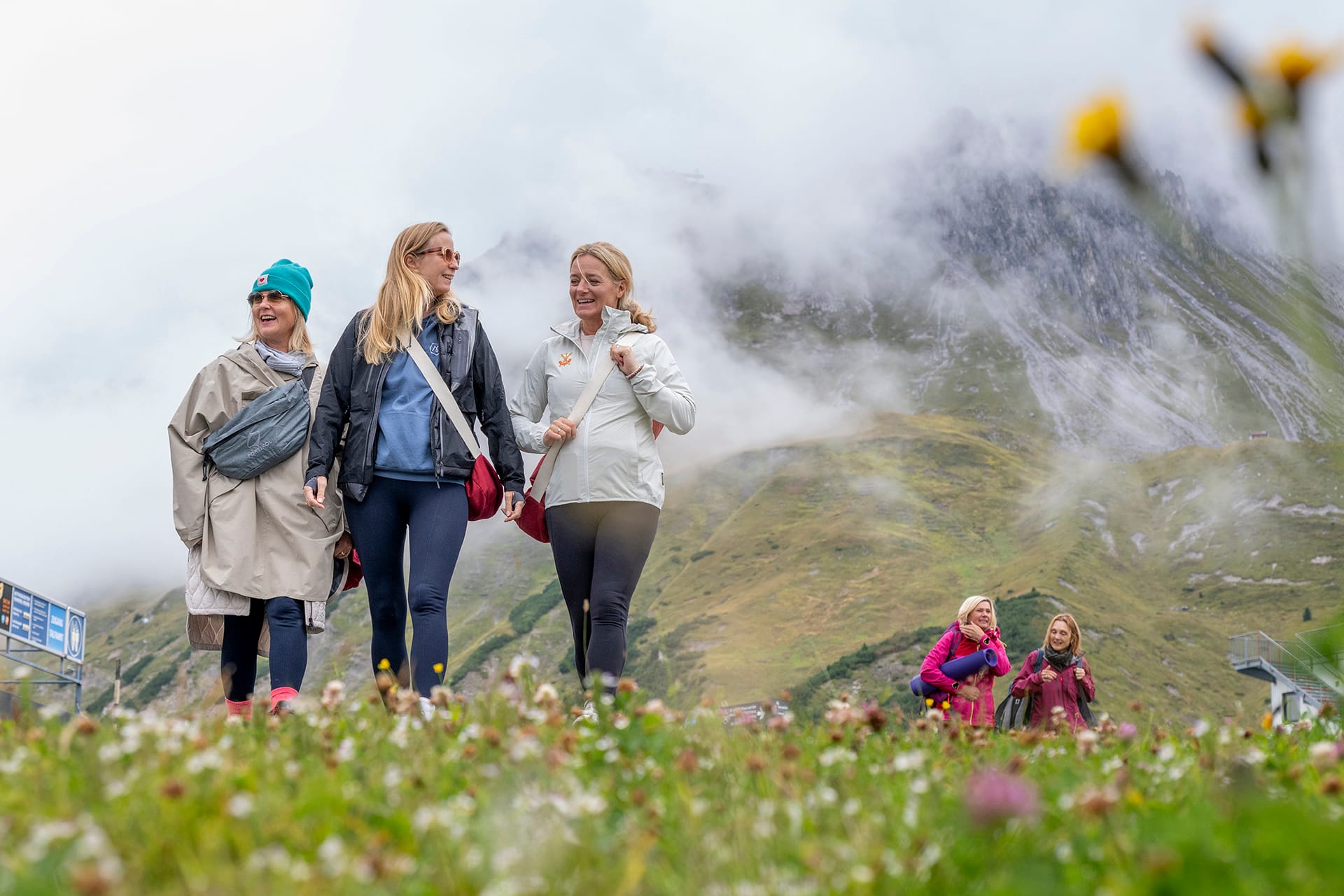
Stepping out of the village gondola, the landscape revealed itself through a veil of mist where the world seemed to breathe differently. Situated 1,300 meters (4,265 feet) above sea level, St. Anton rests near the Swiss border, roughly a six-hour train ride west of Vienna or four hours from Munich. The region is defined by dramatic snow-capped peaks, wildflower-filled valleys, and networks of trails winding between meadows and forests.
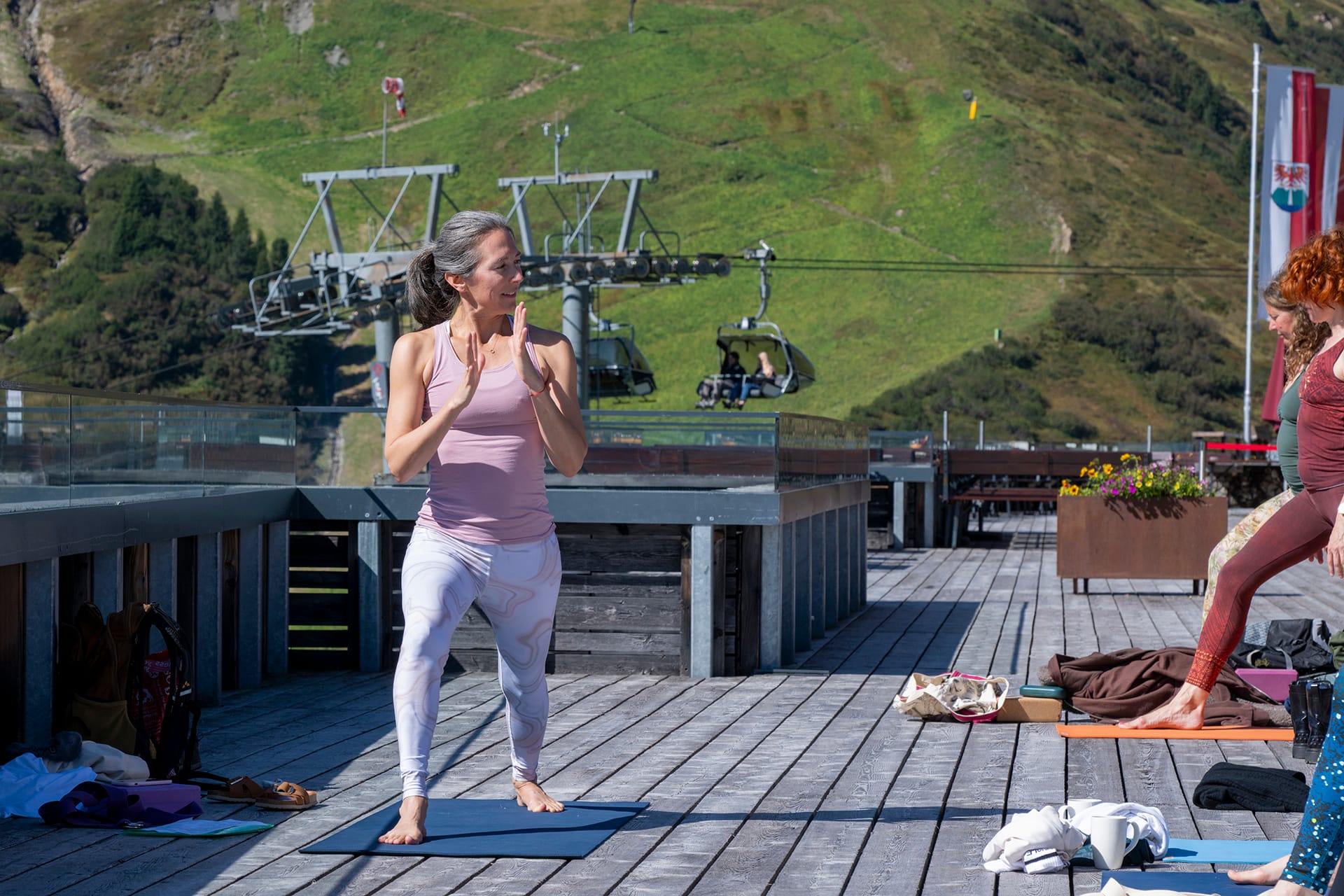
Towering above the landscape is Valluga, the highest peak in the St. Anton am Arlberg region, rising 2,811 meters (9,222 feet). Straddling the border between Tyrol and Vorarlberg, the peak became accessible to festivalgoers through guided hikes led by expert hiking guide Geli Häusl, utilizing the Vallugabahn cable cars to bridge the massive elevation changes. While winter transforms St. Anton into one of Europe’s most iconic ski destinations, late summer turns the area into a sanctuary of green slopes and crisp alpine air—an ideal canvas for a celebration of movement and nature.
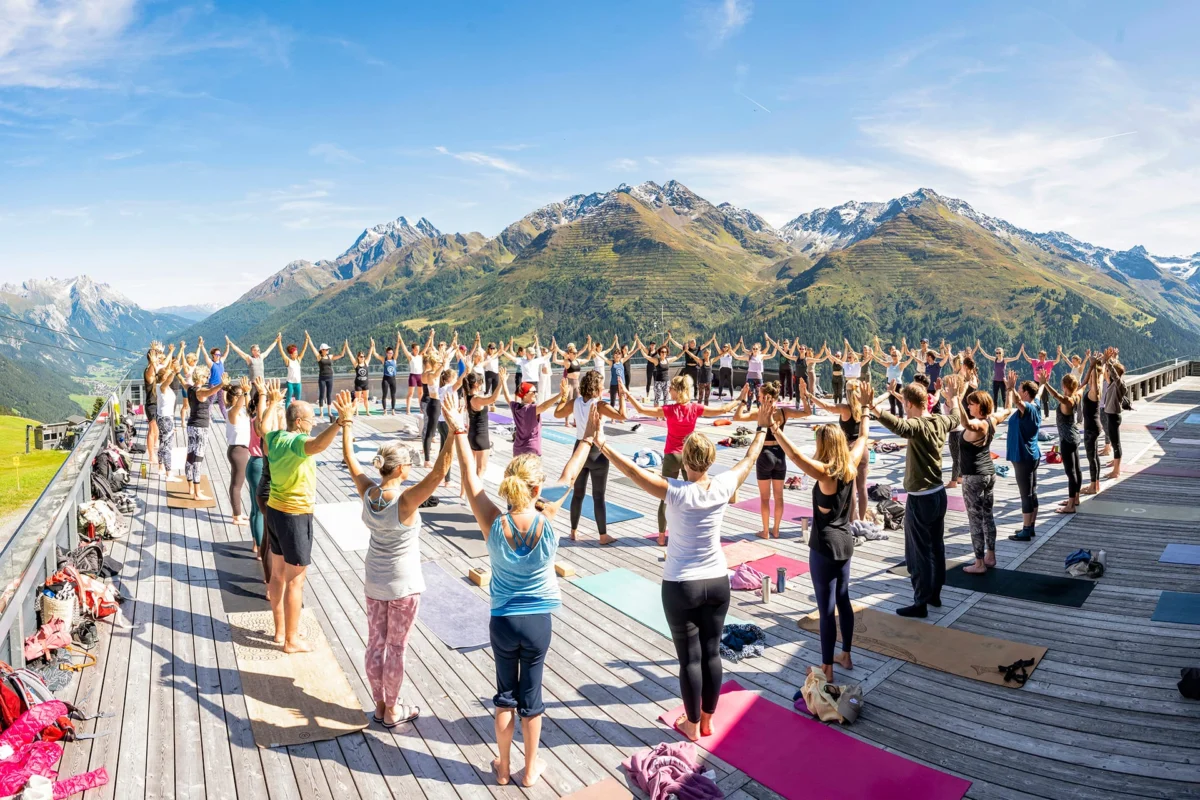
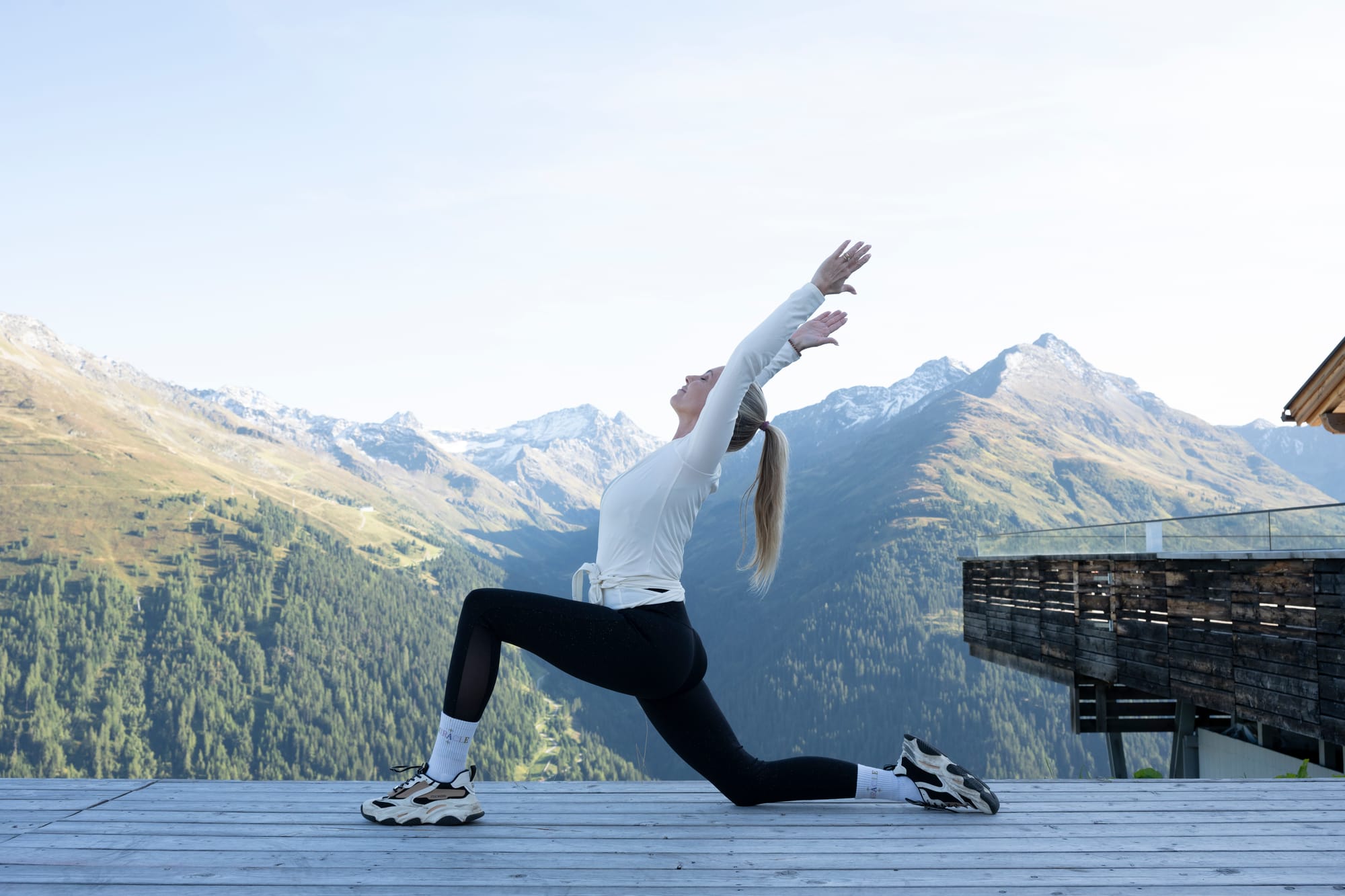
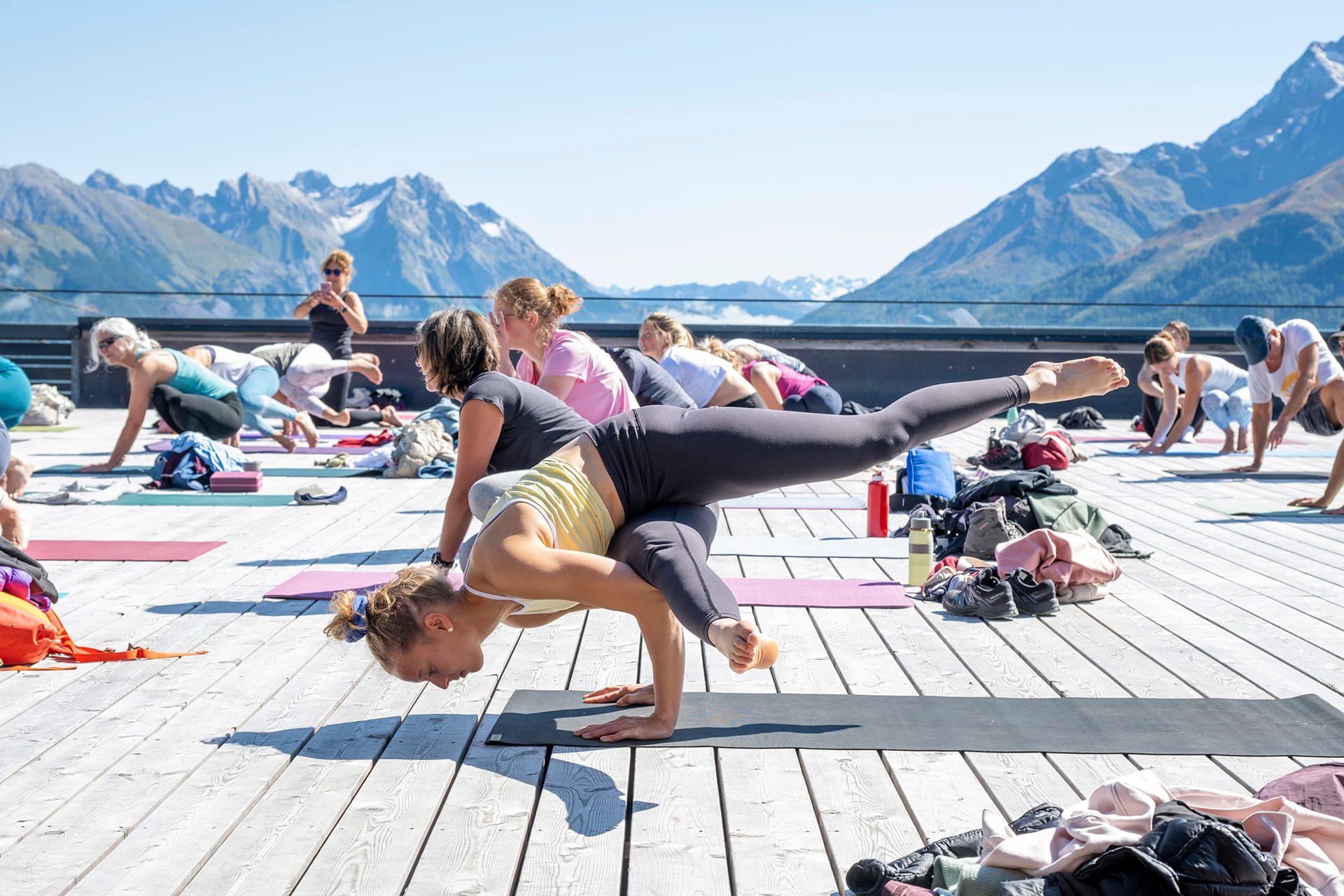
High in the mountains, yoga refused to stay confined within four studio walls. Instead, practice spilled onto mountaintops, open meadows, and wooden decks perched high above sweeping valleys. Greeted by thin air, bright alpine light, and the distant, soft clang of cowbells, the environment felt ancient and grounding. The walkable village, dotted with boutique hotels, kept everything closely connected. Staying at the Anton Hotel just a 30-second walk from the gondola, while friends stayed next door at the modern Ullrhaus, made settling into the rhythms of the festival effortless.
The Summit of Stillness
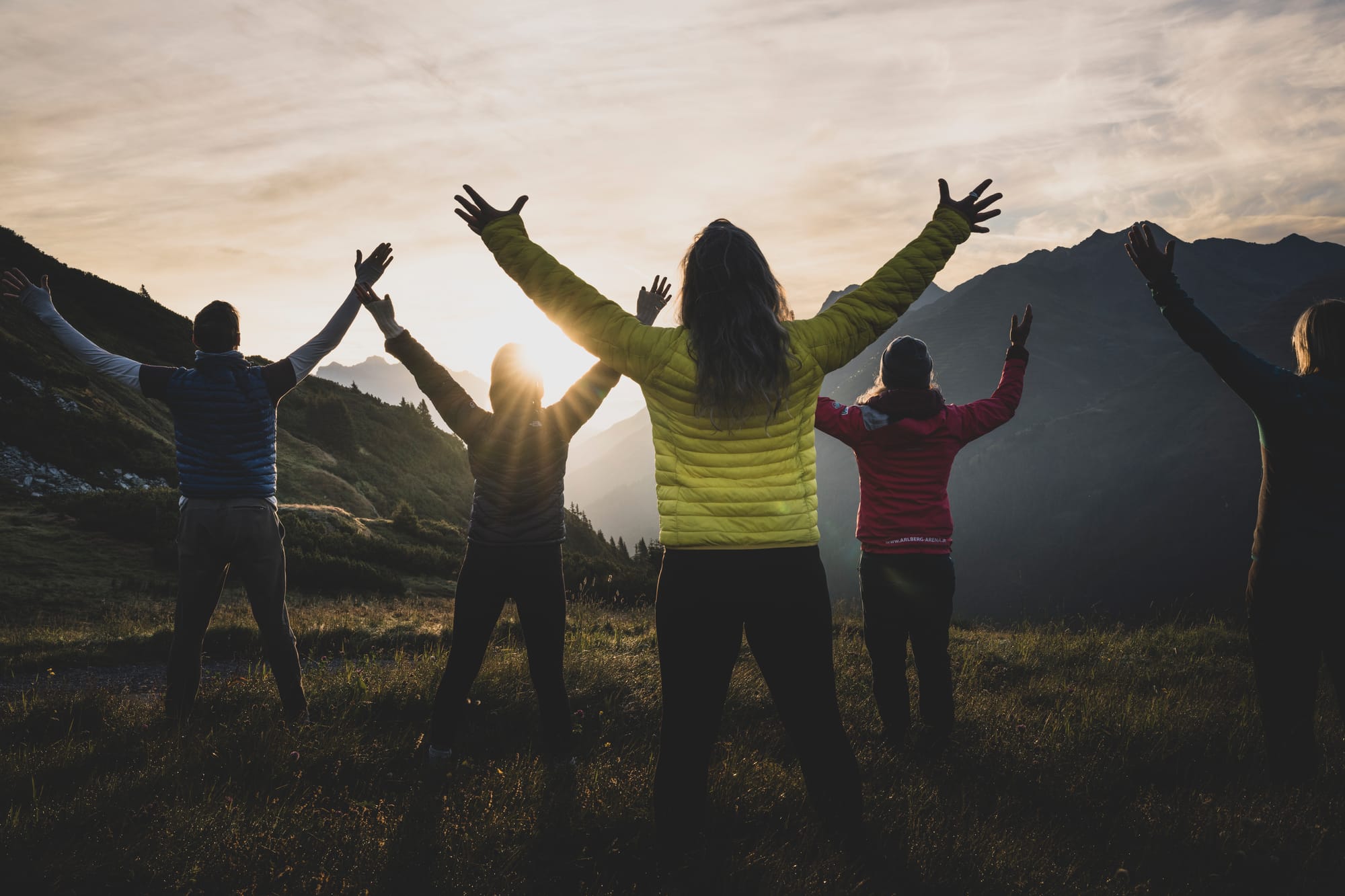
For four days, life across the festival took on a gentler rhythm. Mornings began with yoga mats unfurled for grounding flows as the sun rose over jagged mountain peaks. While the opening check-in provided a structured schedule, participation was entirely self-directed and free-flowing. A robust lineup of simultaneous classes and workshops offered total freedom of choice, with schedules conveniently noting whether instruction was delivered in English, German, or a bilingual format.
The roster featured seventeen expert instructors, musicians, and guides dividing classes across workshops, hikes, meditation, and sound experiences. Sigrid Pichler, an Austrian native based in New York City, serves as both a yoga instructor and the festival’s lead organizer and director. The programming blended diverse modalities, from energizing indoor vinyasa flows to guided waterfall hikes led by Geli Häusl paired with practices led by instructor Manel Rodrigues. Sound baths with Anna Welinder filled wooden yoga halls with the deep hum of gongs, while meditation sessions led by teachers like Andrea Boni offered moments of profound stillness.
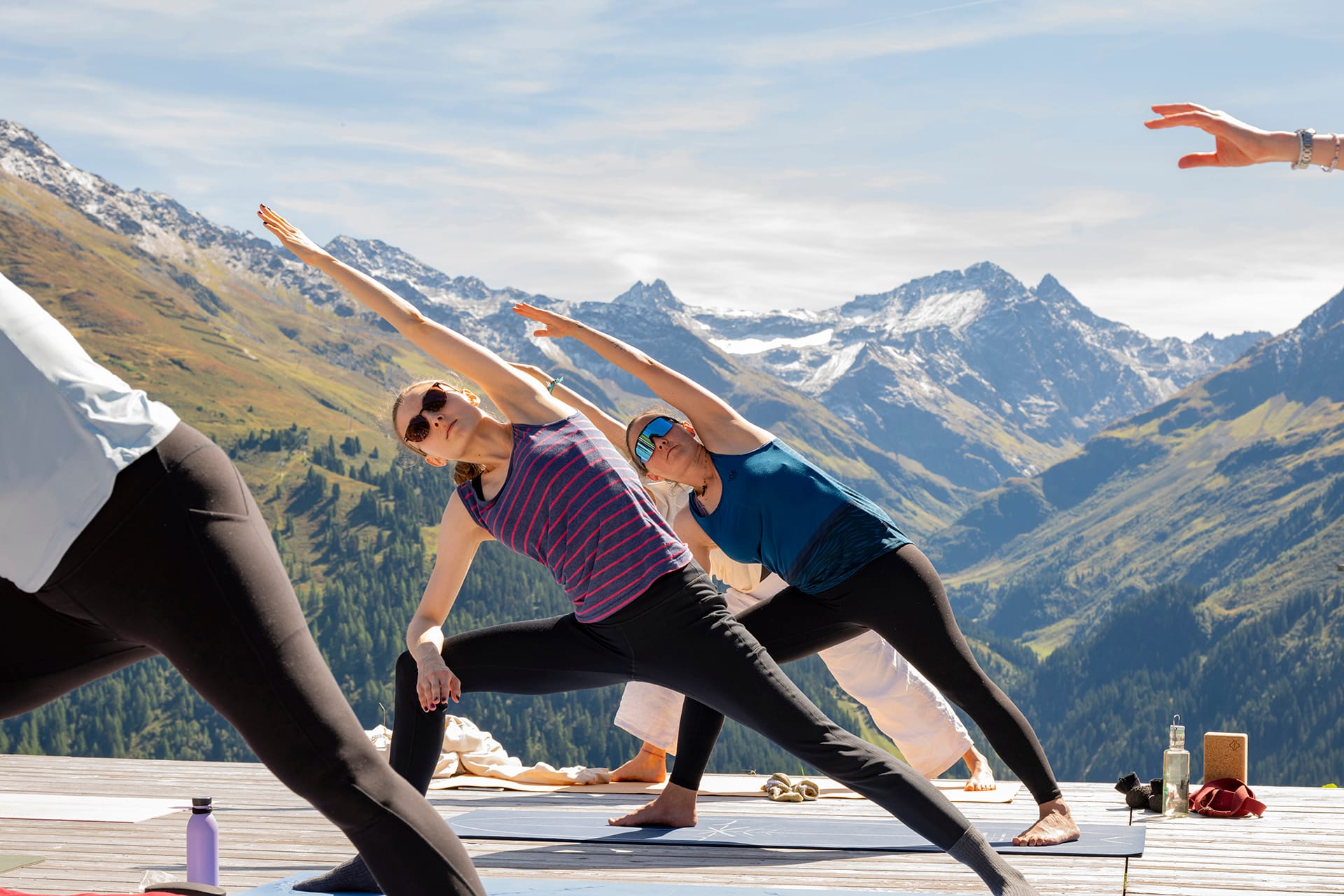
Veteran instructor Karl Straub brought a rare presence to his classes, encouraging participants to "breathe into the mountain" and let the landscape breathe back in return. Under such guidance, the self-consciousness common in group settings simply faded away.
Afternoons involved gathering for tea, short hikes, or riding gondolas higher into wildflower-strewn alpine trails. The international makeup of the attendees—drawing participants from Austria, Germany, Switzerland, and beyond—quickly bridged cultural divides. By the second day, faces and shared energy mattered far more than hometowns. Many attendees return year after year, transforming the festival into an annual pilgrimage for wellness and community. Communal dinners and walks through the alpine village frequently brought days to a close, blurring the line between wishing the night would linger and eagerly anticipating the morning.
The Language of Nature
The experience brought a tangible encounter with the German concept of Lebensgefühle—loosely translated as "the feeling of life itself"—representing a state of being fully and luminously awake in both body and spirit. Mountain hikes operated as moving meditations, where valleys expanded below, rivers wound through pine forests, and distant glaciers caught the midday light. Walks alternated between companionable silence and deep conversations about life, purpose, and connection.
The festival’s milestone tenth-anniversary celebration gathered hundreds under the open sky for music, dance, and community, marked by a festive evening dress code featuring a touch of gold. The journey that had begun with solo travel anxiety ultimately transformed into an exercise in self-reliance balanced by deep communal belonging. Rather than leaving an attendee feeling untethered like traditional retreats, St. Anton offered an imprint of calm that lingered long after departure.
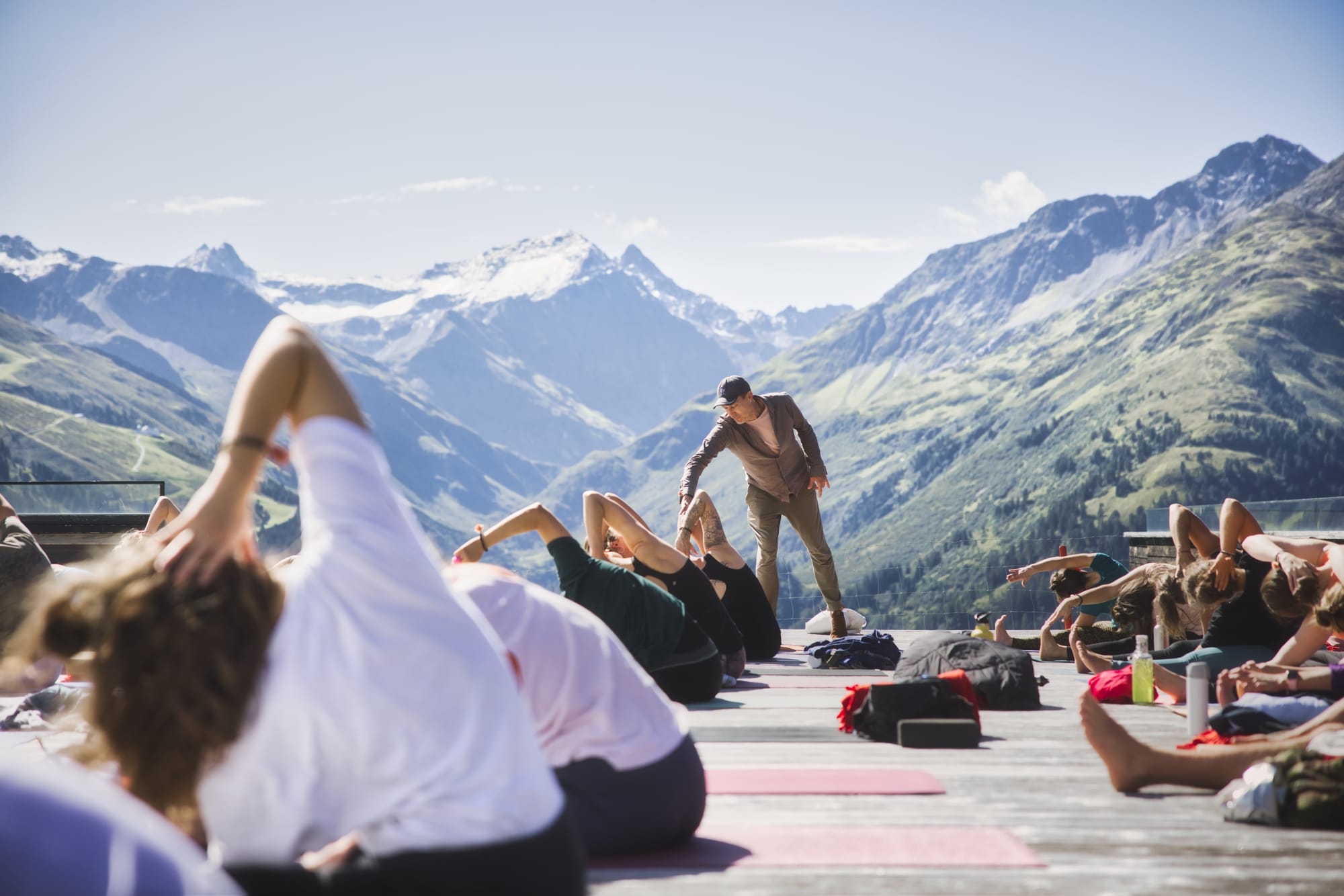
True to its roots in humility, the festival invited participants not to become someone new, but to return home to themselves. With spaces provided simply to breathe and communities designed around shared presence, the gathering offered a lasting reminder of peace built together.