Southwest Airlines is embarking on a significant strategic transformation, announcing a comprehensive overhaul of its Rapid Rewards loyalty program. The changes, set to take effect on January 1, 2027, represent a pivotal shift for the Dallas-based carrier as it seeks to modernize its customer value proposition, compete more aggressively for premium travelers, and align its loyalty structure with the industry standards maintained by its major competitors.
For decades, Southwest has built its brand on a unique, egalitarian model—pioneering the "bags fly free" philosophy and maintaining an open-seating policy that prioritized simplicity over the complex, tiered loyalty ecosystems found at legacy carriers. However, as the airline industry evolves and the demand for premium travel experiences grows, Southwest is moving toward a more sophisticated loyalty structure. This transition is not occurring in a vacuum; it follows the carrier’s recent moves to introduce assigned seating and, perhaps most notably, its forthcoming entry into the airport lounge space.
A New Loyalty Architecture
The core of the announcement is the total restructuring of the Rapid Rewards elite status tiers. Historically, Southwest has operated with two tiers: A-List and A-List Preferred. These designations served to reward the airline’s most frequent flyers with benefits like priority boarding, same-day standby, and bonus points. Starting in 2027, the carrier will move to a three-tier system: Silver, Gold, and Platinum.
This move mirrors the industry-standard structures used by airlines such as American, Delta, and United. By expanding to three tiers, Southwest is signaling an intent to create a more granular loyalty path, offering customers more frequent opportunities to achieve status and unlock benefits. The airline stated that this change is designed to provide greater engagement throughout the customer journey, allowing travelers to feel the impact of their loyalty much sooner than they might have under the previous, more compressed structure.
The transition process for existing elite members has already been mapped out by the carrier. Effective January 1, 2027, current A-List members will be automatically transitioned into the new Silver status tier. Those who currently hold A-List Preferred status will be elevated to the Gold tier. This ensures that the airline’s most loyal customer base retains their standing, while simultaneously opening the door for a new, top-tier Platinum status that will likely cater to the airline’s most high-value, high-frequency corporate and leisure travelers.
Integrating Milestone Rewards
Beyond the rebranding of status tiers, Southwest is introducing a concept known as "Milestone Rewards." This feature is intended to bridge the gap between status levels, ensuring that customers are incentivized even when they are not actively on the cusp of hitting the next major tier.
In the traditional loyalty model, the time between reaching one status and the next can feel stagnant. By implementing Milestone Rewards, Southwest is effectively gamifying the loyalty experience. For instance, before a customer even reaches the entry-level Silver status, they will be able to unlock specific, tangible perks. These milestones are designed to make the journey toward elite status feel more rewarding, providing immediate gratification for members who are consistently choosing Southwest for their travel needs.
While the airline has not yet detailed the full catalog of rewards available at every milestone, the move is widely viewed by industry analysts as a strategic effort to capture more "share of wallet." By rewarding behavior at lower thresholds, Southwest encourages passengers to consolidate their flying with the carrier rather than spreading their travel across multiple airlines. This is a critical component of the airline’s broader plan to increase its appeal to business travelers, a segment that has historically been more difficult to capture without a robust, tiered rewards system and a premium lounge network.
The Strategic Pivot: Lounges and Premium Experiences
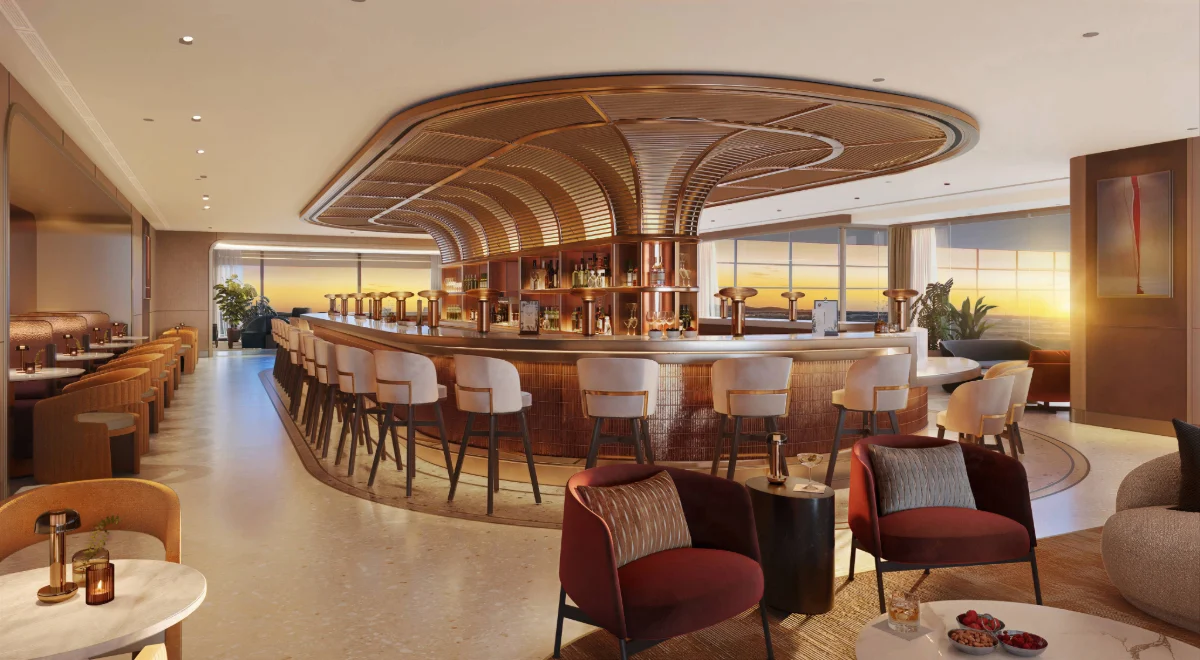
The update to the Rapid Rewards program is intrinsically linked to the airline’s broader push into the premium travel market. Southwest recently shared the first rendering of its "Southwest Icon Lounge," a facility planned for Nashville International Airport. This project, being developed in partnership with Chase, marks a fundamental change in the airline’s service model.
For years, Southwest avoided airport lounges, focusing instead on efficiency and quick turnarounds. The introduction of these lounges, coupled with the new tiered status system, suggests that Southwest is preparing to cater to a demographic that expects a higher level of comfort and exclusivity. The lounge concept is designed to be a centerpiece of the Southwest experience, providing a dedicated space for its most loyal customers to relax, work, and wait for their flights.
The partnership with Chase is equally significant. By aligning its lounge strategy with its credit card offerings, Southwest is likely looking to increase the value of its co-branded card portfolio. Premium travelers often look for the combination of elite status, lounge access, and credit card perks when choosing an airline. By aligning the new Silver, Gold, and Platinum tiers with these new physical amenities, Southwest is creating a cohesive ecosystem that justifies the loyalty of premium passengers.
Managing the Transition
The timeline for these changes is aggressive, leaving travelers with several months to adjust their travel habits before the new year begins. For the airline, the challenge will be managing the expectations of its existing, loyal customer base. The Southwest brand is built on a very specific type of customer loyalty—one that appreciates the simplicity of the airline’s past policies. Introducing a complex, three-tier system and lounge access policies requires careful communication to ensure that the changes are perceived as an "upgrade" rather than an unnecessary complication of a previously straightforward program.
Industry observers note that this evolution is a necessary response to the shifting landscape of aviation. As domestic travel demand fluctuates and corporate travel patterns shift in the post-pandemic era, airlines are finding that a one-size-fits-all approach is no longer sufficient. By segmenting its customer base into Silver, Gold, and Platinum, Southwest is gaining the ability to target its marketing and service offerings more effectively. It allows the carrier to provide a "premium" experience for those who pay for it or earn it through high-frequency travel, while still maintaining the core services that made it a dominant force in the domestic market.
As the industry looks toward 2027, the success of these changes will likely hinge on the perceived value of the new tiers. If the benefits associated with the new Gold and Platinum levels—and the perks unlocked through Milestone Rewards—are compelling enough, Southwest may successfully transition from a low-cost carrier to a hybrid model that appeals to a much broader spectrum of the traveling public.
The introduction of the Nashville lounge concept provides a physical manifestation of this strategy. It serves as a visual anchor for the changes coming to the Rapid Rewards program. As Southwest continues to refine its offerings, the focus will remain on balancing its historical identity with the demands of a modern, premium-seeking aviation market. The January 1, 2027, launch date will be a significant milestone in the airline’s history, signaling the beginning of a new chapter where status, lounges, and tiered rewards define the Southwest experience as much as the aircraft and the crew.