Viet Nam continues to captivate travelers and industry professionals alike with a rich tapestry of tourism offerings that stretch from the rugged, cloud-kissed northern highlands to vibrant southern coastal escapes. Recent developments across the country highlight a concerted push toward sustainable, year-round tourism, showcasing regional cultural heritage, ecological preservation, and innovative travel exhibitions designed to connect global markets with local destinations.
Highland Wonders and Cultural Immersion in the North
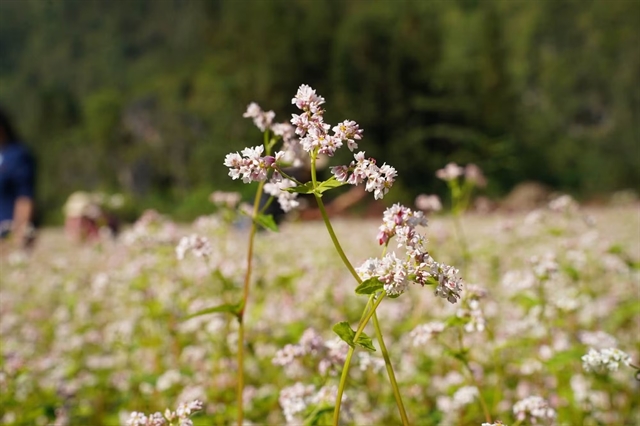
Autumn in the mountainous northern provinces reveals a dramatic transformation of the landscape, drawing eager travelers to iconic regions like the rocky plateau of Đồng Văn. As the weather cools, the hillsides burst into color during the buckwheat flower season, complementing quiet ethnic minority villages and distinctive highland culinary traditions. This seasonal phenomenon highlights the enduring appeal of Việt Nam’s northern uplands, where geography and tradition intertwine to create unforgettable travel experiences.
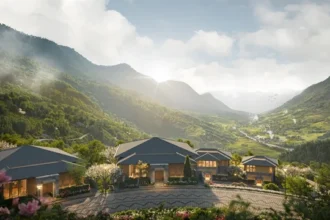
Further enriching the northern mountain landscape, historical and cultural enclaves continue to gain prominence. Choản Thẹn, a remote village perched more than 2,000 meters high on the slopes of the Nhìu Cồ San mountain range, offers a breathtaking glimpse into traditional life. Home to the Ha Nhì ethnic community for over 300 years, the village is renowned for its sea of clouds, intricate terraced fields, and historic earthen houses. Similarly, the majestic Mường Hoa Valley—situated between the Hoàng Liên Sơn mountain range and Hàm Rồng Mountain—continues to evolve as a premier luxury and cultural destination, highlighted by the recent launch of high-end hospitality projects like The Residences at InterContinental Sapa Resort, which honor the terraced rice fields and heritage of local communities.
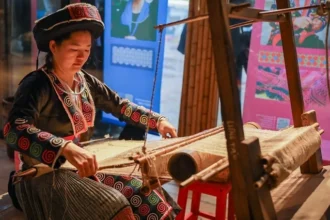
Beyond sightseeing, immersive cultural tourism is gaining traction. Visitors seeking a deeper connection to indigenous traditions can partake in authentic day-long experiences, such as living the daily life of a Mường person. Such initiatives often begin with a warm welcome from local hosts and neighbors, sharing cups of herbal tea kept warm in rustic bamboo tubes alongside fresh seasonal fruits, offering travelers a profound window into rural community life.
Ecological Sanctuaries and Coastal Horizons
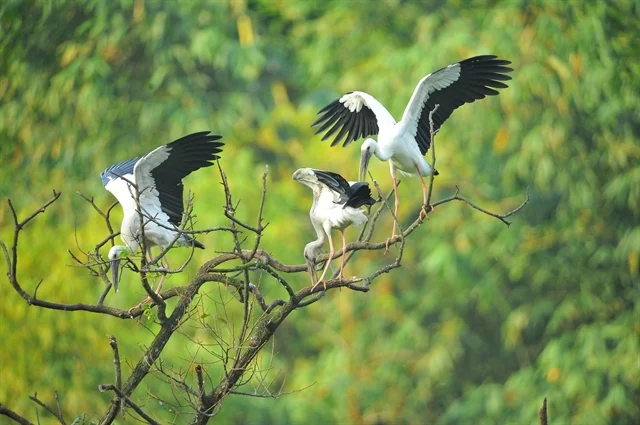
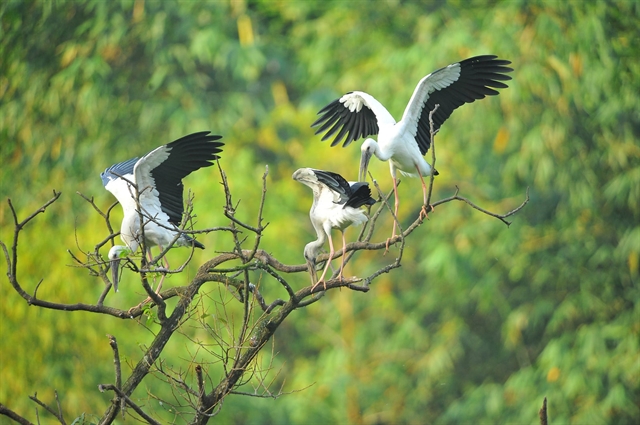
Transitioning from the highlands to coastal and wetland ecosystems, Việt Nam’s diverse geography offers equally compelling sanctuaries for nature lovers. In the Red River Delta, Xuân Thủy National Park spans more than 7,000 hectares across Giao Minh, Giao Hòa, and Giao Phúc communes, establishing itself as a vital haven for migratory birds. Characterized by sediment deposition and erosion, this typical coastal estuarine wetland features extensive tidal flats, lush mangroves, intricate sandbanks, and meandering waterways that sustain rich biodiversity.

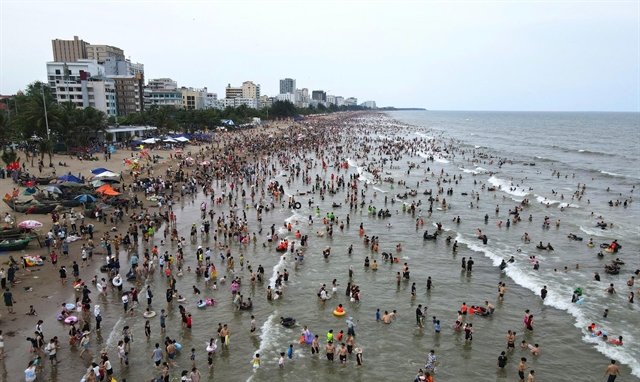
Along the country’s extensive coastline, coastal destinations are rethinking their strategies to transcend traditional seasonal limitations. Sầm Sâm in Thanh Hóa Province is actively looking beyond the conventional summer beach season by developing comprehensive plans for cultural, spiritual, wellness, sports, MICE (Meetings, Incentives, Conferences, and Exhibitions), and other experiential tourism products. By diversifying its portfolio, the destination aims to attract visitors smoothly throughout the entire year.
A similar evolution is underway in Hải Tiến, also situated within Thanh Hóa Province’s vibrant coastal tourism corridor. Spanning Hoằng Tiến and Hoằng Thanh communes, Hải Tiến boasts a long coastline, rivers, and an estuary ecosystem that provide highly favorable conditions for nature-based tourism development. Meanwhile, further south, Hồ Cỏc Beach is rapidly emerging as one of southern Việt Nam’s most rewarding nature escapes. Offering untouched stretches of coastline, an ancient coastal forest, and abundant fresh seafood, Hồ Cỏc provides a quieter, more contemplative retreat for travelers seeking solace away from busier urban centers.
Global Connection and Industry Growth
Underpinning these regional developments is a robust national strategy to promote tourism on an international scale. Major industry gatherings, such as the International Travel Expo HCMC (ITE HCMC), play a pivotal role in shaping the sector’s trajectory. Bringing together hundreds of booths from over 500 exhibitors and prominent tourism brands, the multi-day event serves as a crucial platform to showcase the latest tourism trends, foster business-to-business connections, and actively promote Việt Nam’s diverse destinations to regional and global markets.
Through a harmonious blend of ecological conservation, cultural preservation, and strategic economic planning, Việt Nam’s tourism sector continues to chart a dynamic path forward, balancing modern hospitality infrastructure with the preservation of its authentic natural and cultural heritage.