Vietnam’s tourism sector continues to diversify its offerings, ranging from pristine coastal wetlands and mountain hideaways to community-based cultural experiences and major international promotional events. Across the country’s diverse regions, local authorities, hospitality brands, and travel operators are reshaping how visitors experience the nation’s rich natural beauty and cultural heritage.
Xuân Thủy National Park: A Haven for Migratory Birds in the Red River Delta
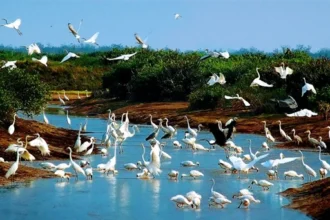
At the forefront of nature conservation and ecological tourism is Xuân Thủy National Park, located in the coastal communes of Giao Minh, Giao Hòa, and Giao Phúc. Covering more than 7,000 hectares, the park stands as a prime example of a typical coastal estuarine wetland shaped by the dynamic processes of sediment deposition and erosion within the Red River Delta.

Characterized by extensive tidal flats, lush mangrove forests, shifting sandbanks, and a complex network of waterways, the park serves as a vital sanctuary for countless species of migratory birds. Its rich biodiversity makes it an essential stopover along the East Asian-Australasian Flyway, drawing ornithologists, researchers, and nature enthusiasts from around the globe who come to witness the remarkable wildlife thriving in this protected estuarine environment.
Expanding Horizons in Sầm Sơn and Hải Tiến
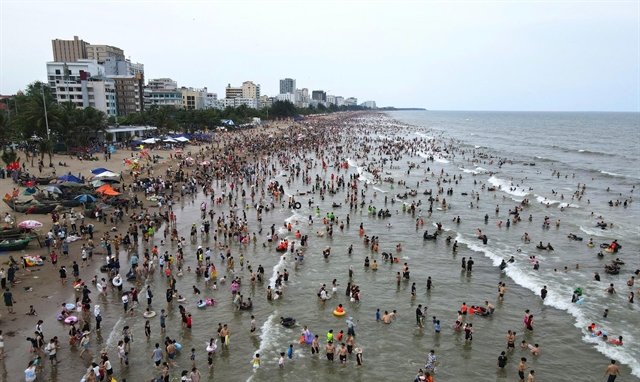
Coastal destinations in Thanh Hóa Province are also reimagining their tourism strategies to maximize their potential beyond traditional seasonal travel. Sầm Sơn, long celebrated for its bustling summer beach tourism, is actively looking beyond the summer season with comprehensive plans to develop cultural, spiritual, wellness, sports, MICE (Meetings, Incentives, Conferences, and Exhibitions), and other experiential products. By diversifying its portfolio, Sầm Sơn aims to attract visitors throughout the entire year, transforming into a multifaceted destination.

Similarly, Hải Tiến is charting a new course for growth along Thanh Hóa Province’s coastal tourism corridor. Spanning Hoàng Tiến and Hoàng Thanh communes, Hải Tiến boasts a long coastline, meandering rivers, and a rich estuary ecosystem. These natural assets provide highly favorable conditions for sustainable, nature-based tourism, offering travelers a quieter and more ecologically focused coastal alternative.
Mountain Escapes and Cultural Immersion in the North
Moving from the coast to the rugged northern highlands, Sapa continues to anchor high-end hospitality investments. Nestled between the majestic Hoàng Liên Sơn mountain range and Hàm Rồng Mountain, the iconic Mường Hoa Valley is renowned for its sweeping terraced rice fields, dramatic mountain landscapes, and the vibrant cultural heritage of local ethnic minority communities. This region has recently seen the official launch of high-end real estate and resort initiatives, such as The Residences at InterContinental Sapa Resort, which aim to blend luxury hospitality with the authentic topography and atmosphere of the valley.
For travelers seeking deeper cultural immersion, northern destinations offer rare glimpses into traditional ways of life. In rural upland communities, visitors can experience daily life firsthand. After traveling winding rural roads to reach local farmsteads, travelers are routinely welcomed by hosts and neighbors with hospitality deeply rooted in local tradition—sharing cups of warm herbal tea kept hot in rustic bamboo tubes alongside fresh seasonal fruits.
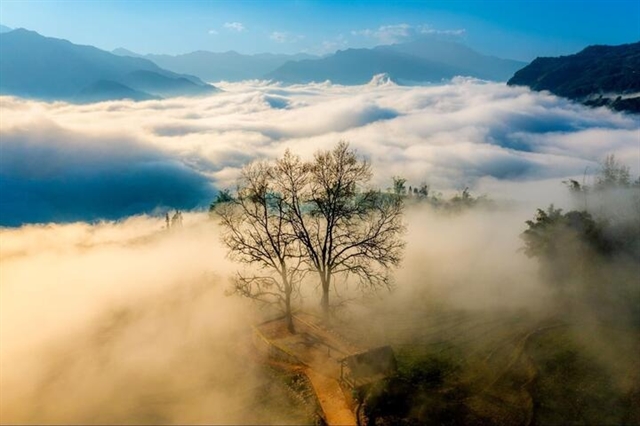
Further into the mountainous terrain, historical and remote settlements like Chợản Thèn offer breathtaking vistas. Perched at an altitude of over 2,000 meters along the Nhù Cầu San mountain range, Chợản Thèn is a Hà Nhì village with a history spanning more than 300 years. Famous for its sweeping seas of clouds, terraced fields, and traditional earthen houses, the village represents a preserved architectural and cultural pocket above the clouds.

Hidden natural treasures further north include the cascading Khuổi Nhi Waterfall, tucked deep within the forested hills of Thượng Lâm Commune in Tuyên Quang Province. Accessible primarily by boat across the expansive waters of the Na Hang reservoir, the waterfall remains a pristine attraction highlighting the untouched interior landscapes of the region.
Southern Coastlines and National Trade Platforms
On the southern coast, Hồ Cóc in Vũng Tàu continues to emerge as one of southern Việt Nam’s most rewarding nature escapes. Featuring untouched beaches, an ancient coastal forest, and abundant fresh seafood, Hồ Cóc provides a tranquil alternative for travelers seeking a quieter coastal retreat away from major urban centers.
To showcase these diverse destinations to the global market, Việt Nam’s tourism industry regularly leverages large-scale trade platforms. Major industry gatherings, such as the International Travel Expo in Hồ Chí Minh City (ITE HCMC), bring together hundreds of booths representing over 500 exhibitors and prominent tourism brands. These exhibitions serve as vital venues for introducing the latest travel trends, fostering business-to-business connections, and actively promoting the nation’s expanding tourism sector to international partners.