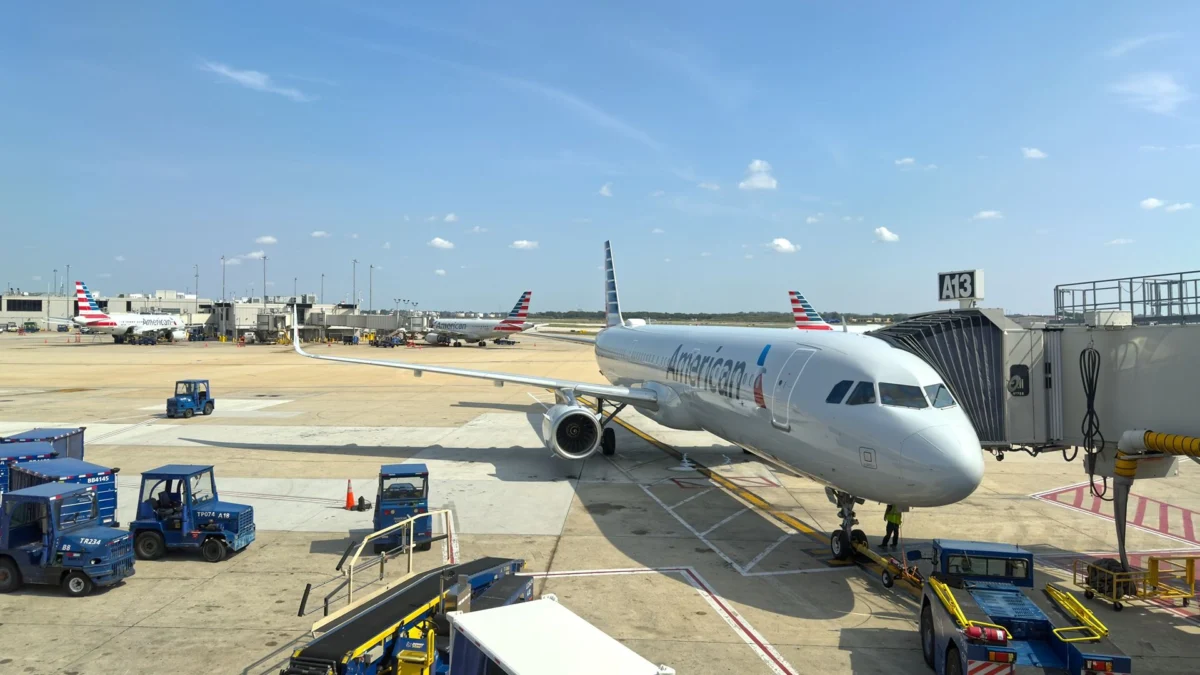
American Airlines, the world’s largest carrier by passenger volume, is reportedly evaluating a significant expansion of its premium lounge footprint at Philadelphia International Airport (PHL). According to industry analyses from aviation outlets View From The Wing and Inside Flyer, the airline is considering absorbing the neighboring Philadelphia A West Admirals Club and integrating it directly into its existing Flagship Lounge. While the proposal remains officially unconfirmed by the airline as a final decision, preliminary details indicate that the ambitious project could materialize as early as March of next year, strategically positioning the airport ahead of the heavy summer travel peak.
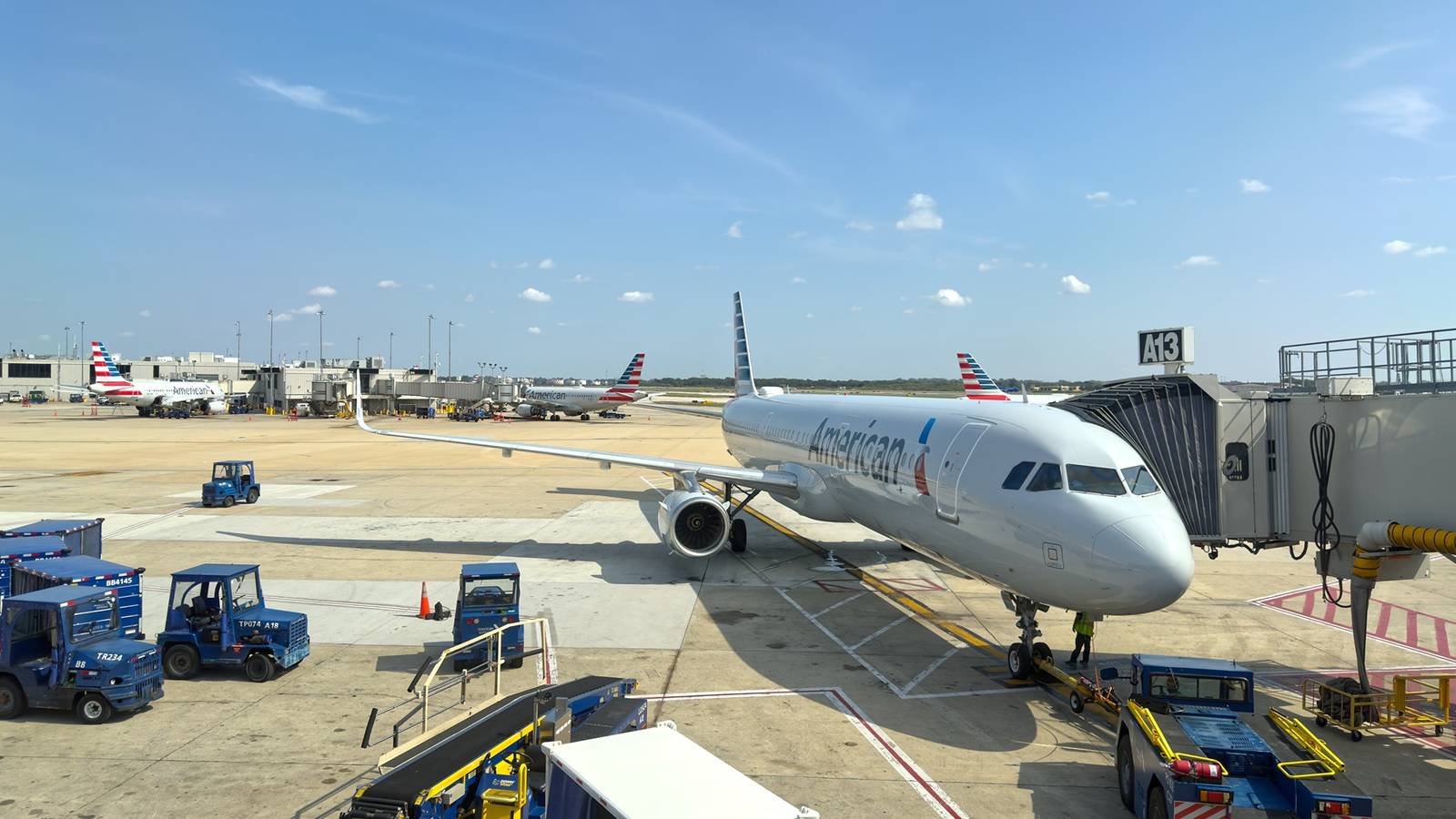
The potential restructuring would fundamentally transform the premium lounge experience in Philadelphia’s primary international hub. The current American Airlines Flagship Lounge spans approximately 12,500 square feet, offering a dedicated seating capacity for roughly 200 guests. Directly adjacent to it, the Terminal A West Admirals Club covers another 11,000 square feet with space for up to 181 travelers. Because the two lounge spaces are already connected, a full takeover by the Flagship operation would merge the facilities into a massive, unified 25,000-square-foot complex.
News of the potential consolidation first surfaced when an airport lounge staff member briefly discussed the operational plans with a visiting passenger. Although aviation bloggers quickly pieced together the operational implications, an official spokesperson for American Airlines could not be immediately reached for comment regarding the timeline or the finalized scope of the renovation. Nevertheless, industry insiders point out that doubling the total square footage dedicated to Flagship travelers would represent one of the most substantial airport lounge upgrades for the carrier in recent years.

Merging Two American Airlines Lounges to Make One
For a major oneworld alliance hub like Philadelphia, the impetus behind the potential lounge takeover is rooted squarely in managing capacity and alleviating severe passenger congestion. During the peak of the Northern Hemisphere summer season, American Airlines dramatically ramps up its transatlantic flight schedule from PHL. This seasonal surge introduces hundreds of additional weekly departures and brings thousands of premium-cabin flyers and high-tier frequent flyers through the airport terminals, frequently placing immense strain on existing lounge infrastructure.

Philadelphia International Airport serves as a vital anchor for American Airlines, recording upwards of 300 daily departures. As the busiest airport in the Commonwealth of Pennsylvania and one of the most heavily trafficked aviation hubs in the United States, it functions as a critical gateway connecting North America to a vast network of European destinations.
Throughout the year, American operates an extensive web of year-round transatlantic routes from Philadelphia to key European centers, including Amsterdam, Dublin, Lisbon, London-Heathrow, Madrid, Paris-Charles de Gaulle, Rome-Fiumicino, and Zurich. During the busy summer months, this roster swells significantly with seasonal services to Athens, Budapest, Copenhagen, Edinburgh, Milan-Malpensa, Naples, Nice, Prague, and Venice. Furthermore, the carrier is slated to introduce several brand-new seasonal additions to its timetable, including services to Porto starting March 28, Vienna International Airport beginning May 6, and Reykjavik on May 27.

With this dense network of long-haul departures concentrated primarily in Terminal A, the demand for high-end lounge amenities has grown exponentially. The existing Flagship Lounge, while offering an elevated experience compared to a standard domestic club, frequently reaches capacity during peak European departure banks in the late afternoon and evening hours.
What the PHL Lounge Expansion Means for Passengers
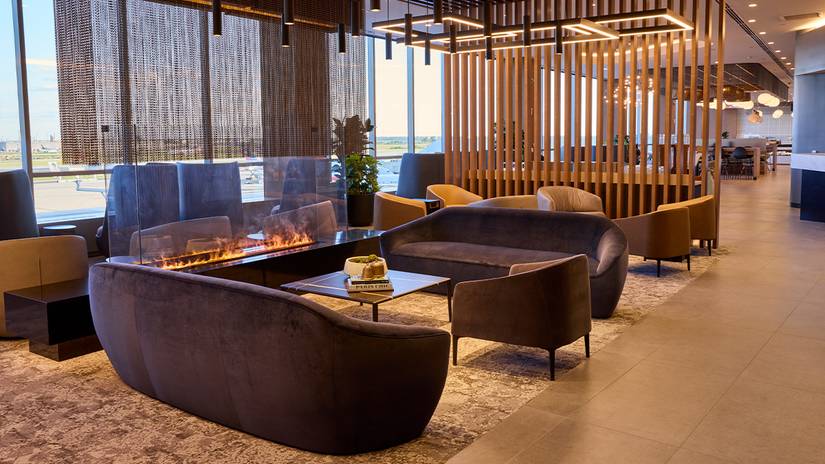
If American Airlines moves forward with the integration of the A West Admirals Club into the Flagship footprint, the operational shift will bring notable changes for different tiers of travelers. Premium passengers who qualify for Flagship access—including qualifying first and business class travelers, eligible AAdvantage and Alaska Airlines Atmos Rewards members, ConciergeKey holders, and other oneworld Emerald or Sapphire status tier holders—will benefit from a significantly larger, more versatile space designed to comfortably handle high-volume departure rushes.
Conversely, regular Admirals Club members who currently rely on the Terminal A West location will likely need to adjust their airport routines. Should the club be converted entirely into Flagship space, travelers holding standard Admirals Club memberships or day passes would be redirected to the remaining Admirals Club facilities located in Terminals B and C, requiring a longer walk down the concourse depending on their departure gate.
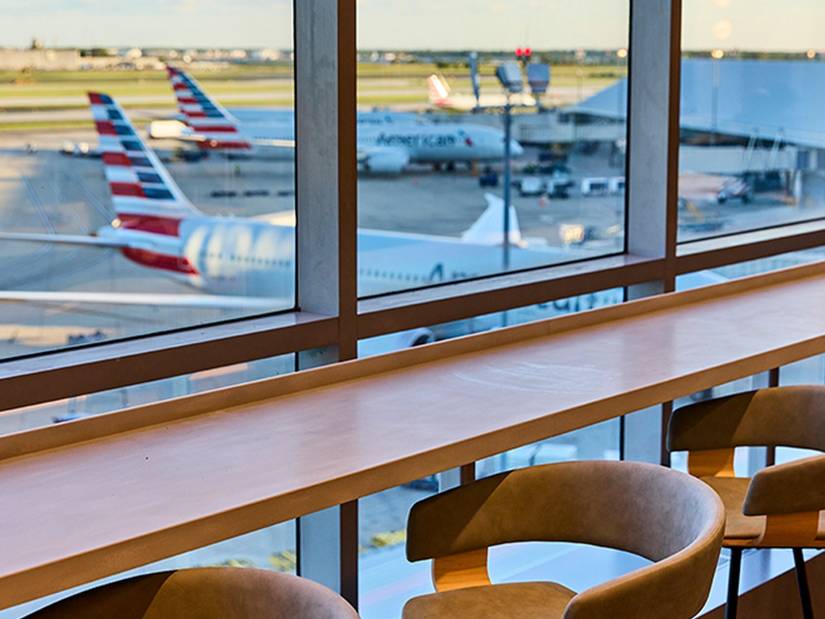
Terminal A remains the undisputed international hub of Philadelphia International Airport, housing not only American’s Flagship and Admirals lounges but also competing premium facilities such as the British Airways Galleries Lounge and the American Express Centurion Lounge. Meanwhile, the adjacent Terminals B and C handle the vast majority of domestic flights and select short-haul international operations.
Under standard operations, the Terminal A West Admirals Club is open daily from 5:00 AM to 10:00 PM, providing visitors with complimentary food and beverage selections, a full-service bar, complimentary Wi-Fi, and shower facilities. The adjacent Flagship Lounge operates from 8:00 AM to 9:30 PM, occupying the prime mezzanine real estate situated directly between Gates A15 and A16. As American Airlines continues to evaluate its operational strategies ahead of the upcoming spring and summer travel seasons, travelers and frequent flyer communities will be watching closely to see whether the proposed merger breaks ground to reshape the passenger experience in Philadelphia.