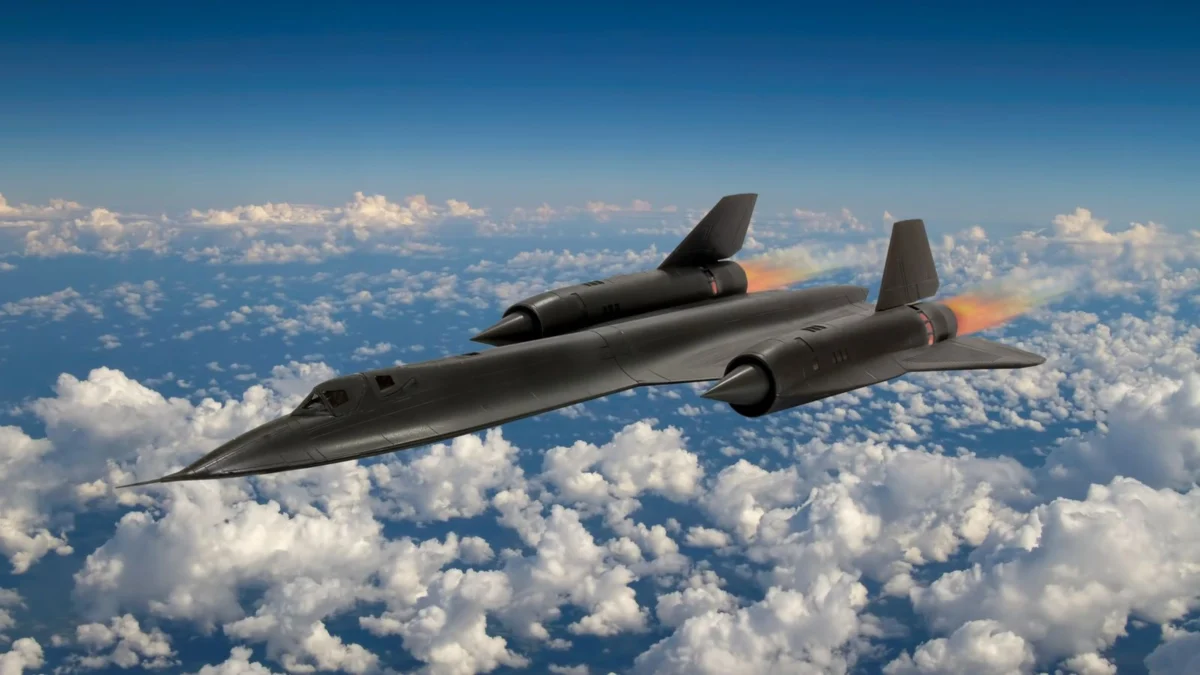
Conceived in a secretive handshake deal between legendary Lockheed engineer Kelly Johnson and the Central Intelligence Agency, the Lockheed SR-71 Blackbird remains one of the most mesmerizing and technologically revolutionary aircraft in the history of aviation. Built specifically for high-stakes intelligence gathering, the sleek, ink-black jet was designed to fly so high and so fast through the heavily defended airspace of the Soviet Union that it could survey every corner of an adversary’s defense network with absolute impunity.
To most aviation enthusiasts, the SR-71 is a familiar and beloved fan favorite. However, to those less initiated in the complex annals of military history, this incredible machine holds many unique secrets. As the fastest human-piloted aircraft to ever take flight, the striking silhouette of the Blackbird stands as a timeless icon of speed. While the most popular photographs of the SR-71 depict the later two-seat variant, the very first airframes that rolled out of the top-secret Skunk Works factory were actually single-seat jets.
When the United States Air Force officially took over the fleet, military strategists demanded a much broader reconnaissance capability than a single camera system could possibly accommodate. The heavily upgraded SR-71 ultimately carried an extensive suite of advanced hardware, including Side-Looking Airborne Radar, complex Electronic Intelligence systems, and specialized defensive electronic countermeasures. To let the pilot focus entirely on safely flying a Mach 3.0 supersonic aircraft, the Air Force assigned specialized reconnaissance systems officers to the back seat, known as RSOs.
Two Crew Members and Two Distinct Jobs
Operating at Mach 3.2, traveling at a staggering 36 miles or 58 kilometers per minute, the human brain simply cannot process information fast enough to simultaneously fly the aircraft and actively hunt for targets. There is an enormous, fundamental difference between the mission division of two aircrews in an SR-71 and virtually any other multirole tactical aircraft ever manufactured. The cockpit of a Blackbird functioned less like a traditional flight deck and more like a split-brain operational machine.
The elite pilots selected to take the control stick of an SR-71 spent every single moment of a mission intensely focused on pure airmanship, beginning from the very first step of the preflight checklist until the chocks were back in place and the post-flight inspection was officially signed off. Meanwhile, the RSO managed a similarly demanding mission to flawlessly operate a sophisticated suite of intelligence, surveillance, and reconnaissance sensors while navigating a complex jet screaming through the stratosphere at three times the speed of sound.
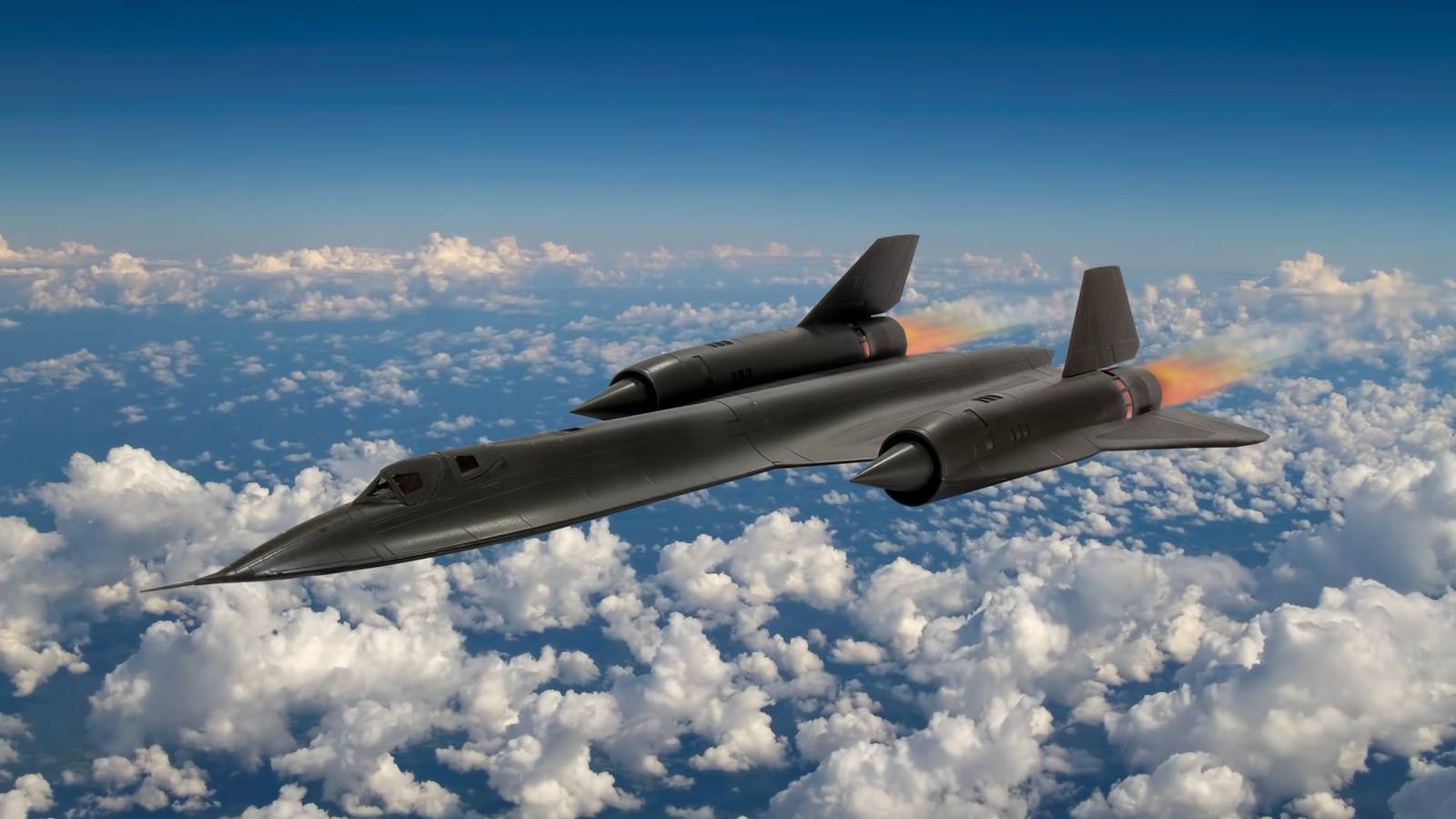
To survive, the mission was ruthlessly split into two hyper-focused, non-overlapping roles. The pilot’s job was pure, high-stakes airmanship. Operating at 85,000 feet, the SR-71 flew in a perilous flight regime that military pilots colloquially referred to as "coffin corner." The aerodynamic profile of the Blackbird left a razor-thin performance margin where flying just a few knots too slow meant stalling completely out of the sky, while flying a few knots too fast meant the intense friction heat would catastrophically compromise the structural integrity of the airframe.
In the back seat, sitting within a windowless workspace surrounded by monochromatic screens, complex radars, and custom-engineered switches, the RSO acted as the mission commander, lead navigator, and primary systems operator. Long before the widespread adoption of GPS, the RSO manually managed the sophisticated Nortronics Astro-Inertial Navigation System, which continuously tracked distant stars through a small quartz window mounted on top of the fuselage, even during broad daylight. The RSO’s eyes rarely looked outside the cockpit, remaining permanently glued to the electronic battlefield.
Why the CIA Managed with One Pilot
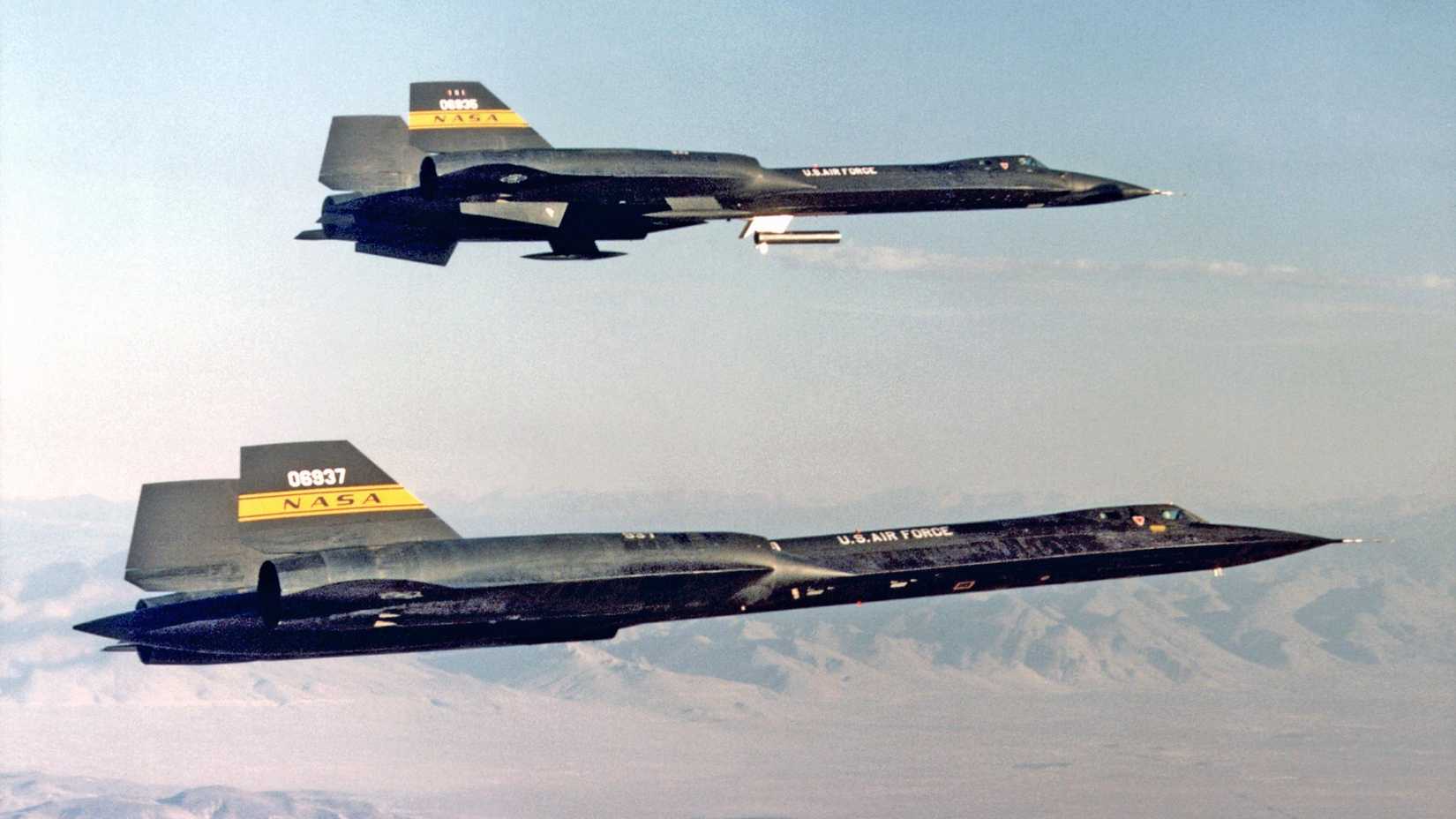
The precursor A-12 flew in 1962, roughly two and a half years before the maiden flight of the SR-71. The CIA managed the extreme single-pilot workload of the A-12 Oxcart program through a combination of strict operational doctrine, automated design, and hyper-selective pilot recruitment. However, this high-stakes approach contributed to severe operational risks, resulting in accident losses of roughly 46% for the overall A-12 fleet. The intelligence agency experienced a significantly higher mishap rate than the subsequent United States Air Force SR-71 Blackbird program.
Because the aircraft was built as a single-seater, the A-12 was inherently lighter and smaller than the later Blackbird. Those physical characteristics allowed it to fly slightly higher and faster than the SR-71. The Air Force never operated this specific variant. The A-12 ultimately flew just one major operational campaign, known as Operation Black Shield, conducting reconnaissance sorties over North Vietnam and North Korea throughout 1967 and 1968.
Unlike the Air Force, which required the SR-71 to dynamically scan wide areas, search for unexpected targets, and react rapidly to changing battlefield conditions, CIA missions were typically classified as point-and-shoot operations. The A-12’s precise flight path was pre-programmed into the navigation system before takeoff. Once airborne, the pilot’s main focus was holding that exact flight line while the automated camera system autonomously turned itself on and off over designated targets.
Safety First on the Edge of Outer Space
The CIA did not train rookie pilots for the grueling A-12 program; instead, the agency recruited the absolute top tier of Air Force fighter jet and U-2 spy plane pilots. These aviators possessed thousands of hours of high-altitude or supersonic flight experience, allowing them to rely heavily on ingrained, automated muscle memory when unexpected emergencies occurred. Still, the platform remained incredibly volatile, and five to six of the initial 15 aircraft were ultimately destroyed in accidents. Three of those tragic mishaps also claimed the lives of the pilots.
While the US Air Force did not drastically reduce the overall number of accidents in terms of sheer percentage during the years it flew the SR-71, it operated a much larger fleet of 32 Blackbirds across a far longer operational timeframe. Although 12 planes were eventually written off due to mishaps—representing a percentage roughly comparable to the CIA’s losses—the most striking and important statistic of the program is that zero USAF aircrew members were ever killed while flying combat intelligence, surveillance, and reconnaissance missions.
While the CIA lost six aircraft out of 15 over approximately 5,400 hours, the Air Force averaged just one accident for every 4,450 flight hours logged. For an aircraft hurtling through the stratosphere at Mach 3.2 at the absolute edge of space, that statistical safety improvement is astonishing. Historical data points highlight the stark operational disparity between the two programs, particularly in terms of operational lifespan, total sorties flown, cumulative fleet flight hours, and fatal casualties.
As the direct technological precursor, the A-12 bore the brunt of the engineering trial-and-error phase, but the CIA pushed the boundary limits of the airframe immediately. When every system functioned smoothly, a single pilot could successfully manage the A-12. That fragile balance shattered whenever an emergency arose in flight, such as the notorious unstart of an engine at supersonic speeds. The violent yaw that such an occurrence induced at Mach 3 could instantly disorient or blind the crew.
In the A-12, the solo pilot not only had to struggle to stay conscious against powerful G-forces, but also had to properly troubleshoot complex systems to stabilize the aircraft before it entered an unrecoverable flight profile. The presence of an RSO in the SR-71 not only lowered the likelihood of an emergency by dramatically reducing the pilot’s cognitive workload, but also provided a vital second pair of eyes, hands, and an analytical mind to solve problems and operate critical systems during worst-case scenarios.
A Spyplane Built to Last Even at Mach 3.0
Achieving zero operational casualties across three decades of high-altitude espionage was never a matter of mere luck. The Air Force achieved this unprecedented safety record through revolutionary operational shifts. By strictly dividing duties between a pilot and an RSO, the military successfully brought early concepts of Crew Resource Management into the supersonic era.
By spreading intense operational stress across two human minds and benefiting directly from the hard lessons learned during the A-12 program, the USAF turned a dangerous experimental prototype into one of the safest record-breaking aircraft in history. In an era long before digital flight management systems existed, if a critical sensor blew out or an engine stalled at Mach 3, the crew could seamlessly run dual checklists simultaneously.
One crew member handled immediate survival mechanics while the other controlled safety margins, navigation, and emergency radio frequencies. Crucial improvements to the flight control systems introduced with the SR-71 rollout also eliminated many of the technical quirks that made the A-12 significantly more hazardous to fly.
The single biggest catalyst for high-speed instability in the A-12 was the engine unstart, a phenomenon where a supersonic shockwave suddenly spilled out of the inlet, causing the aircraft to instantly and violently yaw. The intelligence agency’s fleet was more vulnerable to such malfunctions due to analog flight computers that processed data more slowly and demanded constant manual pilot input.
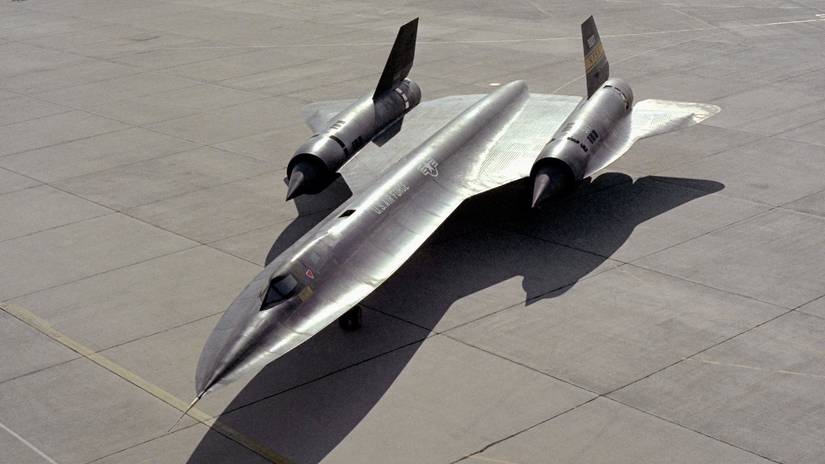
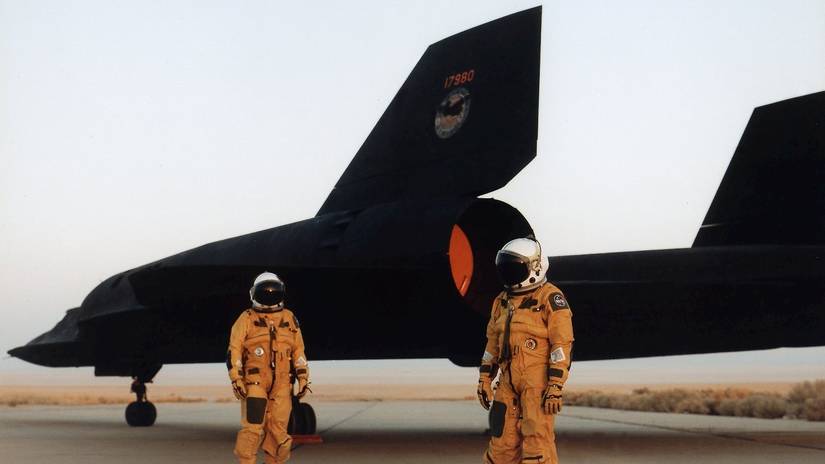
Lockheed subsequently introduced the Digital Automatic Flight and Inlet Control System with the SR-71. This advanced system could cross-communicate instantly between both engines, proactively predicting atmospheric temperature spikes or pressure fronts and repositioning the inlet spikes before an unstart could physically occur. The Air Force also reinforced the two-seater with thicker titanium skin, extended engine inlet chines, and upgraded pressure suits virtually identical to those worn by NASA astronauts.
Lessons Written in Blood: Habu’s Legacy Today
Long before the aviation industry coined the formal acronym for Crew Resource Management, the USAF and Lockheed’s Skunk Works were fundamentally pioneering the core tenets of crew resource theory out of absolute necessity on the SR-71 Blackbird program. Historically, military aviation was governed by a rigid, autocratic hierarchy where the aircraft commander’s word was absolute law—a dangerous dynamic that frequently resulted in accidents if a junior co-pilot noticed a critical error but remained too intimidated to speak up.
The SR-71 program actively flattened this traditional hierarchy and established strict, unbreakable boundaries regarding task prioritization. At Mach 3.2, the pilot was entirely stripped of operational mission responsibilities, while the RSO was entirely stripped of stick-and-rudder aerodynamic control. This uncompromising distribution of workload ensured that if an emergency struck, neither crew member suffered from dangerous cognitive tunnel vision.
The staggering success of the SR-71 fleet, logging tens of thousands of flight hours at Mach 3.0 with zero operational fatalities, permanently shattered old-school military doctrines. The long-held belief that elite, aggressive single fighter pilots should always maintain absolute individual authority was fundamentally challenged by the undeniable safety and mission success of the Blackbird crews.
As the Department of Defense began implementing formalized Crew Resource Management protocols across all military branches, the blueprint forged by SR-71 crews directly shaped the future of global aviation. The profound influence of these military and NASA aviators eventually helped introduce Crew Resource Management training to commercial aviation in the late 1970s. During the first few decades of commercial airline history, the captain had operated as an absolute dictator on the flight deck.
Having proven that flattening cockpit hierarchies did not undermine necessary authority, commercial airlines modified their training curriculums to enforce assertiveness training for first officers and receptivity training for captains. Today, that enduring legacy lives on globally in specialized programs like Line-Oriented Flight Training, where commercial flight crews fly realistic simulated routes while instructors test teamwork, effective communication, and load sharing under extreme operational stress, moving far beyond basic mechanical flying skills.