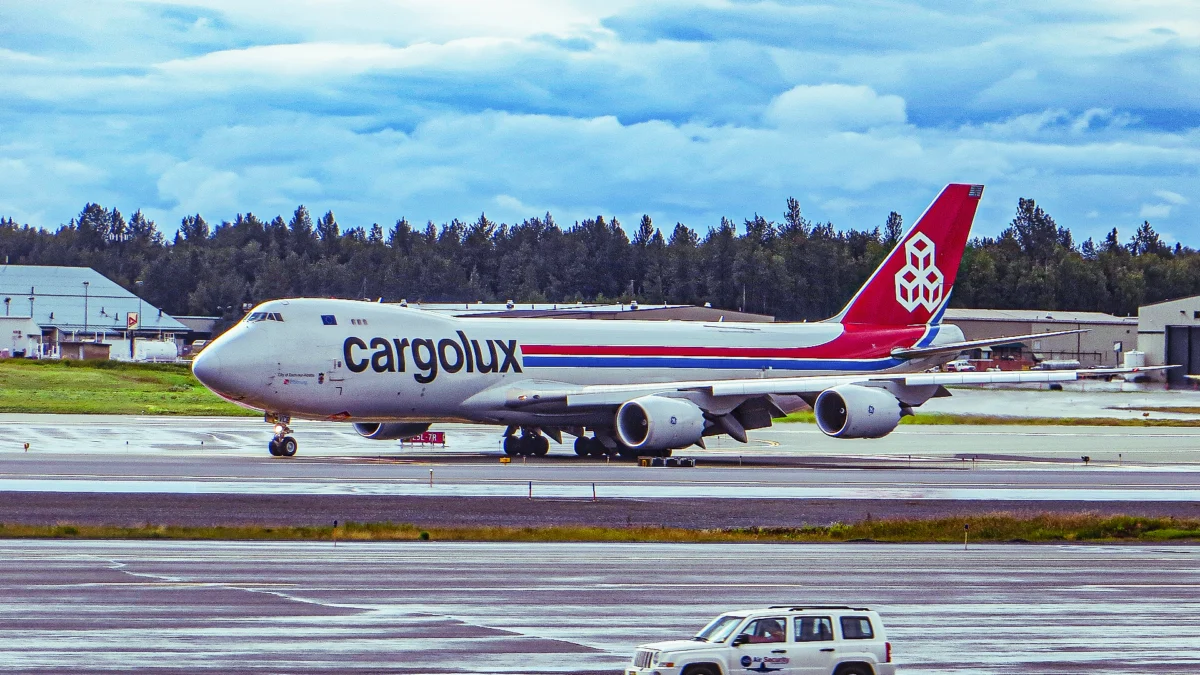
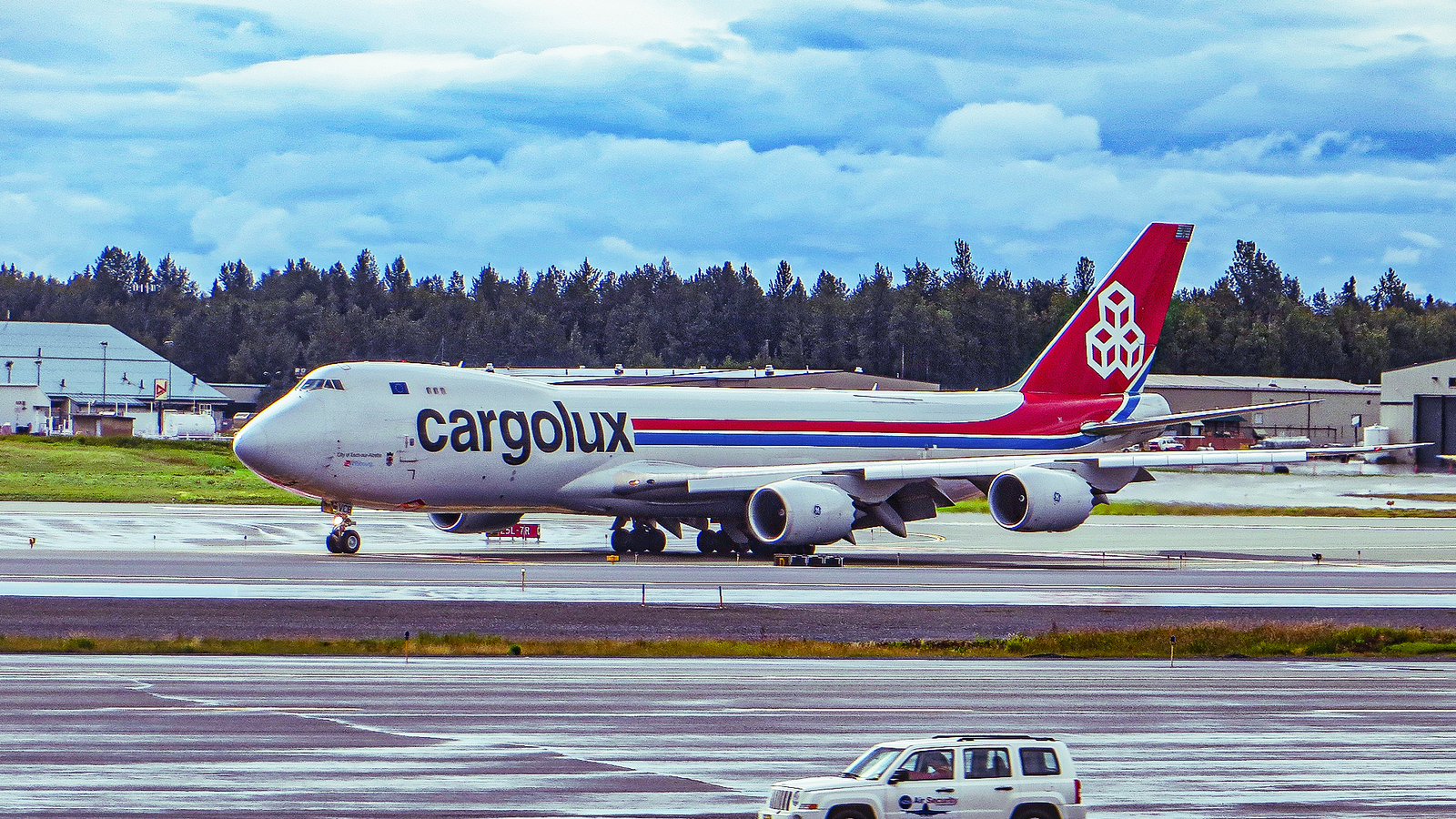
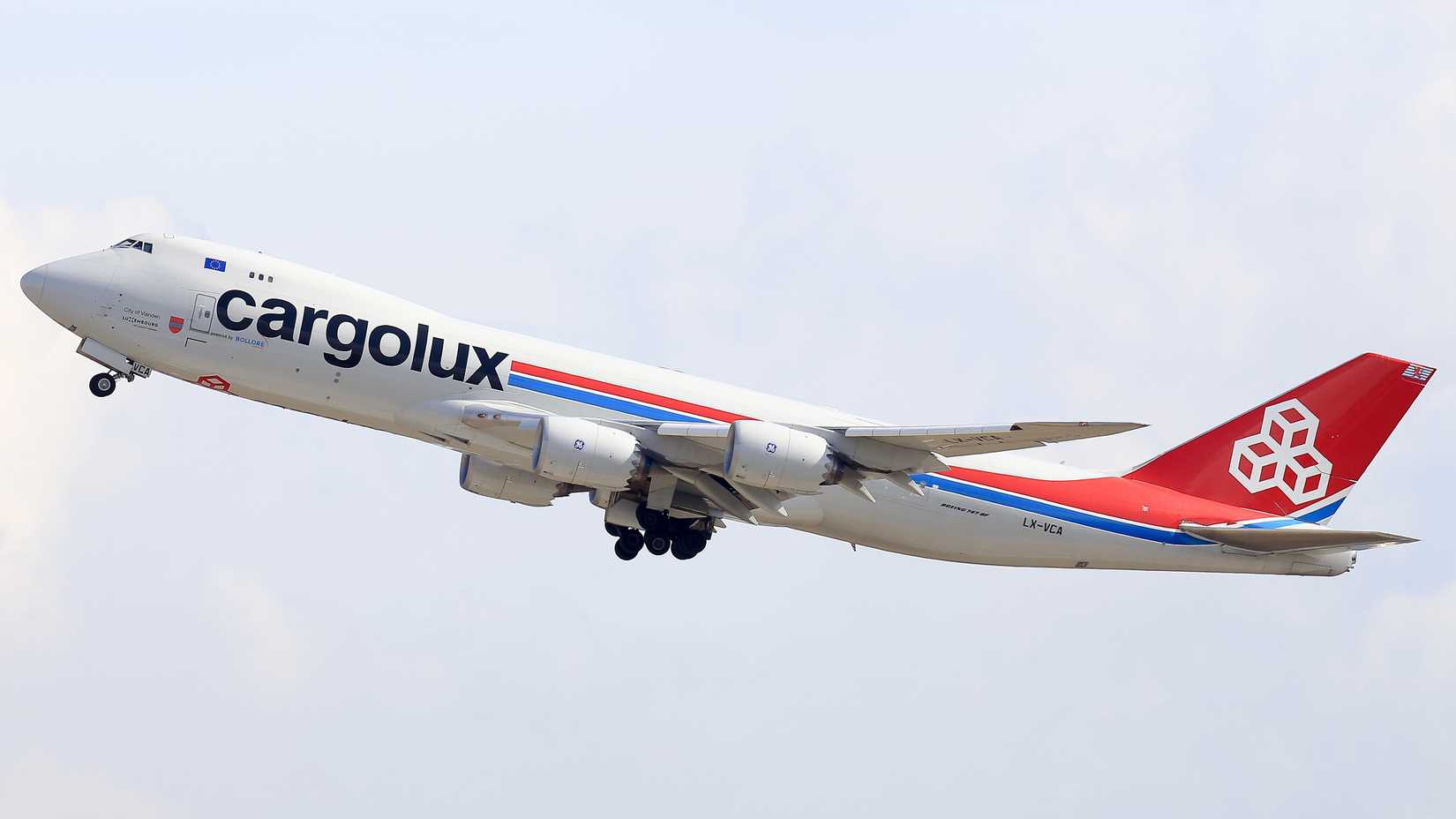
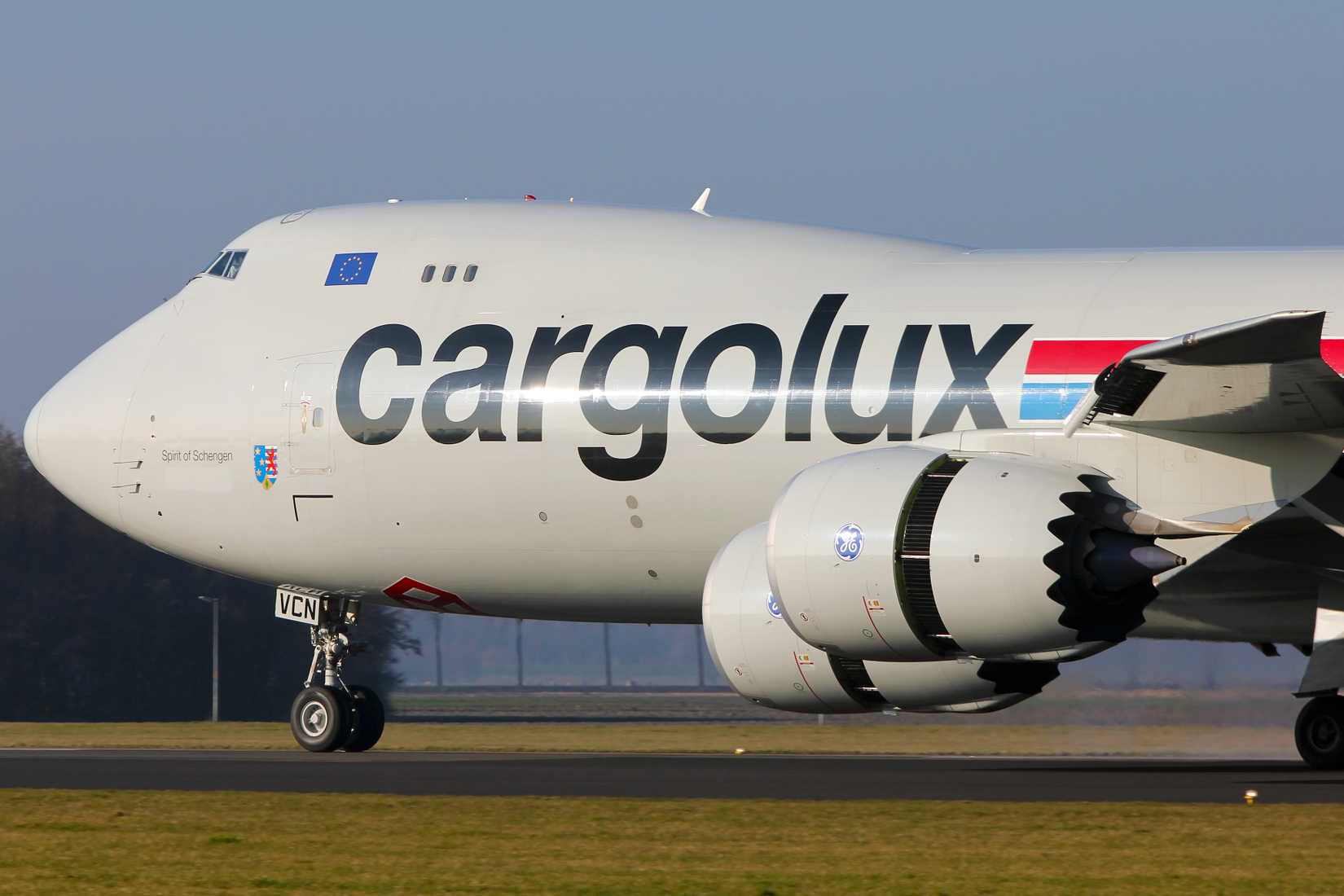
The Boeing 747-8F remains one of the most capable and formidable cargo aircraft in commercial aviation, seamlessly combining enormous payload capacity with the exceptional range required to connect the world’s major freight markets. Among the majestic "Queen of the Skies" freighters still plying the global trade routes, Cargolux’s airframe registered as LX-VCB holds a very special place in aviation history. Delivered on October 12, 2011, and proudly named the City of Esch-sur-Alzette, it was the very first Boeing 747-8F handed over by Boeing to a commercial customer.
A close examination of its movements over a single week—specifically between October 19 and October 25—reveals how one individual aircraft actively supports a vast, highly complex global logistics network spanning Asia, the Middle East, North America, and Europe. Utilizing flight tracking data, the aircraft’s demanding schedule of ultra-long-haul flights and carefully timed intermediate stops comes into sharp focus. This particular week also coincided with a serious landing gear incident involving sister aircraft LX-VCF back in Luxembourg, prompting immediate fleet-wide inspections across the active 747-8F operator community. Together, these developments underscore both the immense logistical complexity of international air freight and the enduring, irreplaceable importance of Boeing’s largest production freighter.
From Miami To Astana: The Week Begins
LX-VCB began its intensively tracked week of operations on October 19, operating Cargolux Flight CV342 from Miami International Airport (MIA) straight to Luxembourg Airport (LUX). The heavy freighter departed the warm climes of Florida at 7:21 am UTC and touched down gracefully in the heart of Europe at 3:26 pm UTC, completing the grueling transatlantic journey in eight hours and five minutes. Demonstrating the relentless utility of a dedicated commercial freighter, the aircraft did not linger on the ground for long. That very same evening, it was prepared for its next major assignment, showcasing how quickly these multi-million-dollar assets are turned around to return to active service.
Its next assignment was designated as Flight CV9001, which pushed back from Luxembourg at 7:49 pm UTC, bound for Astana Nursultan Nazarbayev International Airport (NQZ) in Kazakhstan. The aircraft arrived safely in Central Asia at 02:05 UTC on October 20, completing the flight in six hours and 16 minutes and effectively bridging Western Europe with Central Asia’s growing transit corridors. However, LX-VCB did not remain parked on the tarmac in Astana for long.

Flight CV9001 continued onward from Kazakhstan to Taipei Taoyuan International Airport (TPE) in Taiwan, departing at 5:37 am UTC and arriving at 12:38 pm UTC after a flight time of seven hours and one minute. Retaining the exact same flight number across successive international legs illustrates an essential characteristic of modern cargo logistics: freight services often operate as deeply integrated, continuous journeys rather than isolated, point-to-point city pairs.
Later that same day, LX-VCB departed Taipei for Singapore Changi Airport (SIN) operating as Flight CV9022, touching down at 7:17 pm UTC after a brisk four-hour flight. Within the span of just two days, the aircraft had already crossed multiple major global cargo markets, vividly demonstrating the impressive international reach of the Boeing 747-8F and its unmatched ability to haul substantial freight volumes between diverse geographic regions.
A Diversion In Muscat Before The Return To Asia
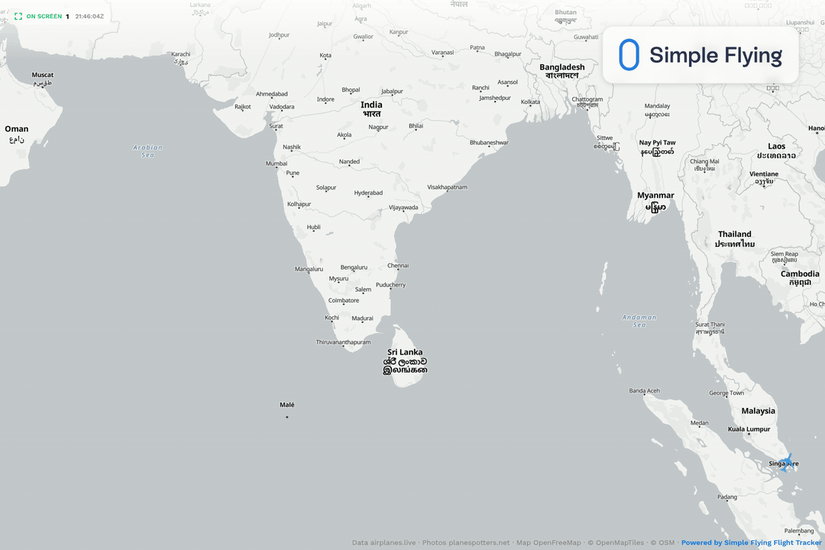
On October 21, LX-VCB departed Singapore at 9:43 pm UTC, once again under the CV9022 flight number, on a scheduled service bound directly for Luxembourg. However, operational realities intervened, and the flight diverted to Muscat International Airport (MCT) in Oman. The freighter touched down safely in Muscat at 04:06 UTC after six hours and 22 minutes in the air. Publicly available tracking data establishes the physical diversion, but it does not establish its underlying cause; consequently, any speculation regarding the precise circumstances of the diversion remains inappropriate without formal confirmation from Cargolux.
The aircraft subsequently resumed its journey from Muscat to Luxembourg, operating under a modified designation as flight CLX1G rather than retaining the original CV9022 flight number. It departed Oman at 5:57 am UTC and arrived in Luxembourg at 1:21 pm UTC, completing this leg in seven hours and 24 minutes. This minor change in designation neatly illustrates how routine operational adjustments, crew scheduling, and administrative re-routing can affect the flight numbers officially recorded for individual segments of a multi-stop journey.

After returning to its primary European operating base in Luxembourg, LX-VCB was swiftly reloaded and dispatched at 7:17 pm UTC on Flight CV4793, bound for Hong Kong International Airport (HKG). It arrived in the bustling East Asian financial hub at 7:06 am UTC on October 22, following a lengthy and demanding 11-hour-and-49-minute flight. This continuous routing—carrying the aircraft from Singapore through Muscat and Luxembourg before sending it straight back across the Eurasian landmass toward the Far East—reflects the deeply interconnected, round-the-clock nature of international cargo operations. Cargolux builds its extensive network squarely around its Luxembourg hub, utilizing dedicated heavy freighters to link major manufacturing and consumer markets across multiple continents.
Hong Kong, Anchorage, Dallas & Miami
The subsequent operational sequence commenced on October 22, when LX-VCB departed Hong Kong at 9:41 am UTC on Flight CV287. It arrived at Ted Stevens Anchorage International Airport (ANC) in Alaska at 6:23 pm UTC after an eight-hour-and-43-minute flight across the northern waters. Strategically positioned as a natural geographic bridge between Asia and North America, Anchorage serves as an indispensable stopping point for heavy cargo aircraft making the arduous crossing over the North Pacific.
Following a routine ground stop for refueling and handling, LX-VCB departed Anchorage at 7:44 pm UTC, continuing on the exact same CV287 service down to Dallas/Fort Worth International Airport (DFW). It arrived in Texas at 1:30 am UTC on October 23, completing this North American leg in five hours and 46 minutes. Maintaining the same flight number across both transpacific and domestic segments further highlights that the aircraft was adhering to a broader, meticulously planned sequence of cargo destinations rather than merely jumping between two isolated endpoints.
From Dallas/Fort Worth, the aircraft pushed onward to Miami, departing at 4:49 am UTC and arriving at 6:57 am UTC. This domestic U.S. leg lasted two hours and eight minutes, linking Texas with Florida. This sequence of three consecutive destinations under the single CV287 banner successfully connected Hong Kong, Anchorage, Dallas/Fort Worth, and Miami, demonstrating precisely how a modern widebody freighter can efficiently serve several major commercial markets during one extended operational rotation. Capping off this intensive North American loop, LX-VCB departed Miami for Luxembourg at 9:20 am UTC on October 23, arriving back at its home base at 5:19 pm UTC after seven hours and 59 minutes in the air.
Why Cargo Aircraft Fly Loops
While passenger airlines typically organize their flight schedules around recognizable, straightforward return journeys, dedicated freighters frequently operate far more complex, multi-segmented patterns. This divergence occurs because global freight demand fluctuates wildly depending on the destination, the specific type of shipment, seasonal variations, and the time of day. A high-capacity cargo aircraft may deliver part of its bulky load at one airport, collect valuable additional cargo at a secondary logistics hub, and continue onward to a completely different destination before finally looping back to its home base.
The CV287 routing sequence executed by LX-VCB perfectly demonstrates this core principle. Rather than flying a simple, direct route from Hong Kong back to Luxembourg, the aircraft ventured across the Pacific Ocean to Anchorage, pressed onward to Dallas/Fort Worth and Miami, and eventually completed its global circuit back in Western Europe. The flight number remained steadfastly associated with these successive legs, illustrating how a single scheduled service can encompass multiple intricate stages of a much wider, global cargo operation.

Airports like Anchorage hold unique prominence in these global networks because their specific geographic location provides unparalleled, fuel-efficient access between the manufacturing powerhouses of Asia and the sprawling consumer markets of North America. Global operators routinely utilize Anchorage as a vital transfer point, a technical stop, or a core destination within a multi-leg service, tailoring their operations to meet shifting supply chain demands.
The Luxembourg Landing Gear Incident
October 23 brought a significant and sobering development for Cargolux when sister aircraft LX-VCF suffered a serious landing gear collapse while operating in Luxembourg. The unexpected incident prompted immediate fleet-wide safety inspections across the airline’s active Boeing 747-8F fleet, abruptly drawing sharp industry-wide attention to the daily operational challenges of maintaining a specialized, heavy freighter fleet while simultaneously trying to service a relentless international timetable.
Intriguingly, LX-VCB was also physically present in Luxembourg on that exact day, having touched down from Miami earlier that afternoon at 5:19 pm UTC. Demonstrating the immense pressure under which these aircraft operate, it departed the home base once again for Hong Kong at 9:22 pm UTC on Flight CV4755, arriving safely in the Far East at 8:30 am UTC on October 24 after an 11-hour-and-eight-minute flight. While its subsequent movements provide a clear chronological record of its availability, publicly accessible tracking data cannot establish precisely which maintenance checks or inspections were specifically performed on this particular airframe during its brief ground time.
An unexpected technical incident involving a single aircraft can have immediate, cascading implications for an entire airline fleet. Fleet operators frequently find themselves forced to rapidly assess sister airframes, coordinate complex technical checks with manufacturers and regulators, and determine whether heavily booked scheduled flights can safely proceed as planned. Such mandatory measures place extraordinary demands on dedicated maintenance teams and operational planners, particularly when the aircraft in question are moving continuously between international time zones and tight airport slots.

Nevertheless, available flight itineraries must be strictly distinguished from confirmed technical disclosures. LX-VCB’s routine presence in Luxembourg on the exact day of the incident does not establish that it was directly involved in the occurrence or that it experienced a related mechanical problem.
The First Boeing 747-8F & The Future Of Air Freight
Airframe LX-VCB occupies a deeply celebrated chapter in the storied history of the Boeing 747 program. Built in 2010 and officially delivered to Cargolux on October 12, 2011, it cemented its status as the very first production 747-8F handed over by the American manufacturer. Bearing the proud moniker City of Esch-sur-Alzette, the aircraft marked a monumental milestone for an iconic family of aircraft whose immense payload capacity and long-range performance have long made them the absolute cornerstone of international heavy cargo operations.
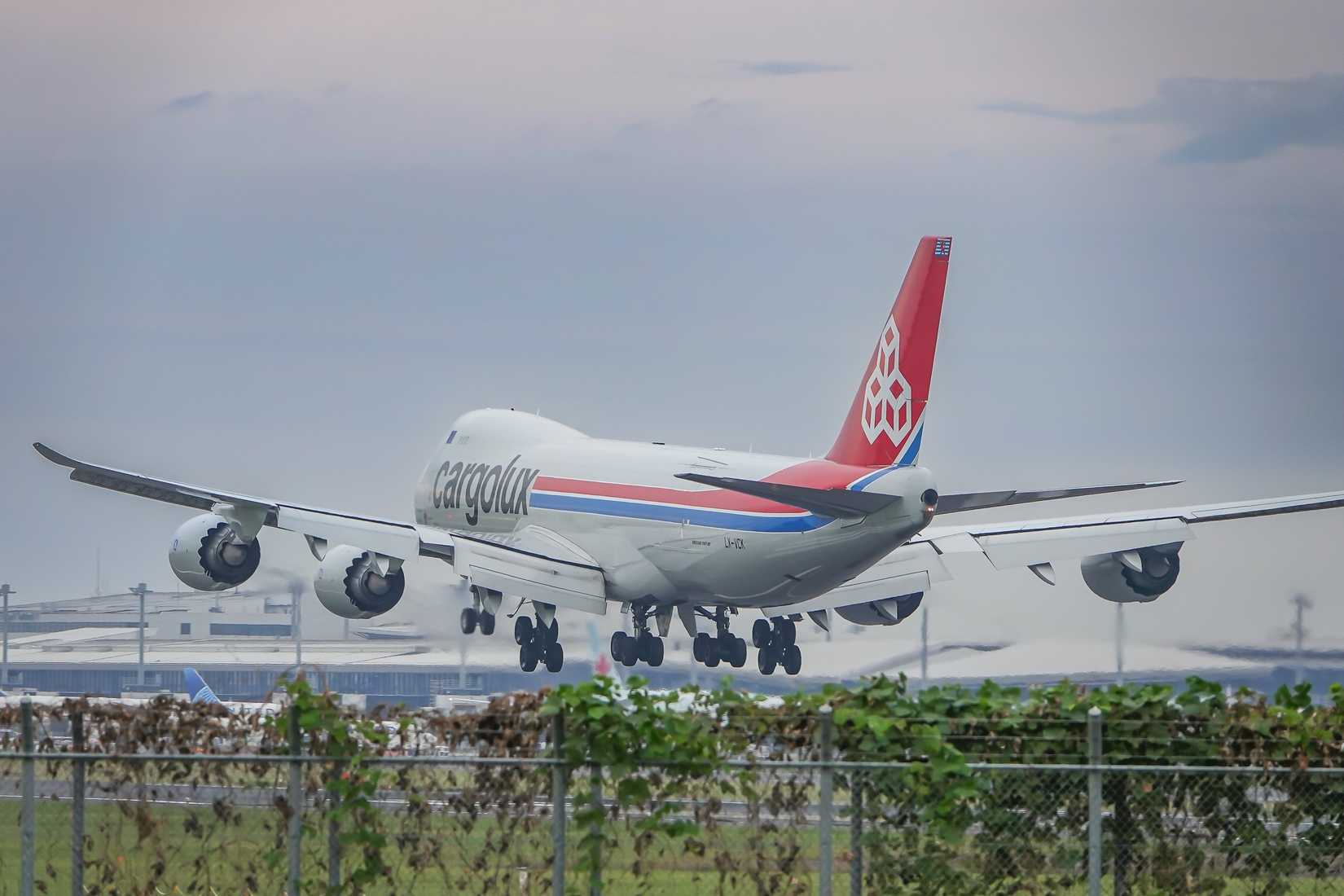
The Boeing 747-8F successfully evolved the proven strengths of earlier 747 freighter iterations by introducing a stretched fuselage and modern, highly efficient GEnx-2B engines, while notably retaining the distinctive, hinged nose-loading cargo door that allows operators to effortlessly accommodate awkward, oversized industrial shipments. Although Boeing officially concluded its legendary 747 production line in early 2023 by delivering the final aircraft to Atlas Air, hundreds of existing production freighters continue to form the backbone of critical trade routes across the globe.
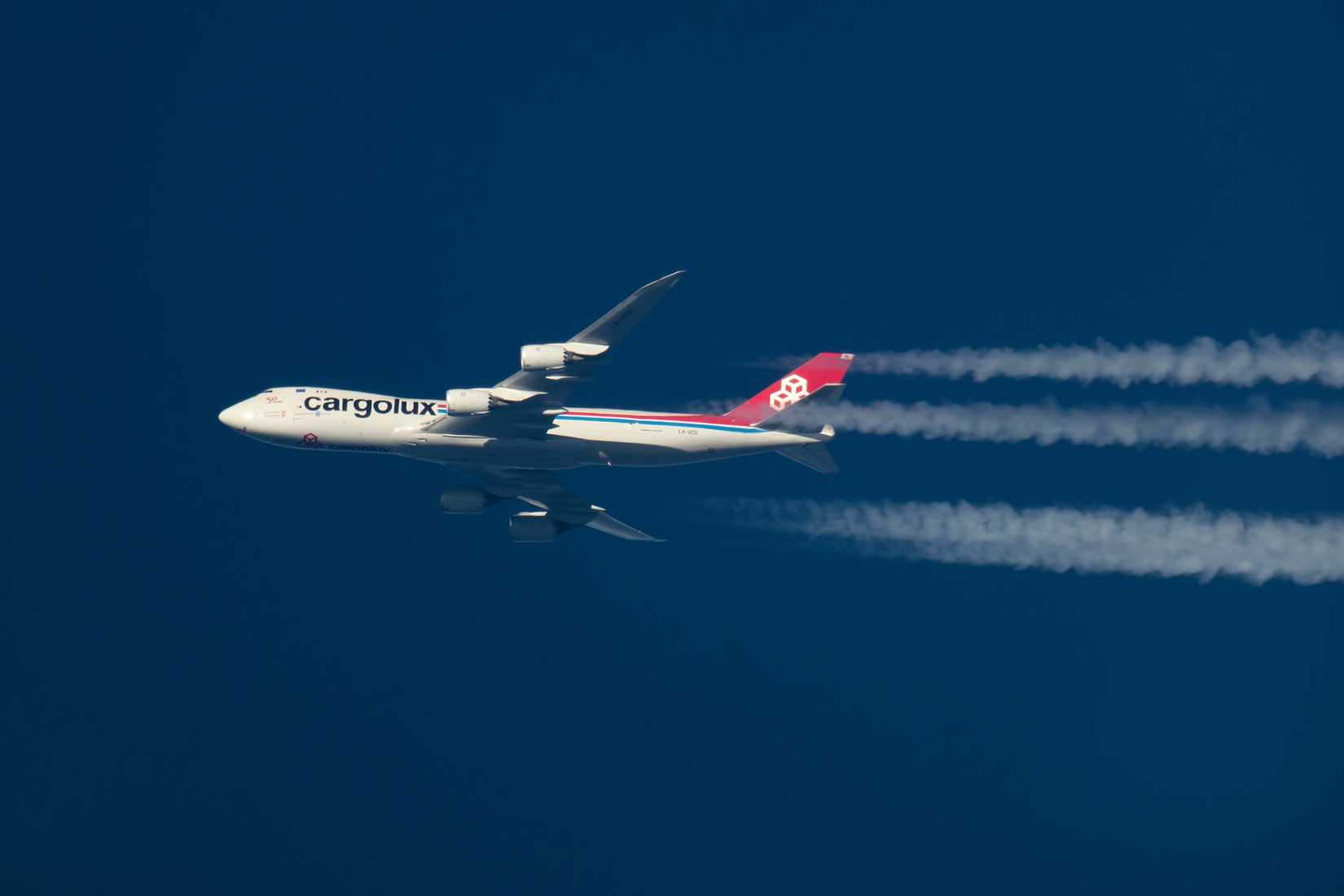
Cargolux remains one of the world’s most prominent and dedicated operators of the type. While newer-generation twin-engine cargo aircraft will eventually reshape the carrier’s long-term fleet makeup, the 747-8F remains fiercely valued for its unmatched interior volume, heavy payload capabilities, long range, and the deeply established ground infrastructure supporting it. The grueling, week-long operational schedule of LX-VCB demonstrates clearly how an advanced heavy freighter delivered well over a decade ago can continue to reliably serve a demanding global network.
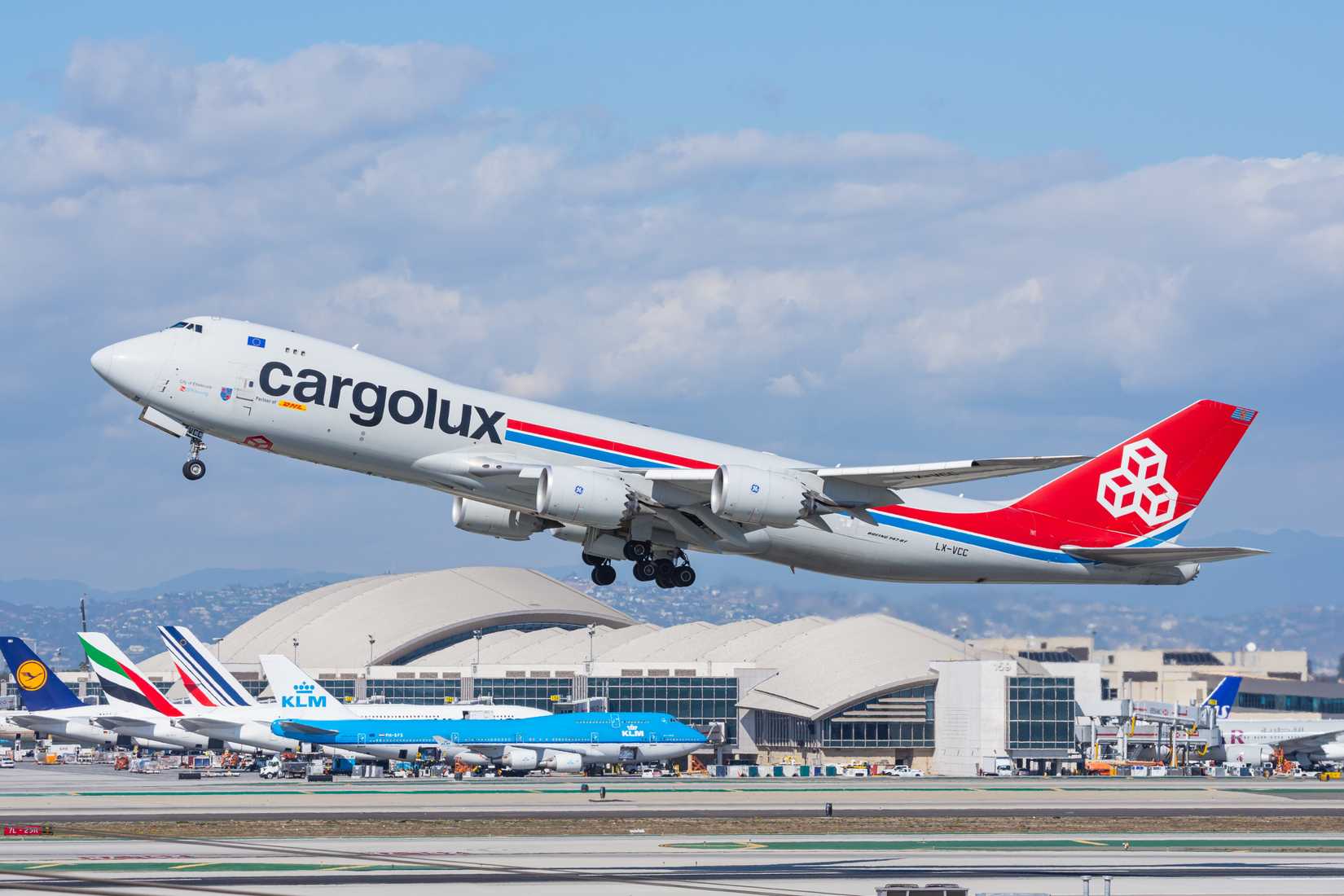
The latest industry data from ch-aviation confirms that major global carriers continue to rely heavily on the type, with UPS Airlines currently standing as the largest corporate operator of the Boeing 747-8F, followed closely by operators such as Atlas Air, Cathay Pacific, Cargolux, and Nippon Cargo Airlines. The broader outlook for dedicated air cargo aviation similarly points toward robust, continued long-term demand. Industry forecasts project substantial growth in the global commercial freighter fleet over the coming decades, driven heavily by expanding international trade requirements and the ongoing need to replace aging cargo aircraft.
Major aircraft manufacturers are actively tapping into this lucrative market with newer freighter offerings, such as Airbus developing a dedicated cargo variant of its popular widebody passenger jet. Although the pace of future fleet growth will naturally remain tied to broader macroeconomic conditions, fluctuating fuel prices, and evolving geopolitical trade patterns, the intensive weekly movements of airframe LX-VCB vividly illustrate the indispensable role that large, heavy-lift freighters continue to play in connecting manufacturing centers, vital regional distribution hubs, and global consumer markets every single day.