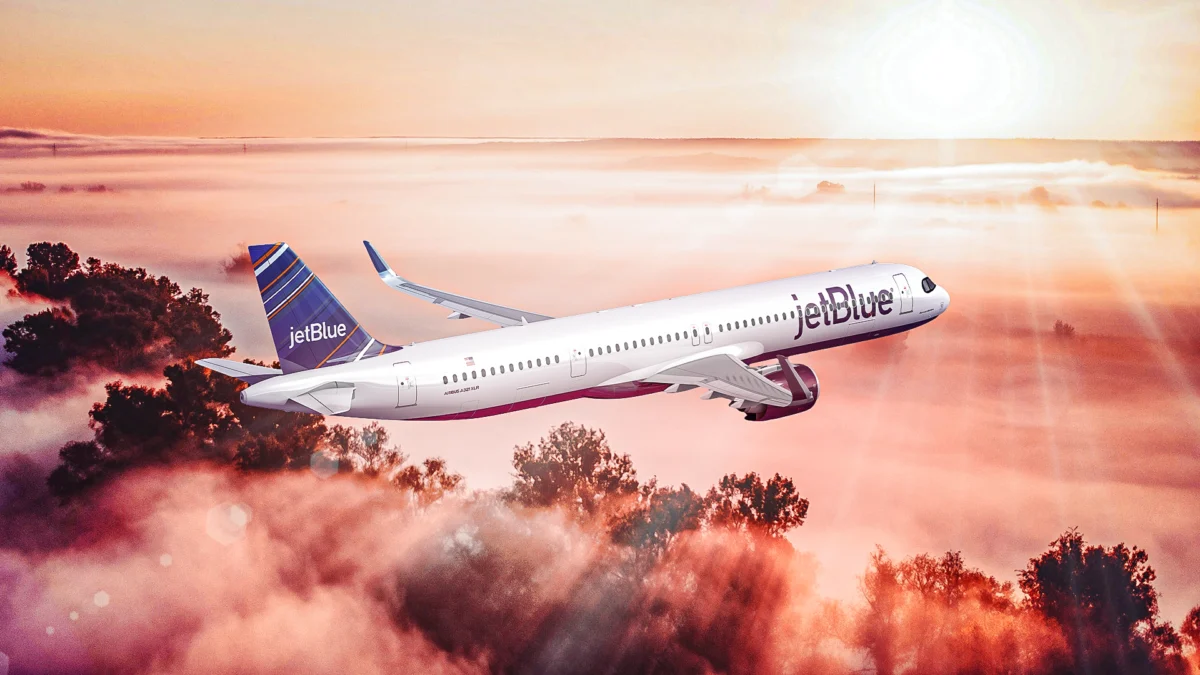
The Airbus A321XLR arrived on the global aviation stage as one of the most anticipated narrowbody aircraft types in recent history. Promising small size, exceptionally low operating costs, and unprecedented range, the aircraft was built to push single-aisle capabilities even further than its predecessor, the A321LR, while offering a modern successor to the famed Boeing 757. Now, nearly two years after entering commercial service, the aircraft’s real-world operational track record and diverse market reception have revealed a complex picture of triumph and technical hurdles.
Initial responses to the aircraft have varied wildly across the globe. While carriers like Iberia and Qantas have praised the plane’s performance and fuel efficiency, others have encountered unexpected challenges. Wizz Air has canceled the majority of its A321XLR orders and placed its initial deliveries in storage. Meanwhile, JetBlue deferred the vast majority of its order and attempted to sell its first production slots, and major network carriers like Air Canada and United Airlines have voiced concerns regarding the aircraft’s performance envelopes and true operational capabilities under specific conditions.
Where The A321XLR Is Succeeding
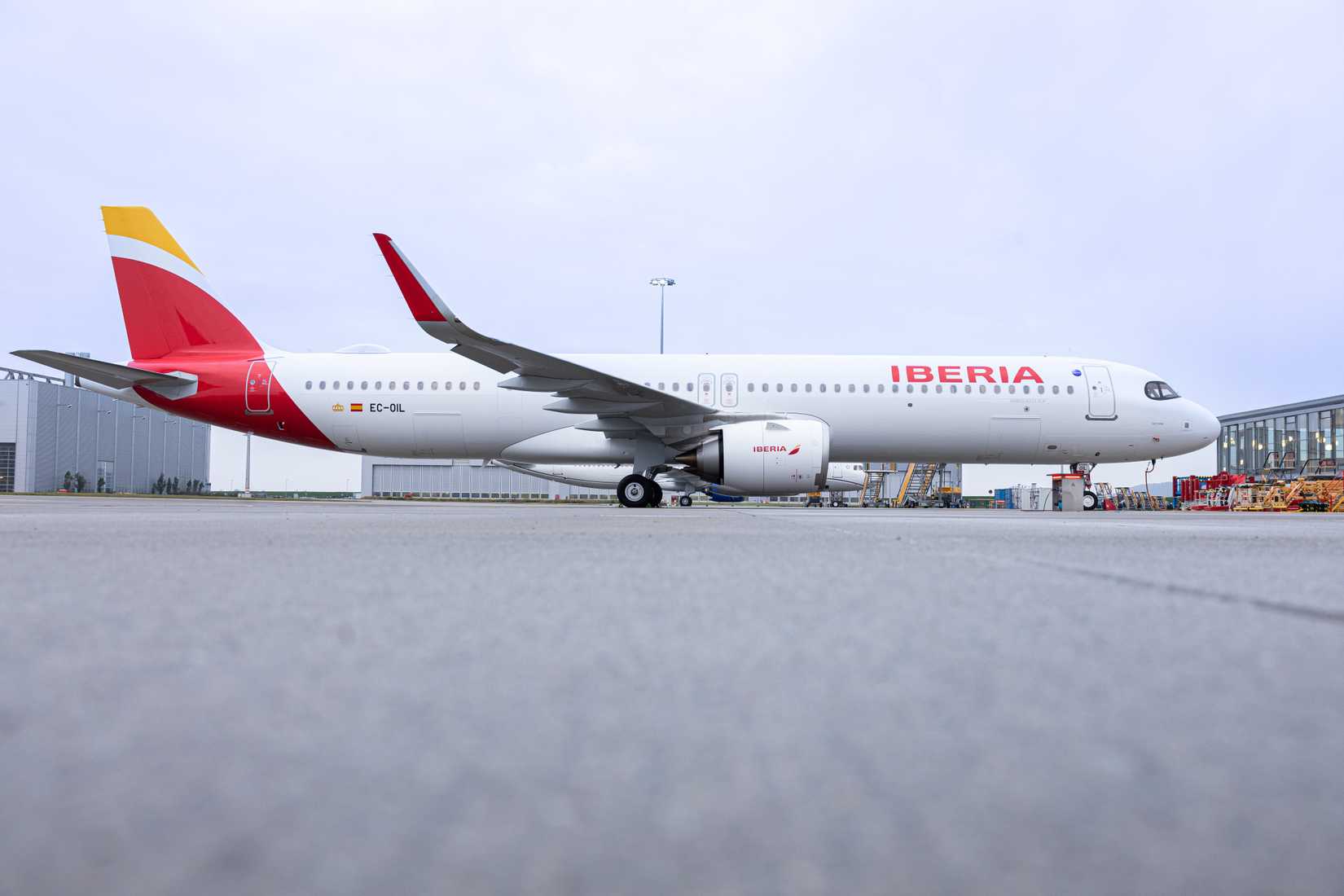
Iberia, operating under the International Airlines Group (IAG) umbrella, served as the global launch operator for the A321XLR, operating its inaugural commercial service on November 6, 2024. Sister carrier Aer Lingus quickly followed suit. Today, the type is deployed by an expanding roster of international carriers including Air Canada, American Airlines, IndiGo, Qanot Sharq, Qantas, Saudia, United Airlines, and Wizz Air, according to aviation data from Cirium.
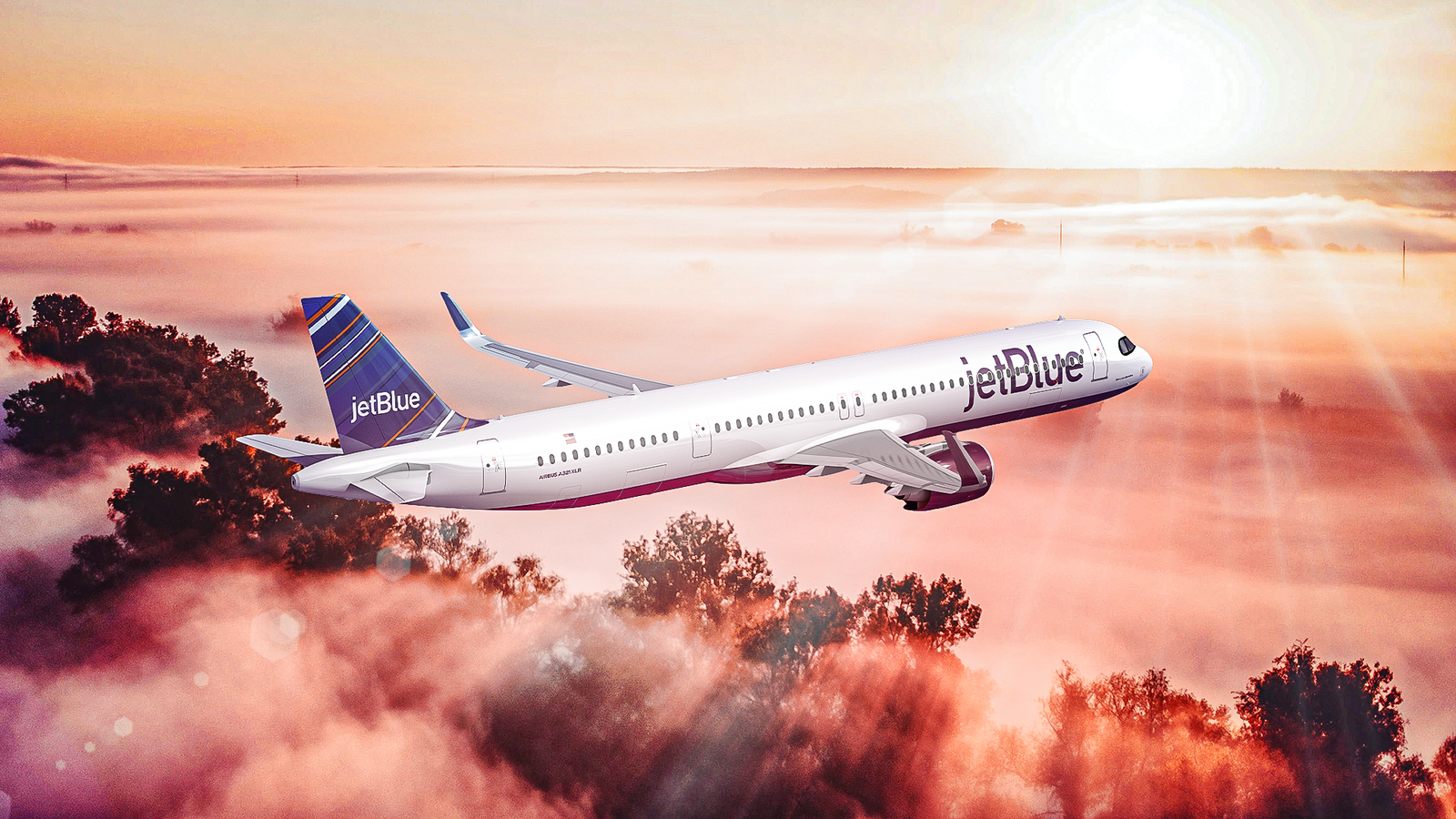
Iberia has been vocal in its praise, reporting that the aircraft burns up to 40% less fuel compared to widebody models on comparable missions. The Spanish flag carrier has utilized the jet to operate some of its longest thin routes, including the long-haul link between Madrid-Barajas Airport and Santo Domingo Las Américas International Airport, covering a distance of 3,617 nautical miles (6,698 kilometers).
While carriers like Iberia and Aer Lingus configured their A321XLR fleets with premium, lie-flat seating to capture high-yielding transatlantic traffic, Australian flag carrier Qantas took a different approach. Qantas configured its aircraft with between 197 and 200 recliner seats, deploying the type primarily on demanding domestic runs and regional international routes. For Qantas, the primary appeal lies in the aircraft’s high payload capacity rather than extreme ultra-long-range missions, though the airline intends to expand its use to international services with dedicated subfleets featuring lie-flat business class suites.
Similarly, Indian low-cost carrier IndiGo has embraced the aircraft for ambitious point-to-point missions, recently launching operations on the long-haul sector between Mumbai Chhatrapati Shivaji Maharaj International Airport and Amsterdam Schiphol Airport, spanning 3,707 nautical miles (6,866 kilometers). Across these successful deployments, operators have highlighted the aircraft’s fuel efficiency, positive passenger reception, and ability to open new city pairs.

Struggles With The A321XLR
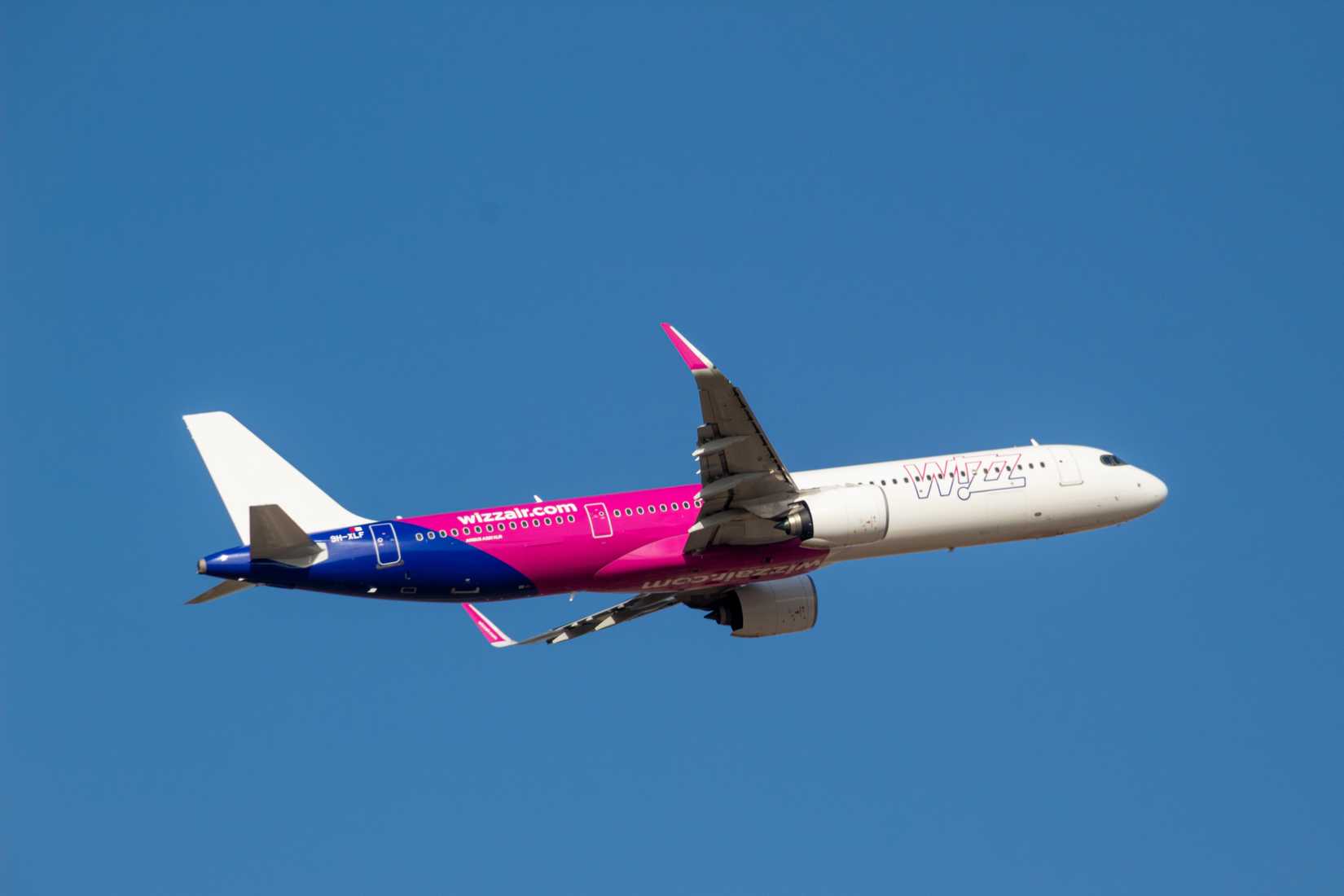
Despite the successes experienced by IAG and Qantas, the experiences of other carriers highlight friction points in adapting the ultra-long-range narrowbody to specific business models. Wizz Air initially placed orders for 47 A321XLRs, largely intended for its Abu Dhabi subsidiary. However, following the shutdown of those operations, the ultra-low-cost carrier found itself with long-range assets that did not fit its core European, all-economy short-haul network model. Consequently, Wizz Air converted 36 of its A321XLR orders to the standard A321neo variant, leaving it with just 11 XLRs, five of which have been placed into storage. Beyond mismatched network requirements, the airline has utilized stored airframes as a source to strip Pratt & Whitney GTF engines amid ongoing industry-wide engine shortages.
JetBlue faced a different set of scheduling and fleet integration challenges. The carrier deferred 11 of its 13 scheduled A321XLR deliveries as part of a broader pushback of 44 Airbus narrowbodies out to 2030 and beyond. Because the delivery dates for its first two A321XLR frames were too close to defer, JetBlue sold them to avoid operating a tiny, two-aircraft "orphan fleet" for half a decade.
The buyer, Aegean Airlines, acquired the aircraft to secure short-term capacity, but subsequent interior delivery delays meant the cabins would not be ready in time for the lucrative summer travel season. To avoid its own orphan fleet complications, Aegean ultimately rejected the aircraft.
Where The A321XLR Is Actually Having Issues
Underlying some of the operational friction are technical realities regarding the aircraft’s weight and range limits. United Airlines ordered 50 A321XLRs to replace its aging Boeing 757-200 fleet and expand thin transatlantic routes. However, the carrier has expressed disappointment that the aircraft cannot reliably execute certain marketed missions, such as nonstop flights from Newark to destinations in Italy, under all operational conditions. Concurrently, Air Canada has noted that the aircraft’s range and payload margins are acutely sensitive to hot weather conditions and challenging airfield performance constraints.
During its development, the A321XLR accumulated structural weight due to mandatory regulatory requirements for additional fire protection in its Rear Centre Tank. Although Airbus adjusted the aircraft’s Maximum Takeoff Weight upward to 101.5 tons to compensate, the airframe remains heavy for its physical footprint—particularly when paired with heavy, modern lie-flat business class suites. Furthermore, the widely cited brochure range of 4,700 nautical miles (8,700 kilometers) assumes ideal wind conditions, a light passenger configuration, and the presence of an optional auxiliary center tank.
While brochure ranges for any commercial aircraft are calculated under favorable environments, the A321XLR leaves less operational margin than traditional widebodies when deployed on long transatlantic sectors. For airlines operating near maximum capabilities, environmental factors like high ambient temperatures and short runways have a disproportionate impact.
Fleet configurations also play a role in these operational limitations. United Airlines reportedly did not select the forward auxiliary center tank option on its aircraft, which may explain its constraints on certain planned European routes. In contrast, American Airlines selected the auxiliary tank setup, enabling it to schedule longer sectors such as Philadelphia to Vienna. Air Canada faces similar balancing acts, as operating close to maximum structural limits leaves the aircraft more vulnerable to infrastructure and weather constraints than widebody alternatives.
The Reality Of A321XLR Operations
At its core, the A321XLR is an evolutionary iteration of the A321neo, enhanced with a higher maximum takeoff weight and increased fuel capacity to enable transatlantic crossings. Because it operates much closer to its maximum structural limits than a widebody aircraft, its dispatch reliability and mission completion on long-haul routes are more susceptible to strong headwinds, high temperatures, and restrictive airfield dimensions. Additionally, premium cabin layouts featuring heavy lie-flat seating impose a greater payload penalty on a narrowbody frame than on a larger twin-aisle aircraft.
Economic realities also factor into long-haul narrowbody operations. While the A321XLR burns significantly less fuel than widebodies like the Airbus A330 or Boeing 787, certain fixed and semi-fixed operating expenses—such as flight crew costs, maintenance overhead, and overflight fees—remain constant. With fewer seats available to absorb these costs and limited cargo-carrying capacity compared to widebodies, revenue potential is inherently constrained.
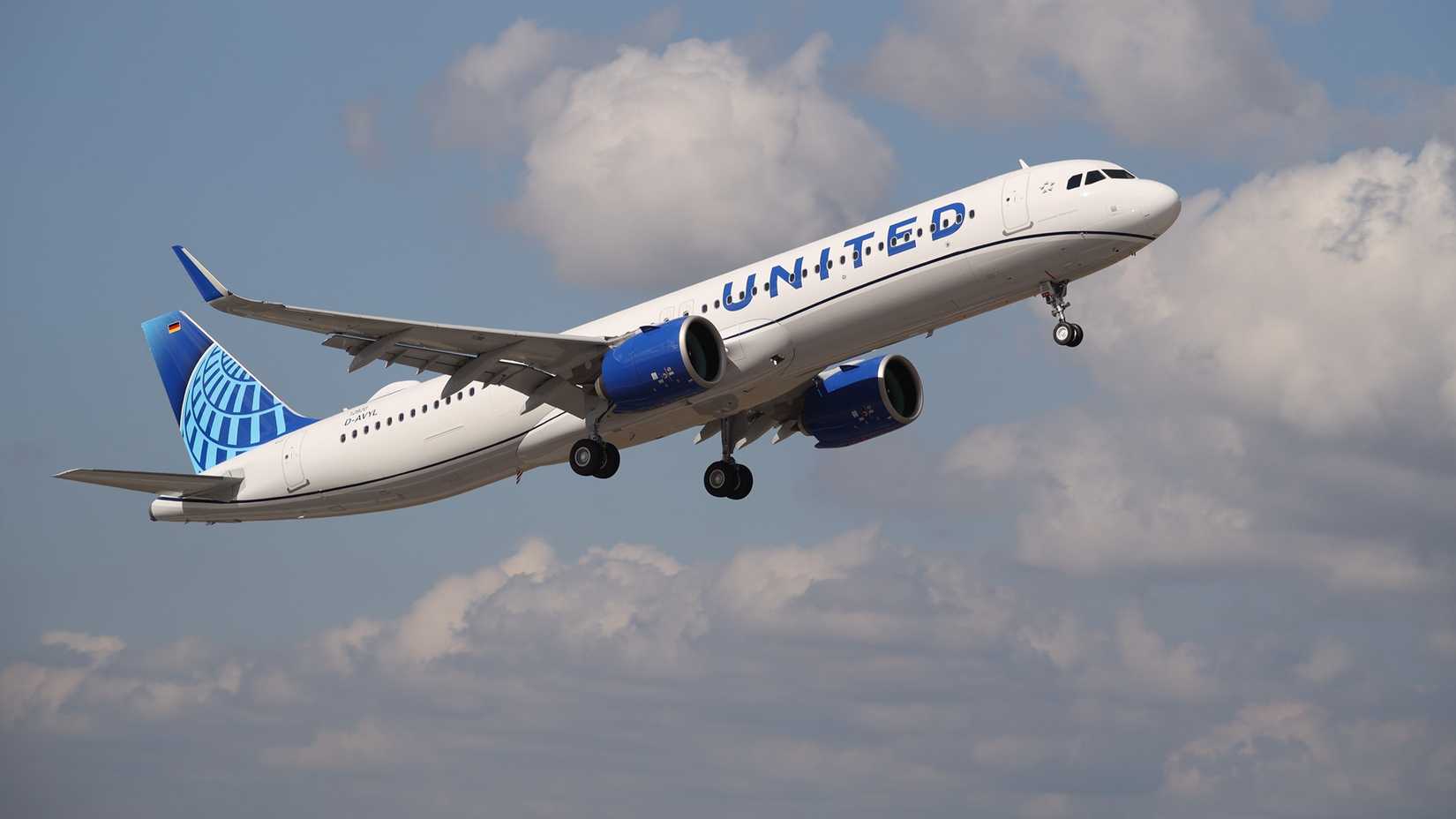
Full-service network carriers utilizing two- or three-cabin layouts have largely found success by matching the aircraft’s smaller capacity to thin, premium-heavy markets. Conversely, the economic calculus becomes much tighter for ultra-low-cost carriers attempting to utilize the aircraft in high-density, all-economy configurations where per-seat revenue is low and fixed overhead remains elevated.
Where The A321XLR Excels
The A321neo family remains the most popular commercial aircraft variant in history due to its operating economics and capacity profile. The A321XLR extends those fundamental traits into the long-haul market, providing an efficient tool for city pairs that lack the passenger demand to support larger widebodies like the A330, Boeing 787, Airbus A350, or Boeing 777.
For routes with lower passenger volume, the A321XLR offers greater range than the Boeing 757 and increased payload capability over the standard A321LR. Established operators within IAG and Qantas have capitalized on this niche, while carriers like American Airlines and United Airlines have massive backlogs. Missions such as United’s Newark-Luxembourg route or Aer Lingus’s Dublin-Indianapolis service represent the ideal use case for the aircraft, maintaining low trip costs while preserving yield integrity on thin routes.

The coming years will provide further insight into the aircraft’s versatility as low-cost operators like IndiGo—which holds 69 orders for the type—integrate the A321XLR into their networks. Their execution will ultimately test how effectively the long-range narrowbody can be harmonized with budget airline operational models.