The Walt Disney Company has initiated a new round of layoffs within its sprawling theme park division, marking a significant personnel shift for the entertainment giant. According to individuals familiar with the matter, the company has parted ways with between 100 and 200 employees, a move that comes as the organization continues to refine its operational structure and cost-management strategies.
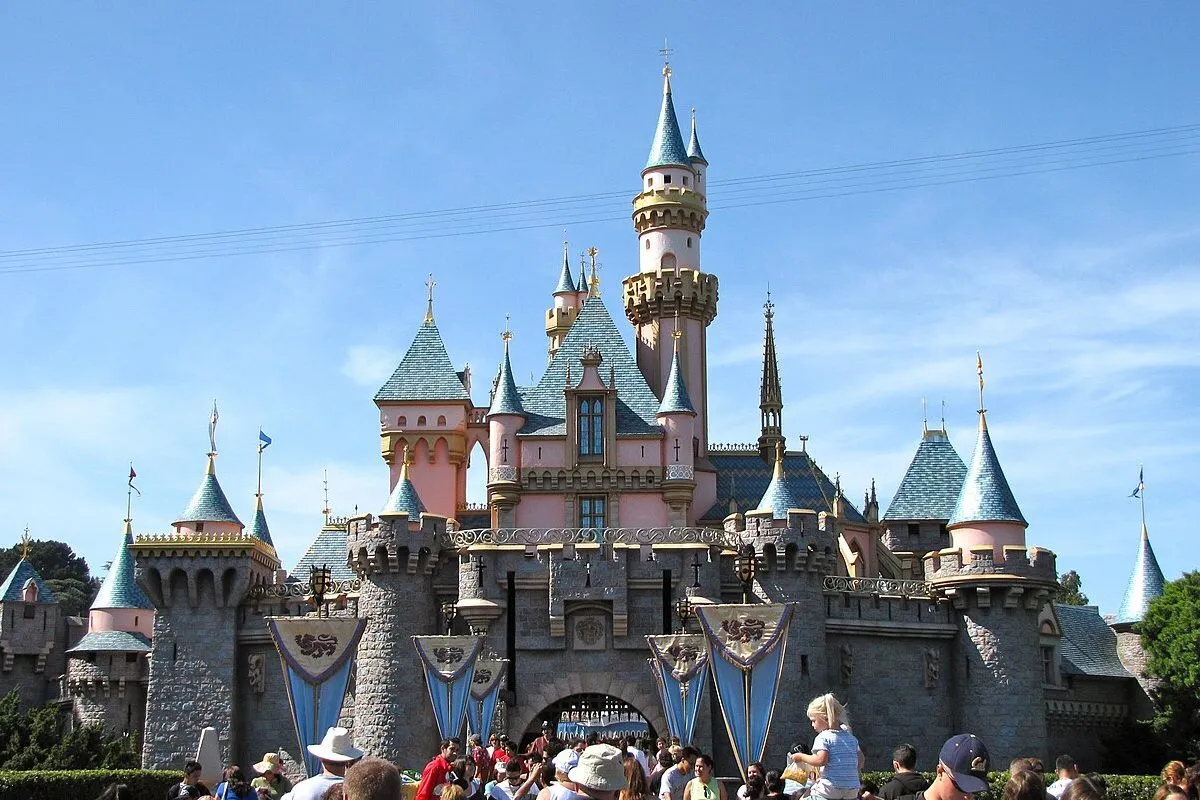
The layoffs, which occurred in late October 2026, were primarily concentrated within Walt Disney Imagineering. This division serves as the creative engine for the company’s global theme park portfolio, tasked with the conceptualization, design, and technical execution of attractions, immersive lands, and the complex infrastructure that defines the guest experience at Disney properties worldwide. For decades, Imagineering has been regarded as the heartbeat of Disney’s “Experiences” segment, responsible for transforming intellectual properties into physical realities that draw millions of visitors to Anaheim, Orlando, and beyond.
The reduction in force represents a notable development for a division that has historically operated with a high degree of autonomy and creative insulation. As Disney navigates the evolving demands of the global tourism market, the decision to trim headcount within the design arm suggests a broader shift in how the company balances creative ambition with financial efficiency. While Disney has not publicly detailed the specific rationale behind these individual departures, the cuts arrive at a time when major media and entertainment corporations are under consistent pressure from investors to streamline operations and focus on profitability across their core business segments.
The Walt Disney Imagineering team is not merely a design studio; it is a highly specialized workforce comprising architects, engineers, digital artists, animators, and narrative designers. These professionals are responsible for the intricate details found throughout Disney’s resorts, from the mechanics of ride systems to the psychological design of immersive queue lines. By targeting this specific group, Disney is signaling a potential recalibration of its long-term development pipeline. The layoffs may indicate a transition toward a more lean, project-based development cycle, or perhaps a consolidation of design efforts as the company balances the completion of major announced projects with the need to maintain a disciplined balance sheet.
In the wake of these reductions, industry observers are closely watching to see how the company intends to maintain its aggressive pace of park expansion. Disney has historically relied on the sheer volume and creative depth of its Imagineering staff to drive innovation, pushing the boundaries of what is possible in themed entertainment through advancements in robotics, projection mapping, and interactive storytelling. Any reduction in the size of this workforce naturally raises questions about the scope and speed of future developments. However, it is common for large-scale corporations to periodically adjust their staffing levels to match the ebb and flow of capital investment cycles, and this latest move follows a period of significant growth and capital expenditure for the Experiences division.
The broader context of these layoffs is inextricably linked to the performance of Disney’s parks and resorts, which have long served as the company’s most reliable financial engine. Over the past few years, the division has navigated a complex economic landscape characterized by fluctuating consumer spending habits, shifting travel patterns, and the ongoing challenge of maintaining high-quality guest experiences while managing rising operational costs. For shareholders, the parks segment has been a critical pillar of support, helping to offset the volatility often seen in the company’s film and streaming businesses. Consequently, any move to cut costs within the parks division is interpreted by the market as a move to protect margins in an increasingly competitive leisure industry.

While the loss of 100 to 200 roles represents a relatively small percentage of Disney’s total global workforce—which numbers in the hundreds of thousands—the impact within the specialized world of Imagineering is profound. These roles require a unique synthesis of artistic talent and technical expertise, and the departure of personnel who possess institutional knowledge regarding Disney’s proprietary technologies and creative standards is never a trivial matter. The layoffs underscore the reality that even the most celebrated creative divisions are subject to the same corporate governance and fiscal scrutiny as any other department within the conglomerate.
As the company looks toward the future, the remaining staff at Imagineering will likely be tasked with delivering on existing commitments while navigating a more streamlined internal environment. The challenge for Disney will be to continue fostering the creative spirit that has defined its parks for nearly a century while adhering to the fiscal discipline required by its current corporate strategy. For now, the industry remains in a period of observation, waiting to see if this reduction in personnel signals a temporary adjustment to project timelines or a more permanent shift in the company’s development philosophy.
The decision also highlights the ongoing tension between creative expansion and administrative stability. Disney has consistently leaned into the development of new lands and attractions to drive park attendance, a strategy that necessitates a large, capable, and highly specialized workforce. When the company chooses to reduce that workforce, it is effectively adjusting the throttle on its own engine of growth. Whether this is a strategic pivot to prioritize efficiency over rapid expansion or simply a necessary housekeeping measure in the face of changing economic conditions remains to be seen.
Ultimately, the layoffs at Disney underscore the fragile nature of specialized labor in the entertainment sector. As technology continues to change how attractions are built—with increased reliance on simulation, digital modeling, and automation—the traditional needs of a design studio like Imagineering are evolving. The roles affected by these cuts reflect a company that is constantly weighing the necessity of human-led design against the efficiency of new workflows and the necessity of maintaining a leaner, more agile organization.
The Disney Experiences division continues to command a dominant position in the global theme park market, and while these layoffs represent a difficult moment for the affected individuals and the Imagineering team, they are part of a larger narrative of transformation for the company. As Disney enters the next phase of its corporate lifecycle, the ability to manage its most vital creative assets will be a key indicator of its long-term health and its capacity to continue delivering the immersive experiences that remain a central component of its global brand identity. The company, as it has done throughout its history, is moving to align its resources with the demands of the modern era, ensuring that even in times of transition, it remains focused on its core mission of storytelling and guest engagement.