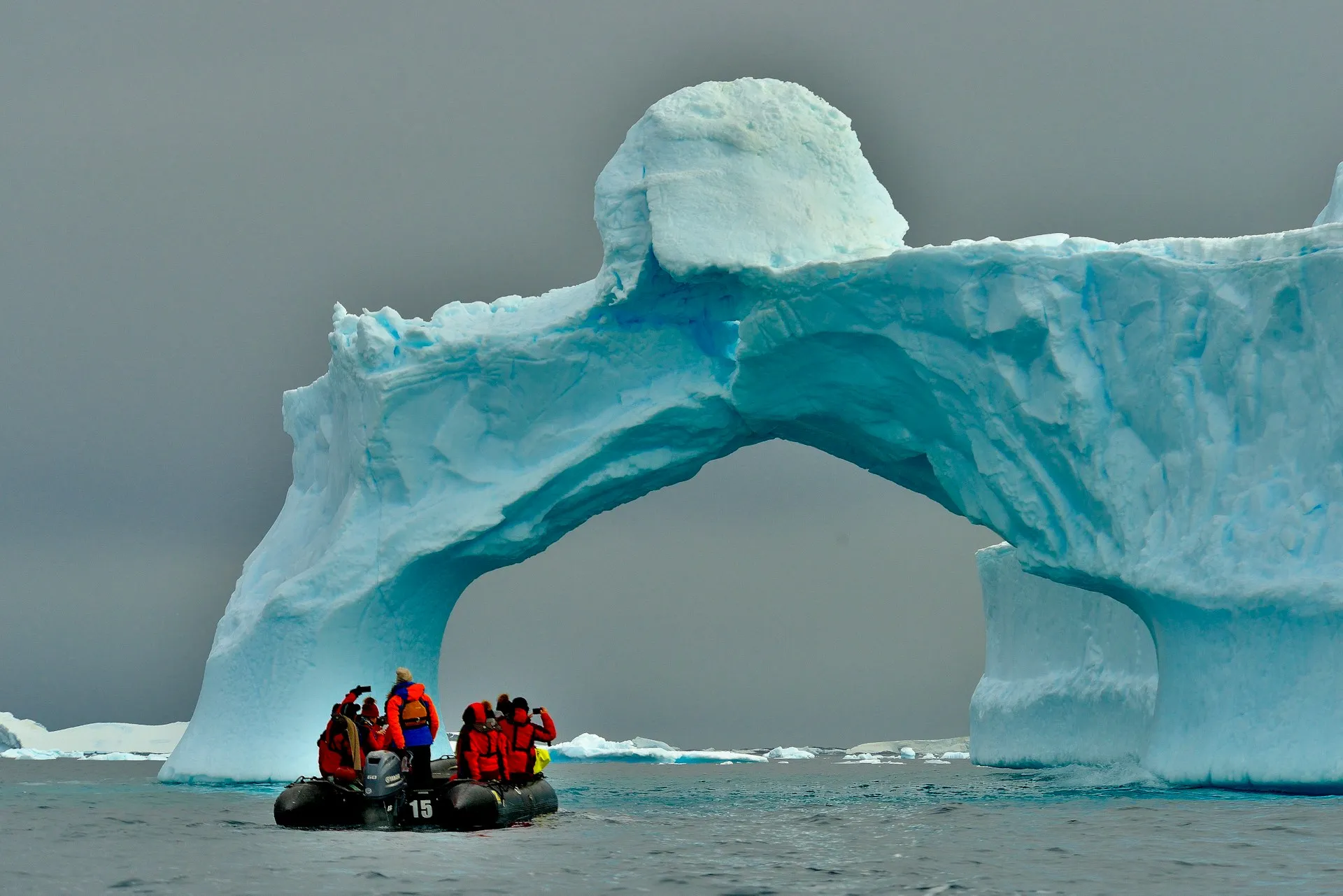
Antarctica, once the exclusive domain of intrepid explorers, scientists, and the most dedicated of adventurers, has undergone a profound transformation. What was once considered the ultimate "bucket-list" destination—a remote, frozen frontier requiring immense planning and rugged endurance—is rapidly becoming an accessible, if still high-end, commercial tourism hub. As luxury travel becomes increasingly experiential and wealthy travelers prioritize rare, exclusive destinations, the demand for Antarctic expeditions has soared. Operators, eager to capitalize on this appetite for polar exploration, have responded by aggressively expanding their fleets. However, as the number of ships navigating the Drake Passage climbs, industry veterans are raising an urgent concern: the human infrastructure, specifically the pool of experienced guides and specialized crew, has failed to keep pace with the influx of steel and passengers.
The scale of this growth is difficult to overstate. In the early 1990s, Antarctica saw roughly 8,000 visitors annually. It was a boutique industry, manageable and largely contained. Today, the landscape is unrecognizable. According to the International Association of Antarctica Tour Operators (IAATO), the 2023–24 season saw an influx of approximately 122,000 tourists. This represents a staggering increase that has fundamentally altered the logistics of polar travel. Even more striking are the industry projections for the coming decade. If the current growth trajectory remains unchecked, some forecasts suggest that visitor numbers could surge to over 450,000 by the 2033–2034 season—a nearly fourfold increase in just ten years.
This rapid acceleration in tourism is not merely a matter of more people booking trips; it is a manifestation of a broader shift in the global luxury travel market. As "over-tourism" affects traditional European capitals and tropical hotspots, travelers are increasingly seeking the silence, majesty, and exclusivity of the White Continent. For the travel industry, Antarctica offers a unique selling proposition: it is one of the few places on Earth that remains largely untouched by human infrastructure, making the experience of visiting it inherently high-value.
To meet this voracious demand, cruise lines have invested billions of dollars in specialized polar-class vessels. The fleet expansion has been both significant and strategic. Lindblad Expeditions, a stalwart in the expedition cruise sector, provides a clear case study of this trend. In 2019, the company operated two polar-class ships; recognizing the shift in consumer sentiment, it commissioned two additional vessels, both of which have since entered service to accommodate the growing number of berths requested by travelers. Similarly, Viking, a major player in the premium expedition space, has integrated polar exploration into its core growth strategy. According to company filings, Viking currently operates two expedition ships designed specifically for polar conditions, with an additional two currently on order to bolster its capacity in the region.
However, the rapid deployment of these sophisticated ships has created a structural imbalance. While modern naval engineering can produce a polar-capable ship in a matter of years, the training of an expedition guide—a role that requires a delicate balance of marine safety knowledge, environmental stewardship, biology, history, and group management—is a process that spans decades. The industry is finding that while it is relatively easy to launch a ship, it is increasingly difficult to staff it with the level of expertise that high-paying guests expect and that the fragile Antarctic environment demands.
The roots of this disconnect are multifaceted, but the Covid-19 pandemic serves as a critical inflection point. Many of the ships currently hitting the water were ordered prior to the global shutdown in 2020. At that time, the industry was on a clear upward trajectory, and the pipeline for new vessels was already set in motion. When the pandemic halted international travel, many experienced expedition guides—often seasonal contractors—found themselves without work for extended periods. Faced with the instability of the travel sector, many of these professionals transitioned to other industries or sought more permanent, land-based employment.
When the world finally reopened, the tourism sector faced a "re-boarding" crisis. Ships that had been sitting in dry dock or at anchor were suddenly tasked with resuming full operations, but the workforce that had previously serviced them had been depleted. As Jonathan Zaccaria, a veteran industry consultant, notes, the surge in fleet capacity was largely pre-planned, but the return of the experienced labor force has been anything but seamless. The industry is now attempting to scale up its workforce in a compressed timeframe to meet the demands of a fleet that is significantly larger than it was before the pandemic.
This labor shortage is particularly acute because of the specialized nature of the work. Antarctica is not a typical cruise destination; it is a high-stakes environment where safety protocols are paramount and the margin for error is razor-thin. Guides are not merely tour leaders; they are responsible for conducting safe Zodiac landings on remote shores, managing guest interactions with wildlife, and ensuring that every passenger adheres to the strict environmental regulations that protect the continent. The loss of veteran guides during the pandemic means that many ships are currently relying on a higher proportion of junior or less-experienced staff. While these individuals may be enthusiastic and well-trained in basic hospitality, they lack the "institutional memory" of navigating the unpredictable weather patterns, shifting ice, and nuanced environmental challenges that are second nature to a seasoned polar guide.
Furthermore, the pressure to maintain the quality of the guest experience—often marketed as an intimate, educational journey—becomes harder to sustain as the number of ships increases. With more vessels operating in the same designated landing zones, the logistical coordination required to avoid overcrowding is immense. This requires a level of communication and cooperation among operators that is unprecedented. When the guides tasked with this coordination are inexperienced, the potential for logistical friction increases, which can negatively impact the quality of the trip for the passengers and put additional pressure on the fragile ecosystems being visited.
The industry is now at a crossroads. Operators are facing the challenge of balancing the commercial imperative to fill their newly built, expensive ships with the necessity of maintaining the high standards of safety and environmental stewardship that have defined Antarctic tourism for decades. As the prospect of 450,000 annual visitors looms on the horizon, the pressure on the labor market will only intensify. If the industry is to sustain this level of growth without compromising the very environment that attracts travelers, it must find ways to attract, train, and retain a new generation of polar experts.
The expansion of the Antarctic tourism industry is a testament to the allure of the world’s last great wilderness, but it also serves as a stark reminder of the limits of rapid commercialization. The ships may be ready for the ice, but the real question facing the expedition cruise industry is whether it can foster a workforce capable of upholding the profound responsibilities that come with navigating the Southern Ocean. For now, the race between fleet growth and human capital continues, with the quiet, frozen expanse of Antarctica serving as the ultimate witness to the industry’s success or failure.