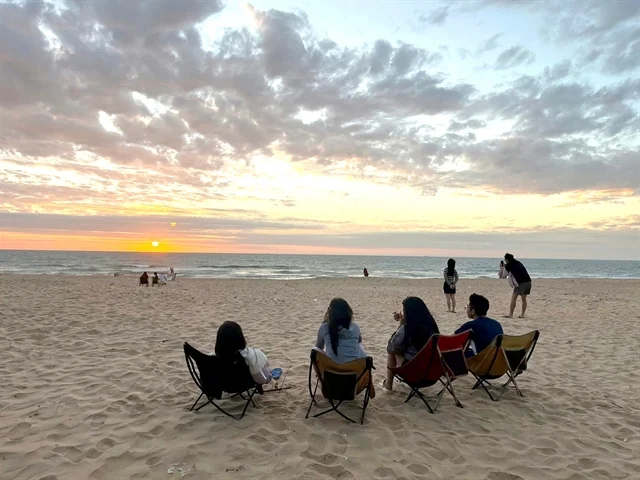
HCM CITY — As travelers increasingly look beyond crowded and heavily commercialized beach destinations, Hồ Cốc Beach in southern Việt Nam is quietly carving out a reputation as one of the region’s most appealing and resilient coastal retreats. Situated in Xuyên Mộc Ward, roughly 125 kilometers from Hồ Cốc’s urban neighbor, HCM City, the destination offers a rare combination of long, pristine stretches of coastline, one of the country’s last remaining lowland coastal forests, and a thriving, deeply rooted seafood culture.
Unlike many other regional resort towns that have experienced rapid, high-density development over the past decade, Hồ Cốc has managed to retain much of its natural character. Visitors arriving at this coastal enclave are generally greeted not by neon-lit nightlife, sprawling shopping malls, or congested boardwalks, but by peaceful beaches, shaded forest trails, and simple meals prepared directly from the morning’s catch. This harmonious blend of untouched nature and quiet local tradition has transformed the area into a preferred sanctuary for domestic and international travelers alike seeking a slower, more contemplative pace of travel.
A Beach That Remains Remarkably Untouched
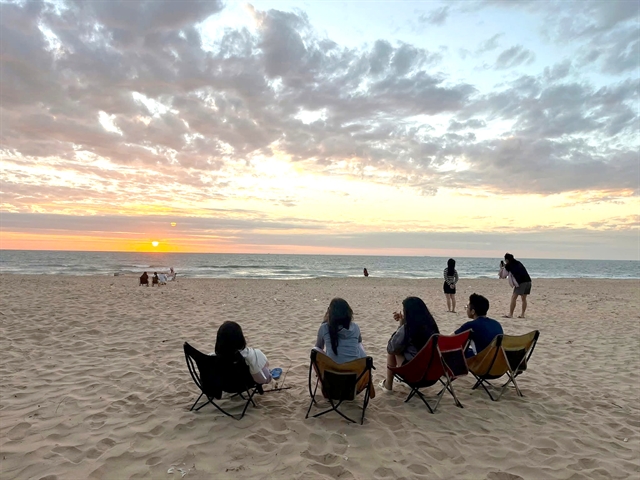
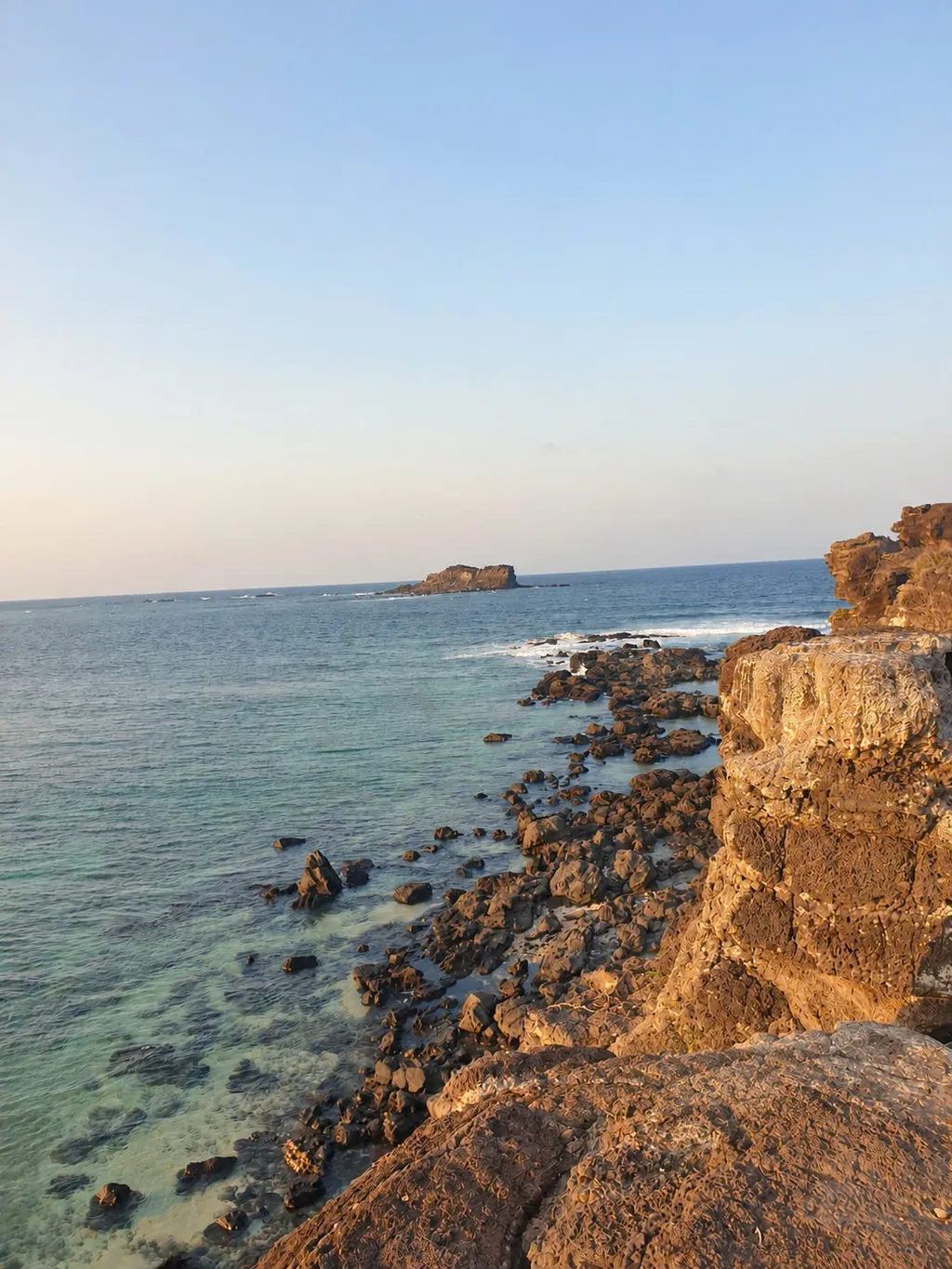
The initial impression upon arriving at Hồ Cốc is one of profound tranquility. A broad ribbon of pale, fine sand stretches for kilometers along the coast, occasionally interrupted by clusters of weathered granite rocks that have been sculpted by decades of wind and waves. During the dry season, the South China Sea is typically calm here, featuring clear turquoise waters that gently reflect the early morning light.
Rather than rows of blaring beach bars, aggressive jet-ski rentals, or commercial water sports operators, visitors are far more likely to encounter local fishermen calmly repairing their nets or families quietly collecting seashells along the shoreline. This relatively undeveloped coastal fringe has become increasingly magnetic for travelers weary of urban noise and seeking an environment where nature still dictates the rhythm of the day.
Sunrise is widely considered the most magical time of day along the shore. As the sun peeks over the horizon, soft golden light transforms the rugged rocky shoreline into a favored backdrop for landscape photographers and early-morning strollers.
"I’ve traveled to many beaches in southern Việt Nam, but Hồ Cốc feels completely different," said Nguyễn Minh Anh, a visitor from Hà Nội who recently spent a three-day holiday exploring the area with friends. "It is peaceful without feeling isolated. You can wake up early, walk for kilometers without crowds, and simply listen to the waves. That is becoming quite rare in modern tourism."
Many visitors choose to spend hours walking barefoot along the coastline before settling beneath the natural shade of casuarina trees or reading quietly beside the sea. Rather than rushing from one scheduled tourist attraction to another, Hồ Cốc naturally encourages visitors to slow down, disconnect from digital stressors, and fully appreciate its untouched surroundings.
Discovering an Ancient Coastal Forest
Just minutes away from the salty breeze of the beach lies another of Hồ Cốc’s greatest natural assets: the Bình Châu–Phước Bửu Nature Reserve. Covering an expansive area of more than 11,000 hectares, the protected reserve safeguards one of Việt Nam’s last remaining native lowland coastal forests.
The ecosystem within the reserve is remarkably biodiverse, home to hundreds of plant species, alongside native birds, reptiles, and mammals that continue to thrive despite the accelerating urban development taking place elsewhere along the southern coast. Several well-maintained trekking routes weave through the dense canopy of ancient trees, offering hikers a cool, shaded environment to explore the local flora and fauna.
Wooden pathways wind through dense bamboo groves, quiet wetlands, and trickling freshwater streams before opening up to elevated viewpoints that overlook the distant coastline. This lush, green environment provides a striking contrast to the sun-bleached beach located just a short drive away.
Morning hikes are particularly popular among visitors, as temperatures remain cool and the air is filled with birdsong echoing through the forest canopy. For many tourists who arrive expecting a conventional beach vacation, the unexpected discovery of the nature reserve significantly enhances their overall travel experience.
"I honestly came here expecting only the beach," admitted Lê Hoàng Nam, an engineer visiting from HCM City. "I was genuinely surprised to discover such a large, pristine forest right beside the sea. Walking through the trees after spending the morning on the beach makes the holiday much more diverse and fulfilling."
Local tour guides report that an increasing number of travelers, particularly younger demographics, are actively choosing outdoor recreational activities over traditional resort-based holidays. Small groups frequently explore the reserve on foot or by bicycle, while nature enthusiasts and photographers often spend hours tracking butterflies, wild orchids, and native bird species.
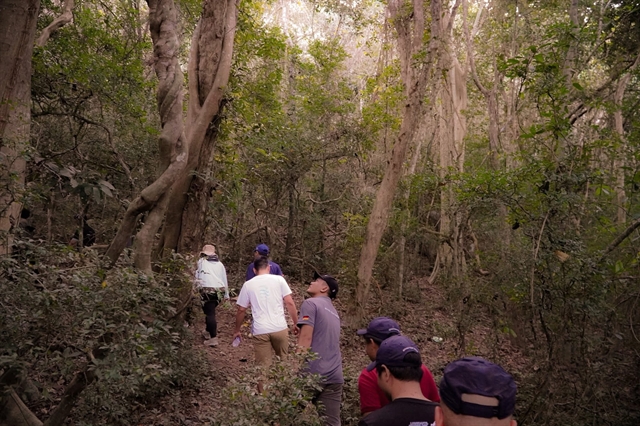
To protect these delicate ecosystems, conservation authorities continue to promote responsible tourism practices. Visitors are routinely asked to remain on designated trails, avoid disturbing native wildlife, and strictly minimize plastic waste during their explorations.
Fresh Seafood Defines the Local Experience
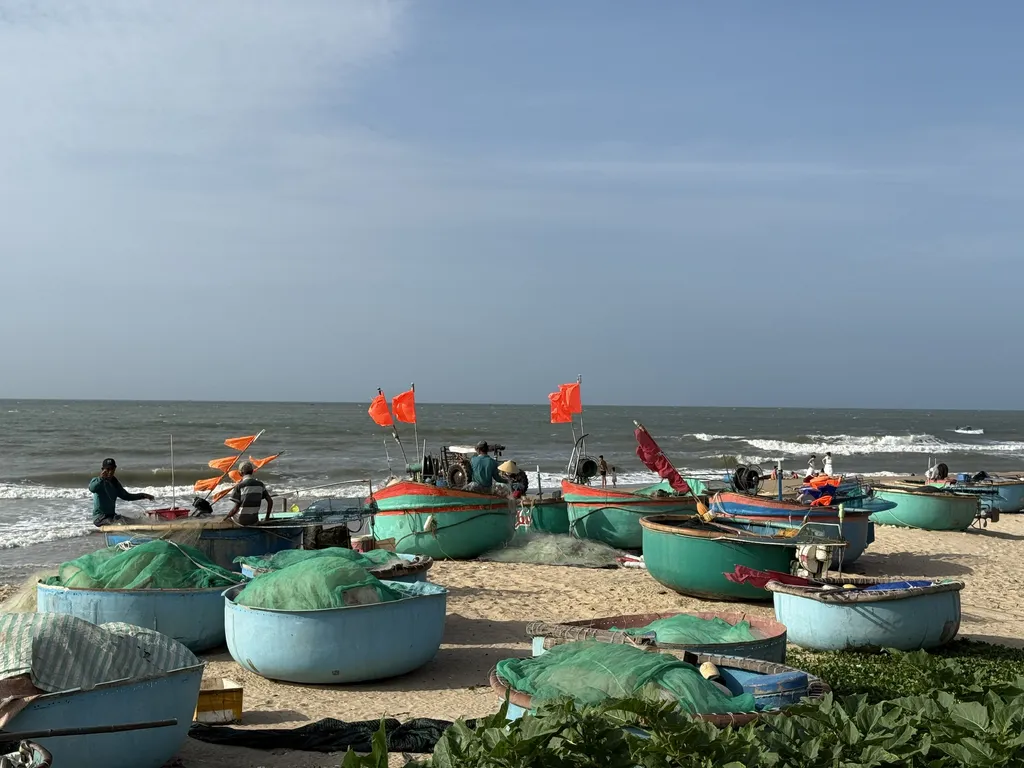
No visit to Hồ Cốc can be considered complete without sampling the region’s renowned seafood. Because commercial and artisanal fishing remains a vital economic livelihood for many members of the local coastal community, area restaurants are able to source seafood that has been caught mere hours before preparation.
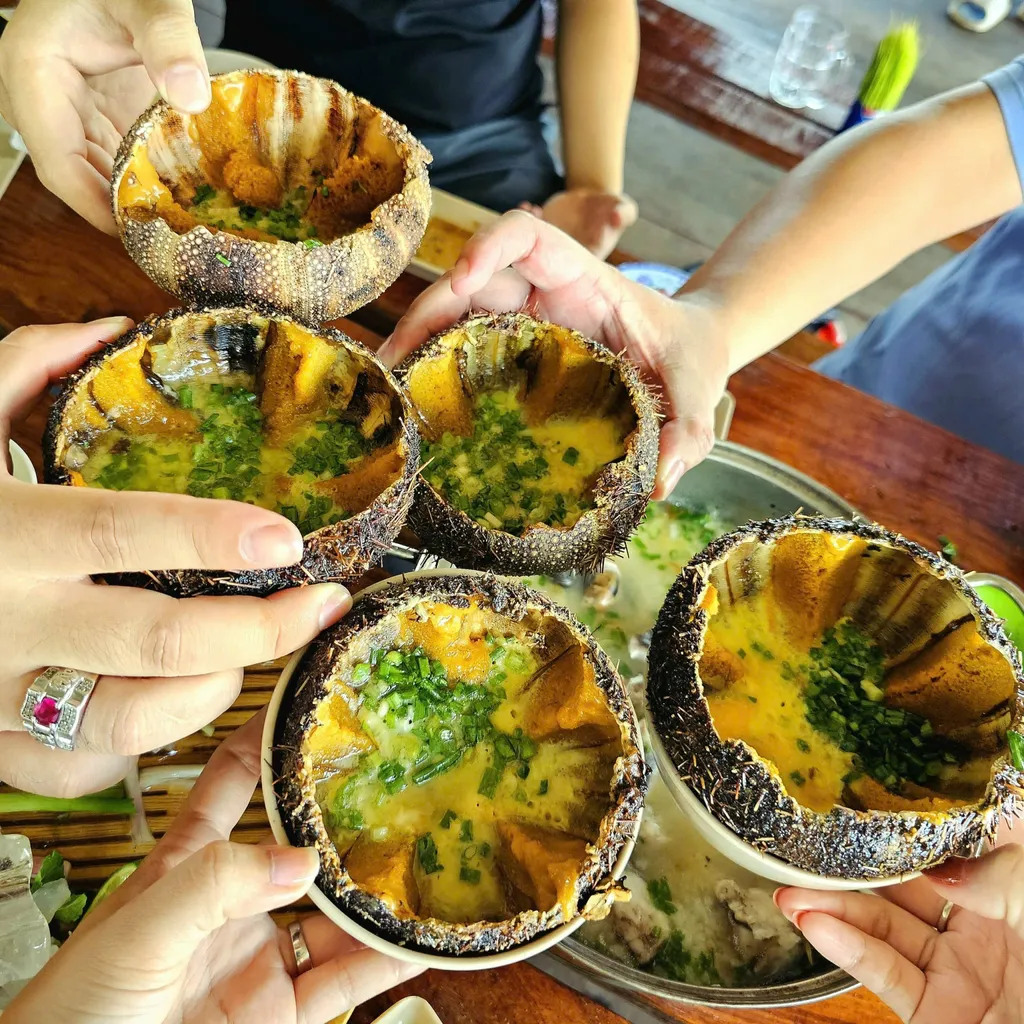
Diners can select their meals directly from glass tanks filled with live swimming crabs, lobsters, squids, clams, and a wide variety of local fish, which are then prepared according to time-tested regional recipes. Culinary traditions here heavily favor simplicity, allowing the natural flavors of the ocean to take center stage.
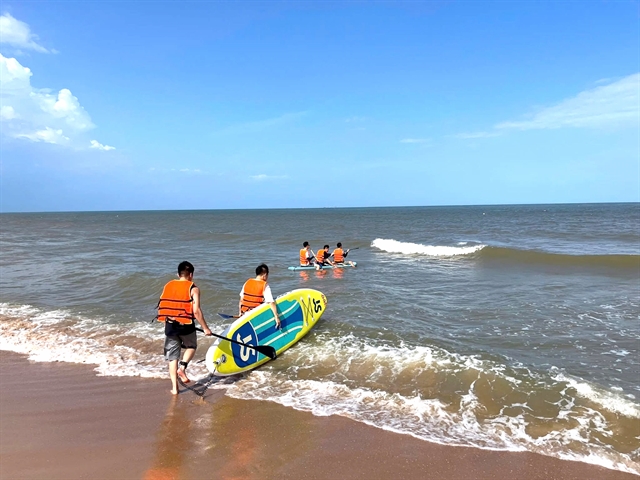
Steamed crab highlights the natural sweetness of the meat, grilled squid is seasoned lightly with coarse salt and chili, and fresh oysters are served either raw with a squeeze of lime or baked with fragrant spring onions and crushed peanuts. Many of these dining establishments are situated right along the waterfront, allowing patrons to enjoy sweeping sunset views while watching local fishing boats safely return to shore.
For travelers accustomed to the dining scenes of major metropolitan areas, the exceptional freshness of the food often becomes the defining highlight of the trip.
"The seafood tastes completely different because it is remarkably fresh," noted Trần Thu Hà, a tourist from Đà Nẵng traveling with her family. "My children were fascinated watching fishermen unload their daily catch right before we chose what to eat. It became an interactive part of the whole travel experience rather than simply having dinner at a restaurant."
Beyond the beachfront eateries, local seafood markets offer another authentic glimpse into the rhythm of daily life in the ward. In the early morning hours, local traders gather along the water’s edge to purchase fish, prawns, and shellfish directly from returning vessels, generating a vibrant, energetic atmosphere filled with the sounds of friendly bargaining and the salty scent of the sea.
Tourism Growing with Sustainability in Mind
Although Hồ Cốc has experienced a noticeable uptick in visitor numbers over recent years, development has remained measured and deliberate when compared to neighboring coastal hotspots. Boutique resorts, low-impact eco-lodges, and family-run homestays have gradually integrated alongside long-established accommodations, offering visitors a healthy range of options without drastically altering the natural topography or visual landscape.
Local administrative authorities have actively championed environmentally responsible tourism initiatives, encouraging business owners to phase out single-use plastics, upgrade local waste management systems, and prioritize the preservation of the surrounding natural ecosystems.
For a growing segment of travelers, this careful equilibrium between economic development and rigorous environmental conservation represents Hồ Cốc’s most compelling attribute. Rather than attempting to compete with larger, heavily commercialized beach destinations through high-octane entertainment complexes or massive concrete infrastructure, Hồ Cốc continues to draw those who value authenticity, quietude, and unspoilt nature.
As southern Việt Nam’s broader tourism industry continues to evolve and modernize, destinations that successfully protect their fragile environmental assets are likely to hold enduring value. With its quiet shoreline, ancient forest canopy, and deep-seated fishing traditions, Hồ Cốc stands as a reminder that some of the most memorable travel experiences are born not from artificial attractions or bustling crowds, but from landscapes that have been preserved in their natural state. For those willing to slow their pace, the rewards are simple yet profound: a quiet sunrise over an empty beach, birds calling from beneath a dense forest canopy, and a seafood dinner prepared straight from the day’s catch.