One of the most surprising realities of a Singapore Airlines ultra-long-haul flight is hidden entirely from the view of the passengers walking down the aisle. While travelers enjoy meals, dim the window shades, and settle into their seats for a multi-day journey across the globe, an entire second shift of flight crew is sleeping soundly directly above their heads. The cabin carries on as if nothing unusual is happening, trays are cleared, and somewhere behind a locked door and a curtain, a team of professionals responsible for the safety of the aircraft is deliberately resting. Singapore Airlines leaves nothing to chance regarding crew fatigue, guaranteeing its pilots at least three hours of continuous, fully horizontal sleep on its longest-haul routes.
That strict guarantee naturally prompts a question that many nervous flyers eventually ponder: who is actually flying the plane while the primary crew is asleep? The comprehensive answer involves a carefully orchestrated team of four pilots, a large complement of cabin crew, hidden staircases, and a rigorous aviation rulebook that treats human rest with the same critical importance as jet fuel. Managing these marathon routes requires specialized aircraft configurations, precise scheduling, and stringent post-flight recovery protocols to ensure that neither fatigue nor time-zone disorientation compromises flight safety.
Why Does One Flight Need Four Pilots and 13 Cabin Crew?
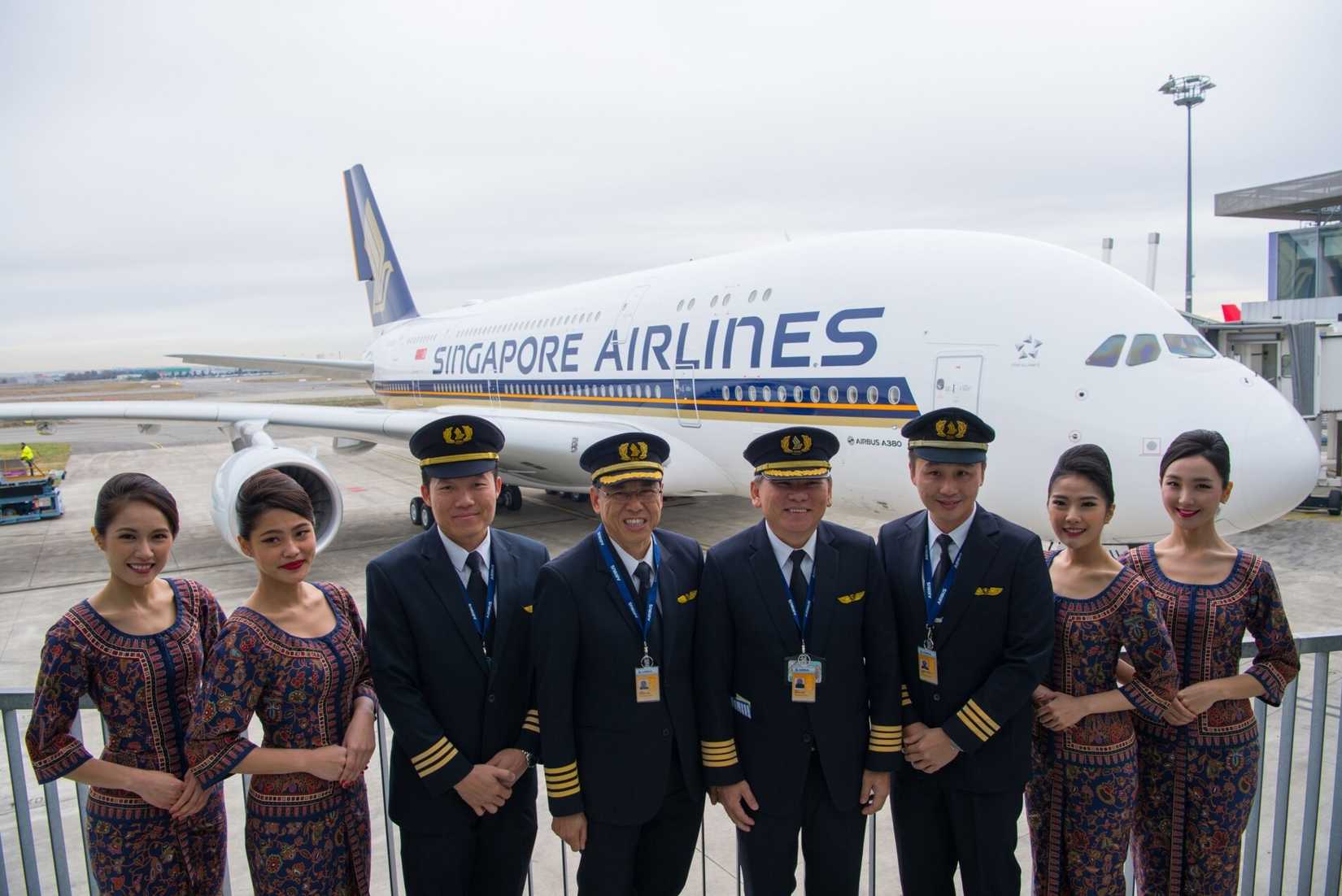
The fundamental requirement for such extensive staffing comes down to basic aviation arithmetic. While a typical international flight might operate with two pilots and eight or nine flight attendants, Singapore Airlines’ ultra-long-haul services, such as Flight SQ24 from Singapore Changi Airport to John F. Kennedy International Airport in New York, require a significantly expanded roster. These flights carry four pilots—typically two captains and two first officers—along with 13 cabin crew members, including the purser. On certain ultra-long sectors, such as flights to Los Angeles, the total cabin crew headcount can even reach 14 to accommodate the rigorous service and rest rotation requirements.
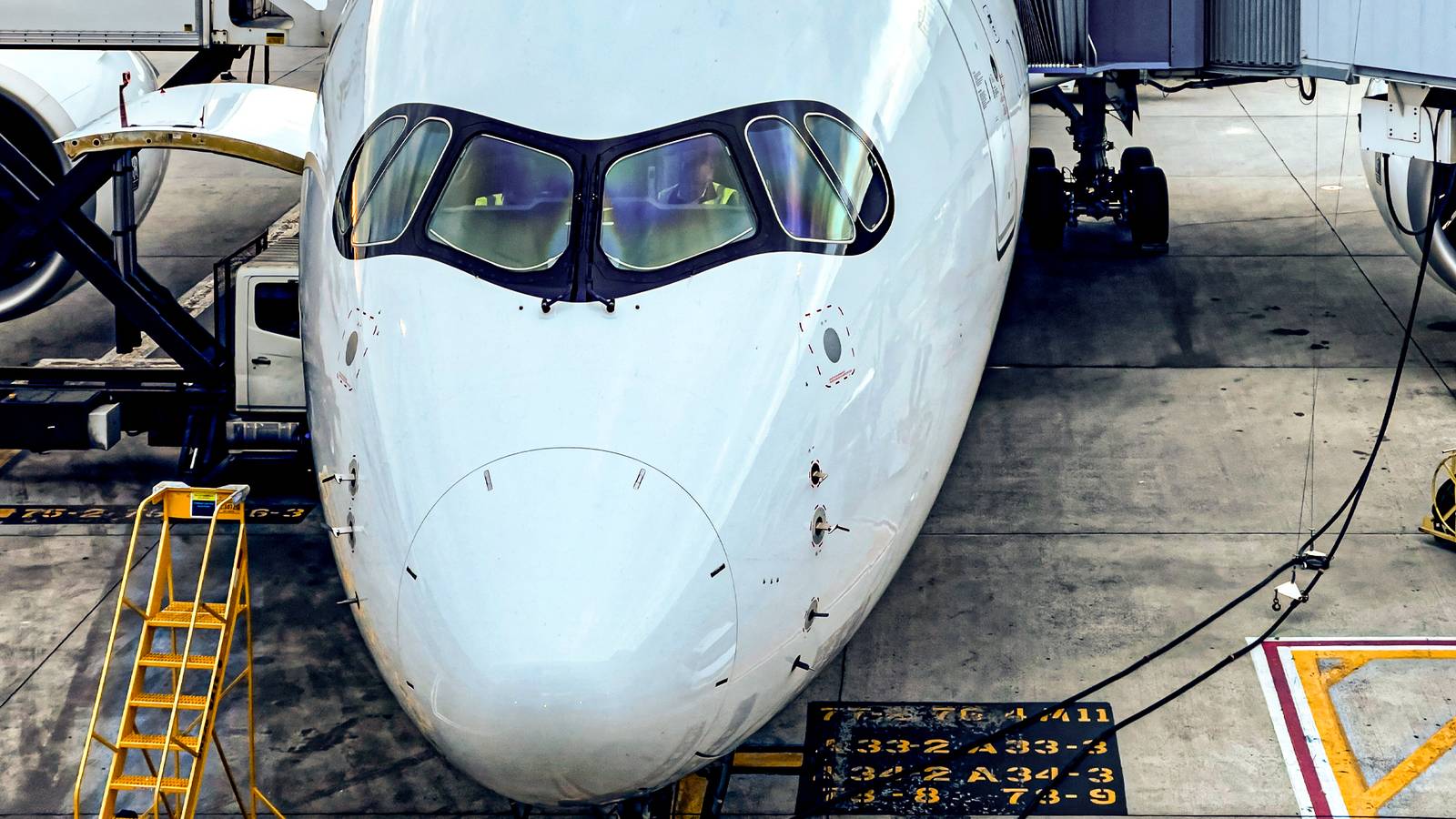
This large headcount is necessary because of the sheer geographical distance and duration of the journey. The New York route covers roughly 9,537 miles, or 15,349 kilometers, and can keep the aircraft airborne for up to 19 hours and 15 minutes. This timeframe far exceeds the maximum duty-time limits permitted for a single set of pilots under standard international safety regulations.
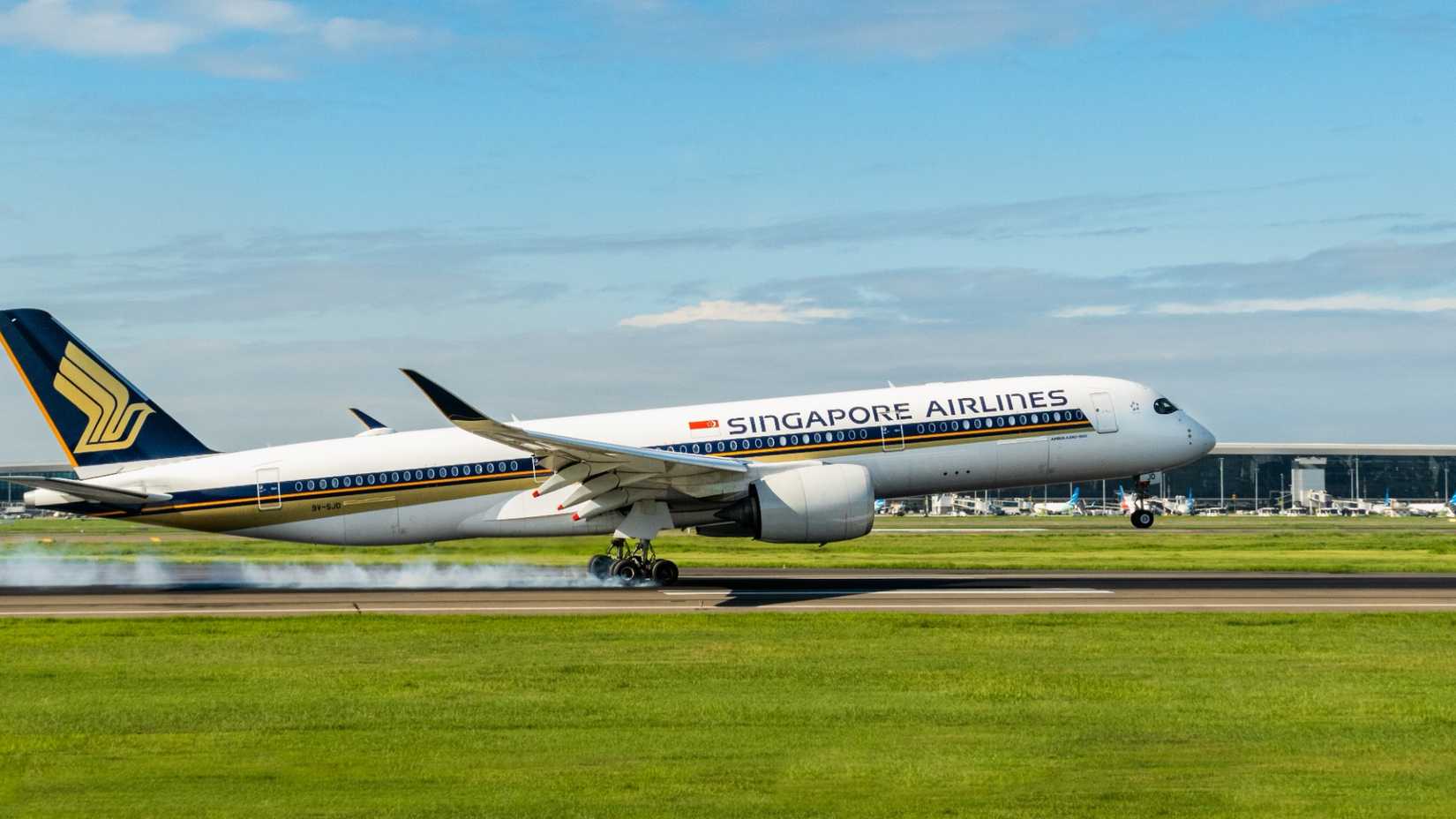
Singapore Airlines has refined this operation over many years. The carrier previously operated flights from Singapore to JFK between 2004 and 2013 using the four-engine Airbus A340-500. That aircraft burned approximately 25% more fuel per seat than modern widebodies, and the route was ultimately paused when global fuel prices surged. The service triumphantly returned in 2018 following the delivery of the specialized Airbus A350-900ULR, a far more fuel-efficient aircraft. This variant carries about 43,600 gallons, or 165,000 liters, of fuel—roughly 6,300 gallons more than a standard Airbus A350-900—making the commercial economics of ultra-long-haul non-stop travel viable.
However, solving the fuel economics was only half the challenge. An aircraft capable of remaining airborne for nearly 20 hours is useless if its human operators suffer from debilitating fatigue. This reality introduces a fascinating logistical puzzle: on a commercial jetliner where every single pound of weight is meticulously calculated, where do an extra set of pilots and flight attendants actually sleep?

Where Do the Off-Duty Crew Actually Sleep?
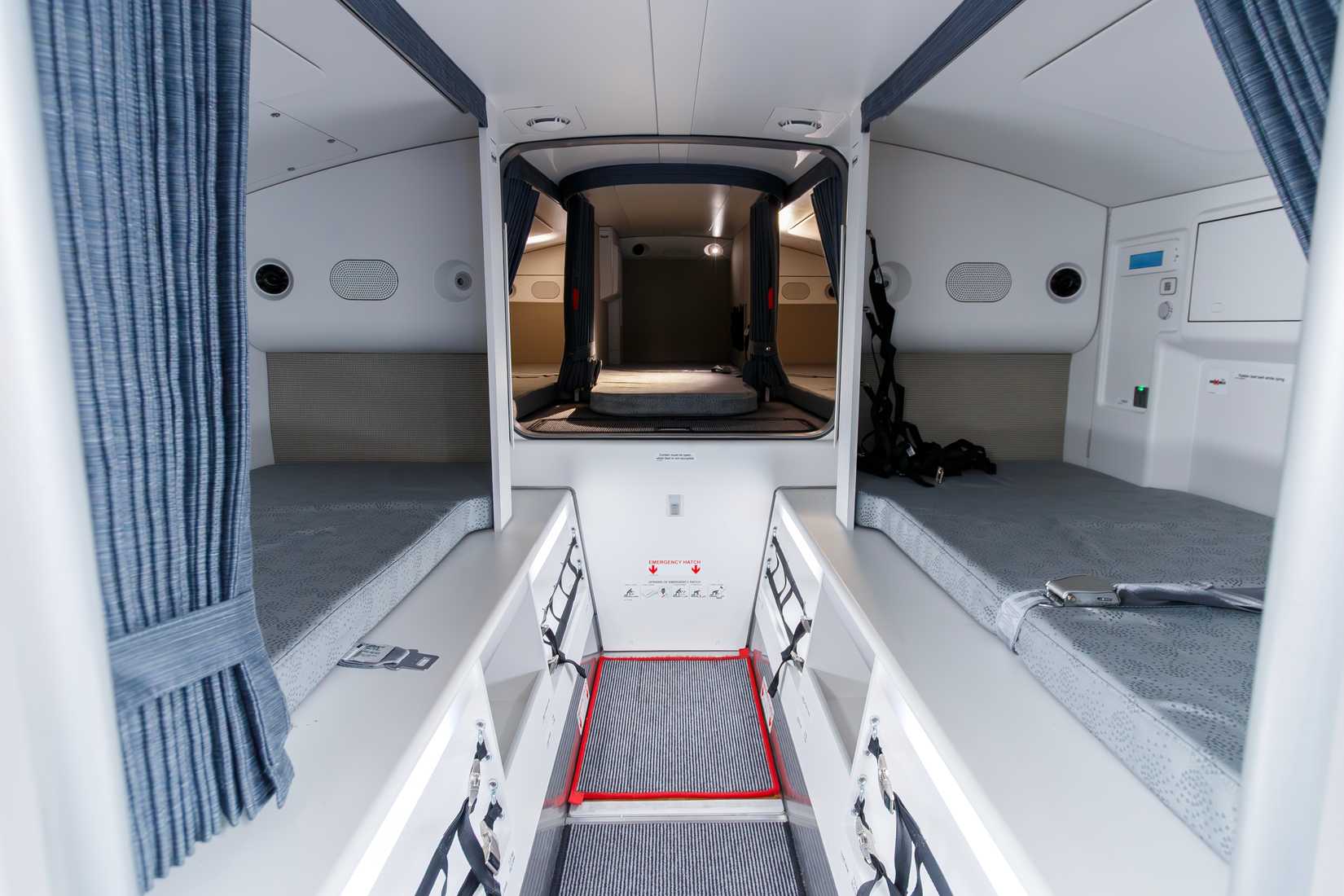
The off-duty crew members rest completely out of sight, and certainly not in standard passenger seats. The flight attendant rest area is typically located toward the rear of the aircraft cabin, accessible via a small internal staircase situated near the fourth set of exit doors. Behind privacy curtains lie specialized bunk beds, resembling a compact sleeper cabin on a train much more than any passenger amenity.
Meanwhile, the pilots have access to a separate, dedicated compartment located directly above the forward business class cabin. This private crew rest facility features two comfortable beds and an armchair. Passengers who have ever noticed the aircraft ceiling dipping lower over a specific section of the business class cabin are often walking underneath a hidden crew bedroom.
Space on the Airbus A350-900ULR is an exceptionally precious commodity. To achieve the range required for these epic journeys, the aircraft’s interior layout is restricted to just 161 total seats, split between 67 business class suites and 94 premium economy seats. The airline deliberately omitted standard economy class entirely, as the physical toll of sitting in standard seating for nearly 20 hours is too demanding for passengers, and every available pound of weight must be dedicated to fuel rather than maximum passenger revenue.

Against that commercial backdrop, the inclusion of dedicated crew bunks represents a deliberate and costly exception. Every bunk displaces space that could otherwise generate ticket revenue, yet Singapore Airlines decided that trading potential profit for guaranteed crew rest was a non-negotiable safety priority. Eight bunks for 13 flight attendants and two beds for four pilots mean the math only works through strict scheduling.
How Many Hours of Sleep Does Each Crew Member Get?
Pilots receive at least two distinct rest periods during the course of a flight. One of these breaks typically lasts four hours or longer, with regulatory mandates guaranteeing that at least three of those hours must be spent lying fully flat. Cabin crew members generally receive roughly four to five hours of total rest time, carefully scaled according to their total duty hours. On a flight lasting more than 19 hours, a four-hour block represents roughly one-fifth of the entire journey, making every minute of scheduled rest vital.
These allocated rest periods are not left to chance or handled as informal courtesies; they are meticulously written into the flight roster before the aircraft ever pushes back from the departure gate. The requirement for horizontal rest is grounded in extensive scientific research. Studies conducted by NASA on long-haul flight operations have consistently demonstrated that onboard bunk rest significantly improves crew alertness, cognitive function, and overall job performance, validating the use of dedicated sleeping facilities to manage circadian fatigue.
These specialized routes routinely push total duty days to 22 hours or more when pre-flight briefings, transit, and post-flight duties are factored in. In this demanding environment, the lie-flat bunk functions effectively as a critical piece of safety equipment. Yet, because the crew cannot all vanish into the rest quarters simultaneously, and because certain phases of flight demand full attention from everyone on board, managing the timing of these breaks requires intricate coordination.
Who Serves the Meals While Half the Crew Is Asleep?
Maintaining continuous cabin service while half of the personnel are asleep requires a carefully staggered rotation. Initially, every single crew member works together to handle the bustling meal service immediately following takeoff. Once that initial service concludes, approximately half of the cabin crew retires to the rear bunks to sleep, while the remaining half continues to monitor the cabin, respond to passenger call buttons, and provide refreshments.
After two to three hours, the two groups swap roles, ensuring that a refreshed team is constantly active on the cabin floor. This rotation guarantees that the cabin never runs short-handed, that safety monitoring remains constant, and that every flight attendant receives an uninterrupted opportunity to sleep before everyone returns to duty for the final meal service and landing preparation.

The flight deck follows a similarly disciplined operational rhythm. One pair of pilots actively flies the aircraft while the other pair rests in the forward compartment, with the pairs swapping responsibilities partway through the cruise phase. Only two pilots occupy the controls at any given time, providing steady operational coverage without overcrowding the flight deck. Passengers experience this complex choreography as a seamless, continuous flow of hospitality.
Is the Airbus A350 Itself Designed to Fight Fatigue?
The physical environment of the aircraft also plays a significant role in mitigating fatigue. According to Airbus, the advanced carbon-fiber composite airframe of the A350 allows for higher cabin humidity levels and a lower effective cabin altitude—maintaining pressure equivalent to about 5,900 feet rather than the standard 8,000 feet found in older aircraft. This environmental design significantly eases the physiological dryness and strain associated with very long flights.
Furthermore, Singapore Airlines equips these aircraft with advanced LED cabin lighting systems capable of displaying millions of color combinations. This technology simulates natural sunrises and sunsets, providing a subtle biological cue to help both passengers and crew gradually adjust their internal body clocks during multi-time-zone transits. On a flight where travelers and crew might experience multiple artificial dawns and dusks, controlling the light environment is one of the most effective tools available for regulating circadian rhythms.
Pilots frequently praise the A350 for leaving them feeling noticeably more alert at the end of a long-haul duty period, a benefit directly attributed to the composite fuselage and improved cabin altitude. This enhanced physiological recovery is especially valuable on ultra-long missions where alertness during final approach and landing is paramount.
What Happens After Landing, and Will Others Copy This Model?
Protecting the well-being of aviation professionals does not stop when the landing gear touches the runway. Singapore Airlines enforces strict post-flight recovery rules that safeguard crew health just as carefully as in-flight rest policies. Pilots are required to have a minimum of 48 hours completely off duty before a departure and are granted an extended three-day layover rest period upon arriving in New York.
Crossing upwards of 12 time zones in a single duty period severely disrupts the human circadian system. Consequently, these extended layovers provide flight crews with adequate time for biological recovery rather than forcing them into a rapid turnaround. Cabin crew members follow a comparable recovery cycle, designed to give the body genuine rest before operating a return flight.
As aviation technology advances and manufacturers push the boundaries of aircraft range—with routes like Sydney to London poised to test the limits of modern commercial aviation—other airlines are closely examining these operational frameworks. Any carrier attempting ultra-long-haul non-stop routes must ultimately resolve the same fundamental questions that Singapore Airlines addressed years ago: determining optimal staffing levels, providing adequate lie-flat rest facilities, and enforcing strict rest mandates. With its meticulously planned A350-900ULR operations, Singapore Airlines has effectively established the industry benchmark for how to safely conquer the world’s longest flights.