Southeast Asia has long held a reputation as a premier haven for backpackers, particularly for women traveling independently. Low crime rates, warm local hospitality, and a well-established network of fellow travelers make navigating the region straightforward for those striking out on their own. However, venturing beyond the well-trodden paths of countries like Thailand and Vietnam to explore Malaysian Borneo can introduce a distinct set of cultural dynamics. Because locals in this region are less accustomed to seeing solo female travelers, unprepared visitors can occasionally find themselves facing uncomfortable or unfamiliar social situations.
For many prospective travelers, this initial apprehension acts as a deterrent, keeping them from experiencing one of the world’s most ecologically rich islands. Yet, travel industry observers and experienced adventurers note that with basic situational awareness and practical safety measures, exploring Malaysian Borneo safely is entirely achievable. By understanding local customs and adjusting travel habits accordingly, independent women can unlock access to pristine rainforests, rare wildlife, and deeply rooted indigenous cultures without compromising their security.
Malaysian Borneo: A Guide for Women Travelers
Why Visit Borneo?
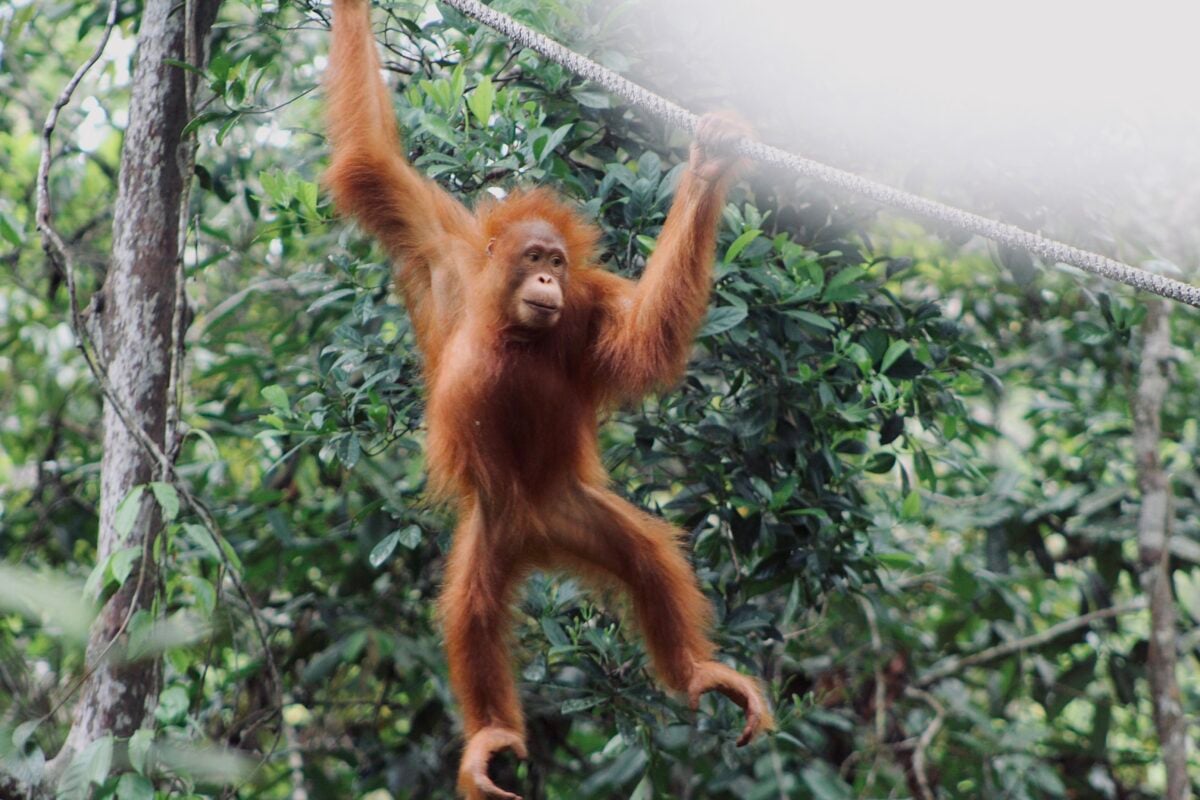
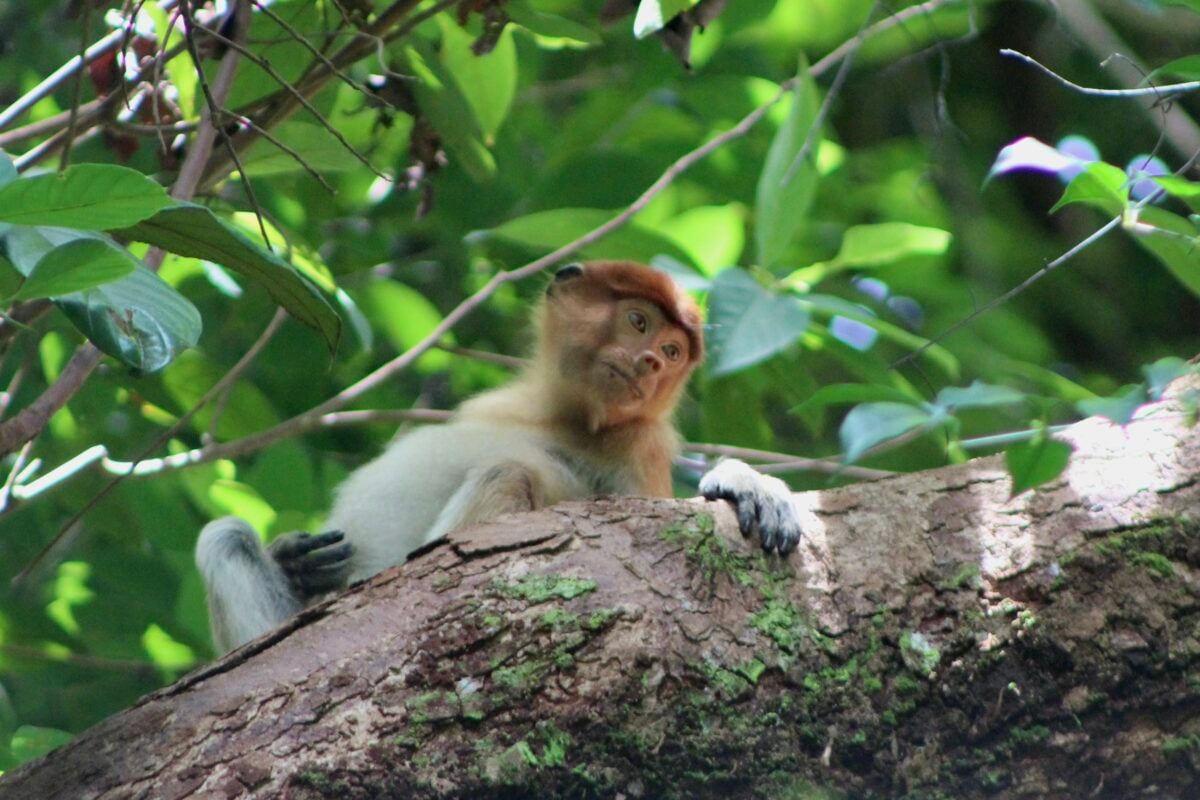
As the third-largest island on the planet, Borneo accounts for roughly six percent of the Earth’s total biodiversity despite covering only one percent of its global landmass. This extraordinary concentration of life makes the island a premier destination for conservationists, researchers, and nature enthusiasts alike. Visitors here have the rare opportunity to encounter endemic species that cannot be found anywhere else in the world, including clouded leopards, proboscis monkeys, and the island’s famous population of wild orangutans.
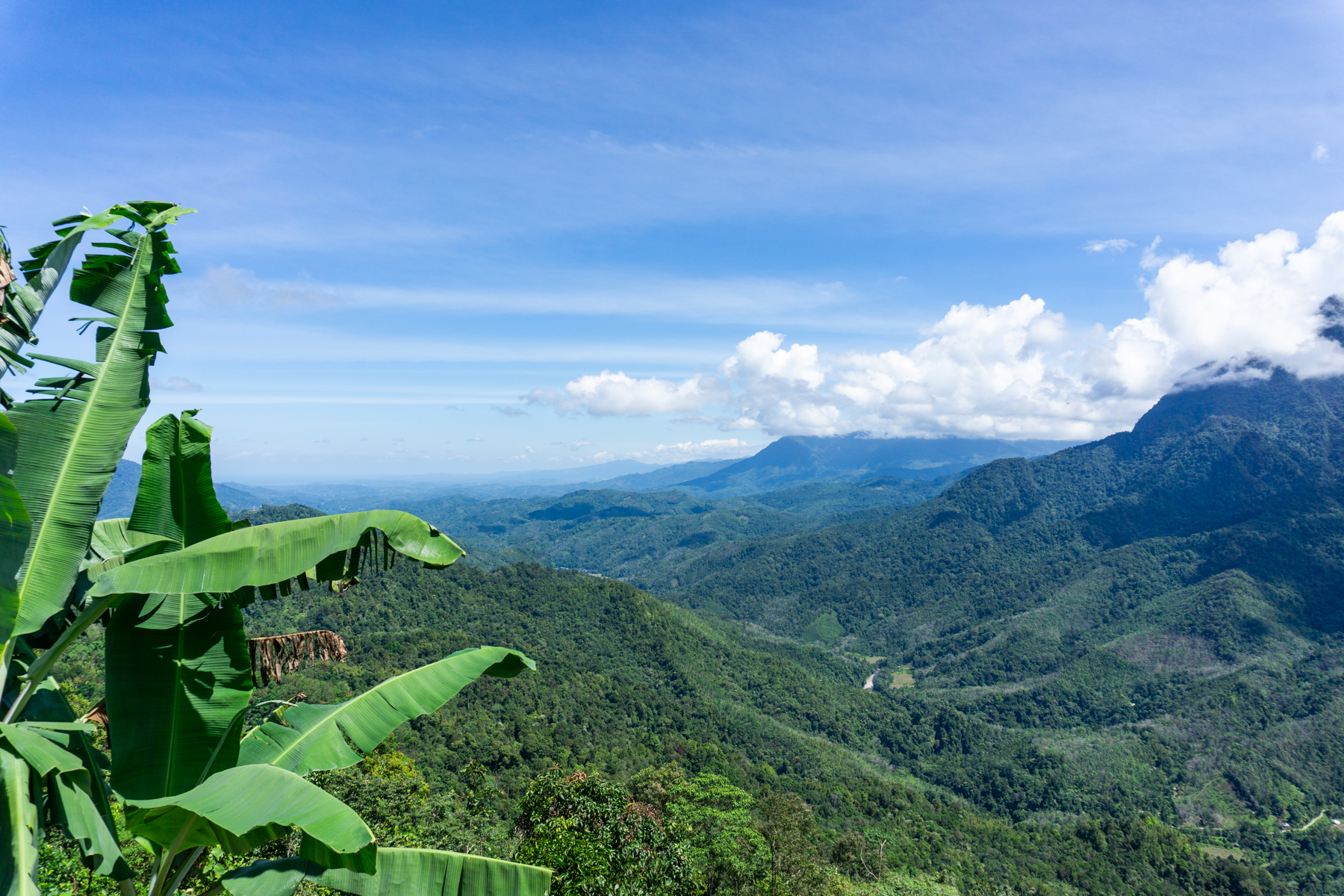
Beyond its natural splendor, Malaysian Borneo offers a rich tapestry of history and culture. Traditional cultural villages and historic longhouses provide an authentic window into indigenous Bornean lifestyles, offering insights from communities that have inhabited the island for generations. This unique intersection of conservation and cultural heritage allows visitors to engage in responsible tourism within one of the most ecologically significant regions on Earth.
The island itself is politically divided among three nations. Malaysian Borneo, often referred to as East Malaysia, occupies the northern third of the territory and is split into two distinct states: Sarawak to the west and Sabah to the east. Each state maintains its own distinct cultural identity and regional traditions. Sandwiched between these two Malaysian territories lies the sovereign nation of Brunei, while the remaining southern two-thirds of the island comprise the Indonesian territory of Kalimantan.
What to Expect As a Solo Female Backpacker in Malaysian Borneo
Travelers accustomed to the established tourist tracks of mainland Southeast Asia—such as Thailand, Cambodia, or Vietnam—may experience a notable culture shock upon arriving in East Malaysia. In many parts of the mainland tourist trail, local residents are thoroughly accustomed to foreign travelers and tend to maintain a respectful distance. In contrast, travelers to Malaysian Borneo, particularly those visiting urban centers, report drawing a significant amount of attention simply by walking alone as foreign women.
Unsolicited approaches, catcalling, and lingering attention can become a regular occurrence in cities, creating an atmosphere that can feel unsettling for those unaccustomed to such dynamics. Navigating these interactions requires a shift in mindset and a proactive approach to personal boundaries.
At the same time, veteran travelers emphasize that much of this attention stems from curiosity rather than malice. Lisa Barham, a writer and contributor to South East Asia Backpacker, recounted her own journey across the island as an independent female traveler.
"I traveled to Borneo as a solo female traveler and had an amazing experience," Barham noted. "I used public transport and walked around Kota Kinabalu with other female backpackers and never felt unsafe. However, I always take basic safety precautions wherever I travel and avoid going out alone at night and only use Grab taxis. I would advise other women travellers to be cautious, as you would in major cities all over the world, but don’t be paranoid. I found that anyone who approached me was simply curious, not dangerous. I wouldn’t hesitate to recommend the incredible island of Borneo to other solo female travelers."
Tips for Staying Safe in Malaysian Borneo
For travelers determined to experience the island safely, experienced visitors and regional experts recommend several key precautions to minimize unwanted attention and navigate potential risks.
Urban centers such as Kuching and Kota Kinabalu are often where independent travelers report the highest frequency of uncomfortable interactions. By contrast, rural towns and national parks present an entirely different environment, where visitors can generally explore without facing constant street harassment. Because Borneo’s primary attractions—its national parks and wildlife reserves—lie far outside the major cities, seasoned travelers often advise bypassing urban sightseeing in favor of direct transit into the island’s natural sanctuaries.
Social inquiries regarding relationship status are common in Malaysia, with local residents frequently asking travelers if they have a husband or boyfriend, or whether they are journeying alone. Experienced solo travelers suggest adopting defensive communication strategies by asserting that a partner is nearby or that a companion is waiting. This simple conversational boundary is often sufficient to deter further questioning.
When navigating public spaces, finding community can provide an added layer of security. Because Malaysian Borneo sees fewer backpackers than mainland Southeast Asia, spontaneous peer groups can be harder to form. Travelers often find reassurance by seeking out other women or families with children in public settings, as these groups are generally approachable and offer a supportive presence during moments of uncertainty.
Timing is another crucial consideration. Like much of the region, Borneo experiences early sunsets, and city streets can empty out quickly after dark. Limiting evening outings, particularly in urban areas, and arranging for evening meals before nightfall or utilizing food delivery services helps maintain a secure routine.
Transportation choices also play a vital role in personal security. Rather than hailing random street taxis or accepting rides from unverified drivers, travelers rely heavily on ridesharing platforms like Grab, which provide digital tracking and accountability. Furthermore, independent travelers who have rented their own cars or motorbikes report feeling significantly more secure, noting that operating their own vehicle effectively eliminates street-level harassment and provides immediate mobility.

Cultural modesty remains an important consideration throughout Malaysia. Dressing in a manner that respects local conservative norms—keeping shoulders, knees, and chest covered in loose-fitting garments—helps travelers blend in more seamlessly, reducing unwanted attention while demonstrating cultural awareness. Finally, standard global travel precautions, such as safeguarding personal belongings, sharing itineraries with trusted contacts back home, and trusting one’s instincts, remain essential components of a secure journey.
Safest Places in Malaysian Borneo for Solo Female Travelers
While urban areas require heightened vigilance, Malaysian Borneo features numerous destinations renowned for their welcoming atmosphere, safety, and breathtaking natural wonders.
Bako National Park, situated roughly thirty minutes outside Kuching in Sarawak, offers an ideal escape into coastal rainforests and dramatic rock formations. Known for its resident populations of proboscis monkeys and bearded pigs, the park provides rustic accommodations directly within its boundaries, allowing visitors to immerse themselves in nature while avoiding the complications of staying in the nearby city.
Further inland in Sarawak lies Gunung Mulu National Park, a UNESCO World Heritage site celebrated for its massive cave systems and dense jungle networks. Operating largely away from the distractions of urban connectivity, Mulu offers an exceptionally secure environment for travelers. Staying at the park’s headquarters provides access to structured trail networks, guided excursions, and communal dining areas that foster a secure, communal atmosphere for independent visitors.
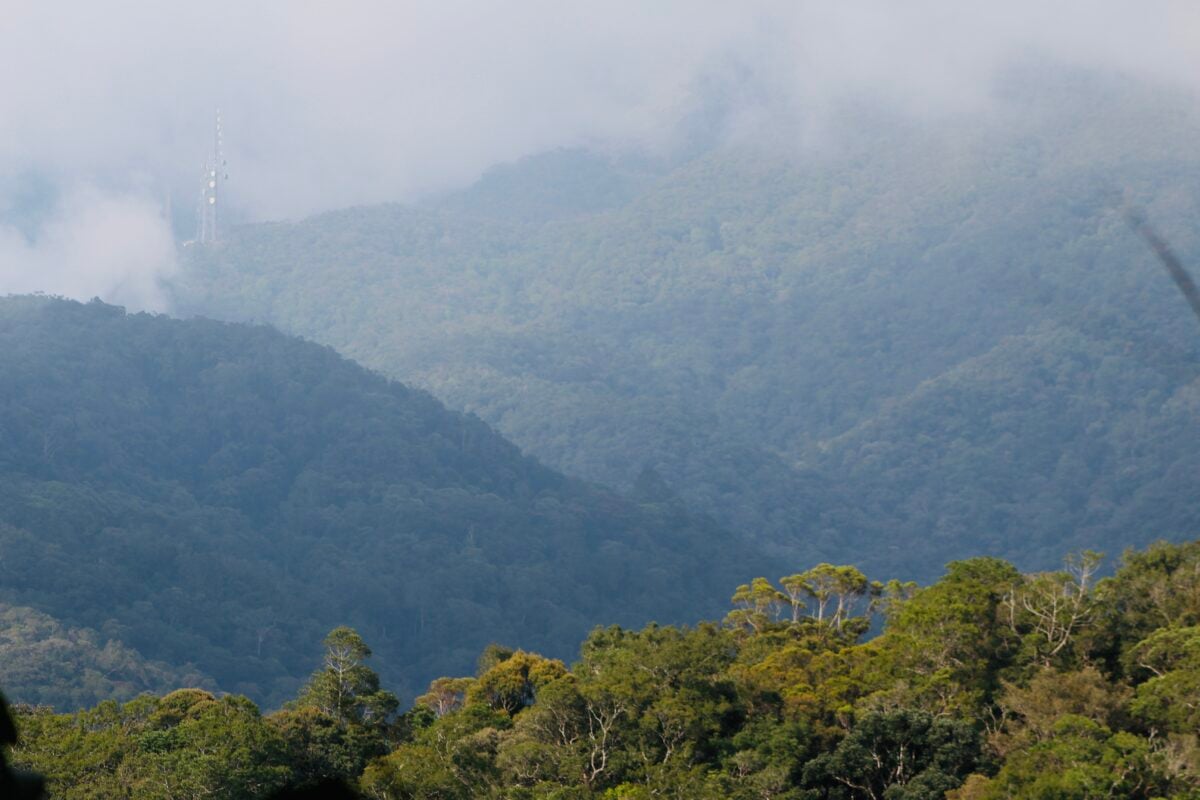
In the state of Sabah, the mountain town of Ranau serves as the gateway to Kinabalu National Park and the towering slopes of Mount Kinabalu. Surrounded by crisp mountain air and dramatic highland scenery, Ranau has earned a reputation among travelers as one of the most tranquil and secure regions on the island. While its mountainous terrain requires careful transport planning—often necessitating rented transport rather than ridesharing apps—the town offers a peaceful retreat into local mountain life.
Ultimately, independent travelers who approach Malaysian Borneo with cultural awareness, flexible planning, and a focus on its natural wonders will find an island of extraordinary beauty, rich biodiversity, and memorable encounters.