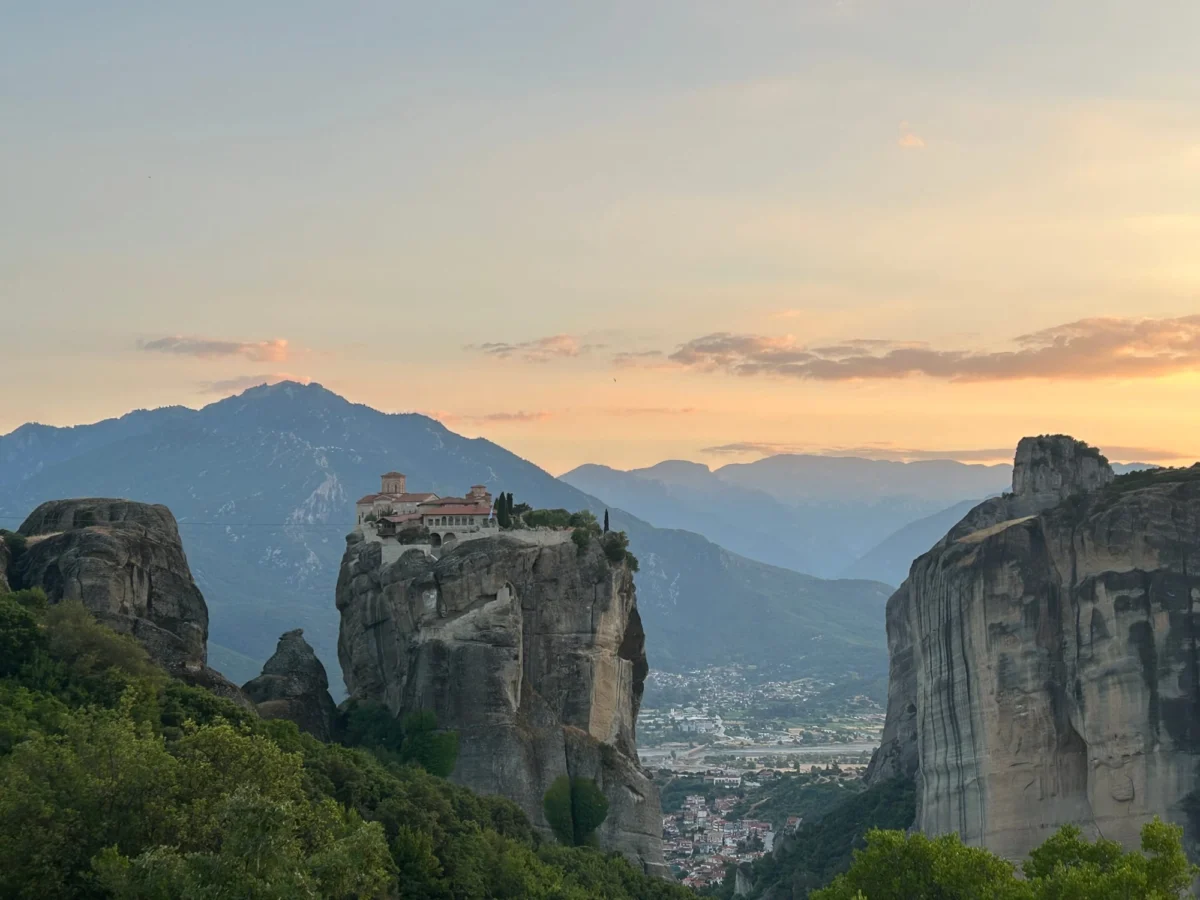
In Meteora, Greece, towering stone pillars cradle centuries-old monasteries, but the real story lies in the hills, caves, and quiet villages beyond the skyline.
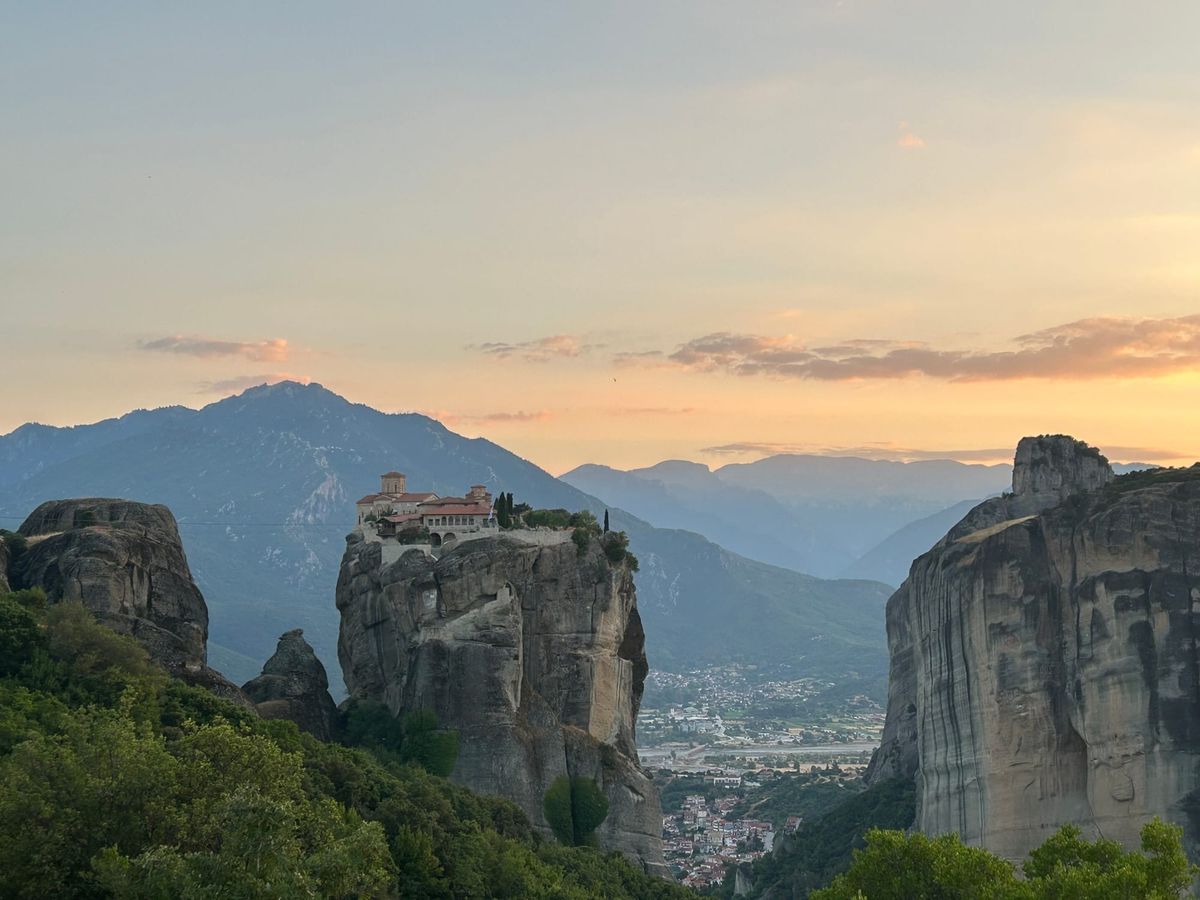
For generations, the soaring sandstone monoliths of central Greece have captured the global imagination. Rising dramatically from the edge of the Thessalian plain, these colossal rock pillars serve as the foundation for some of the world’s most remarkable spiritual sanctuaries. The Meteora monasteries, perched precariously on sheer cliffs and kissed by passing clouds, are a marvel of medieval engineering and religious devotion. They draw millions of travelers, photographers, and pilgrims each year, eager to witness the architectural triumphs that seem to defy gravity itself. Yet, for all the undeniable grandeur of the cliffside sanctuaries, focusing solely on the skyline overlooks a far richer, more textured landscape that stretches just beyond the tourist pathways.
To understand the true spirit of the region, visitors must venture away from the main viewpoints and descend into the intricate network of hills, ancient caves, and quiet rural villages that define the surrounding countryside. While the monasteries remain the undeniable crown jewels of Meteora, the terrain beyond the towering pillars reveals an alternate narrative—one shaped by prehistoric inhabitants, hardy hermits, traditional agriculture, and communities that have maintained their distinct way of life for centuries.

Long before the first stone of the Eastern Orthodox monasteries was laid by monks seeking isolation in the sky, these very rock formations and their surrounding hillsides were home to human activity. Archaeological discoveries in the region, particularly within the numerous limestone and sandstone caves scattered across the foothills, indicate that humans have inhabited the area for tens of thousands of years. The Theopetra Cave, located just a short distance from the main Meteora cluster, provides a fascinating glimpse into this deep history. Excavations at the site have revealed evidence of human occupation dating back to the Middle Paleolithic period, continuing unbroken through the Neolithic era and into the Bronze Age. Inside these quiet, wind-carved hollows, early populations found shelter from the elements, hunted across the fertile plains of Thessaly, and left behind traces of a prehistoric existence that contrasted sharply with the later spiritual asceticism of the monks.
As the centuries progressed, the rugged topography of Meteora continued to attract those seeking solitude and distance from worldly affairs. Long before the grand monastic complexes were constructed on top of the pillars, Christian hermits and ascetics climbed into the natural fissures, shallow caves, and ledges of the rocks. These early spiritual pioneers lived a life of severe austerity, spending their days in prayer and contemplation within the dizzying heights of the stone forest. The remnants of these early hermitages—such as the Chapel of Doupiani and the ruins of small monastic cells tucked away in rock crevices—are still visible to those willing to explore the forested slopes and lesser-known trails that weave through the pillars. These hidden sites offer a poignant reminder of the solitary struggle that preceded the organized monastic communities.

Stepping away from the main paved roads and tourist hubs opens up a landscape defined by rolling hills, dense oak and chestnut forests, and meandering streams. The natural environment surrounding the pillars is part of a broader ecosystem that supports a wide variety of flora and fauna, making it an exceptional area for outdoor exploration. Hiking trails wind through the valleys, connecting the shadows of the giant rock towers to the quieter ridges behind them. Unlike the bustling staircases leading up to the major monasteries, these peripheral paths offer a profound sense of isolation and tranquility. Walkers traversing the hillsides are often met with sweeping, unobstructed vistas of the pillars framed by untamed wilderness rather than souvenir shops and tour buses.
Tucked into the folds of these surrounding hills are traditional Greek villages where the pace of life remains unhurried and deeply connected to the land. Settlements such as Kastraki, which nestles right against the base of the westernmost pillars, and further afield communities like Kalambaka, serve as the earthly gateways to Meteora. While Kalambaka has grown to accommodate the tourism industry, wandering into its older neighborhoods or venturing into the smaller agricultural hamlets reveals a traditional way of life that has persisted through economic shifts and modern development. Here, local life revolves around small-scale farming, livestock grazing, and seasonal harvests, mirroring rhythms that have sustained the Thessalian countryside for generations.

In these quiet villages, the local cuisine reflects the bounty of the surrounding hills and plains. Tavernas run by families for decades serve hearty, traditional dishes crafted from locally sourced ingredients, including wild greens foraged from the hillsides, local cheeses, and meats from animals grazed on the mountain slopes. Conversations with village residents often yield stories passed down through families—tales of navigating the harsh winters of the Thessalian plain, memories of the turbulent historical events that swept through central Greece, and deep-seated local lore regarding the formation of the monolithic pillars themselves. Geologically, scientists explain the pillars as the result of a unique combination of weathering, earthquakes, and water erosion acting on a delta of stone and mud over millions of years. However, local folklore often carries a more poetic resonance, viewing the towering monoliths as ancient giants or divine sculptures placed deliberately at the edge of the earth.
Ultimately, while the monasteries of Meteora will always command the skyline and capture the awe of travelers, they represent only one chapter in the story of this extraordinary region. To truly appreciate Meteora is to look beyond the stone architecture and embrace the broader landscape—the ancient caves that whispered to prehistoric hunters, the hidden hermitages carved into lonely cliffs, the shaded forest trails, and the quiet villages where the heartbeat of the countryside can still be felt today.