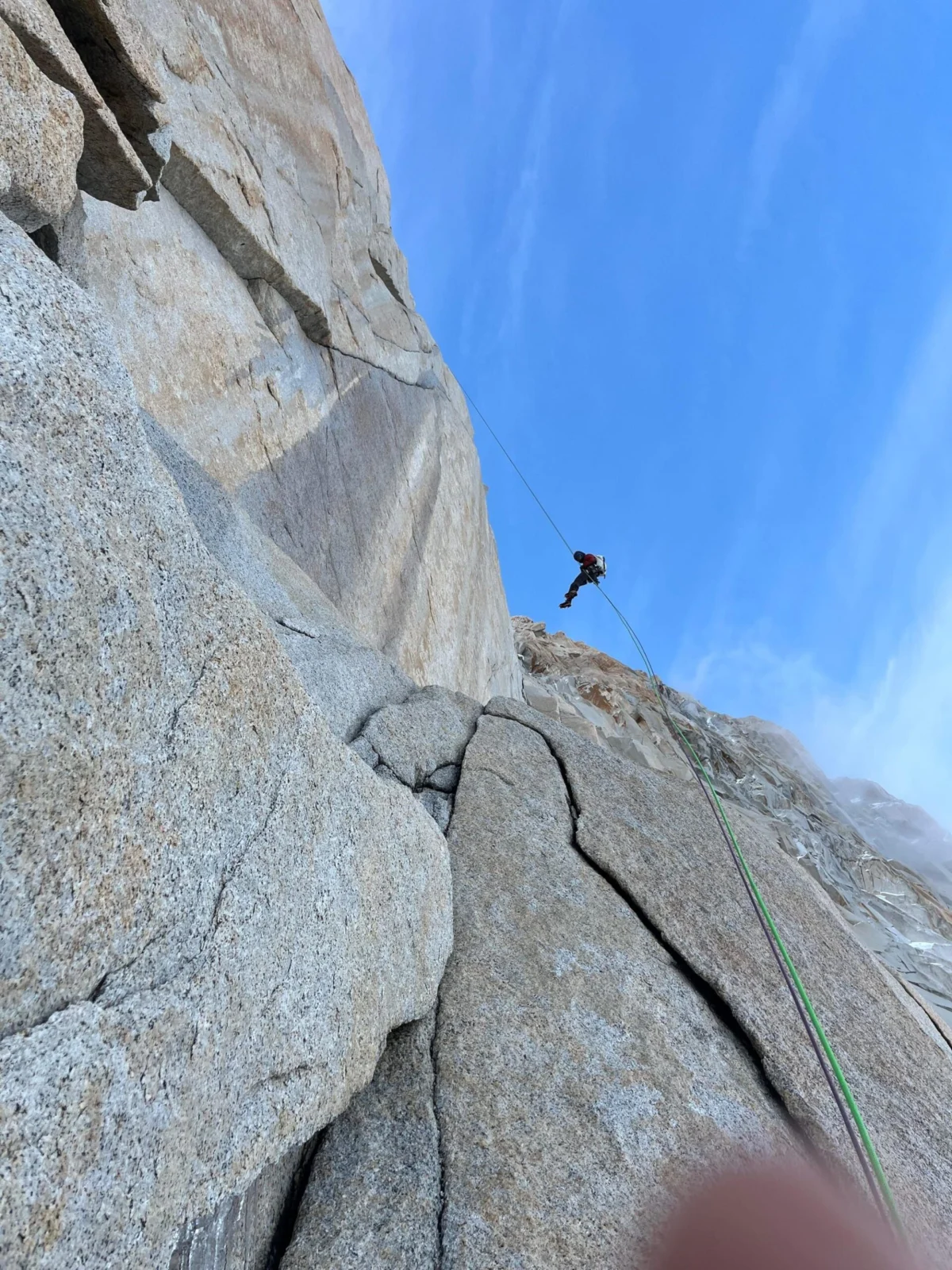
On April 2, the American Alpine Club (AAC), the leading climbing advocacy organization in the United States, officially announced a groundbreaking mentorship program for young alpinists dubbed "Alpine Track."
Europe boasts a rich, historic tradition of formal alpine mentorship, supported by successful programs such as the Groupe Excellence Alpinisme National in France, the German Alpine Club’s Expeditionskader (Expedition Team), and the United Kingdom’s Young Alpinist Group. However, the United States has historically lacked an enduring, institutionalized mentorship pipeline for aspiring mountaineers. Past initiatives, such as Steve House’s ambitious yet short-lived Alpine Mentors project, struggled to take permanent root. If the newly established Alpine Track succeeds, it will finally bridge this longstanding gap, creating the nation’s first sustainable and structured pathway for developing the next generation of alpine climbers.
Montana-based IFMGA guide and accomplished alpinist Sam Hennessey is stepping into the role of co-coach alongside Anne Gilbert Chase. According to Hennessey, the program will carefully select a cohort of eight applicants—four male and four female—who will embark on a comprehensive one-year journey together. This intensive program is structured around four weeklong meetings, strategically hosted in distinct, premier American alpine climbing zones: the Tetons, Bozeman, Cody, and the North Cascades.
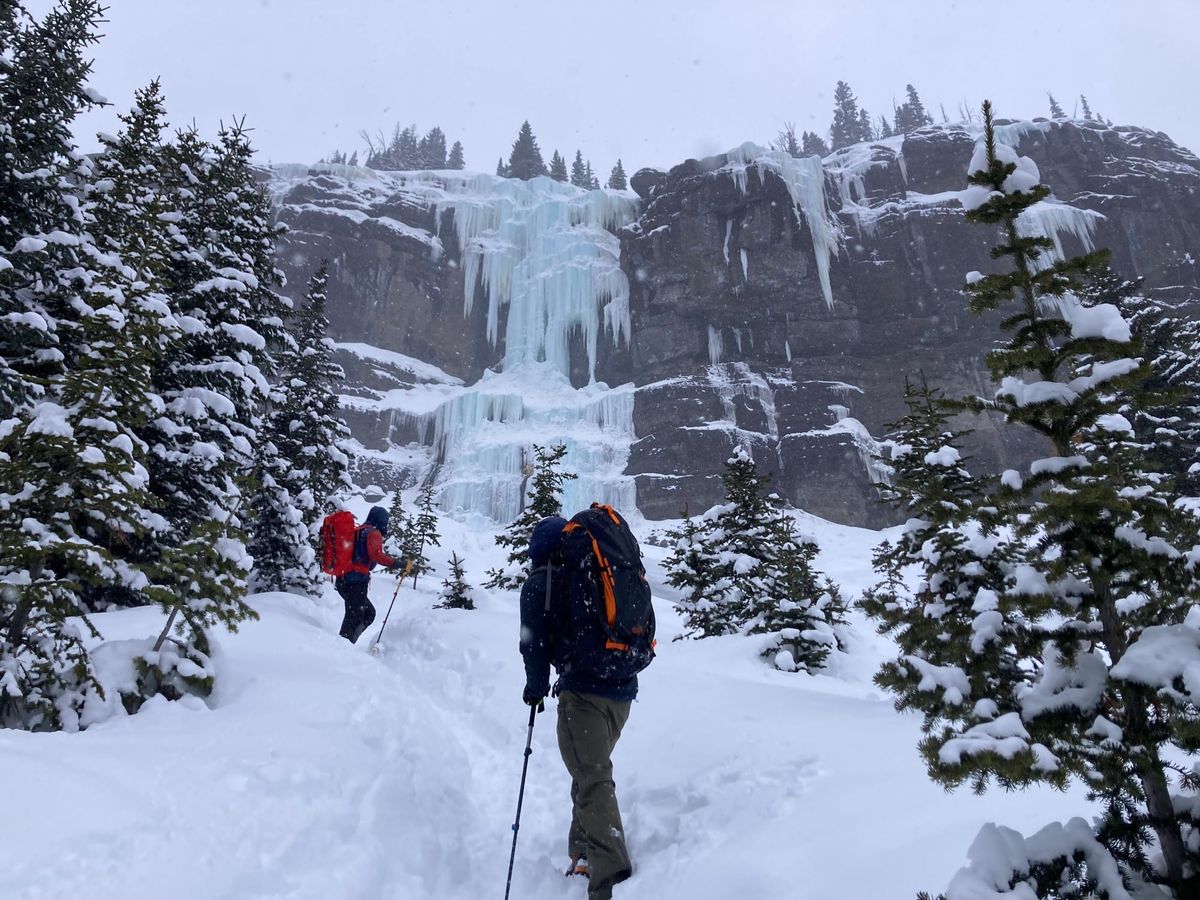
Reflecting on the state of the sport in the U.S., Hennessey pointed out structural hurdles that aspiring mountaineers face right out of the gate. "I think one of the things that is challenging about the U.S. for alpine climbing, is that communities are often located far from the mountains, and it can be hard for younger climbers to get linked up with more experienced partners," Hennessey explained in an interview. "Overall, the number of climbers who are interested in alpinism is small compared with rock climbing, so it can be hard to get into the community, unless you grow up in a place like Bozeman."
This geographic isolation and lack of structured entry points can create a dangerous learning curve for young, ambitious climbers. When compounded with the inherent hazards of high-mountain environments, the situation becomes precarious. "When you add in to that the fact that climbing in the mountains is dangerous in a way that rock climbing simply isn’t, you have a recipe for lots of young people doing lots of sketchy stuff as they figure things out," Hennessey noted. "I know that was the case for me. I was lucky enough to meet a bunch of more experienced climbers as I started my career as a mountain guide, but not everyone has that opportunity."
To address these vulnerabilities, the Alpine Track is designed to systematically minimize the risks associated with alpine climbing. Rather than pushing participants immediately into high-end performance metrics or extreme feats, the curriculum shifts focus back to foundational skills, safety, and responsible mountain techniques. "We’re focusing on rescue skills, efficiency, and building a responsible approach to the mountains that hopefully leads to long careers," Hennessey said, "as well as trying to build a tight partnership between the team members and the alpine climbing community."
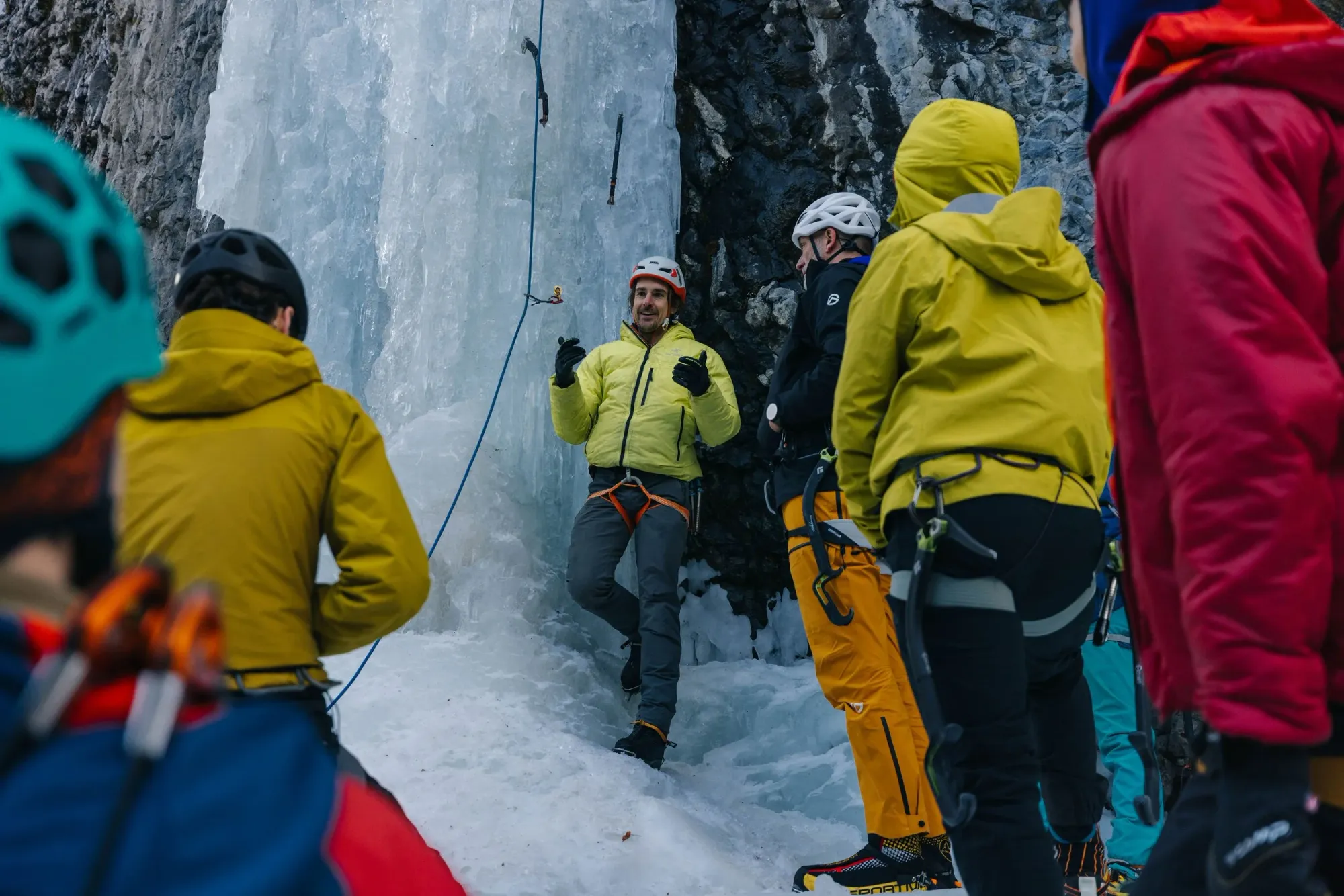
In alignment with this safety-first philosophy, the program intentionally avoids formal expeditions or massive alpine routes where the margins for error are razor-thin. Furthermore, anchoring the initiative directly within the institutional framework of the AAC—rather than tying it to a single individual—aims to shift cultural expectations. "By making the program an explicit part of the AAC, rather than being associated with one person, we’ll hopefully avoid the connotation that it’s a pipeline to sponsorship or doing extreme routes, and focus more on the community aspect," Hennessey added.
In today’s hyper-connected digital landscape, the absence of formal mentorship often leaves ambitious young climbers feeling pressured to believe that the only viable path to advancement is executing high-risk, "Instagram-worthy" ascents to secure corporate sponsorships. Beyond the obvious physical danger, this informal pipeline can inadvertently reward luck over actual technical competence and safe decision-making. By stripping away the pressure of major expeditions and emphasizing fundamental mountaineering craft, the AAC hopes to decouple alpine development from the sensational demands of modern climbing media and social platforms.
Furthermore, the launch of the Alpine Track holds significant potential to reshape the oft-skewed demographics of the American alpine community. Hennessey pointed to European precedents as a model for what is possible when structural support is introduced. "Following the launch of the women’s team in Germany, the percentage of women in mountain guide training has at least doubled, and the same is true in Austria," he observed. "A really high percentage of the leading female alpinists in Europe have come from these teams." By offering subsidized, top-tier instruction and guidance, the Alpine Track aims to democratize the sport and pave the way for a more diverse and inclusive generation of American mountaineers.
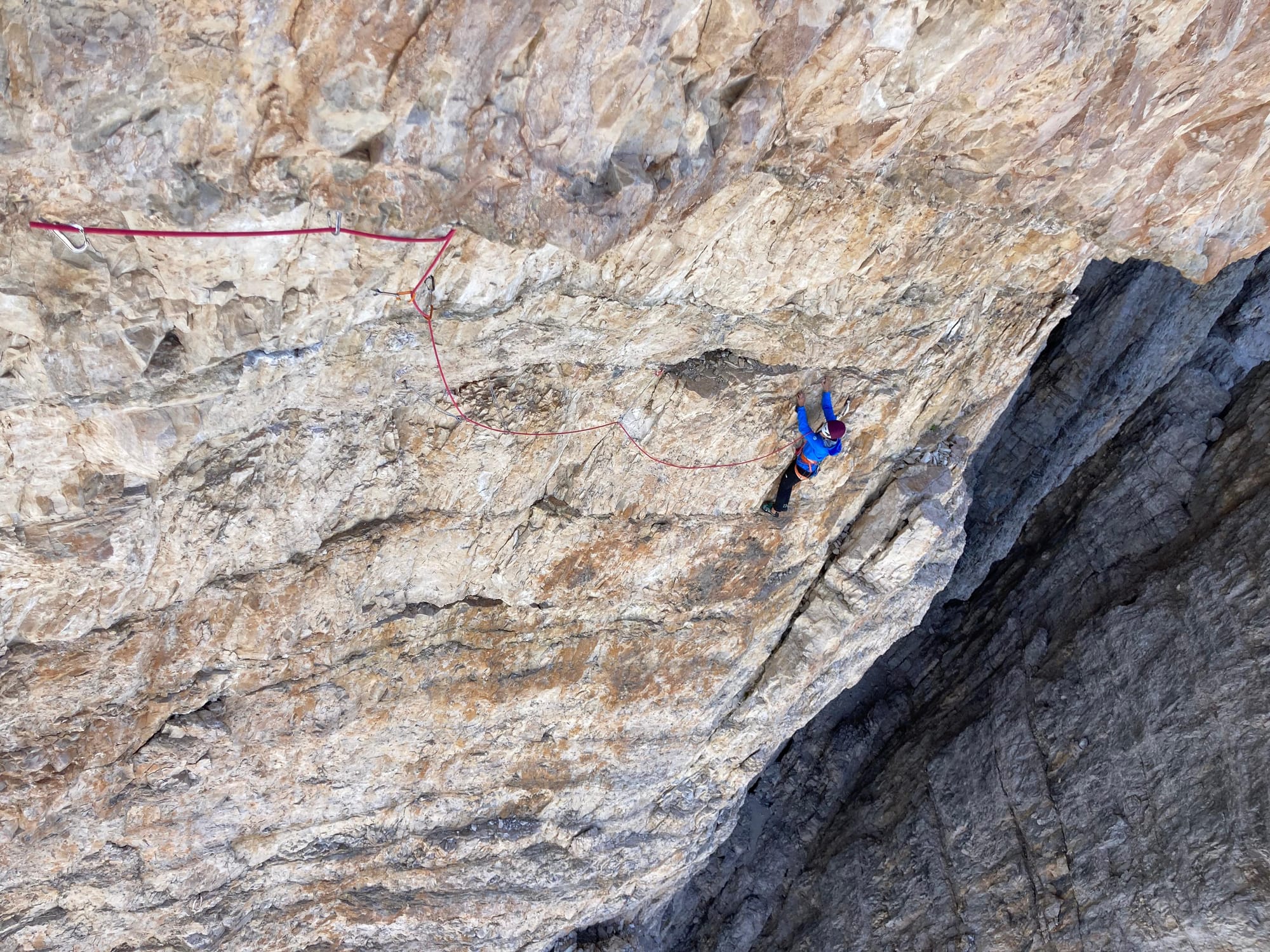
While Hennessey and Chase will steer the program as lead coaches, they will be joined by an elite roster of auxiliary instructors and guest speakers. The impressive lineup includes prominent figures such as Jack Tackle, Chantel Astorga, Kate Rutherford, Emilie Drinkwater, Seth Timpano, and Adam Knoff, ensuring that participants receive mentorship from some of the most respected veterans in the discipline.
How to Apply
For climbers interested in seizing this unique opportunity, eligibility is open to U.S. citizens or permanent residents who are active AAC members and aged 18 or older. Prospective applicants must move quickly, as applications are due on May 15 at 11:59 PM MST.
The AAC recommends that candidates possess a minimum of five years of outdoor climbing experience. Applicants should also demonstrate comfort in winter environments, proficiency on skis, and the physical capacity to ascend and descend 9,000 vertical feet in a single day. Technical prerequisites include experience leading at least 5.9 rock and WI3 ice, alongside comfort operating on grade III multipitch routes.