By Owen Clarke
Published: February 27, 2026, 5:56 pm

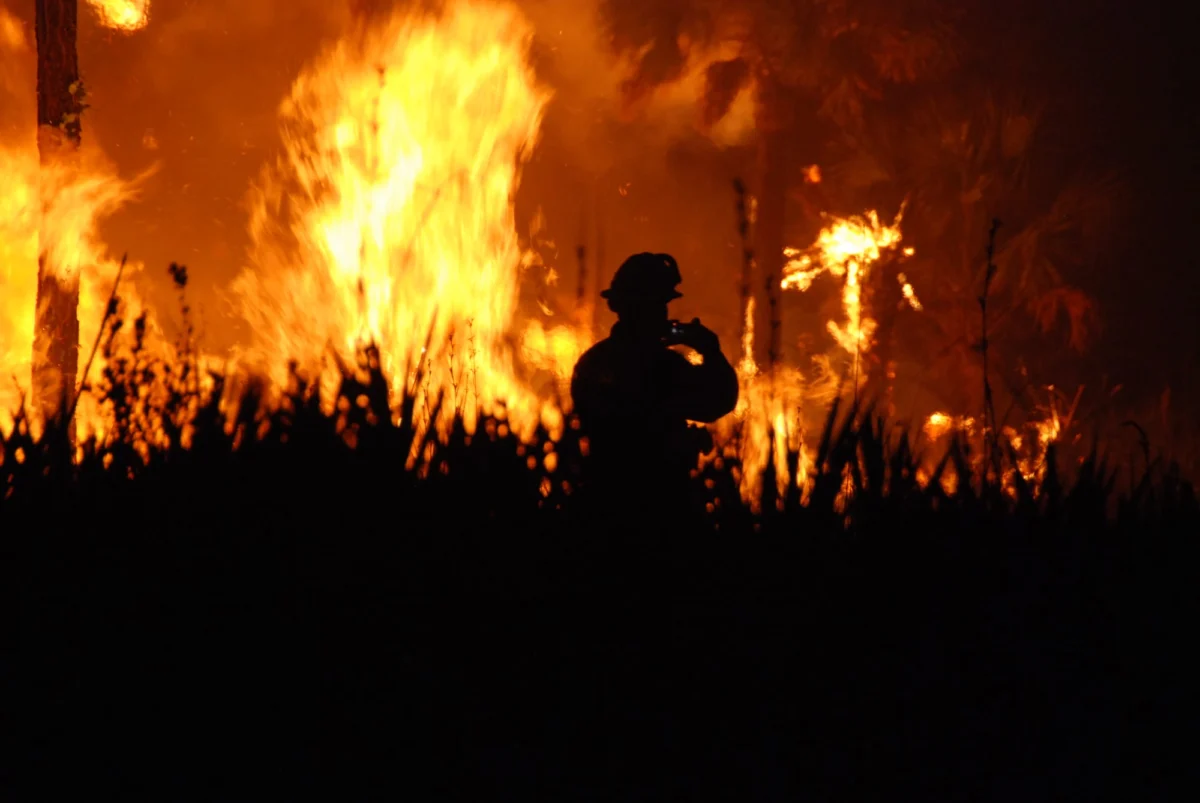
Climate change and fire suppression strategies are fueling serious wildfires in the Pacific Northwest, but according to a new report, policymakers could be doing more to prevent the damage. While shifting environmental conditions and decades of aggressive fire management have undeniably created a landscape primed for catastrophic blazes, the escalating financial and human toll of these disasters is increasingly driven by a factor within direct legislative control: where human communities choose to expand.
For generations, the narrative surrounding the region’s worsening fire seasons has focused almost exclusively on natural and historical variables. Extended droughts, rising average temperatures, and an early snowpack melt driven by global climate shifts have turned vast tracts of temperate forest into tinderboxes. At the same time, a century of aggressive fire suppression policies by federal and state agencies has resulted in dense, overgrown forests choked with deadfall and ladder fuels, transforming routine ground fires into high-intensity canopy blazes that defy traditional containment efforts.

However, a comprehensive new assessment suggests that while these ecological and climatic pressures set the stage, the soaring costs associated with modern wildfires are fundamentally a product of land-use planning. As populations in Washington, Oregon, and surrounding states continue to grow, residential development has pushed deeper into the wildland-urban interface—the transitional zone where human structures meet unoccupied forest and wildlands. Building homes, infrastructure, and commercial enterprises directly inside these high-risk ecological corridors has exponentially increased the exposure of civilian populations to extreme fire events.
The financial fallout from this pattern of expansion is staggering. When a wildfire tears through a densely populated forest fringe, the cost is no longer measured solely in acres of timber lost or emergency firefighting expenditures. It is measured in billions of dollars in destroyed residential real estate, displaced communities, devastated local economies, and long-term public health expenditures driven by massive smoke plumes blanketing urban centers hundreds of miles away. According to the report, local and state policymakers hold the primary tools to curb these mounting losses, yet many jurisdictions continue to approve new housing developments in high-hazard zones without mandating adequate defensive infrastructure, rigorous building codes, or sensible zoning restrictions.

Critics of current land-use policies point out that local tax incentives and the persistent demand for affordable housing often override wildfire risk assessments during municipal planning sessions. Rural and suburban expansion into forested foothills offers scenic vistas and lower property entry points, attracting waves of new residents unaware of the historical fire frequency of the terrain. Once these communities are established, public safety agencies are legally and morally obligated to defend them, shifting an immense financial burden onto state and federal emergency response budgets during peak fire seasons.
Mitigating this escalating crisis, the report argues, requires a fundamental shift in how regional lawmakers approach growth management. Rather than relying solely on post-disaster federal aid and emergency declarations, policymakers must implement proactive measures that restrict high-risk development or enforce strict fire-hardening standards for any structures built within the wildland-urban interface. This includes mandatory defensible space buffers, fire-resistant building materials, improved regional evacuation infrastructure, and modernized zoning laws that account for the changing ecological reality of the Pacific Northwest.

As climate projections indicate that wildfire seasons will continue to lengthen and intensify in the coming decades, the margin for error in regional planning is rapidly narrowing. The convergence of changing environmental conditions, historic forest management practices, and unchecked residential sprawl has created a volatile formula for disaster. How lawmakers choose to respond to these new findings will likely determine whether the Pacific Northwest can break the cycle of increasingly destructive and costly fire seasons, or if the region will continue to face unprecedented losses simply because of where its communities are allowed to grow.