While the vast majority of automobiles on the road today were manufactured within the past three decades, encountering a daily driver from the 1970s or 1980s is increasingly rare. In the automotive world, older vehicles are typically preserved as collector items rather than relied upon for routine commuting. A similar reality governs commercial aviation and private jet transport; while a few aging cargo freighters and classic airliners remain operational, airlines generally retire their airframes long before they reach their fourth decade of service, trading them for newer models boasting improved fuel efficiency and lower maintenance overhead.
In general aviation, however, this standard rule is entirely reversed. Far from being unusual, operating an aircraft that is 50 years old or older is not only common—it is the prevailing industry norm.
General aviation encompasses virtually all non-airline and non-military flying, accounting for the vast majority of total aviation operations worldwide. While the sector includes vital utility services such as corporate business jet travel, medical air ambulances, and aerial firefighting operations, the term is most frequently associated with the personal ownership of small aircraft utilized for recreational flying and flight training. Within this segment of the aviation ecosystem, airframes manufactured in the 1960s, 1970s, or even earlier decades are ubiquitous, while brand-new aircraft remain a comparative luxury.
The Age Of GA Aircraft In The US
Data compiled by the Bureau of Transportation reveals that the general aviation fixed-wing fleet in the United States numbers just under 220,000 active aircraft. Within that total, the piston-powered fleet accounts for approximately 138,460 aircraft, categorized as 126,915 single-engine piston aircraft and 11,545 twin-engine piston aircraft.
The statistical age of these fleets highlights a stark contrast with commercial aviation. On average, single-engine piston planes in the United States are more than 52 years old, while twin-engine aircraft are only marginally younger at over 45 years of age. This advanced average age far exceeds that of the nation’s corporate private jet fleet or its commercial airline inventory.
Aircraft possess the theoretical capability to remain airworthy almost indefinitely, provided they receive meticulous and rigorous maintenance. In commercial transport and corporate aviation, economic realities typically dictate an aircraft’s retirement long before it reaches 40 or 50 years of service. As airframes age, maintenance expenditures escalate, component reliability can decline, and newer aircraft designs offer substantial advantages in fuel efficiency.
Piston-powered general aviation planes, however, operate under an entirely different economic equation. These aircraft are predominantly purchased by individual owner-operators for leisure and personal transportation, altering how upkeep and longevity are evaluated.

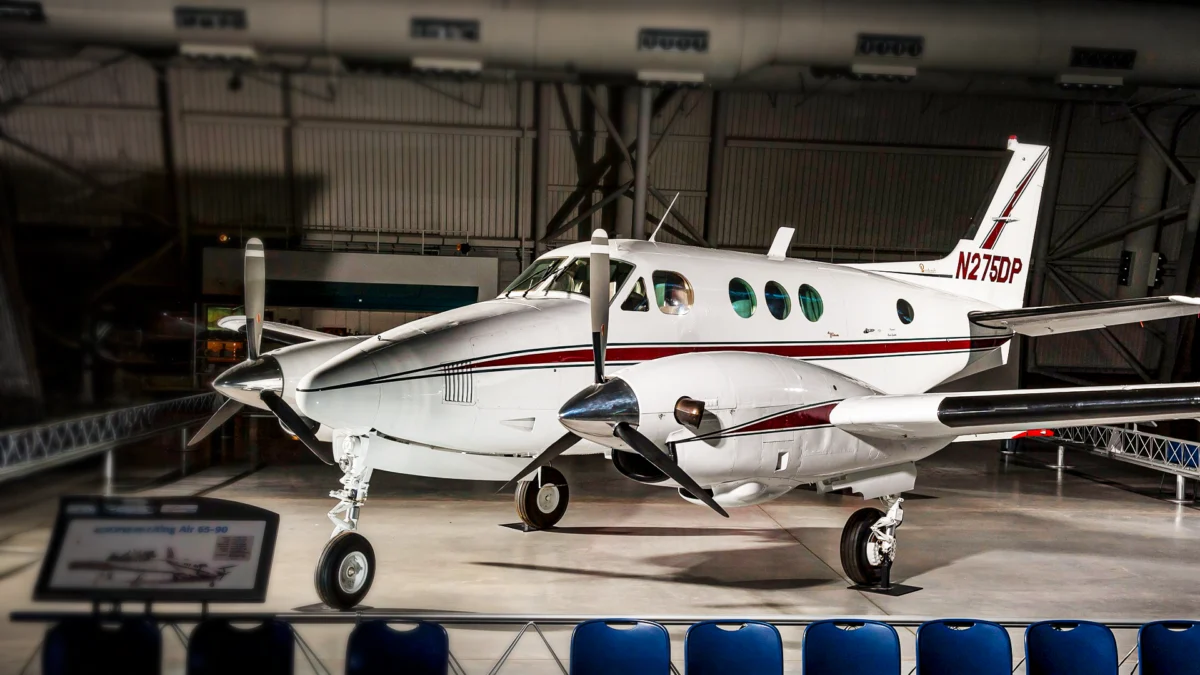
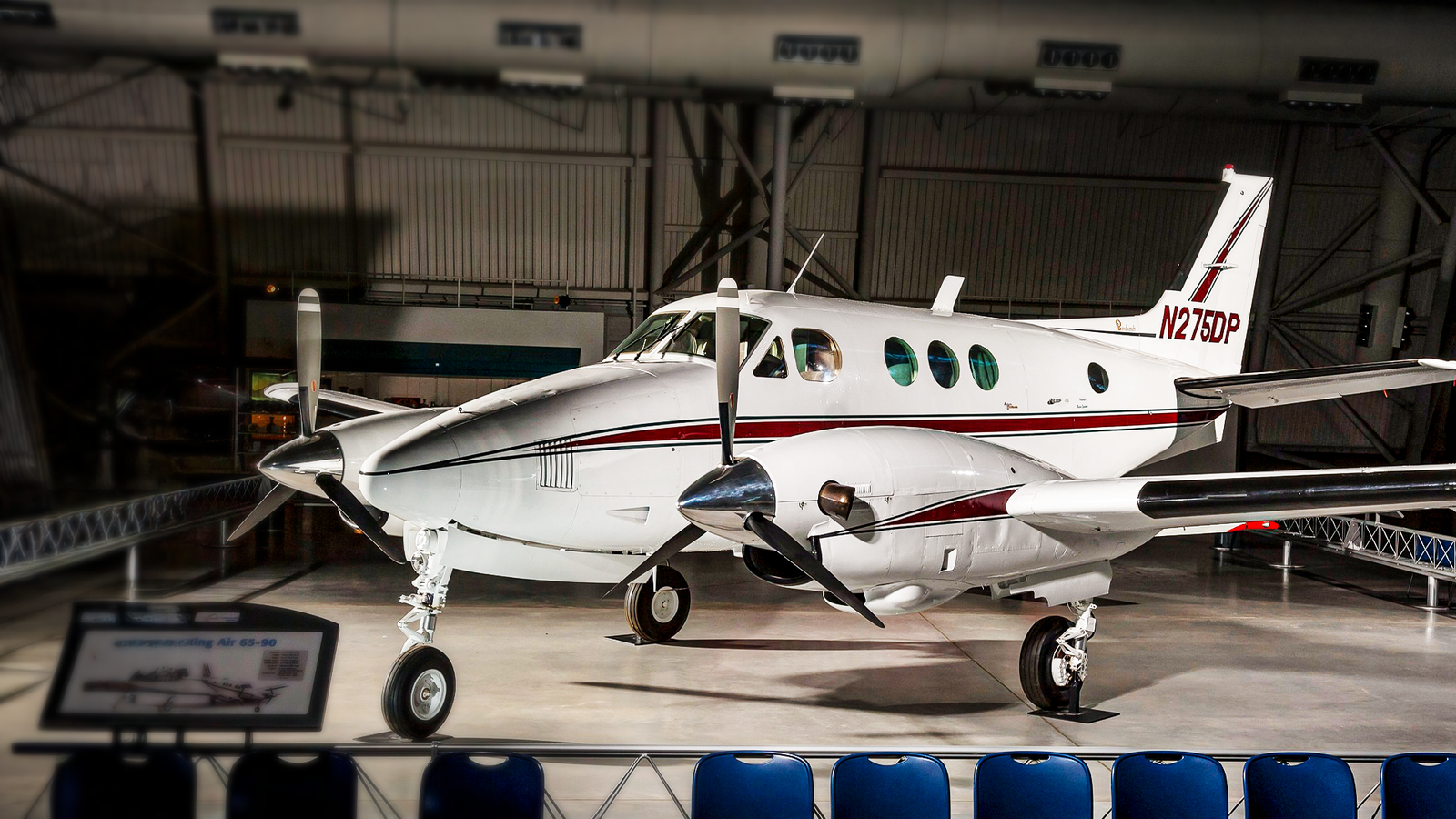
Perhaps the most striking indicator of this longevity is the sustained commercial viability of legacy aircraft designs currently available on the market. While relatively modern manufacturers like Cirrus Aircraft and Diamond Aircraft have built their reputations over a few decades, foundational legacy models have remained in continuous production for more than half a century. The Cessna 172 Skyhawk, Cessna 182 Skylane, Cessna 206 Stationair, and Piper PA-28 have all been manufactured for over 60 years. Similarly, the Beechcraft King Air turboprop has maintained a production run exceeding 50 years. Although newer designs have entered the marketplace, these legacy platforms continue to command significant sales figures.
Production Numbers Of GA Planes
Historical data from The Air Current underscores the immense transformation in manufacturing volume over the decades. In 1978, major commercial airliner manufacturers including Boeing, McDonnell Douglas, and Airbus collectively delivered 258 aircraft. By comparison, in 2025, Airbus and Boeing delivered a combined 1,393 aircraft, a figure that rises to 1,658 when including output from regional manufacturers such as Embraer and ATR.
The trajectory of general aviation manufacturing reveals an inverse trend. In 1978, general aviation manufacturers including Cessna, Piper, and Beechcraft delivered nearly 18,000 aircraft. In contrast, modern manufacturers delivered just over 4,300 general aviation aircraft in 2025—roughly four times fewer than the output recorded 48 years prior.
The year 1978 stands as the historic peak of general aviation manufacturing output. Although production dipped slightly in the following year, the 1980s brought a wave of severe challenges to the industry. Manufacturers were hit by costly product liability lawsuits, unfavorable tax code revisions, and broader macroeconomic shifts that strained the market. Consequently, Cessna halted its production of piston-powered aircraft in 1986, while Piper filed for bankruptcy in 1991. Total annual general aviation manufacturing plummeted to fewer than 1,000 aircraft by 1994, leading industry observers to characterize the post-Golden Age era as a "Lost Generation" for light aircraft production.

While manufacturing output has staged a partial recovery in recent years—spurred in part by the passage of the General Aviation Revitalization Act of 1994, which shielded small aircraft and component makers from certain product liability claims—production remains a fraction of its historical peak. This prolonged period of constrained output has resulted in a relatively sparse supply of newer aircraft, keeping the average age of the American general aviation fleet remarkably high.
Prices Of New Versus Old Aircraft
Economic factors heavily influence the dominance of vintage aircraft in the general aviation market, particularly when comparing the acquisition costs of new versus legacy airframes. In 1978, a brand-new Cessna 172 Skyhawk carried a base price of roughly $25,000, an amount equivalent to approximately $127,000 in modern currency. Today, however, a new Skyhawk starts at just under $500,000, with optional avionics and interior upgrades easily pushing the final purchase price past $700,000.
Similarly, the Piper PA-28 starts near the $500,000 threshold, while well-equipped, turbocharged Cessna 182 models can approach the one-million-dollar mark. While private aircraft have historically represented significant investments, they were far more accessible during the Golden Age of aviation, whereas purchasing a new general aviation plane today requires an entirely different tier of personal wealth.
Because brand-new aircraft demand such high capital outlays and older models remain abundant in the secondary market, prospective buyers have access to a robust inventory of vintage planes. It is relatively easy to locate early-model Skyhawks priced below $100,000, while well-maintained, upgraded examples frequently trade for under $200,000. A comparable pricing dynamic applies to the Piper PA-28, and 1970s-era Cessna 182s typically change hands for less than $350,000. Furthermore, annual insurance premiums for older airframes are often lower due to reduced hull replacement valuations, widening the financial gap between old and new ownership.
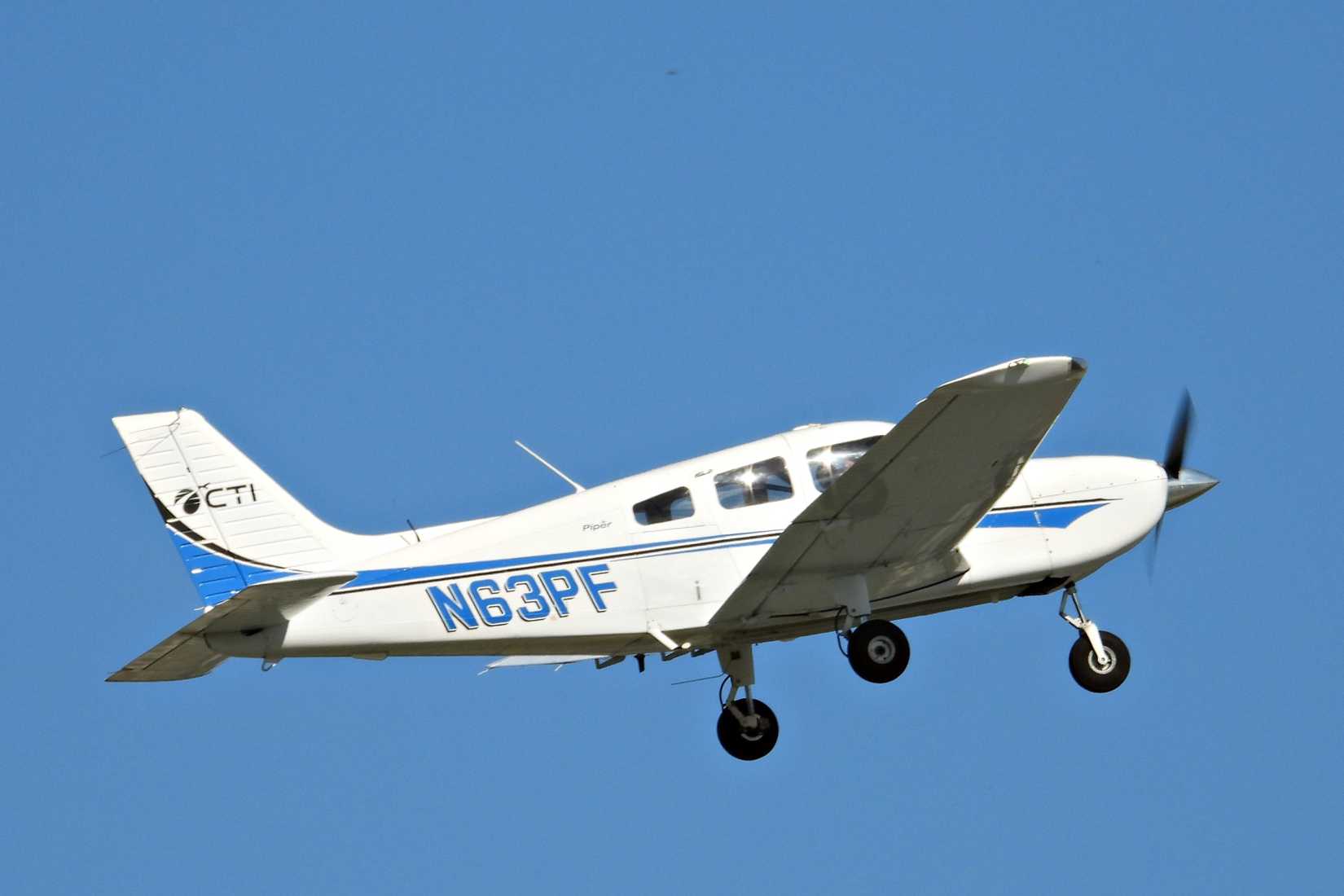
While maintenance expenses vary based on individual aircraft history—older airframes feature simpler mechanical systems but can suffer from scarce replacement parts and deferred upkeep—purchasing a used personal aircraft remains significantly more economical than buying new. Furthermore, while vintage aircraft lack factory-fresh airframes, aftermarket avionics and interior modernizations allow used planes to feature technology that matches or exceeds that of brand-new production models.
Improvements And Innovations In New Planes
Despite the financial advantages of vintage airframes, contemporary manufacturers have introduced compelling technological advancements that appeal to a distinct segment of the market. Companies like Cirrus Aircraft and Diamond Aircraft Industries have achieved substantial commercial success by focusing on composite airframe construction, advanced aerodynamics, and modern cockpit integration. Cirrus is widely recognized for incorporating whole-airframe parachute recovery systems into its product line, while Diamond has focused engineering efforts on developing aircraft compatible with modern diesel and Jet-A turbine-fuel piston engines.
These advancements in construction methods, onboard technology, performance, and fuel efficiency make newer platforms highly desirable, though their price tags reflect those innovations. The vast majority of general aviation piston flights last under two hours, and while many owner-operators utilize light aircraft for practical business transportation—where increased speed and efficiency deliver tangible benefits—a significant portion of the general aviation community uses light aircraft for local recreation or flight instruction. For these operators, the practical advantages of cutting-edge design features are less critical.
For standard flight operations, luxury enhancements such as sidestick controls and integrated glass cockpit displays are not fundamental prerequisites. While commercial airlines realize substantial operational savings through fuel-efficient new aircraft that introduce expanded payload and range capabilities, the operational profile of general aviation differs fundamentally. This reality reinforces the enduring appeal of the massive existing supply of older aircraft, particularly when weighed against the steep purchase prices of newly manufactured airframes.
The Challenges Of America’s Aging GA Fleet
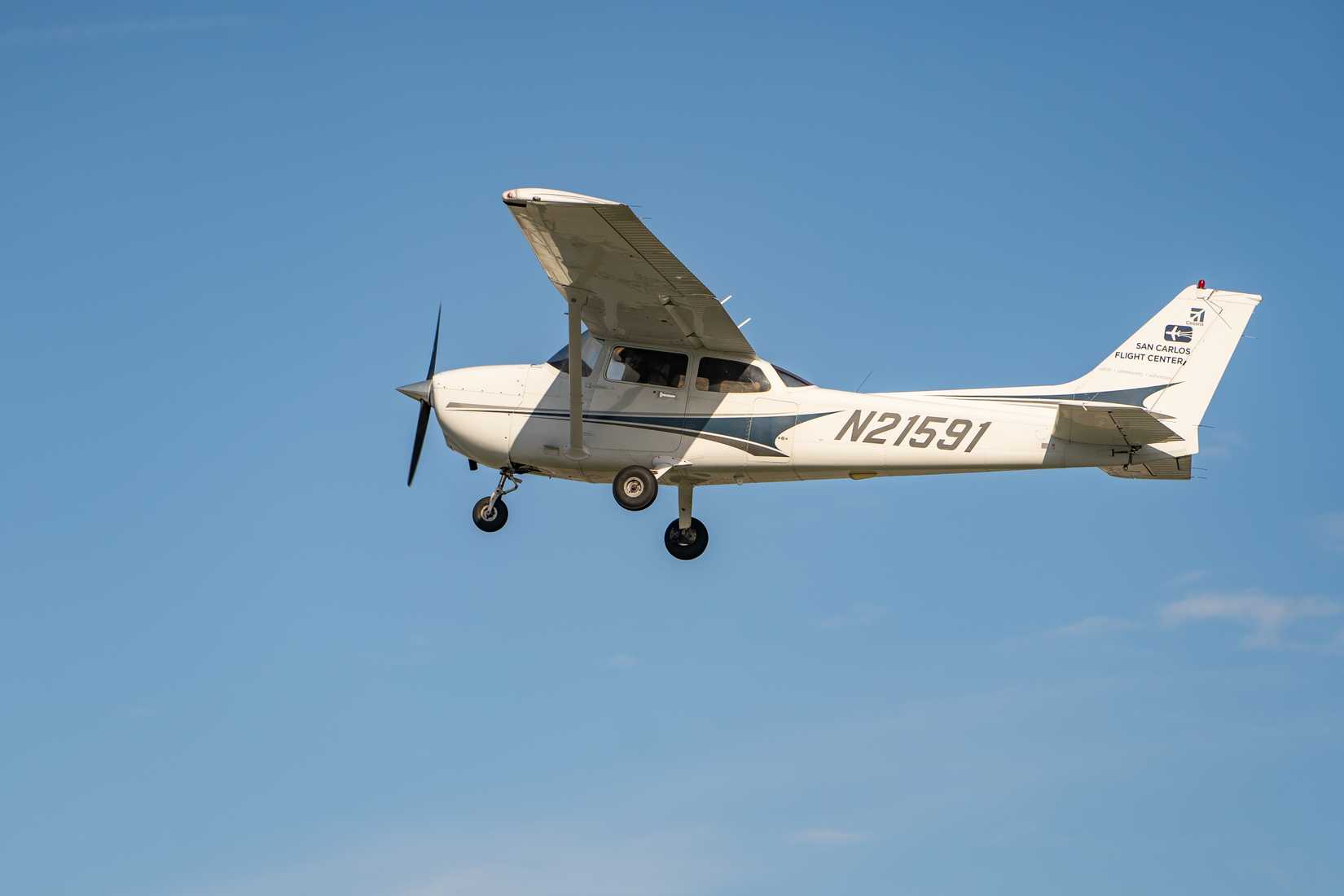
Even as the market adapts, the ongoing reliance on a vintage fleet presents growing logistical challenges for the general aviation community. With production rates remaining far below the levels of the 1970s, the overall inventory of fixed-wing general aviation aircraft in the United States has gradually contracted over the decades, even as the average age of the remaining fleet continues to climb. While 1960s and 1970s airframes remain widely available today, that supply is finite, and the physical degradation of aging materials presents long-term hurdles.
Maintenance has emerged as the most pressing obstacle facing the aging fleet. Original equipment manufacturers have long since discontinued production of specialized components required by specific vintage aircraft models, and comprehensive engineering documentation can prove difficult to source. Component scarcity drives up maintenance expenditures, while older metal airframes remain inherently vulnerable to structural fatigue and environmental corrosion. Additionally, a shrinking pool of aircraft mechanics specifically qualified to service vintage airframes, legacy powerplants, and older analog instrumentation continues to exert upward pressure on labor costs.
Within the broader general aviation sector, robust growth remains concentrated in high-end turbine and corporate business aviation, but the piston-powered market exhibits a clear divergence. While manufacturing companies continue to operate profitably, the national piston fleet slowly contracts. Brand-new aircraft are prohibitively expensive for many recreational pilots, yet rising maintenance costs for aging vintage airframes threaten to price budget-conscious enthusiasts out of the hobby entirely. Consequently, the primary demand for new aircraft production increasingly originates from flight schools and commercial training organizations that prioritize the advanced safety features, modern avionics, and standardized parts availability found in newly manufactured airframes.