By William E. Simpson II, Naturalist, Author, and Conservationist
In today’s fast-paced, hyper-connected world, modern society places relentless demands on the individuals who navigate its daily routines. Amid the concrete landscapes, digital screens, and unending obligations of contemporary life, it is hardly a stretch to suggest that mankind has steadily grown apart from its foundational roots in nature. For generations, human existence was intimately tied to the rhythms of the earth, the changing of the seasons, and the diverse ecosystems that sustained life. As societies industrialized and urbanized, that direct connection began to fray, leaving a distinct cultural and psychological distance between humanity and the natural environment.
For many people, this increasing disassociation from the natural world has resulted in a gradual erosion of our collective understanding of ecosystems and wildlife. As human populations concentrate in urban centers and consumer-driven lifestyles accelerate, the average person has fewer opportunities to experience the untamed wilderness firsthand. There are, nevertheless, many wonderful efforts underway to bridge this widening gap. Modern television programs, streaming platforms, and cinematic documentaries regularly seek to educate the public, attempting to counter a growing abyss of understanding between man and nature. These educational initiatives are especially vital during an era when modern consumerism places unprecedented demands on the remaining natural resources of our planet.
Yet, as informative and well-produced as these media efforts undeniably are, they ultimately serve as poor substitutes for authentic ecotourism programs. True ecotourism uniquely provides actual, physical immersion into nature, allowing participants to experience the profound wonders of the wild firsthand. Where a screen can only display an image, direct immersion engages every human sense in a holistic environmental experience.
As naturalist and conservationist William E. Simpson II aptly notes, there is simply "no substitute for ecotourism programs that uniquely provide actual immersion into nature and the experience of the wonders that exist therein, first hand."
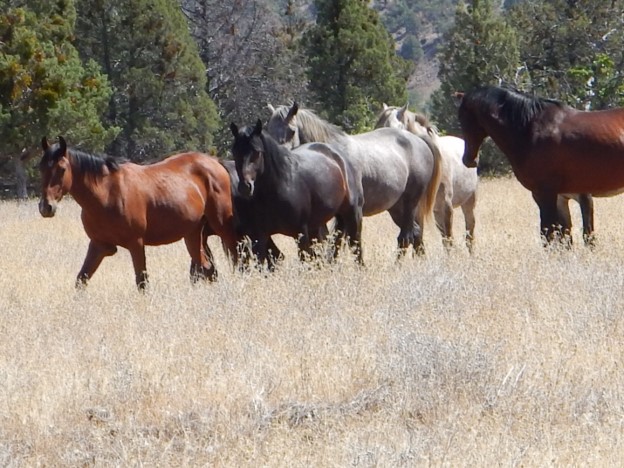
The sensory richness of the natural world cannot be replicated in a classroom or a living room. Consider the distinct, crisp smell of a pine forest after a rain, the sharp sounds of vocal communication between golden eagles circling high overhead, or the sight of a majestic wild stallion standing vigilant guard over his family band on an open ridge. Add to these experiences the soothing, perpetual sound of a babbling crystal mountain stream as it flows dynamically over ancient rocks, and one begins to understand how deeply the natural world is designed to inform and ground our human senses.
Beyond personal enrichment, ecotourism offers an essential, multi-dimensional tool that benefits both mankind and nature simultaneously. For humanity, ecotourism provides an opportunity for direct immersion into natural habitats in a manner that is both deeply enjoyable and remarkably effective. It facilitates an educational communion with the natural world that delivers numerous levels of personal fulfillment. When paired with structured education, this immersive engagement leads to a substantially greater, more nuanced understanding of how ecosystems function. Crucially, this heightened awareness naturally fosters a sense of genuine compassion and encourages better, more responsible stewardship of our remaining natural wonders.
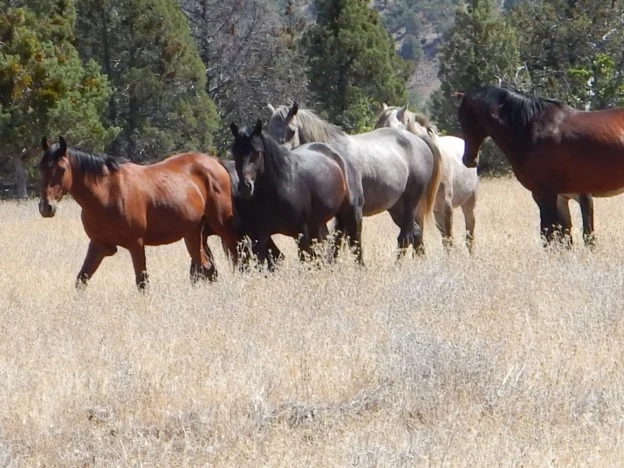
One compelling example of implementing intelligent natural resource management while simultaneously creating robust opportunities for ecotourism involves the thoughtful rewilding of native species, such as American wild horses. Reintroducing or managing these iconic animals in specific wilderness areas—where such rewilding remains both ecologically and economically appropriate—serves multiple conservation and community goals. Recent socioeconomic assessments, such as surveys examining the economic impact in regions like Moffat County, demonstrate how wild horse populations can actively bolster local and regional economies through increased visitation and nature-focused tourism.
The entertainment industry is already intimately familiar with the profound fascination that tens of millions of people hold for horses, including wild equines. This enduring cultural draw is thoroughly evidenced by the numerous, highly successful feature-length Hollywood films and critically acclaimed documentaries that focus on the majesty and spirit of horses.
From a public policy and fiscal perspective, the appropriate rewilding and management of America’s wild horses could also yield dramatic administrative relief. By relocating wild horses from areas where they currently exist in direct conflict with commercial livestock production enterprises into suitable wilderness settings, federal agencies—specifically the Bureau of Land Management—could save nearly $100 million annually in taxpayer-funded holding and management costs. At the same time, this strategic shift would foster vibrant local and regional ecotourism economies centered around wildlife viewing and outdoor recreation.
As an added ecological benefit, when properly managed and rewilded in appropriate numbers, horses can perform a vital land-management function. They act as natural agents for wildfire fuels reduction, consuming dry grasses and brush in ecologically sensitive areas that are currently at severe risk of catastrophic wildfire. Further insights and detailed analyses regarding this intersection of wild horse ecology and wildfire mitigation can be explored through organizations such as Wild Horse Fire Brigade at www.WHFB.us.
Ultimately, ecotourism stands out as a clear and proven path toward achieving a deeper understanding of nature and wildlife, while simultaneously supporting the effective conservation of our dwindling natural resources. By stepping out of the modern urban environment and immersing ourselves responsibly in the wilderness, humanity can rediscover its place within the broader ecological community. Through initiatives that harmonize wildlife conservation, economic vitality, and intelligent land management, the connection between man and nature can be successfully restored for generations to come.
For further information and resources on global conservation and sustainable travel initiatives, visit The International Ecotourism Society at www.ecotourism.org.