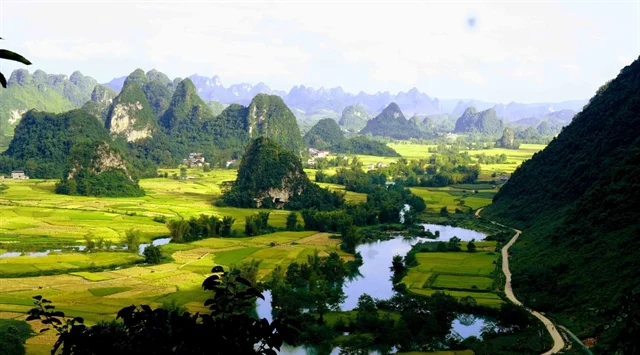
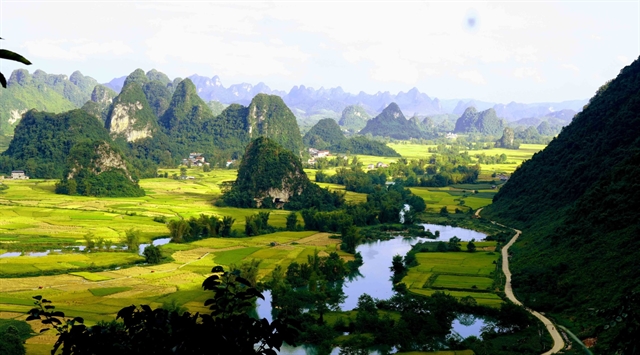
Việt Nam’s tourism sector is undergoing a profound transformation, moving beyond traditional seasonal models and well-trodden paths to offer travelers more diverse, immersive, and sustainable experiences. From coastal hubs redefining their appeal beyond the traditional summer beach months to remote mountain villages shrouded in clouds and tranquil forest waterfalls, destinations across the country are strategically expanding their tourism portfolios. This multifaceted evolution was recently underscored at major industry showcases like the International Travel Expo in Hồ Chí Minh City, highlighting a nationwide push toward year-round engagement, cultural preservation, and nature-based exploration.
Rethinking Coastal Tourism: Sầm Sơn and Hải Tiến Look Beyond the Summer Rush
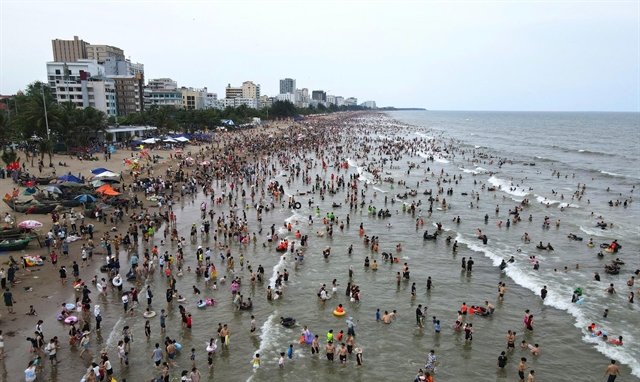
For decades, coastal tourism in Việt Nam followed a predictable rhythm, peaking sharply during the warm summer months and experiencing a significant lull during the rest of the year. However, key destinations along the central and northern coasts are actively rewriting this playbook. Sầm Sơn, a prominent coastal destination in Thanh Hóa Province, is leading the charge by looking far beyond the traditional beach season. Local authorities and tourism planners have laid out ambitious strategies to develop cultural, spiritual, wellness, sports, MICE (Meetings, Incentives, Conferences, and Exhibitions), and other experiential tourism products. By diversifying its offerings, Sầm Sơn aims to attract visitors consistently throughout the year, transforming a seasonal hotspot into a dynamic, multi-dimensional destination.
A similar strategic pivot is taking shape nearby in Hải Tiến, also situated within Thanh Hóa Province’s vibrant coastal tourism corridor. Spanning the communes of Hoằng Tiến and Hoằng Thanh, Hải Tiến boasts a long coastline, winding rivers, and a rich estuary ecosystem. Rather than relying solely on conventional sand-and-sea tourism, developers and local planners are leveraging these natural geographical assets to foster nature-based tourism. By leaning into the unique interplay between the coastal and riverine environments, Hải Tiến is carving out a distinct identity that appeals to travelers seeking ecological exploration alongside a relaxing seaside getaway.
Further south, destinations are capitalizing on the growing demand for quieter, more contemplative coastal escapes. Hồ Cúc Beach, located near Hồ Chí Minh City, has emerged as one of southern Việt Nam’s most rewarding nature retreats. Characterized by untouched coastlines, an ancient coastal forest, and an abundance of fresh seafood, Hồ Cúc offers a stark, tranquil contrast to the heavily commercialized urban centers nearby, attracting travelers who prioritize serenity and pristine natural surroundings.
Island Paradise on the Global Stage: Phú Quốc Earns Top International Acclaim
The appeal of Việt Nam’s coastal and island destinations continues to resonate internationally, most notably with Phú Quốc. The stunning island recently secured a prestigious spot among the world’s top ten island destinations, ranking ninth in Expedia’s 2026 Island Hot List. This global recognition places Phú Quốc in an elite tier, making it one of only two Southeast Asian destinations to break into the global top ten. The accolade highlights the island’s enduring charm, world-class resort infrastructure, and its successful positioning as a premier tropical getaway for international travelers seeking pristine beaches, vibrant marine ecosystems, and high-end hospitality.

High-Altitude Heritage: Sapa and the Clouds of Choản Thàn
While the coastlines draw international acclaim, Việt Nam’s mountainous northern regions are simultaneously expanding their luxury and cultural tourism offerings. In Sapa, nestled between the majestic Hoàng Liên Sơn mountain range and Hàm Rồng Mountain, the tourism landscape continues to evolve with high-end developments. The recent launch of The Residences at Intercontinental Sapa Resort brings a new tier of luxury hospitality to the region. Situated within the iconic Mường Hoa Valley—an area globally renowned for its cascading terraced rice fields, dramatic mountain topography, and the rich cultural heritage of its local ethnic minority communities—the development integrates high-end tourism with the natural and cultural fabric of the highlands.
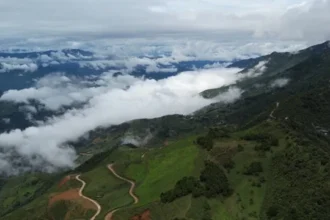
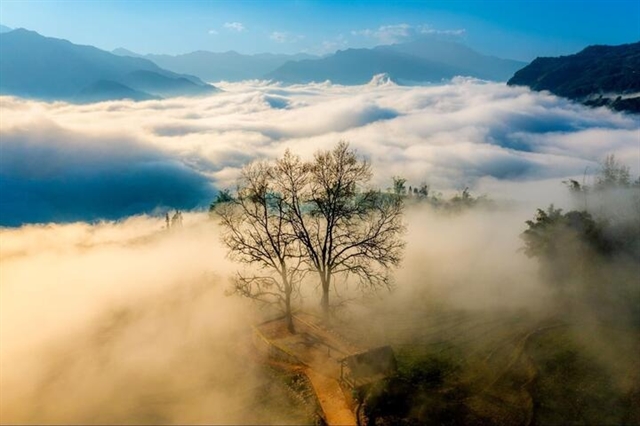
For travelers seeking deeper authenticity away from luxury resorts, northern Việt Nam offers breathtaking remote sanctuaries like Choản Thèn. Perched at an altitude of over 2,000 meters along the slopes of the Nhìu Cố San mountain range, Choản Thèn is a Hà Nhì ethnic minority village with a history spanning more than 300 years. Known colloquially as a village above the clouds, it enchants visitors with its ethereal sea of clouds, traditional earthen-walled houses, and timeless agricultural landscapes.

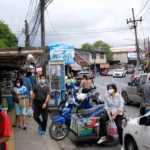
This spirit of authentic cultural immersion extends to lower-lying rural communities as well. Visitors to the region can engage in unique day-long cultural exchanges, such as experiencing life as a Mường person for the day. Travelers arriving at local rural farms are often greeted with warm hospitality, sharing cups of herbal tea kept warm in rustic bamboo tubes alongside fresh local fruits, offering a genuine window into daily agrarian life and community traditions.
Hidden Treasures and Industry Collaboration
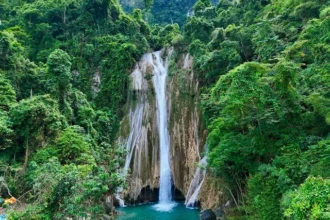
Beyond the cultural heartlands and mountain ranges, lesser-known ecological wonders are gaining prominence on the national itinerary. Tucked deep within the forested hills of Thượng Lâm Commune in Tuyên Quang Province, Khuội Nhi Waterfall stands out as a pristine natural treasure. Accessible only by boat across the expansive waters of the Na Hang reservoir, the waterfall rewards adventurous travelers with untouched scenery, dense forest canopies, and a profound sense of isolation from the modern world.
These diverse regional developments find a unified platform at large-scale industry events such as the International Travel Expo in Hồ Chí Minh City (ITE HCMC). Serving as a critical nexus for the tourism sector, the multi-day exhibition gathers hundreds of booths from over 500 exhibitors and prominent tourism brands. The expo not only provides a comprehensive window into emerging tourism trends, such as the shift toward sustainable, wellness, and experiential travel, but also functions as an essential marketplace for domestic and international stakeholders to connect, collaborate, and collectively promote the ongoing evolution of Việt Nam’s vibrant tourism industry.