Food has long served as a fundamental pillar of daily life—not merely as biological sustenance, but as a dynamic catalyst for community transformation. Across the globe, mindful consumers are increasingly utilizing their purchasing power to endorse systemic change, whether by opting for plant-based diets, supporting sustainable agriculture, or patronizing family-run local enterprises. These intentional decisions reflect a broader desire to align personal consumption with ethical values, helping to construct a more equitable society.
For international travelers, the commitment to ethical living rarely pauses at national borders. Navigating a foreign destination offers an ideal opportunity to extend social consciousness into culinary exploration. Throughout Cambodia, vibrant urban centers and cultural hubs—ranging from the bustling streets of Phnom Penh and the temple-adjacent avenues of Siem Reap to the riverside tranquility of Kampot and the historical charm of Battambang—present numerous avenues for visitors to generate a tangible, positive impact within local communities simply by deciding where to dine.
A growing movement of social enterprise eateries across the country demonstrates that exceptional gastronomy and impactful humanitarian missions can seamlessly coexist. These establishments utilize their culinary operations not just to feed patrons, but to fund vital social programs, combat human trafficking, empower marginalized youth, champion inclusivity for individuals with disabilities, and support environmental rehabilitation.
Connecting Hands Training Cafe: Rebuilding Lives in Phnom Penh
Situated in the heart of Cambodia’s capital, Connecting Hands Training Cafe operates as more than just a culinary stop for travelers navigating the city. The establishment functions as a crucial refuge and training ground for women escaping the human trafficking industry. By providing comprehensive employment opportunities, secure accommodation, essential medical care, and individualized practical support, Connecting Hands delivers the holistic safety net required for survivors to successfully rebuild their lives.

The cafe’s menu offers an inviting blend of Khmer and Western dishes, making it a popular destination for visitors seeking a nourishing meal or a morning coffee during a busy day of urban exploration. Patrons can choose from an array of all-day breakfast options, ranging from wholesome muesli and perfectly poached eggs to freshly baked muffins.
Crucially, the financial model of Connecting Hands ensures that all operating profits are directly reinvested into the support systems that sustain its beneficiaries. This structure allows diners to partake in quality meals with the assurance that their patronage directly aids in the empowerment and protection of women escaping abuse and exploitation.
Epic Arts Cafe: Fostering Inclusivity in Kampot
In the riverside province of Kampot, Epic Arts Cafe operates as a prominent extension of Epic Arts, a registered charity in both the United Kingdom and Cambodia dedicated to providing inclusive opportunities for individuals with disabilities. The organization derives its core philosophy from creative arts programs designed to encourage participants to explore, celebrate, and advocate for the inherent value of diversity.
Beyond its artistic initiatives, the organization runs targeted educational programs that facilitate school access for children, while simultaneously providing meaningful employment and professional capacity development for adults within the cafe setting. Serving as an inspiring model for an inclusive workplace, Epic Arts Cafe features a diverse menu blending Cambodian, Western, and Middle Eastern culinary traditions. From comforting toasties and traditional fish amok to nourishing couscous bowls, the kitchen accommodates a wide array of dietary preferences, offering extensive options for vegan and vegetarian diners.

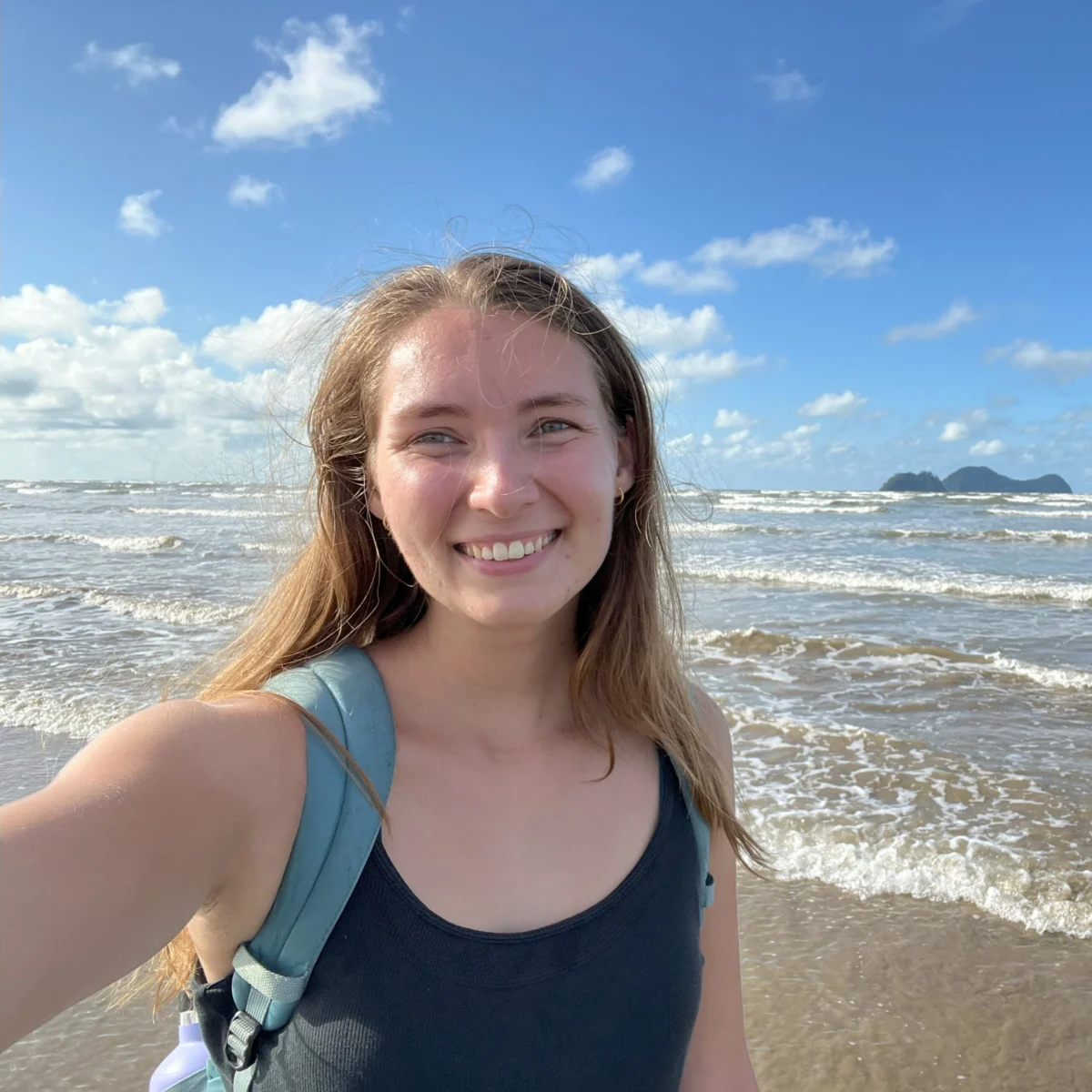
The physical space also incorporates an upstairs gift shop displaying unique artworks crafted by local students and community artists. This retail component provides an additional revenue stream that directly supports the organization’s overarching mission. Reflecting on her visit, South East Asia Backpacker contributor Bethany Hansel noted her admiration for the establishment’s dedication to supporting an often-overlooked community in Cambodia, highlighting both the culinary variety and the welcoming atmosphere.
Footprints Cafe: Sustainable Community Investment in Siem Reap
Nestled within the tranquil Wat Bo neighborhood of Siem Reap, Footprints Cafe functions as a cozy book cafe and collaborative workspace designed to promote sustainable tourism. Established with the vision of helping travelers cultivate a positive and lasting impact on local populations, the enterprise prioritizes an ethical business model across all operational tiers.
The cafe provides a supportive and encouraging work environment, placing a heavy emphasis on long-term investment in its staff through structured job training and professional skills development. Furthermore, Footprints has earned widespread recognition for exclusively utilizing ethically and locally sourced products, establishing itself as a benchmark for sustainability within the region.
A defining characteristic of Footprints Cafe is its financial governance: all net profits are returned directly to the local community in the form of educational and entrepreneurial grants. The allocation of these funds is managed transparently by a local committee. The menu features a comforting selection of pancakes, nourishing curries, and gourmet burgers, catering extensively to both plant-based diners and meat-lovers alike, all within an environment well-suited for reading and remote work.

Friends the Restaurant: Vocational Training for At-Risk Youth in Phnom Penh
Operating under the umbrella of Friends-International—one of the earliest Cambodian-founded, youth-led non-governmental organizations dedicated to street children—Friends the Restaurant has been a fixture of Phnom Penh since its foundational association with child protection initiatives beginning in the mid-1990s. The organization’s broader framework centers on ensuring that marginalized youth grow up in safe, healthy environments conducive to personal and professional development.
Friends the Restaurant serves as a practical training ground, offering vocational education programs that equip at-risk youth with real-world culinary and hospitality skills. By securing stable employment pathways, these young adults gain the financial independence necessary to support themselves and their families. To eliminate common barriers to employment, all student participants receive complimentary meals, clothing, medical care, and secure housing.
The culinary offerings span a wide selection of Asian and Khmer dishes, ranging from traditional fish amok and Thai chicken curries to plant-based specialties like fried oyster mushrooms and green mushroom curry, alongside various seafood preparations. The dining venue also forms part of a larger vocational hub operated by the organization, allowing visitors to patronize adjacent youth-run enterprises such as a beauty salon, nail bar, and retail gift shop, thereby multiplying the impact of their support.
Haven: Cultivating Careers in Siem Reap
Positioned in an intimate, tropical setting characterized by warm lighting and open-air acoustics, Haven in Siem Reap offers an inviting atmosphere designed for meaningful dining experiences. Like several of its counterparts in the social enterprise sector, the restaurant focuses heavily on vocational training and comprehensive skills development for vulnerable young adults transitioning out of institutional shelters or impoverished backgrounds.

The training program at Haven is structured to instill essential life skills and foster personal confidence, preparing employees for long-term career stability both within and outside the hospitality industry. The menu bridges traditional Khmer flavors—including local curries, lok lak, and amok—with familiar Western staples such as gourmet burgers and freshly prepared pastas. While service is available throughout the day, the evening hours offer an ambiance that draws both international travelers and expatriate residents.
Jaan Bai: Dismantling Poverty Roots in Battambang
Established in Battambang, Jaan Bai operates as the social enterprise division of the Cambodian Children’s Trust (CCT), an organization committed to breaking the cycle of intergenerational poverty by pioneering sustainable, locally owned systems of social support. CCT’s comprehensive Village Hive model addresses poverty alleviation through multiple avenues, encompassing public health and education strengthening, financial literacy training, and crisis intervention services. This holistic framework has subsequently influenced national social protection strategies in Cambodia.
Jaan Bai provides structured employment and hospitality training for local youth while maintaining a strict commitment to utilizing organic, locally sourced, and seasonal ingredients. Embracing traditional communal dining practices, the menu encourages guests to share a variety of dishes, featuring offerings such as wholesome baos, chicken satay, and regional curries. The establishment’s name translates simply to "rice bowl" in the Khmer language, anchoring its modern culinary approach in local cultural tradition.
Sister Srey Cafe: Education and Landmine Clearance in Siem Reap
Founded initially as a social enterprise by two international entrepreneurs and now entirely Khmer-owned, Sister Srey Cafe in Siem Reap addresses the complex economic pressures faced by local students who must frequently choose between pursuing formal education and supporting their immediate families. The cafe’s operating model proves that students should not be forced to make such a compromise.

Sister Srey employs working students, offering flexible scheduling alongside comprehensive job training, English language instruction, and personal development opportunities. This structure enables young scholars to earn a reliable income while continuing their academic pursuits. Furthermore, the enterprise directs its net profits toward supporting APOPO, an international non-governmental organization dedicated to clearing unexploded landmines and explosive remnants of war across Cambodia.
Known widely for its brunch offerings, the cafe serves a menu featuring gourmet burgers, vibrant salads, rich desserts, and meticulously brewed specialty coffee. Reflecting on its operational consistency, Bethany Hansel noted that the establishment has successfully established a blueprint for ethical business practices in the region, maintaining high standards for both its culinary output and its ongoing community engagement.